
Why the government is planning a 20°C limit on ACs across India
 Follow Us
New rule will mandate AC settings between 20°C to 28°C in homes, hotels, and vehicles.
Every 1°C rise in AC temp could save 3 GW during peak times, easing the 270 GW summer load.
Standardisation could save up to 60 GW by 2035, avoiding ₹7.5 trillion in new power infrastructure.
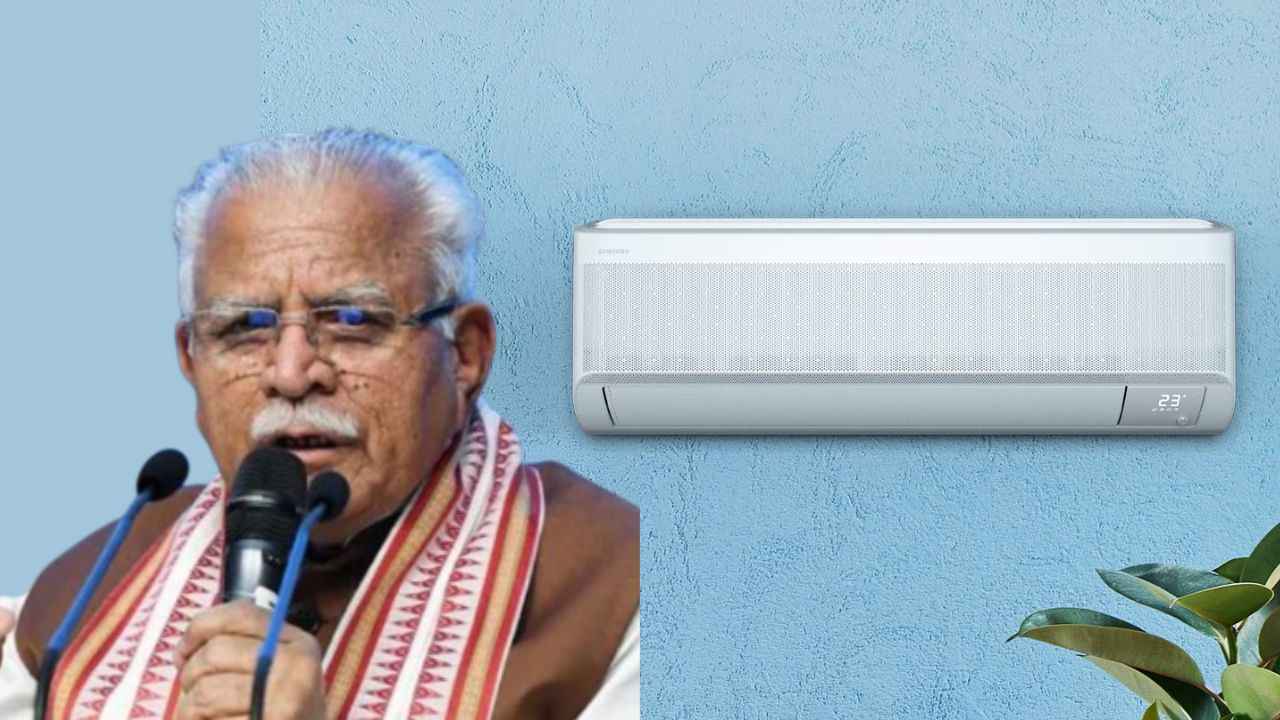

With the IMD issuing an orange alert for a scorching heatwave in Delhi, the Union government is planning to standardise air conditioner temperature settings to tackle rising electricity demand. Union Minister for Housing and Urban Affairs, Manohar Lal Khattar, announced on Tuesday that India will soon implement a first-of-its-kind restriction on AC temperatures set between 20°C and 28 28°C. “We have decided the minimum temperature of ACs will be fixed at 20 degrees Celsius and the maximum at 28 degrees Celsius,” Khattar said during an event in Delhi.
 Survey
The rule, once in effect, will apply to homes as well as air conditioners in hotels and vehicles. This move aims to reduce pressure on the national power grid, particularly during the peak summer months when electricity usage increases significantly.
According to Pankaj Agarwal, a senior official in the power ministry, air conditioners account for about 50 gigawatts of electricity usage — nearly 20% of the country’s peak demand. He added, “Studies show that every 1°C increase in AC temperature cuts energy use by 6%. That means if everyone sets their ACs just 1 degree higher, we can save about 3 gigawatts during peak times.”
A study by the University of California, Berkeley, suggests that standardising AC temperatures could save up to 60 gigawatts by 2035, preventing the need for Rs 7.5 trillion ($88 billion) in new power infrastructure.
This could also help prevent blackouts, as last year’s power use hit a record 250 gigawatts, and it is expected to hit 270 gigawatts this year.
Alternative ways to combat heat waves during summer
These alternative ways will help you combat heat waves during the summer while keeping the AC temperature high.
- Use blackout curtains to block the heatwave from entering your home
- Plant trees and shrubs on the south and west sides of your home to provide shade and reduce hot air.
- Maximise cross-ventilation by keeping windows open on opposite sides of the house to create a breeze and circulate cool air.
- Use exhaust fans in bathrooms and kitchens to draw out hot, humid air.
- Switch to LED or CFL light bulbs, as they produce less heat than traditional incandescent bulbs.


