
Microsoft wants to make users AI addict with its new assistant Scout: All details
 Follow Us
Internal Microsoft documents explicitly list "make people addicted" as phase one of Scout's rollout plan
Microsoft employees found the language troubling, with one calling it a "saying the quiet part out loud" moment
Scout is an always-on AI agent integrated into Microsoft 365, built on the viral OpenClaw technology
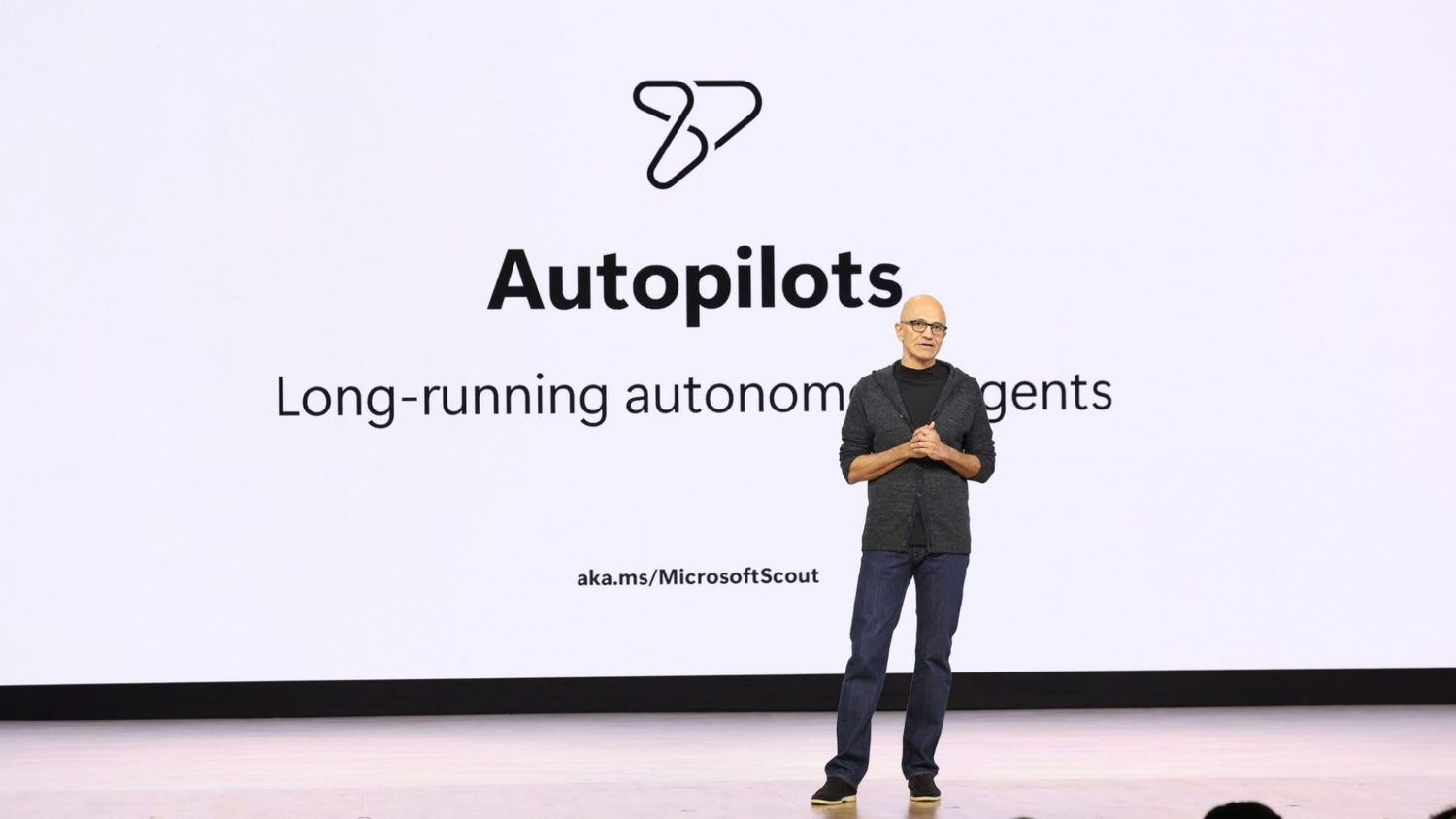

Microsoft announced Scout, its new always-on AI agent at Build 2026 this week. But internal documents uncovered by 404 Media reveal that the strategy behind Scout is more candid than most product roadmaps tend to be. A document titled ‘ClawPilot: Overview and Plan with Project Lobster’ outlines three phases for Scout’s rollout, with the first phase explicitly labelled ‘Make people addicted.’
 Survey
Scout, previously known internally as ClawPilot, is part of Project Lobster, Microsoft’s effort to bring the viral open-source OpenClaw AI agent technology into its Microsoft 365 suite of products in a form accessible to non-technical users. It is integrated with Teams, Outlook, OneDrive and SharePoint and is described in the documents as a desktop assistant for knowledge workers in finance, legal, HR and operations who ‘have never heard of OpenClaw and will never open a terminal.’ More than 1,000 Microsoft employees, including CEO Satya Nadella, are reportedly using it internally.
The document, co-authored by Microsoft executive Omar Shahine and colleague Jakob Werner, states under phase one titled ‘Make people addicted’ to “Continue shipping the standalone ClawPilot experience. Pilot the UX, grow the user base, and build the skill and tool ecosystem that makes people depend on it daily. This is already happening organically.” Shahine noted in the same document that early internal usage had shown “daily usage with high retention and intensity of usage.”
Not everyone inside Microsoft was comfortable with the framing. One employee told 404 Media the addiction language was “very troubling,” adding that making addiction part of a product’s build strategy is something no product should do. A second employee took a more passive view, suggesting that making software addictive is ultimately the goal of every major technology company, something that Microsoft has historically been less effective at than some of its peers.
This revelation adds an uncomfortable dimension to the broader conversation around AI chatbot dependency, which has been building on for months now. Scout is an agentic tool rather than a general chatbot, but the underlying dynamic, designing for compulsive daily reliance, is the same.


