
Apple to allow alternative app stores and payments on iPhones in Brazil after antitrust ruling
 Follow Us
Apple has 105 days to implement the changes or face fines of up to $27 million from Brazil’s competition authority, CADE.
Developers in Brazil will be allowed to distribute apps outside the App Store and use external payment options, though Apple will continue charging commissions.
Brazil joins the EU, Japan and South Korea in pushing Apple to loosen App Store controls, despite Apple raising privacy and security concerns.
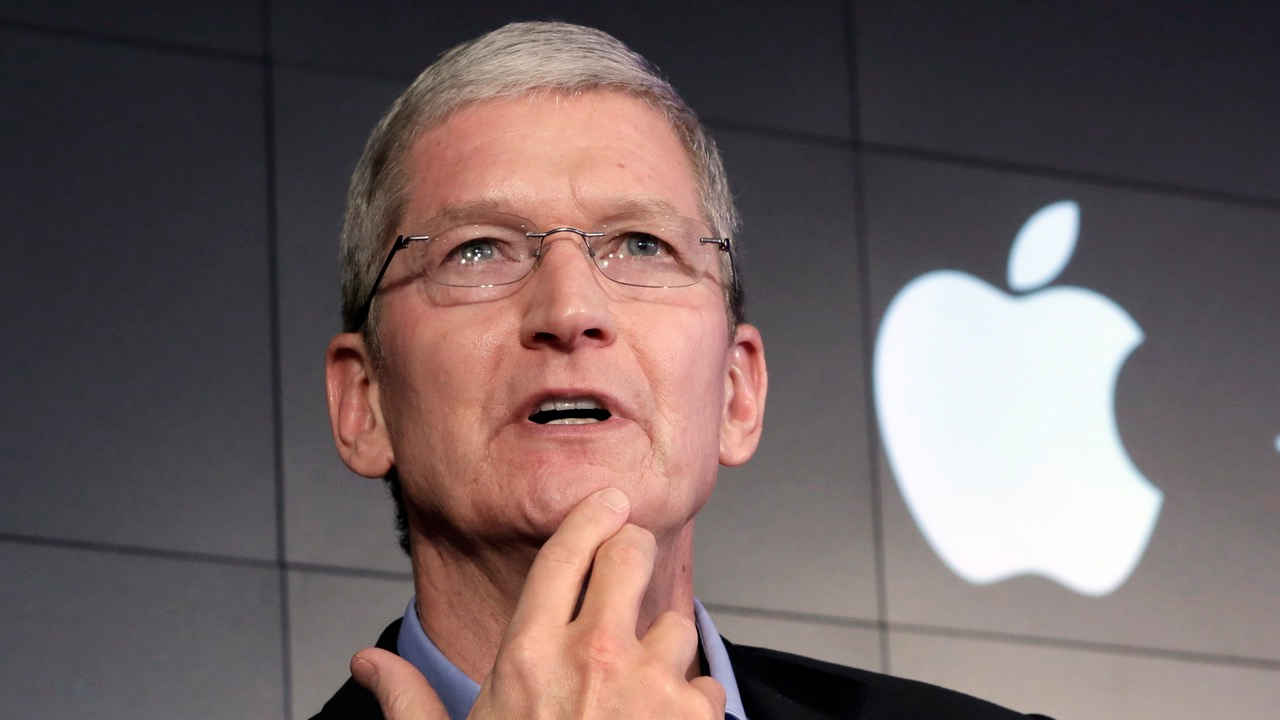

Brazil has concluded a three-year-long antitrust battle with Apple, asking the tech giant to loosen its control over iOS within the country. For the settlement with the Brazilian competition authority, CADE, the iPhone maker has agreed to permit alternative app stores and external payment systems on iPhones. The authorities have given the company 105 days to implement the changes or risk fines of up to $27 million.
 Survey
This is arguably the biggest shift in Apple’s tightly controlled ecosystem. With this new change, the iOS developers in Brazil will now have the option to distribute apps outside the App Store and direct users to external payment options along with Apple’s own in-app purchase system. The company will also have to use neutral language in prompts and warnings, stating that users are not discouraged from choosing non-Apple payment methods.
For the unversed, the investigation started in 2022 when Latin American e-commerce company MercadoLibre filed a complaint claiming that Apple’s App Store policies were anti-competitive. Specifically, the mandatory use of Apple’s payment system and restrictions on app distribution were also mentioned as barriers to competition. The legal proceeding have now concluded with Apple agreeing to these concessions.
READ: Apple CEO Tim Cook buys $3 million worth of Nike shares, boosting investors optimism
Interestingly, Apple will continue to earn commissions. Standard App Store purchases will still incur a 25 per cent fee, while developers using external payment links will pay a 15 percent fee. Additionally, app stores operating on iOS will be subject to a 5 per cent Core Technology Commission.
However, Apple has also cautioned that opening iOS to third-party app stores and payment systems may introduce privacy and security risks, specifically for young users. With this, Brazil has now joined the European Union, Japan, and South Korea in enforcing App Store reforms. While similar regulatory pressure is increasing in the UK and Australia.


