
Every year, as winter sets in, India’s air quality dips sharply. The combination of festive firecrackers, crop burning across northern states, vehicle exhaust, and industrial emissions turns the air dense and unhealthy. This pollution season can push indoor air quality to hazardous levels, too, especially when homes trap fine dust, smoke, and volatile chemicals. That’s where an air purifier comes in. In 2025, air purifiers have evolved beyond simple dust filters. They now include multi-layered filtration systems, sensors, and smart automation that make breathing cleaner air at home much easier. This guide breaks down how air purifiers work, what the key specifications actually mean, and how to pick one that fits your space, budget, and needs.
 Survey
Let’s begin with the burning question:


Are air purifiers effective in 2025
Air pollution isn’t just an outdoor problem these days. As cities record ‘hazardous’ AQI levels, homes too trap fine dust, smoke particles, and volatile compounds from daily activities like cooking and cleaning. In many regions, indoor air can be up to five times more polluted than outdoors. That’s why you may need air purifiers all year-round.
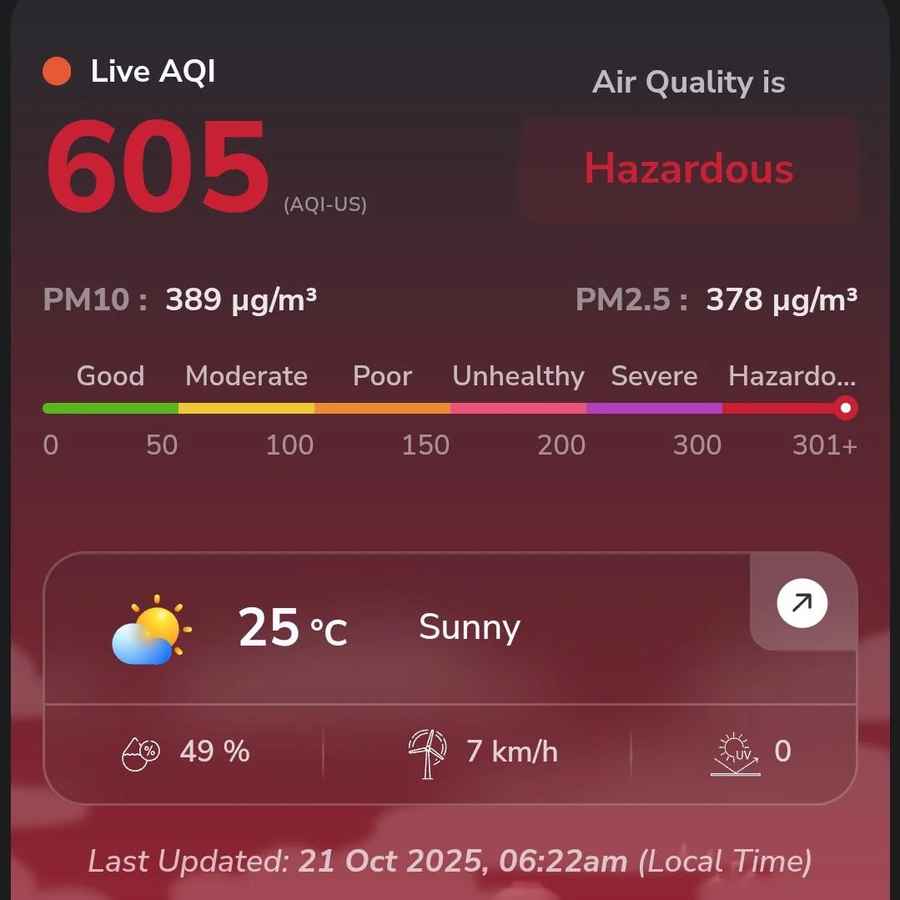
Today, these gadgets have become smarter, quieter, and more efficient.
Here’s what research says about air purifiers:
- A study in South Korea found that classrooms fitted with ventilation-type air purifiers saw reductions of about 23 to 24% in PM 2.5 and PM 10 (fine and coarse particles) and around 21% drop in CO2 compared to rooms without purifiers.
- In London nurseries, HEPA purifiers significantly reduced indoor PM 2.5 levels, especially when windows stayed closed during colder months.
- Another study comparing two HEPA-equipped purifiers in indoor settings with external sources (like incense or candle smoke) showed particle reductions ranging from about 30-70%, depending on purifier model and conditions.
- Meanwhile, a study in Delhi in 2016 suggested that while air purifiers can improve indoor air quality, but their effectiveness diminishes as outdoor pollution levels rise, highlighting the need for broader public health and policy interventions to address ambient air pollution in highly polluted regions.
Where air purifiers are effective, and why
Based on the evidence, air purifiers tend to work in these situations:
- High particulate pollution indoors: When you have a lot of PM 2.5 or PM 10 from sources like smoke, dust, cooking, burning of biomass, a good HEPA (or equivalent) purifier can reduce those concentrations substantially.
- Poor natural ventilation: If windows stay shut (cold weather, outdoor pollution, etc.), purifiers are more helpful. With open windows, outdoor air can still bring pollution in, which limits purifier effectiveness.
- Frequently occupied space: Purifiers offer more benefit in such enclosed bedrooms, classrooms, or offices where people spend long periods and pollutant sources are present.
- Supplement to other measures: Purifiers work best when combined with good ventilation, source control (reducing indoor smoke, avoiding indoor burning), and regular maintenance. They are not enough by themselves. Still, it is a good basic measure.
For infection control (viruses), odours, or gaseous pollutants, they can help but are not a cure-all. Strong human trials don’t always back some technologies marketed with big health claims.
How air purifiers work with different filters
Air purifiers clean the air by drawing it through a series of filters that trap and neutralise pollutants before releasing the cleaned air back into the room. Here’s how the process works:
- Air intake: The purifier uses a fan to pull in surrounding air. The intake is designed to capture dust, smoke, odours, and microscopic particles suspended in the air.
- Pre-filter stage: The first layer, called the pre-filter, traps large particles like hair, lint, and dust. This prevents clogging in the finer filters that follow and extends their lifespan.
- HEPA filter (High-Efficiency Particulate Air): This is the main filter. It captures up to 99.97% of airborne particles as small as 0.3 microns, such as pollen, mould spores, pet dander, and fine dust. HEPA filters are essential for removing PM2.5 pollutants (fine particles smaller than 2.5 microns) that are common in Indian cities during pollution peaks. HEPA also has sub-classes like HEPA H13 or H14. The HEPA H13, for instance, can filter up to 99.95% of particles as small as 0.1 microns.
- Activated carbon filter: This layer absorbs gases, volatile organic compounds (VOCs), smoke, and odours. It helps reduce smells from cooking, cigarettes, or chemical cleaners, improving indoor comfort.
- Optional filters or technologies:
- UV-C light: Neutralises bacteria and viruses by breaking down their DNA.
- Ioniser: Releases charged ions that attach to airborne particles, causing them to settle or be trapped more easily.
- Photocatalytic oxidation: Breaks down harmful gases and organic matter at a molecular level.
- Clean air output: Once the air passes through all these layers, the purifier releases clean air back into the room, continuously cycling and maintaining air quality.
- Sensors and smart control (in newer models): Many 2025 models include built-in PM2.5 and VOC sensors that automatically adjust fan speed based on air quality. Wi-Fi connectivity and mobile apps let you monitor real-time air quality and control settings remotely.
These filters work together to circulate cleaner air multiple times an hour, a process known as Air Changes per Hour (ACH). For most homes, 4 to 6 air changes per hour is ideal.
Consistent use could ease allergies, improve sleep, and protect respiratory health.
Also Read: Best Air Purifiers to Buy Online in India
Key specifications and features to check
| Specification | What it means | Why it matters |
|---|---|---|
| CADR (Clean Air Delivery Rate) | Rate at which purified air is released, measured in cubic metres per hour (m³/h). | Helps match purifier capacity to your room size. A higher CADR cleans faster. |
| Coverage area | Maximum room size the purifier can handle effectively. | Prevents underpowered performance. Choose one slightly above your room size. |
| Filter type | Layers of filtration like HEPA, carbon, or pre-filters. | Determines what kind of pollutants it can remove. |
| Noise level (dB or decibel) | Measures loudness when the purifier runs. | Low-noise models are better for bedrooms or workspaces. |
| Power consumption (W) | How much electricity it uses. | Important for long-term running cost, as purifiers often run 24/7. |
| Smart features | Wi-Fi, app controls, or AI-based air quality modes. | Adds convenience by allowing remote monitoring and automatic adjustments. |
| Filter life and replacement cost | How long filters last and how much they cost to replace. | Affects total ownership cost more than the upfront price. |
| True HEPA filter | Certified to trap 99.97% of particles as small as 0.3 microns. | Crucial for removing fine dust, allergens, and PM2.5 pollutants effectively. |
| HEPA H13 | It can filter up to 99.95% of particles as small as 0.1 microns. | For more thorough filtration, you can check out the H13 filter. |
| ACH | Indicates how many times the purifier can clean the entire room’s air in one hour. | Higher ACH means faster air cleaning, ideal for allergy sufferers or polluted areas. |
| VOC sensor | A VOC sensor is a device that detects and measures volatile organic compounds (VOCs) in the air | This sensor helps in detecting and removing these compounds that cause respiratory and neurological problems. |
Types of air purifiers and what they do
- HEPA-based purifiers: The most trusted type. They remove particulate matter like PM2.5 (fine dust and smoke). Reliable and safe, though filters need replacement every few months.
- Carbon filter purifiers: Focus on gases, odours, and chemicals. Often paired with HEPA for all-round cleaning.
- UV-C or photocatalytic models: Use ultraviolet light or chemical reactions to kill germs. Effective in theory, but performance depends on exposure time and design.
- Ionisers or plasma systems: Release charged particles to make pollutants clump together. Some may generate ozone, so check if the model is certified ozone-free.
In 2025, most mainstream air purifiers combine HEPA and carbon filtration with smart sensors for automatic operation.
How to buy the right air purifier
- Measure your room – Multiply length, width, and height to get volume. Choose a purifier that can change the air 4 to 6 times per hour for that space. Example: If your room is 12 ft × 10 ft × 9 ft, convert to metres (3.66 × 3.05 × 2.74) = 30.6 m³
- Check CADR and coverage: Match or exceed your room size for better results. Ideally, the air purifier should clean the room air 4 to 5 times per hour. Use this formula: Required CADR (m³/h) = Room volume × Air changes per hour (ACH). So, for 30.6 m³ × 5 ACH = 153 m³/h CADR
That means you need a purifier with at least 150 m³/h CADR for that room.
Or consider coverage area: If the brand lists coverage area (in sq. ft), compare it to your room’s floor area. Example: 12 ft × 10 ft = 120 sq. ft. Choose a purifier rated for 150 sq. ft or higher for better performance. - Look for ‘True HEPA,’ ‘H13’ and activated carbon: Avoid vague terms like ‘HEPA-type.’
- Assess noise levels: Below 30dB is ideal for bedrooms.
- Consider maintenance costs: Compare filter prices and replacement frequency.
- Prioritise brands with local support: Easy filter availability ensures long-term use.
- Smart vs manual: App control and auto modes add convenience but aren’t essential if you prefer simple operation.
Maintenance and usage best practices
- Clean or replace filters regularly, usually every 6 to 12 months for HEPA and 3 to 6 months for carbon filters.
- Keep the purifier one foot away from walls for proper airflow.
- Close windows when running it to prevent recontamination.
- Run it continuously during high pollution periods.
- Vacuum and dust regularly to reduce filter load.
- Store spare filters in sealed packaging to prevent moisture damage.
In 2025, an air purifier is no longer a ‘luxury gadget’. It’s part of essential indoor health infrastructure, especially in cities facing high pollution or seasonal smog. Some of the popular brands on Amazon India, for instance, are Dyson, Coway, Mi, Philips, Levoit, Honeywell, and Qubo. Pick a model in your budget that balances strong filtration, quiet performance, and smart automation, without demanding constant maintenance. Make sure you see beyond marketing buzzwords and focus on important aspects like the long-term cost, including filter replacements and electricity use. These factors could often outweigh the initial price tag.
We trust this article has been helpful, and you can pick an air purifier that fits your home, budget, and lifestyle. We’ll keep our top 10 air purifier listicles updated. So, you can check them out and also keep reading Digit.in for similar articles.
Also Read: Best Air Purifier with Hepa Filter in India
 Follow Us
G. S. Vasan
G.S. Vasan is the chief copy editor at Digit, where he leads coverage of TVs and audio. His work spans reviews, news, features, and maintaining key content pages. Before joining Digit, he worked with publications like Smartprix and 91mobiles, bringing over six years of experience in tech journalism. His articles reflect both his expertise and passion for technology. View Full Profile


