
Best TVs with over 1000 nits peak brightness for impactful HDR in March 2025
 Follow Us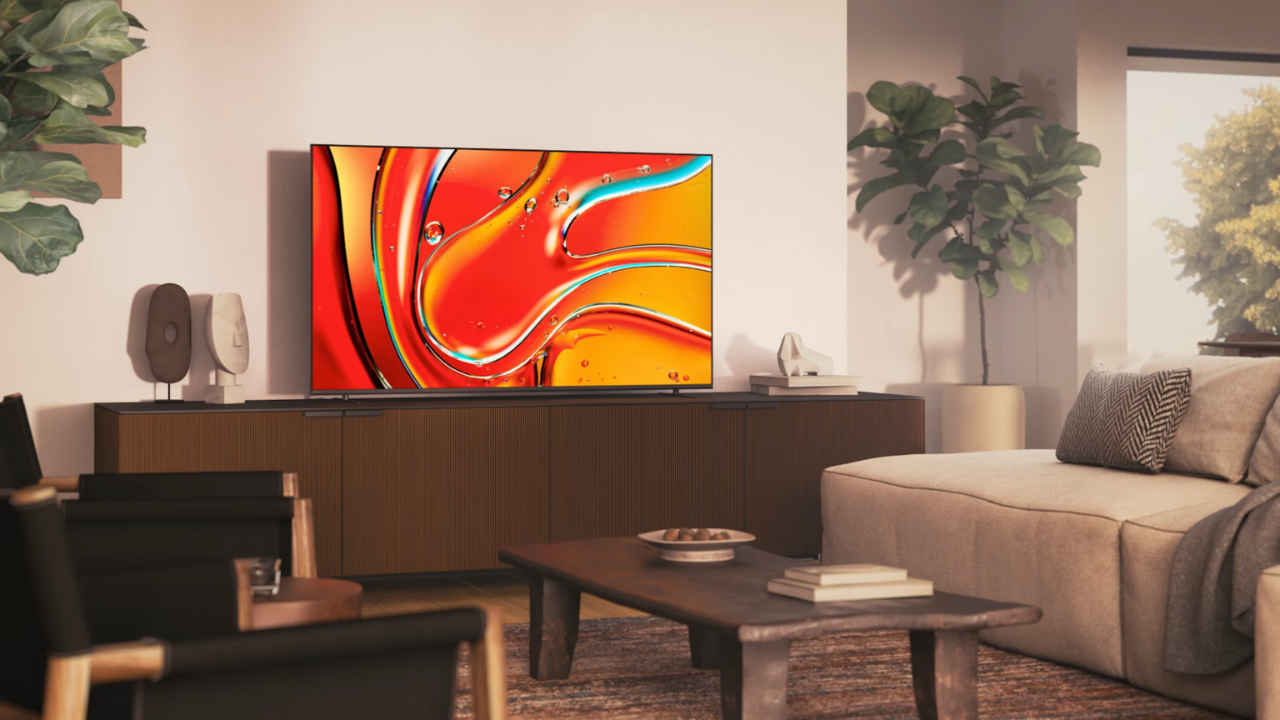

High Dynamic Range (HDR) content has elevated our cinema experience by offering a more lifelike image. HDR enhances contrast, color, and brightness. While peak brightness plays a key role in making HDR content stand out, it’s not the sole factor. Effective HDR also depends on contrast ratio, tone mapping, and how well a TV can handle bright highlights alongside deep shadows.
 Survey
Another aspect to keep in mind is that the peak brightness figures advertised by manufacturers are often measured in picture modes with a cooler white point. These modes, while great for showroom displays, do not always reflect the most color-accurate experience. In more balanced settings like Filmmaker Mode or Movie Mode, brightness is typically lower but provides a more natural and accurate picture. With that in mind, here are some of the best TVs currently available that deliver over 1000 nits of peak brightness for a strong HDR impact.
Sony Bravia 7 Mini LED TV

For those looking for a premium Mini LED TV without stepping into flagship pricing, the Sony Bravia 7 (review) is a solid option. It offers peak brightness levels exceeding 1700 nits, which ensures bright highlights and well-defined shadow details in HDR content. The use of Mini LED backlighting improves local dimming performance, helping to enhance contrast and minimise blooming around bright objects.
While Sony also offers the higher-end Bravia 9, the Bravia 7 brings strong HDR performance at a better price-to-performance ratio, making it an attractive choice for many buyers.
Samsung S95D OLED TV

OLED TVs have long been praised for their deep blacks and precise pixel-level lighting control, but brightness has traditionally been a limitation. Samsung’s S95D takes a step forward by reaching nearly 1550 nits of peak brightness on a 10% window in Filmmaker Mode (based on our testing). This means it delivers OLED’s signature contrast with noticeably brighter highlights, making bright HDR content more impactful. Also, Samsung has integrated an anti-glare coating to help reduce reflections, a feature that makes this OLED TV more versatile in bright rooms.
Samsung QN90D Neo QLED TV
 For those prioritising mini LED TVs, the Samsung QN90D stands out with peak brightness levels reaching 2000 nits on a 10% window. This makes it one of the brightest TVs currently available, ensuring that HDR highlights remain impactful even in well-lit environments. Neo QLED technology, which combines Mini LED backlighting with quantum dots, helps improve color volume and contrast while minimising blooming around bright objects. The QN90D is a strong contender for users looking for a bright, vibrant display without moving into OLED territory.
TCL QD-Mini LED Google TV 65C755

TCL’s 65C755 combines Mini LED backlighting with Quantum Dot technology and promises an impressive HDR experience for a value price. According to official figures, this TV can hit the 1300-nit mark, making it a capable choice for HDR viewing. With Google TV integration, it also provides a seamless smart TV experience, allowing access to a vast range of streaming services and content. While it may not match the brightness levels of higher-end Mini LED models, it offers a good balance of brightness, contrast, and affordability.
Hisense U7N

For those seeking a more budget-friendly option, the Hisense U7N offers respectable HDR performance at a lower price point. It promises peak brightness of 1200 nits with HDR10+. The use of Quantum Dot technology helps improve color accuracy, while local dimming enhances contrast. It may not compete with higher-end Mini LED or OLED models in terms of brightness or precision, it promises to be a solid choice for those looking to experience impactful HDR without breaking the bank.


