
 E-Magazine
OPPO Find X10 Camera: Everything Its Dual 200MP Hasselblad Cameras Can Do
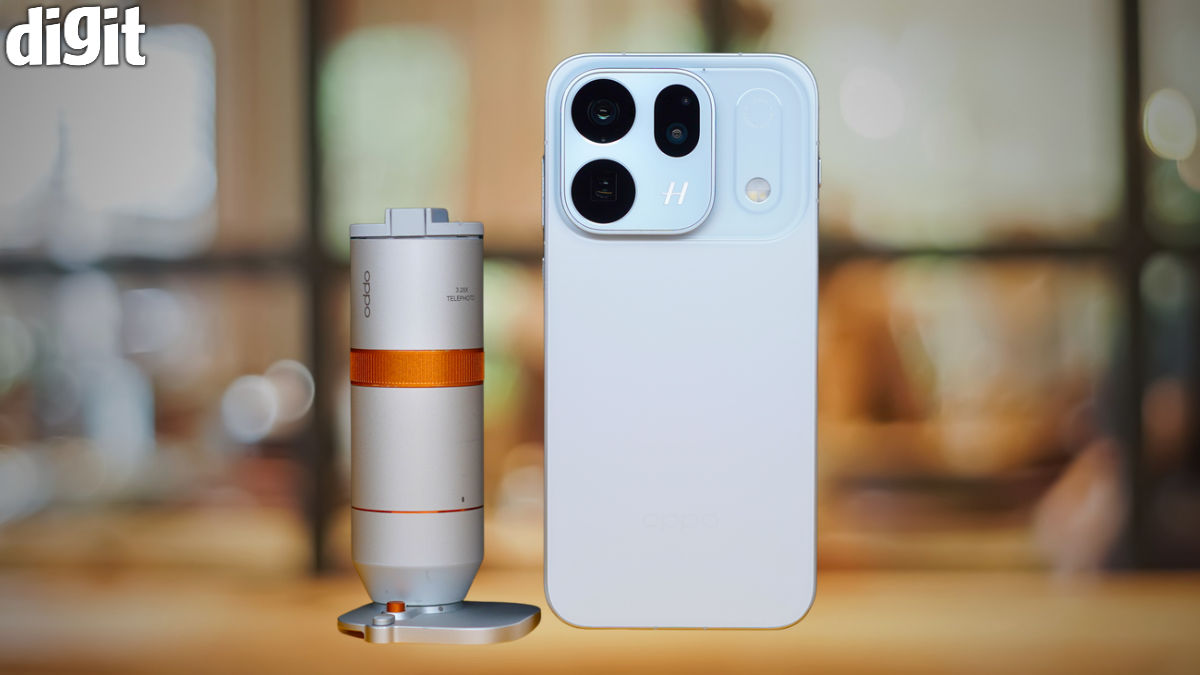
I've had a rather good time with the OPPO Find X10. The display is excellent, performance has been consistently smooth, and the 8,000mAh battery delivers solid endurance. But one aspect of the phone that deserves a closer look is its camera system. OPPO has equipped the Find X10 with two 200MP cameras, a 50MP ultra-wide camera and a host of imaging features developed in collaboration with Hasselblad. That's quite an ambitious setup, especially for a phone that is designed to be more than just a camera-focused flagship. I've spent time shooting with the phone, exploring the features and testing how the imaging system handles different situations. Here's how the OPPO Find X10 fares as a smartphone camera.
Dual 200MP cameras give you a lot of room to experiment
The OPPO Find X10 has quite an interesting camera setup. You get a Hasselblad 200MP Ultra-Clear Main Camera with a 1/1.4-inch sensor, f/1.6 aperture and optical image stabilisation (OIS). This is accompanied by a Hasselblad 200MP Ultra-Sensing Telephoto Camera with a 1/1.56-inch sensor, f/2.6 aperture, OIS and 2.8x optical zoom. There is also a 50MP Ultra-Wide Camera with a 15mm equivalent focal length.
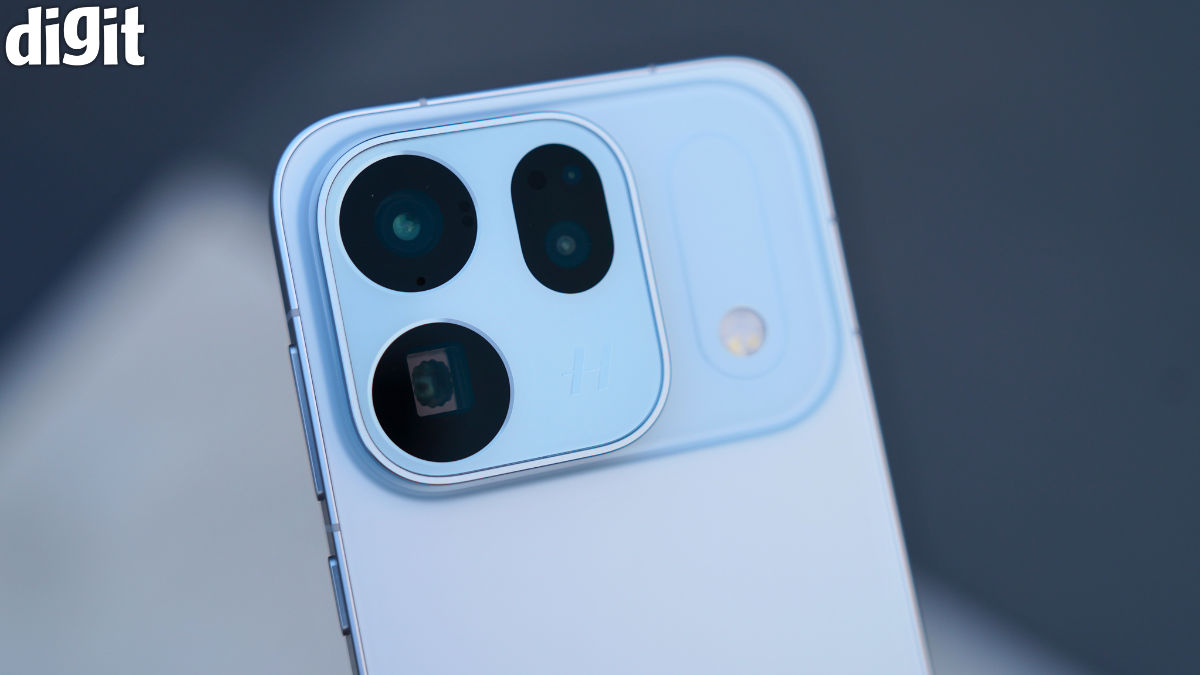
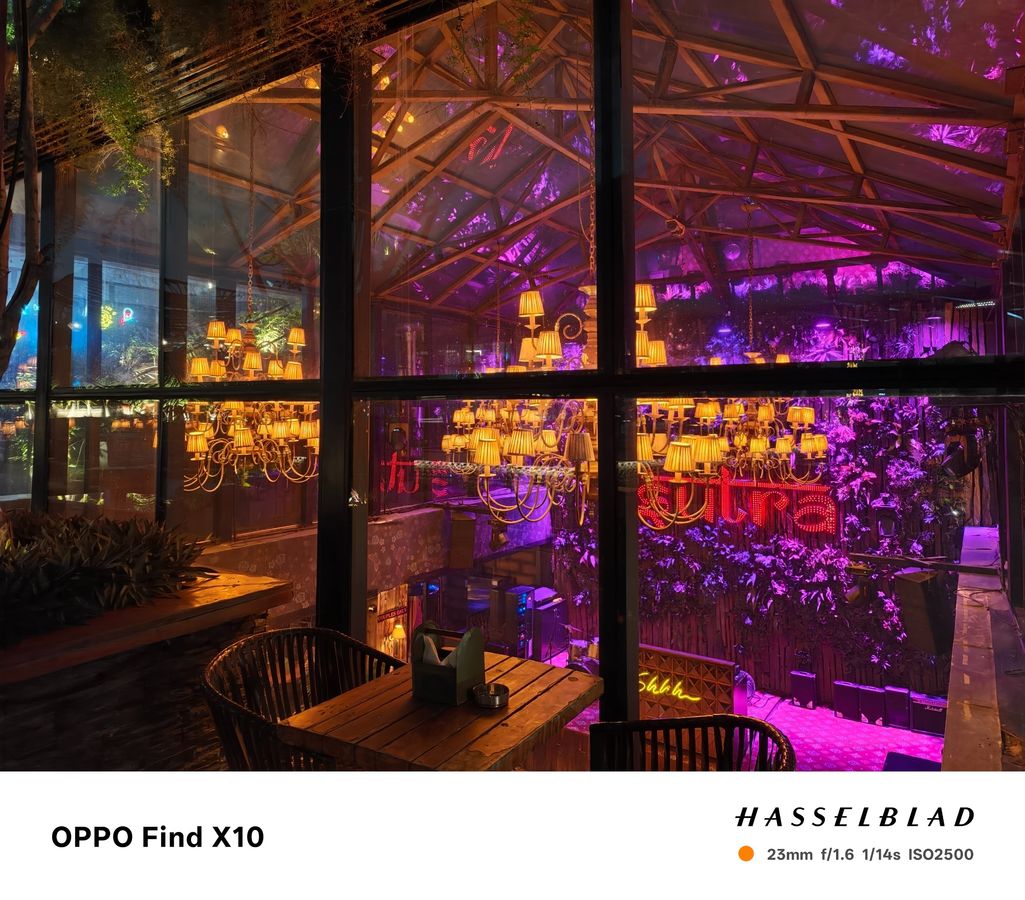
Starting with the primary camera, there's plenty of detail in photographs, particularly when shooting outdoors in good lighting. Textures in buildings, flowers, leaves and other objects are well preserved, and you can crop into images without losing too much detail. I also like how the camera handles colours. Photographs look vibrant and have good contrast, but the processing doesn't go overboard with saturation. The dynamic range is good too, with the camera managing bright skies and darker areas of a scene without losing too much information in either.


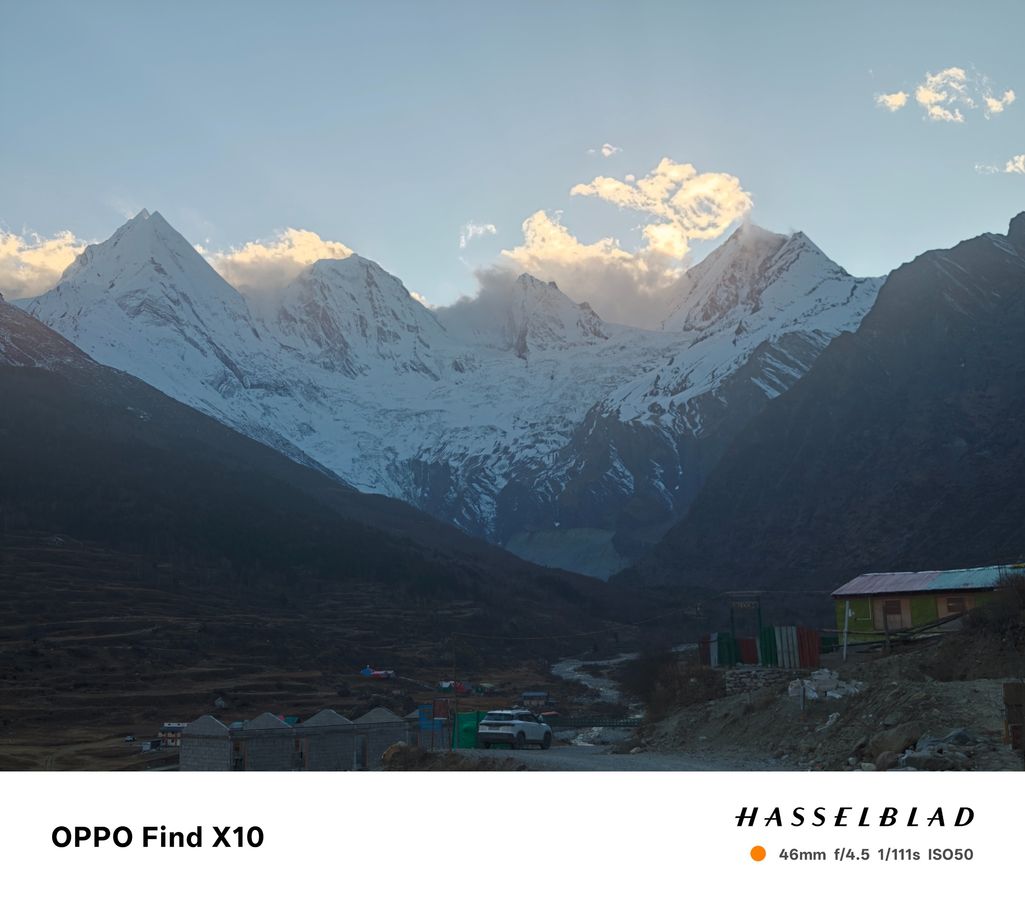
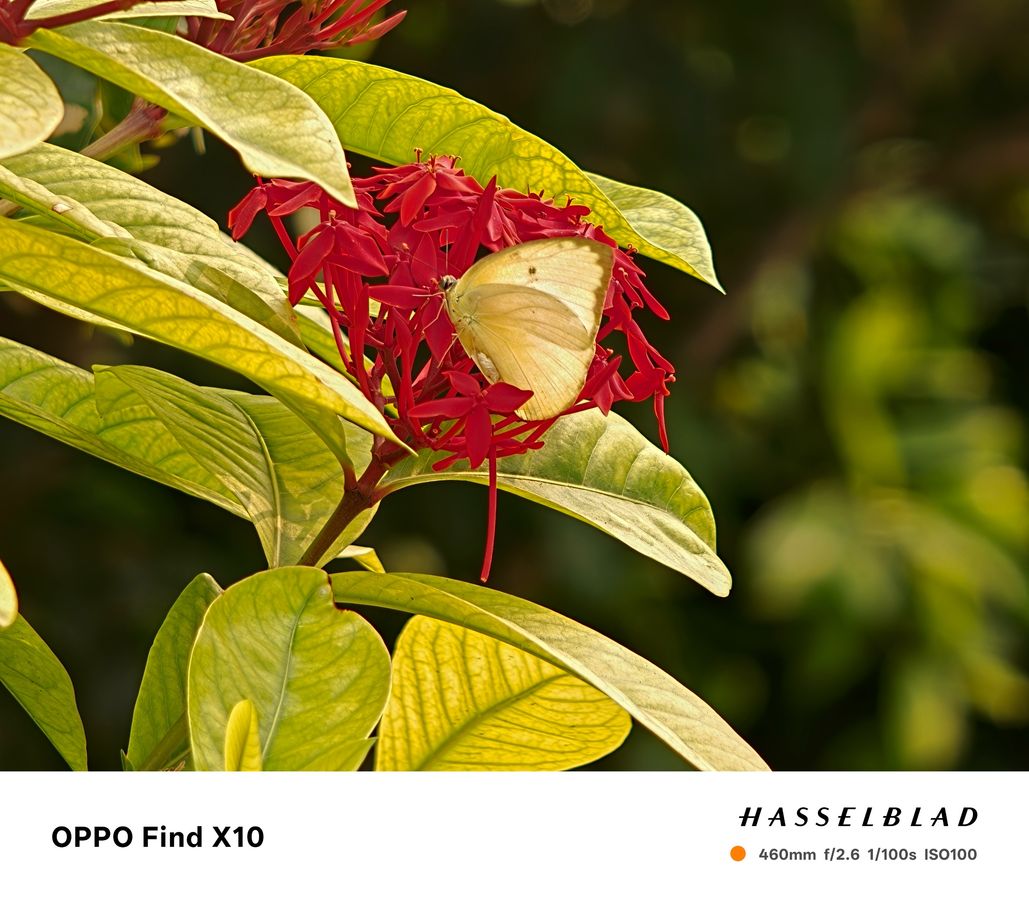
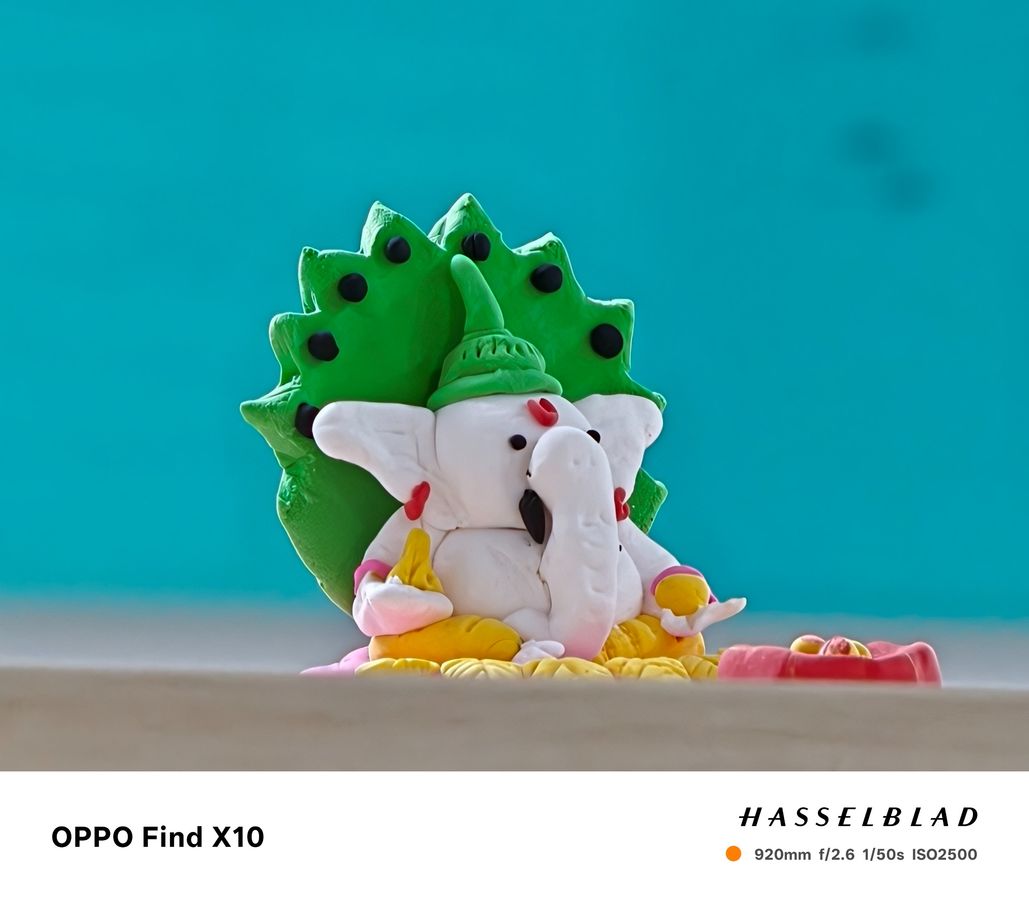
The telephoto camera is just as interesting, and having a dedicated 200MP sensor makes a difference when you want to get closer to a subject. The 2.8x optical zoom is a useful focal length for portraits, architecture and distant subjects. You get more flexibility when cropping photographs, thanks to the high-resolution sensor.

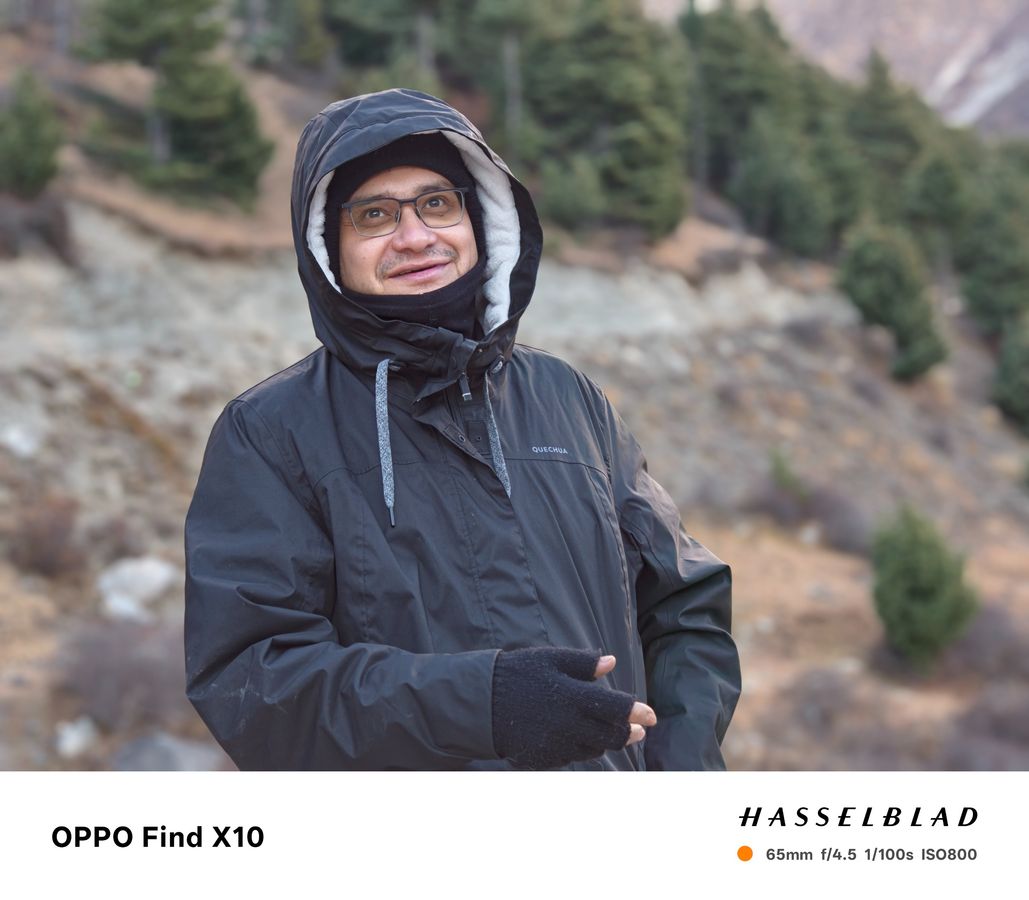
OPPO also uses the LUMO True Image Engine to manage highlights and shadows, rather than simply brightening everything in a photograph. I like this approach because retaining the contrast in a scene is just as important as capturing its finer details. The idea is to keep photographs looking closer to what you actually see, instead of making every frame appear overly bright or saturated.


OPPO's LUMO Hyper Pixel Engine works with both 200MP sensors to make the most of their resolution. It supports 8K Ultra-Clear Photos across five focal lengths: 0.6x, 1x, 2x, 2.8x and 5.6x. This gives you more freedom when framing a shot, especially when you want a tighter composition without physically moving closer to your subject.
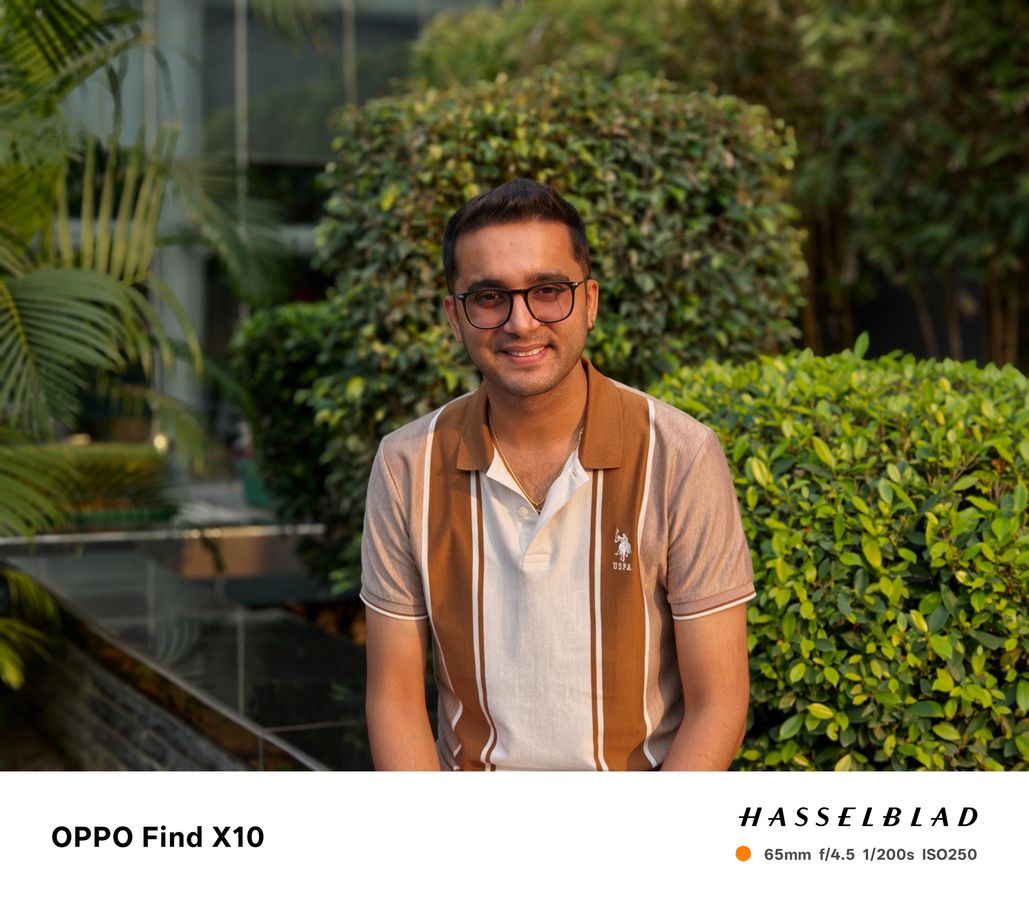
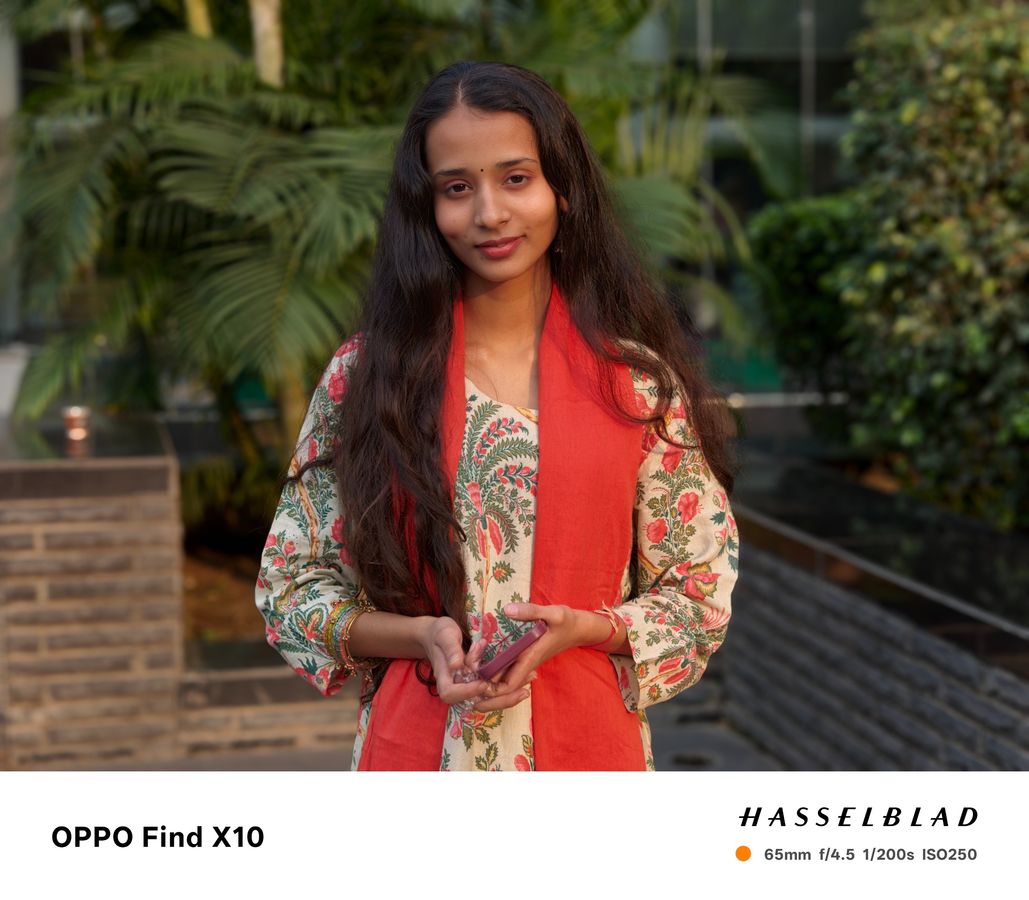
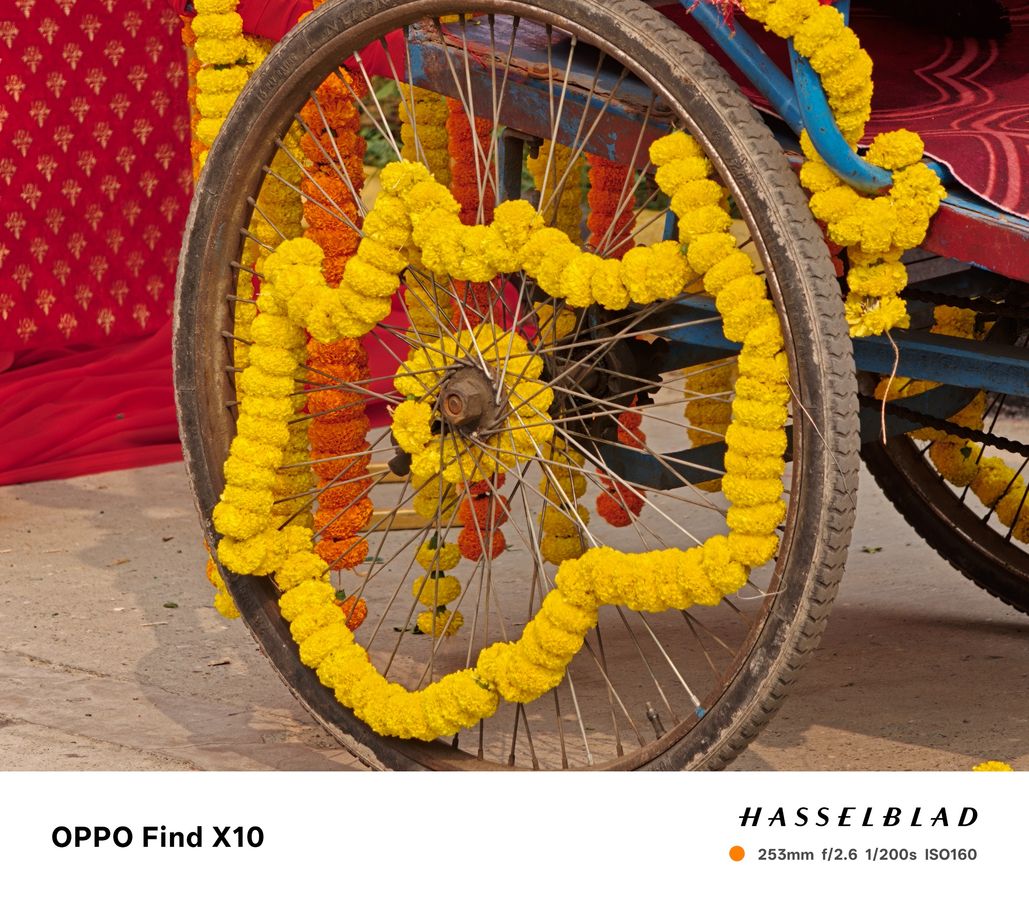

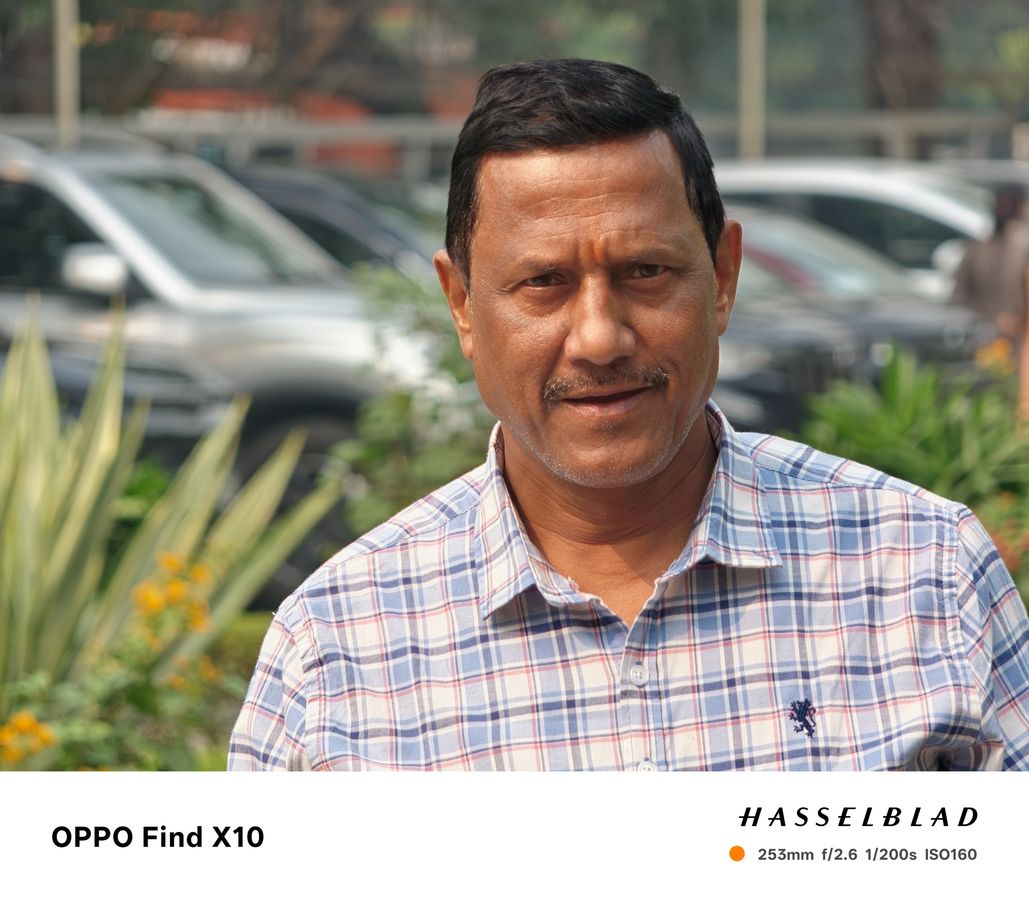
Finally, the OPPO Find X10 also captures Ultra-Clear 25MP photos across the entire 0.6x to 9.9x zoom range. This is a useful option if you want detailed photographs across different zoom levels without having to shoot in the full 200MP resolution every time. In practice, it also means you have more flexibility with framing and don't always have to settle for the default focal length.
LUMO and Hasselblad bring a different approach to image processing
Good camera hardware needs equally good image processing, and this is where OPPO's LUMO True Image Engine comes in. The idea is to get colours, skin tones and exposure right without making photographs look unnecessarily processed. An important part of this system is the True Color Camera, which captures colour information across 24 spectral channels and supports a claimed dynamic range of up to 15EV. This is designed to help the phone reproduce colours more accurately, particularly in tricky lighting conditions. Think indoor photographs under artificial lights or portraits where the subject is standing against a bright background. These are situations where smartphone cameras can sometimes struggle with exposure and skin tones; the Find X10 doesn’t.
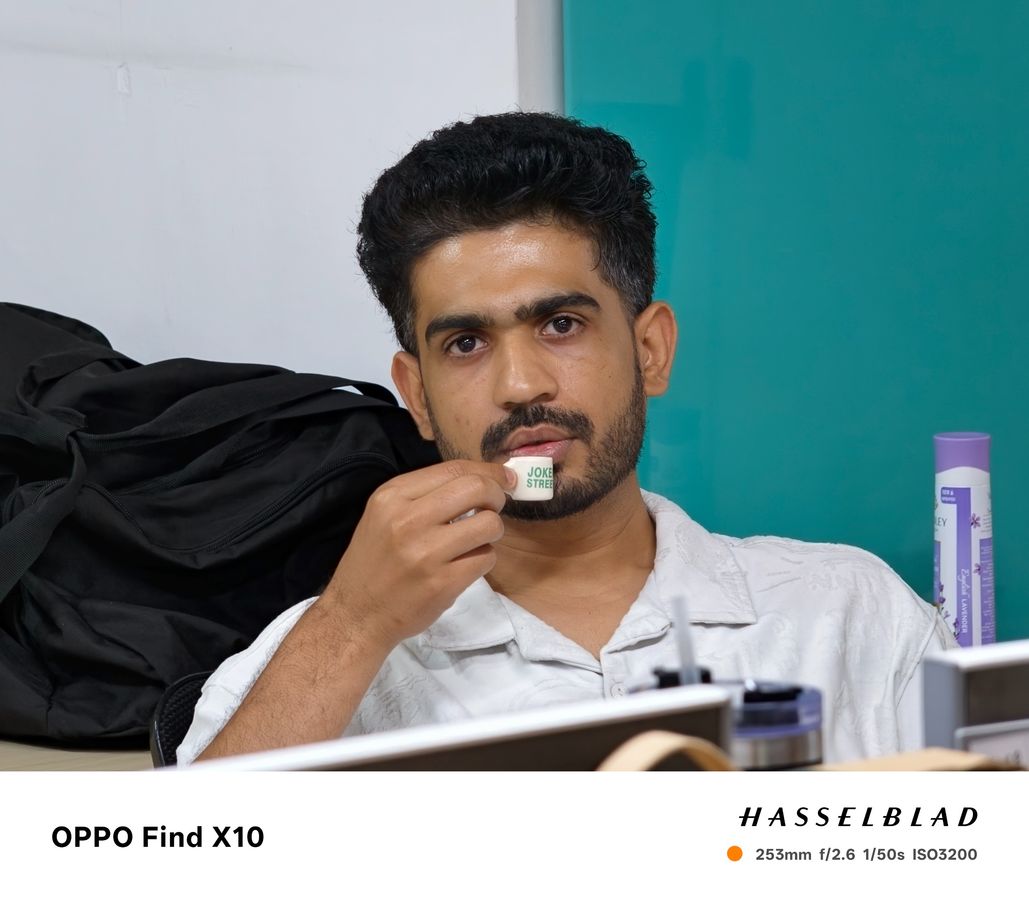
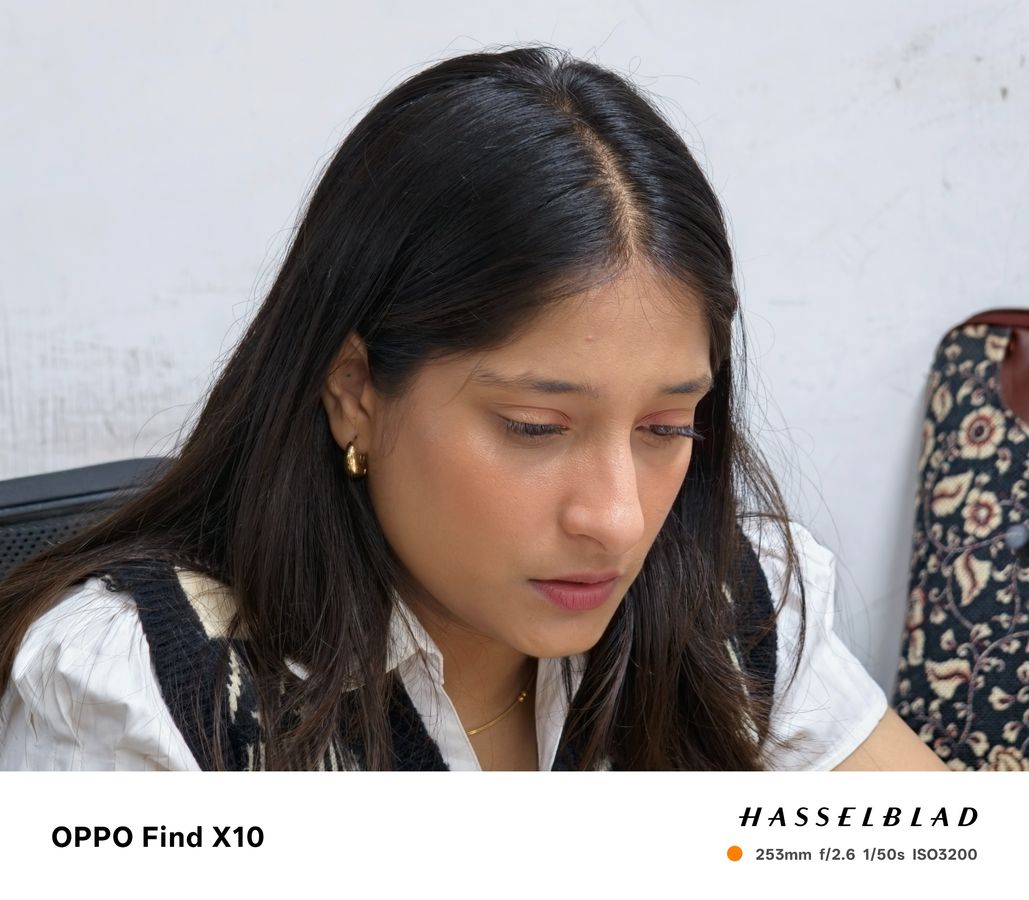
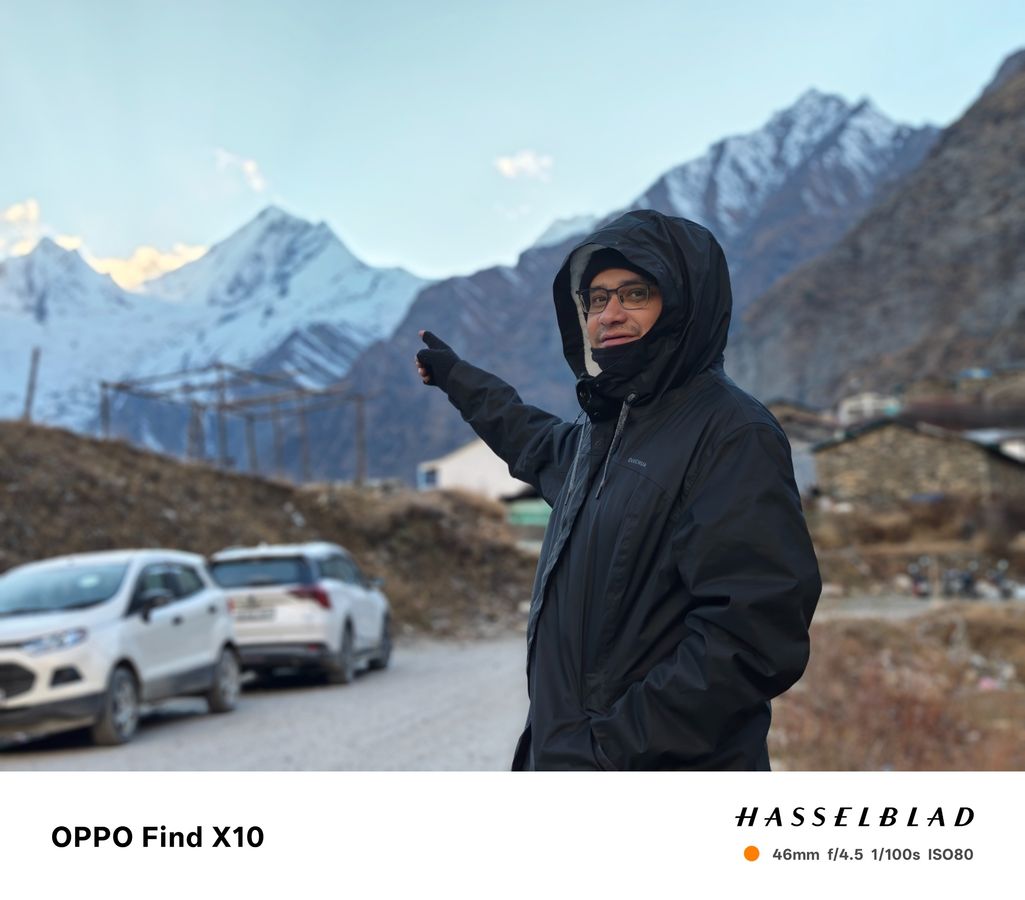
Then there's LUMO Color Palette, which offers 18 film-inspired looks. These give you some room to experiment with the colours and overall appearance of your photographs without having to rely on a separate editing application. I particularly like that OPPO has placed an emphasis on retaining natural-looking skin tones, since filters can often make portraits look a little too processed.

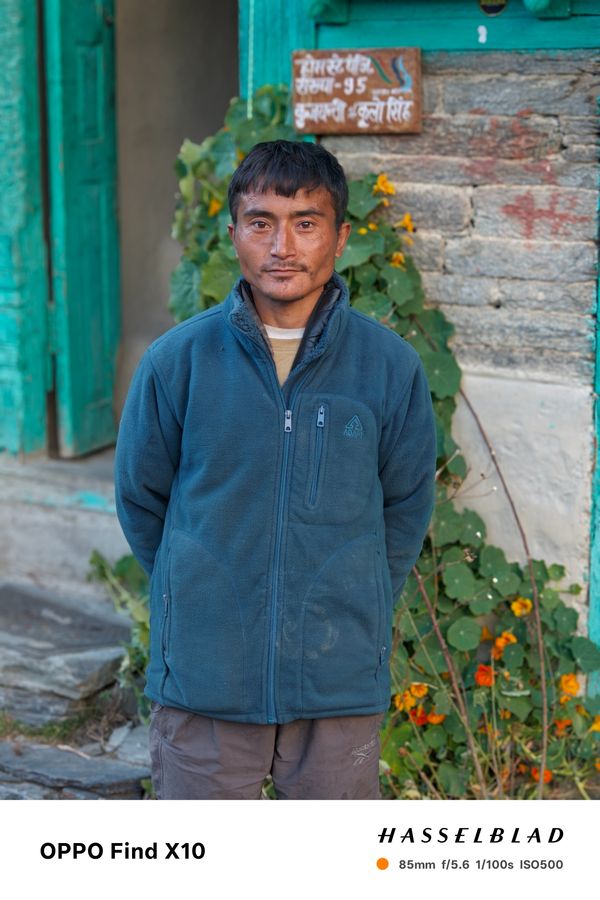
Hasselblad's involvement also brings some interesting features to the table. The OPPO Find X10 gets Hasselblad Portrait Mode, Master Mode and XPAN Mode. Master Mode gives you more control over how photographs are captured, while XPAN Mode recreates the distinctive wide aspect ratio associated with Hasselblad's panoramic photography heritage. I can see the latter appealing to people who enjoy shooting landscapes, architecture and street photography with a more cinematic look.
The ultra-wide camera and selfies
The 50MP Ultra-Wide Camera has a 15mm equivalent focal length, making it a useful addition for landscape photography, architecture and group shots. It also supports autofocus, giving you more flexibility when photographing subjects at closer distances. I like having this additional perspective when shooting wide landscapes or trying to fit more of a scene into the frame. The camera captures good detail in well-lit conditions, all while giving a wider field of view in the shots. The autofocus support also adds to its versatility, allowing you to explore different compositions without being restricted to conventional wide-angle photographs.
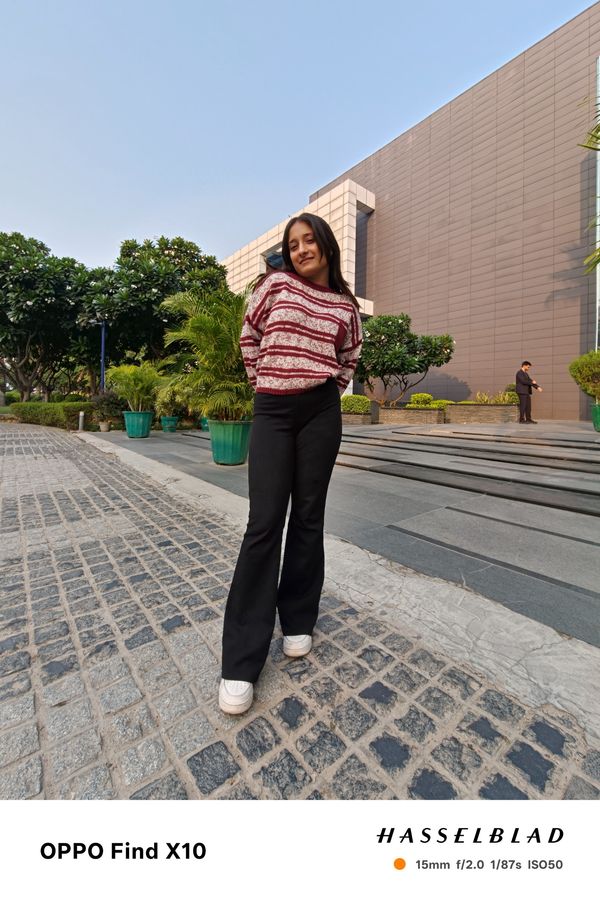
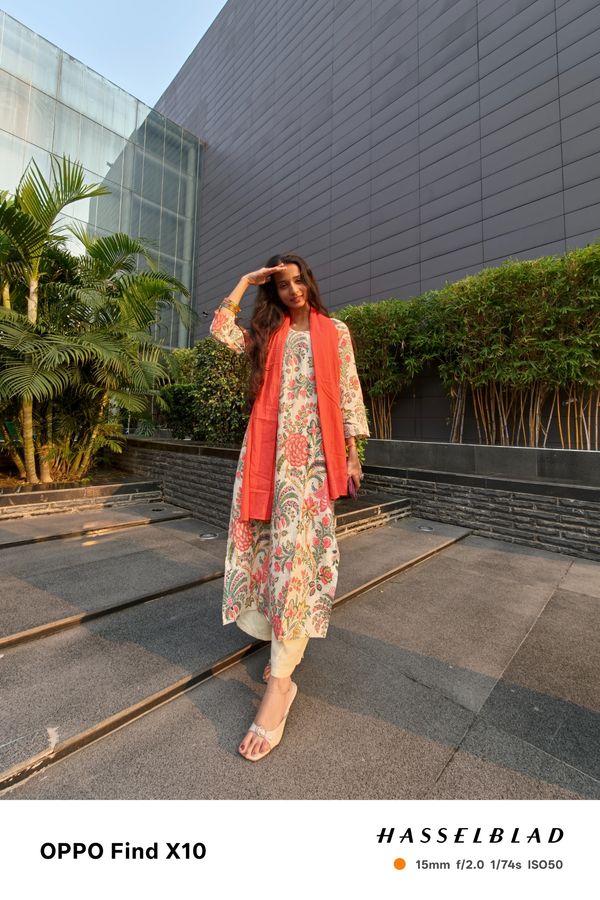
On the front, the OPPO Find X10 features a 50MP Luminous Selfie Camera with a 100-degree field of view and autofocus. The wider perspective is useful for group selfies, while autofocus helps keep faces sharp at different distances. Portraits also benefit from OPPO's image processing, with an emphasis on natural-looking skin tones and balanced exposure. You get plenty of room to experiment with framing, whether you're taking individual selfies or fitting a group of friends into the shot.


8K video recording and the OPPO Hasselblad Teleconverter Kit
The OPPO Find X10 also gives video creators plenty to work with. It can record videos in 8K at 30fps and 4K at up to 120fps on supported cameras. Dolby Vision recording is supported too, along with a set of professional video controls for those who want more control over their footage.
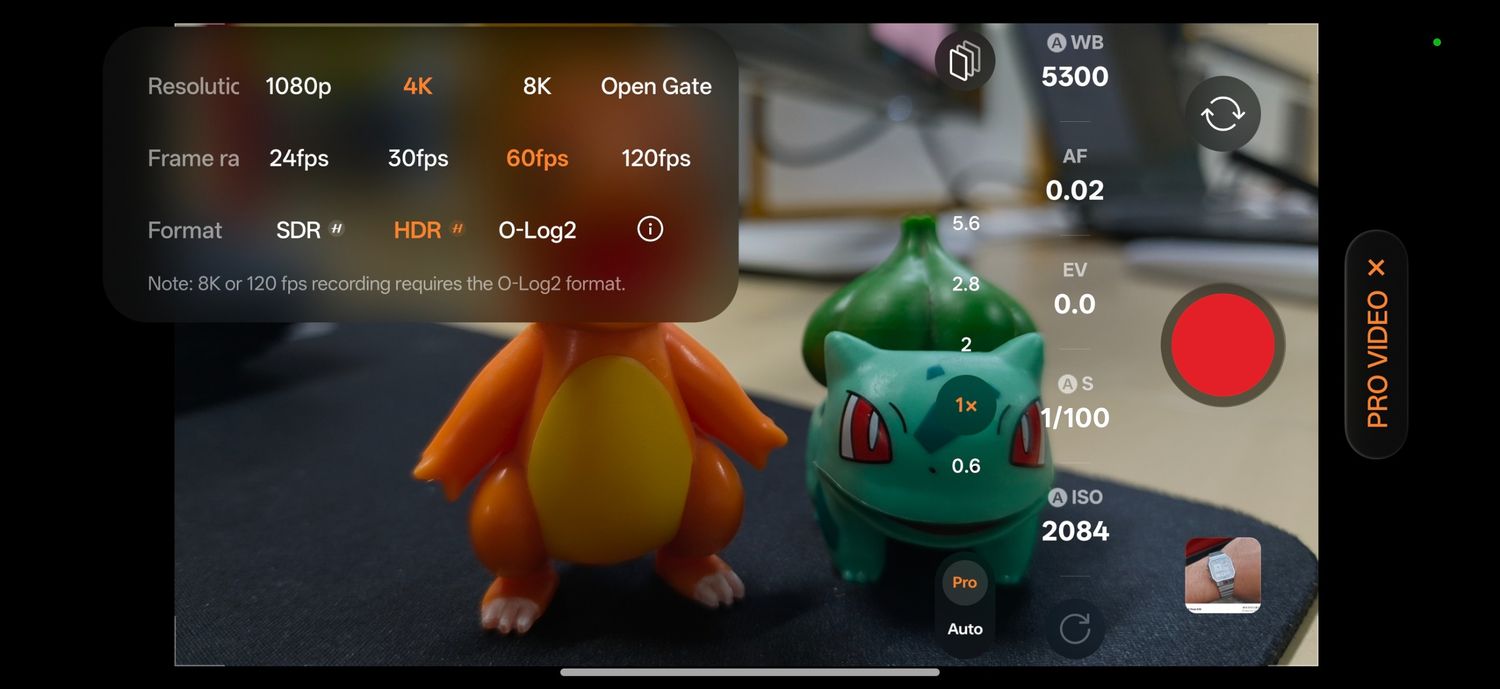
Open Gate Capture is another feature worth mentioning. It records using a wider portion of the camera sensor instead of sticking to a fixed aspect ratio. This gives you more room to crop and reframe the footage later, which comes in handy when creating videos for different platforms. You can shoot once and then prepare horizontal and vertical versions for YouTube and Instagram.
The optional OPPO Hasselblad Teleconverter Kit adds another layer to the camera setup. It offers 11x, 20x and 40x zoom for photos, as well as video recording at up to 4K 60fps. There's also a Stage Preset for shooting performers and events, while hybrid OIS and EIS help keep the footage steady when shooting at longer zoom levels.
The optional OPPO Hasselblad Teleconverter Kit adds another layer to the camera setup. It offers 11x, 20x and 40x zoom for photos, as well as video recording at up to 4K 60fps. There's also a Stage Preset for shooting performers and events, while hybrid OIS and EIS help keep the footage steady when shooting at longer zoom levels.
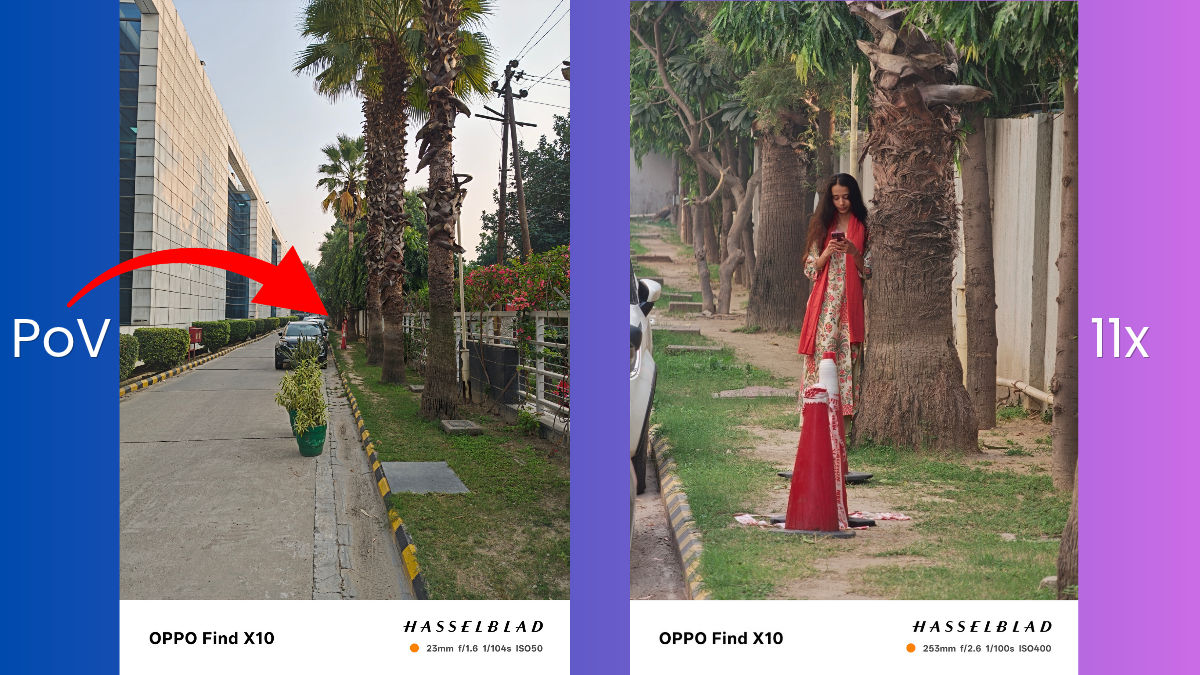
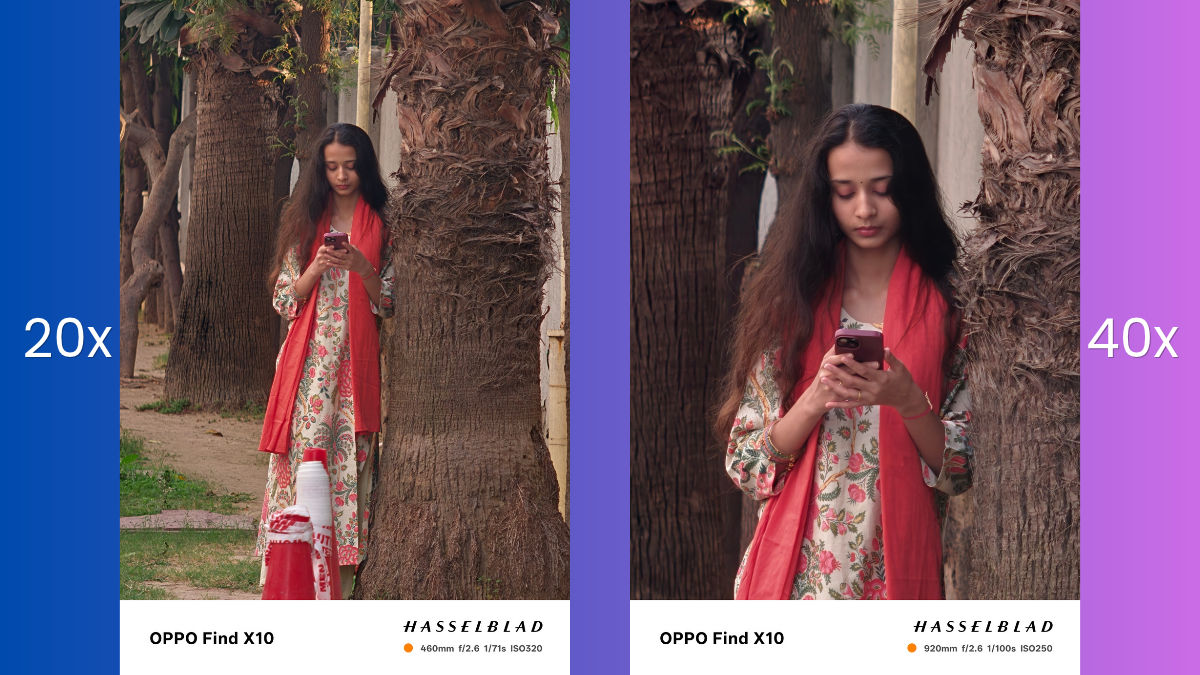
The kit is sold separately, but it gives photography enthusiasts another way to use the Find X10's camera system. If you often shoot concerts, sporting events or subjects from a distance, the extra reach could come in handy.
OPPO Find X10 camera verdict: A versatile photography package
The OPPO Find X10 has a camera system that gives you plenty of flexibility when shooting. The two 200MP sensors are the main attraction, with the primary camera capturing detailed photographs and the telephoto camera offering more freedom when zooming in on subjects. OPPO's LUMO True Image Engine and Hasselblad features add to the experience, giving you several ways to experiment with colours, composition and the final look of your shots.
There's more to explore beyond the cameras themselves. XPAN Mode, LUMO Color Palette, Open Gate Capture and the optional Hasselblad Teleconverter Kit add useful creative options for photography and video. The ultra-wide and selfie cameras round out the setup, making the Find X10 a capable option for different types of shooting.
But that's not all; there's plenty to like about the rest of the phone, too. The MediaTek Dimensity 9600M handles demanding apps and games with ease, while ColorOS 17 brings a polished software experience with useful customisation options and AI features such as AI Mind Pilot, AI Photo Agent and AI Mind Suggest. The 6.59-inch display strikes a good balance between screen space and everyday usability, and the Glacier Blue finish gives the phone a premium, understated look. Add 80W SUPERVOOC wired charging and 50W AIRVOOC wireless charging to the mix, and the Find X10 feels like a complete flagship rather than a phone built around just one standout feature.
The OPPO Find X10 is priced at Rs 1,39,999 for the 12GB RAM and 256GB storage variant, while the 12GB RAM and 512GB model costs Rs 1,69,999. The OPPO Hasselblad Teleconverter Kit is sold separately and is priced at Rs 24,999. Buyers can also get up to Rs 21,000 cashback when they order the Find X10, bringing down the effective purchase cost, subject to the applicable offer terms. The phone is available through the OPPO e-store, Amazon, Flipkart and mainline retail outlets.
Overall, the OPPO Find X10 is certainly a premium purchase. However, it brings together a capable camera system, an excellent display, flagship-level performance, a polished software experience and outstanding battery endurance. If these are the things you value most in a smartphone, the Find X10 deserves serious consideration.

Brand Story
Brand Story Brand stories are sponsored stories that are a part of an initiative to take the brands messaging to our readers.
View full profile