
Formula 1 simulators revolutionize racing precision, enabling remote testing, safety validation, and real-time performance tuning
Mercedes F1 uses TeamViewer-powered simulators to prepare drivers, test components, and master 2026 regulations
Simulators help F1 teams adapt setups, train rookies, and ensure car safety under cost-cap constraints
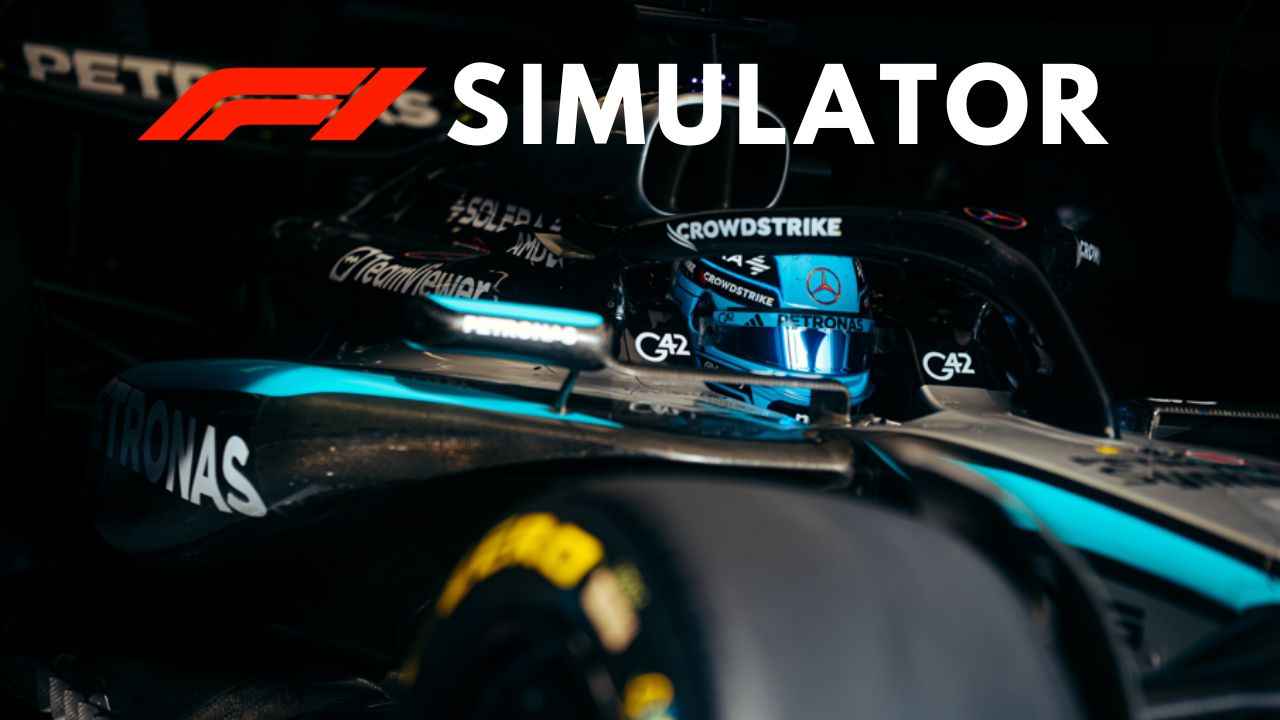
In Formula 1, where milliseconds separate victory from defeat, teams rely on advanced technology to push the boundaries of performance and safety. At the heart of this technological revolution lies the driver-in-the-loop simulator, a sophisticated tool that replicates the real-world dynamics of an F1 car with astonishing precision. These digital proving grounds allow teams to fine-tune car setups, test innovative designs, prepare drivers for new circuits, and gear up for major regulation changes, such as the 2026 engine overhaul. Beyond performance, simulators play a critical role in enhancing driver safety by enabling teams to stress-test components. Simulator technology, like the systems used by Mercedes-AMG Petronas with support from TeamViewer, is transforming how Formula 1 teams train, strategise, and stay competitive.
 Survey
The digital twin: Unlocking performance
F1 simulators are digital twins, mathematical models of the car built to comply with FIA regulations, mirroring every nuance of its behavior. “A simulator is a digital car that we’ve made to adhere to the FIA regulations,” explains Steven Riley, Head of IT Operations and Service Management at Mercedes-AMG Petronas Formula 1 Team. “That means that we need to make mathematical models and estimate how the car is going to behave in a digital world.”


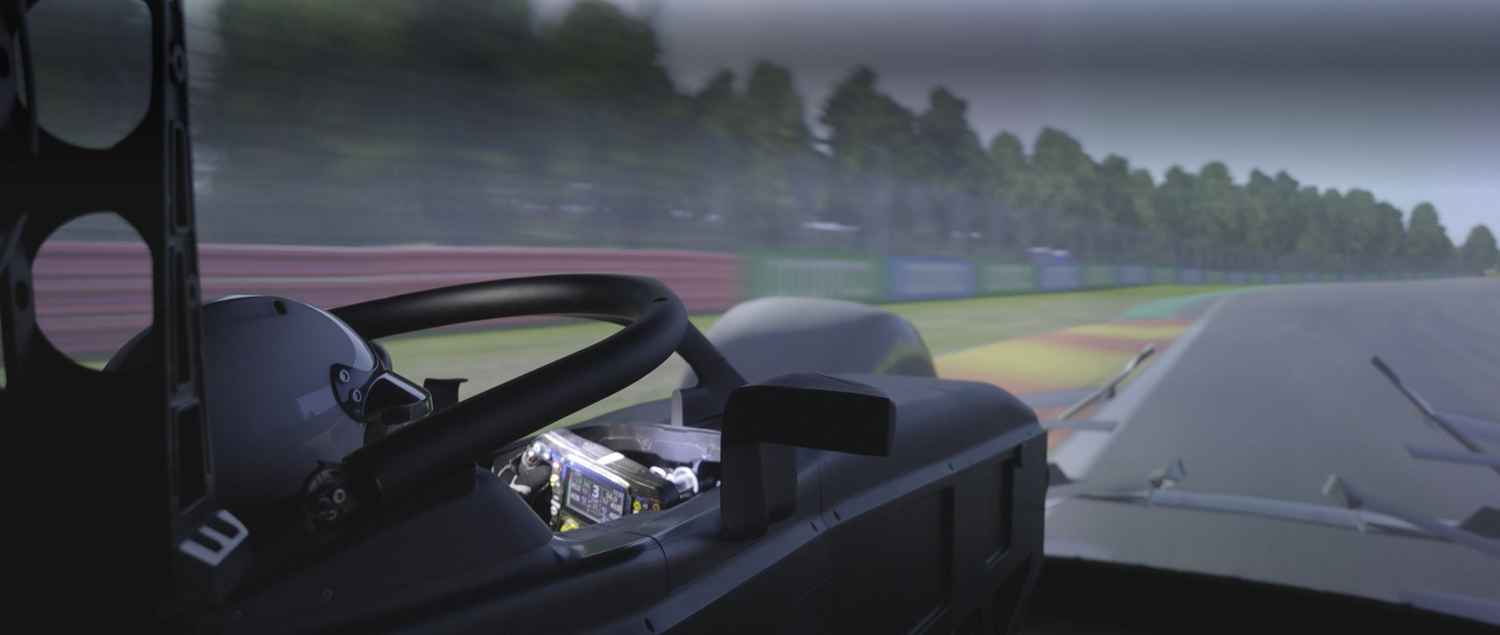
These virtual cars allow teams to experiment with setups and components risk-free. Engineers can test suspension settings, aerodynamic tweaks, or tire strategies to find the optimal configuration. “That allows us to test a lot of new parts. That allows us to test a lot of setup options before we get to the circuit to make sure that the car, as it arrives to the circuit on a Wednesday, perhaps before a race, will be as close to optimal setup as possible,” Riley notes.
Also read: AI can now race in F1 cars! Know everything about A2RL Race at Yas Marina Circuit
As teams prepare for the 2026 regulation shift, simulators are proving invaluable for remotely testing and refining early car concepts and aero packages. With tighter development windows due to the ongoing season, teams can use simulators to iterate on hybrid power units and sustainable fuel configurations, ensuring compliance with new rules while maintaining a competitive edge. This early testing is critical under the cost cap, where efficient resource allocation is paramount.
The simulator’s real-time data integration further amplifies its value. During a race weekend, data from Friday practice sessions is fed back into the simulator, allowing engineers to refine setups overnight for qualifying and the race. This process is vital especially during sprint weekends, where practice time is limited to a single hour. By simulating track conditions, weather variations, and resurfaced circuits, teams can adapt swiftly, maximizing performance.
TeamViewer supports this process at Mercedes by enabling seamless remote access to simulator data. “TeamViewer helps us in several ways in the simulator specifically,” Riley says. “We use TeamViewer not only to support all of the PC hardware that runs the simulator, but also to remotely access all of the data that is coming from the simulator.” This connectivity allows performance engineers across the factory to collaborate in real time, driving on-track success.
Familiarizing drivers with uncharted tracks
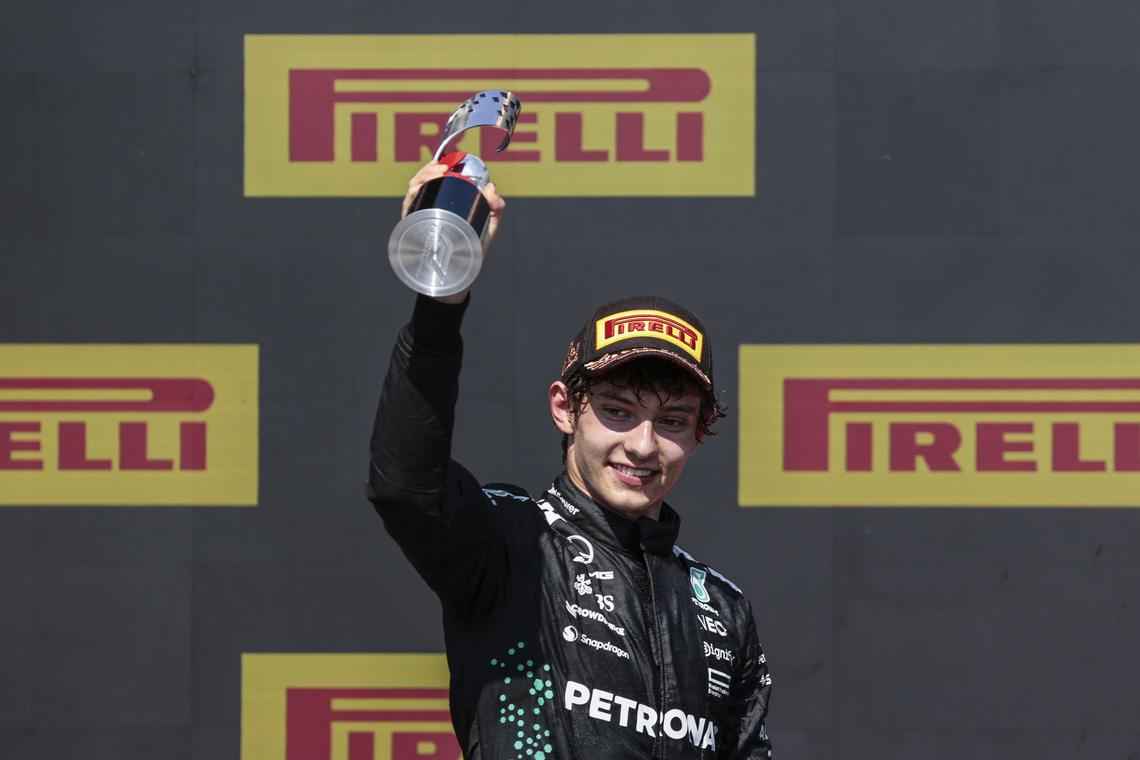
Simulators are a lifeline for drivers, especially when tackling new or unfamiliar circuits like the Las Vegas Grand Prix or the returning Chinese Grand Prix. “Having the chance to drive it before we get there in reality is really key to the driver’s performance,” Riley emphasizes. For a rookie like Andrea Kimi Antonelli, new to Mercedes and certain tracks in 2025, this preparation is essential for hitting the ground running.
Also read: McDonald’s AI hiring bot leaks millions of job seeker’s details: Here’s what happened
Using advanced hardware like multi-axis rigs, simulators replicate the physical sensations of driving an F1 car, from g-forces to steering feedback. This immersive experience builds muscle memory and confidence, reducing the learning curve at the circuit. Drivers can push limits without risking costly crashes, ensuring they’re ready to extract maximum performance.
Enhancing driver safety
Simulators are a cornerstone of driver safety in a sport where speeds exceed 300 kmph. They allow teams to test components under extreme conditions, ensuring reliability. “We have a seven-axis rig that we do that with, and that will be moving all of the suspension components. That will be putting the chassis under the stresses that it sees,” Riley explains. “So what we know is once we’ve tested things in our T3D space here, we know that not only each component, but actually the car as a whole will be safe for the driver to drive out on track.”
This rigorous testing, supported by technologies like TeamViewer for remote monitoring of test rigs, ensures components meet F1’s stringent safety standards. By simulating real-world stresses, teams can identify potential failures before they occur on track, reducing accident risks.
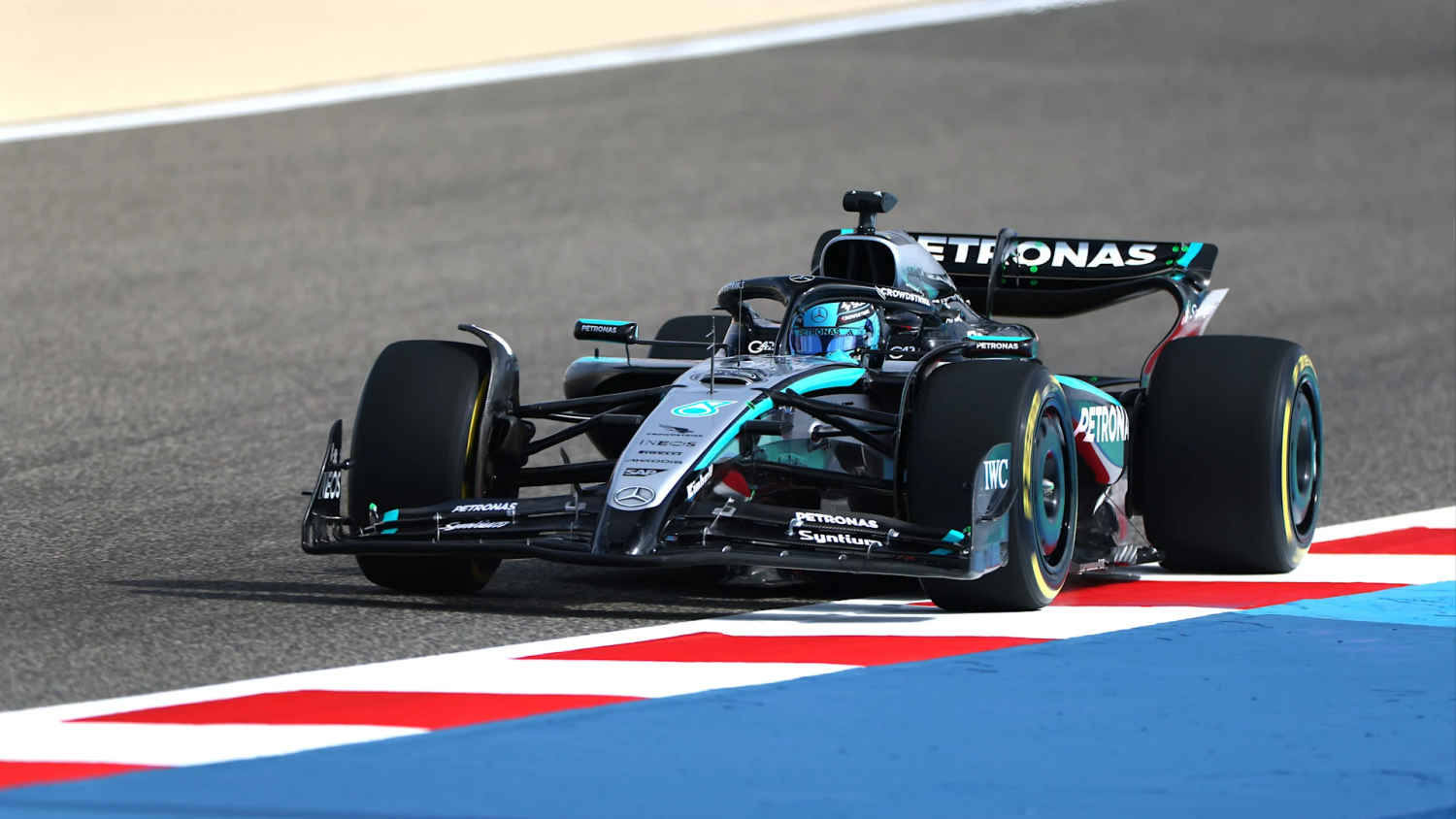
Simulators also enhance safety by helping drivers master tracks. Familiarity with a circuit’s nuances – blind corners, elevation changes, or tricky braking zones – minimizes errors. “Simulation is one of the elements that goes into ensuring we keep our drivers safe,” Riley notes. “Clearly knowing a track well will ensure the drivers can drive it in a safer manner while still extracting as much performance as they can do.” Combined with innovations like the halo, simulator-driven testing has made F1 safer than ever.
The role of collaboration and technology
F1 simulators demand robust technological support. At Mercedes, TeamViewer’s remote access capabilities enable engineers to troubleshoot and access data in real time, whether at the factory in Brackley or trackside across the world in Singapore. “Time is everything for us, and whether that’s an engineer at the track or an IT resource back here in the factory, making sure they can access all of the data in real time that they need to do their job is critical,” Riley says.
TeamViewer’s augmented reality (AR) applications further enhance testing efficiency. “We’re using some of the AR augmented reality technology to look at components that have been designed in CAD and look at how they will actually be positioned in our test rigs to ensure that the tests are carried out as efficiently as possible,” Riley adds. This integration exemplifies how F1 teams leverage cutting-edge tools to stay ahead.
With the 2026 regulations looming, simulators are critical for testing new hybrid power units and sustainable fuels. Remote testing capabilities allow teams to refine concepts early, balancing development with the demands of the current season. This forward-thinking approach ensures teams remain competitive while adhering to the cost cap.
Simulators are the backbone of F1’s technological arms race, enabling teams to optimize setups, prepare drivers, and ensure safety. For Mercedes, partnerships with companies like TeamViewer amplify these capabilities, ensuring every millisecond is chased with precision. In a sport where a hundredth of a second can define a championship, simulators are the unsung heroes driving F1 forward.
Also read: NVIDIA becomes first company ever to hit $4 trillion mark, spurred by AI
 Follow Us
Vyom Ramani
A journalist with a soft spot for tech, games, and things that go beep. While waiting for a delayed metro or rebooting his brain, you’ll find him solving Rubik’s Cubes, bingeing F1, or hunting for the next great snack. View Full Profile


