Intel cancels fab projects in Germany and Poland as part of global restructuring.
Workforce reduced by 15%, with headcount expected to settle at around 75,000.
Despite a $2.9B loss, Intel beats Wall Street estimates in Q2 2025 earnings.
Intel has reported its second-quarter financial results for 2025, revealing a period of dramatic internal change, flat topline growth, and persistent bottom-line pressure as it navigates both cyclical headwinds and its multiyear transformation into an AI and foundry-first company. The company posted USD 12.9 billion in revenue for the quarter, unchanged from the same period last year. But it was the profitability metrics that grabbed attention: a net loss of USD 2.9 billion and a GAAP loss per share of USD (0.67), weighed down heavily by nearly USD 2.9 billion in restructuring, impairment, and one-off charges.
 Survey
Restructuring bites hard
Intel’s ongoing strategic overhaul, now well into its second year, showed up most visibly in its GAAP figures. The company took a USD 1.9 billion hit in restructuring costs alone, part of a broader initiative to streamline its global footprint and reallocate resources toward higher-margin and AI-driven opportunities.


A further USD 800 million in impairment and accelerated depreciation charges, along with USD 200 million in one-time expenses, pushed GAAP gross margins down to 27.5% (a year-over-year drop of nearly 8 percentage points). Non-GAAP gross margins also fell to 29.7%, underlining the difficulty of maintaining profitability while shifting operational gears.
15% workforce reduction nearly complete
Perhaps the most striking operational change is the headcount reduction. Intel confirmed it has completed most of its planned workforce cuts, reducing its core team by roughly 15%. This brings the total projected employee count to about 75,000 by year-end. The goal, according to Intel, is to improve efficiency and focus on high-growth segments.
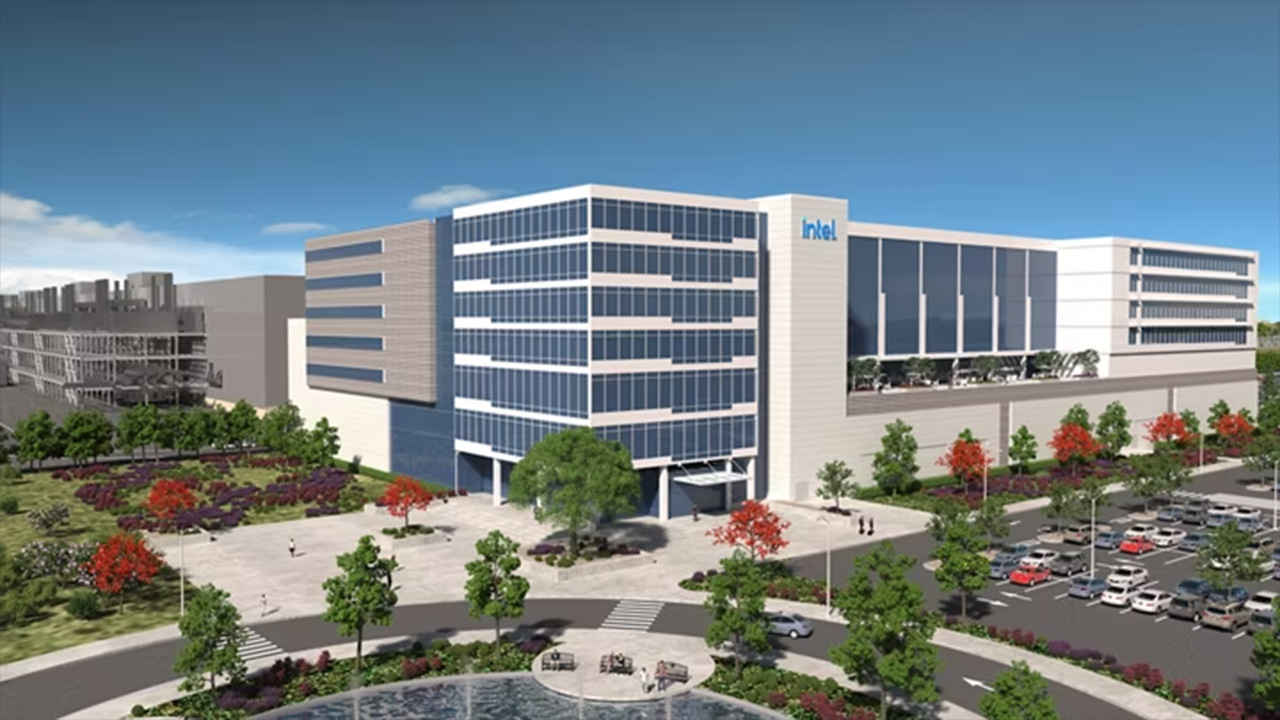
These reductions come in tandem with site consolidations and facility rollbacks. Intel announced the cancellation of some planned fab projects in Germany and Poland, along with the consolidation of assembly and test operations from Costa Rica to Vietnam and Malaysia. Meanwhile, construction at the company’s new fab site in Ohio has been deliberately slowed to better match evolving demand forecasts.
Read: Intel’s India vision: From AI acceleration to enabling electronics manufacturing for the world
Segment-by-segment performance: mixed results
Looking closer at Intel’s business units, the performance was uneven. The Client Computing Group (CCG), which includes consumer and enterprise PC chips, generated USD 7.9 billion in revenue which is down 3% year-over-year, a modest dip considering continued weakness in the global PC market.
On the other hand, the Data Center and AI (DCAI) group saw a 4% bump in revenue to USD 3.9 billion, reflecting growing traction in AI workloads. Intel Foundry Services, a cornerstone of Intel’s IDM 2.0 strategy, delivered USD 4.4 billion in revenue, a 3% increase year-over-year, as the company continues to position itself as a key rival to TSMC and Samsung in advanced node manufacturing. In total, Intel Products revenue was USD 11.8 billion, just 1% lower than the same quarter last year.
Spending outlook, Q3 guidance, and capital discipline
Intel’s cost management approach continues to be assertive. The company is targeting non-GAAP operating expenses of USD 17 billion for the full year, with capital expenditure guidance holding at USD 18 billion. Both figures highlight Intel’s balancing act: investing in future nodes, fabs, and products while keeping current expenses in check.
Looking ahead, Q3 2025 revenue is projected to fall between USD 12.6 billion and USD 13.6 billion. Profitability, however, is expected to remain muted. Intel forecasts a Q3 GAAP loss per share of USD (0.24), with non-GAAP EPS expected to just break even.
AI and next-gen silicon take centre stage
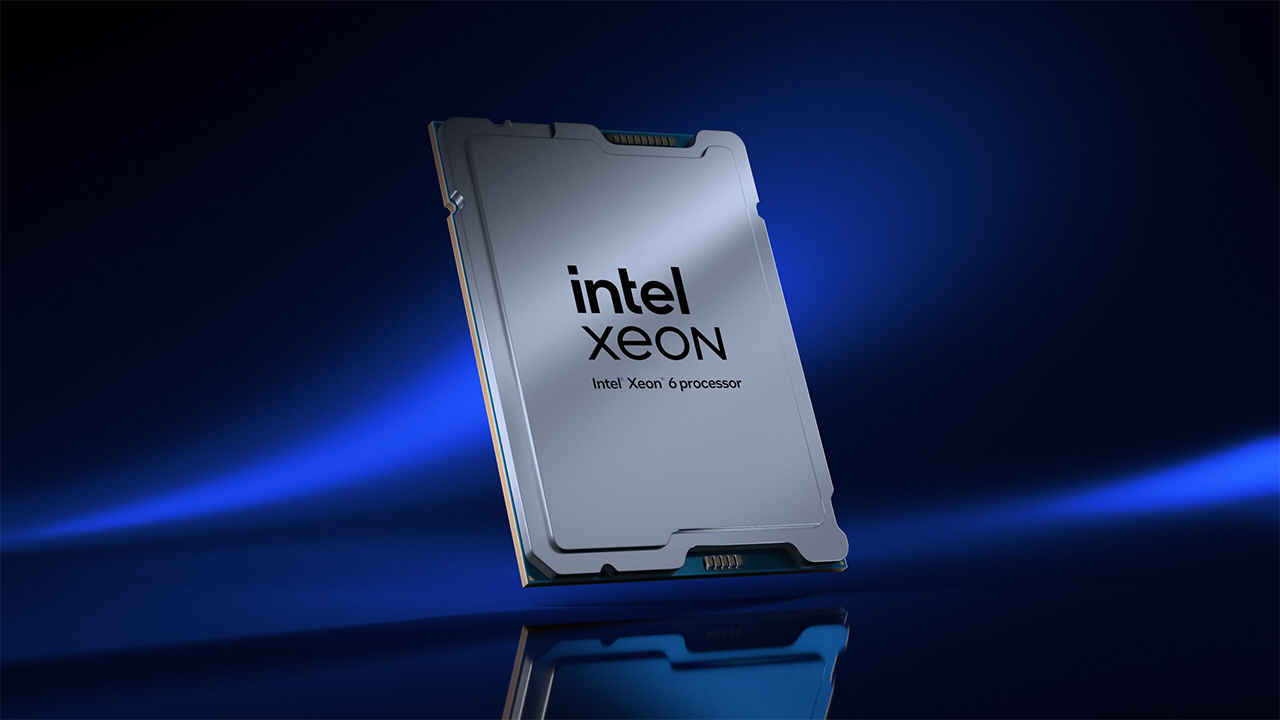
Despite the financial strain, Intel’s product roadmap remains ambitious. The company launched three new Xeon 6 processors during the quarter, including the Xeon 6776P, which will power some of NVIDIA’s latest AI platforms. This is a noteworthy partnership, indicating growing synergy between Intel’s data centre silicon and leading AI accelerators.
Intel also reiterated that its next-generation Panther Lake processors are on track to ship in late 2025. These will be based on the 18A process node, for which production wafers have already started rolling out of its Arizona facilities, a key milestone for Intel’s internal foundry model. As part of its ongoing asset monetisation efforts, Intel sold 57.5 million shares of Mobileye, raising USD 922 million. It still retains majority control of the company.
A critical turning point
Q2 2025 marked a pivotal moment in Intel’s transformation story. While headline revenue remains stagnant and losses persist, the underlying shifts including headcount reductions, site consolidations, and forward-looking silicon launches does suggest a company intent on reshaping itself for the next decade.
The AI opportunity is clearly in Intel’s sights, even if the path there is proving financially painful. Whether these moves will restore long-term profitability and competitive momentum remains to be seen, but the company’s bets are firmly placed. Intel, once the undisputed king of silicon, is now in the midst of its most consequential reinvention to date.
Read: Intel’s Nova Lake-HX leak reveals gaming laptop revolution coming in 2026
 Follow Us
Mithun Mohandas
Mithun Mohandas is an Indian technology journalist with 14 years of experience covering consumer technology. He is currently employed at Digit in the capacity of a Managing Editor. Mithun has a background in Computer Engineering and was an active member of the IEEE during his college days. He has a penchant for digging deep into unravelling what makes a device tick. If there's a transistor in it, Mithun's probably going to rip it apart till he finds it. At Digit, he covers processors, graphics cards, storage media, displays and networking devices aside from anything developer related. As an avid PC gamer, he prefers RTS and FPS titles, and can be quite competitive in a race to the finish line. He only gets consoles for the exclusives. He can be seen playing Valorant, World of Tanks, HITMAN and the occasional Age of Empires or being the voice behind hundreds of Digit videos. View Full Profile


