Google plans to merge Android and ChromeOS, aiming to rival Apple’s ecosystem with unified features.
The new OS will be Android-based, focusing on smooth cross-device transitions rather than a complete rebuild.
Unified OS promises AI-driven productivity, but risks ChromeOS’s simplicity and performance on budget devices.
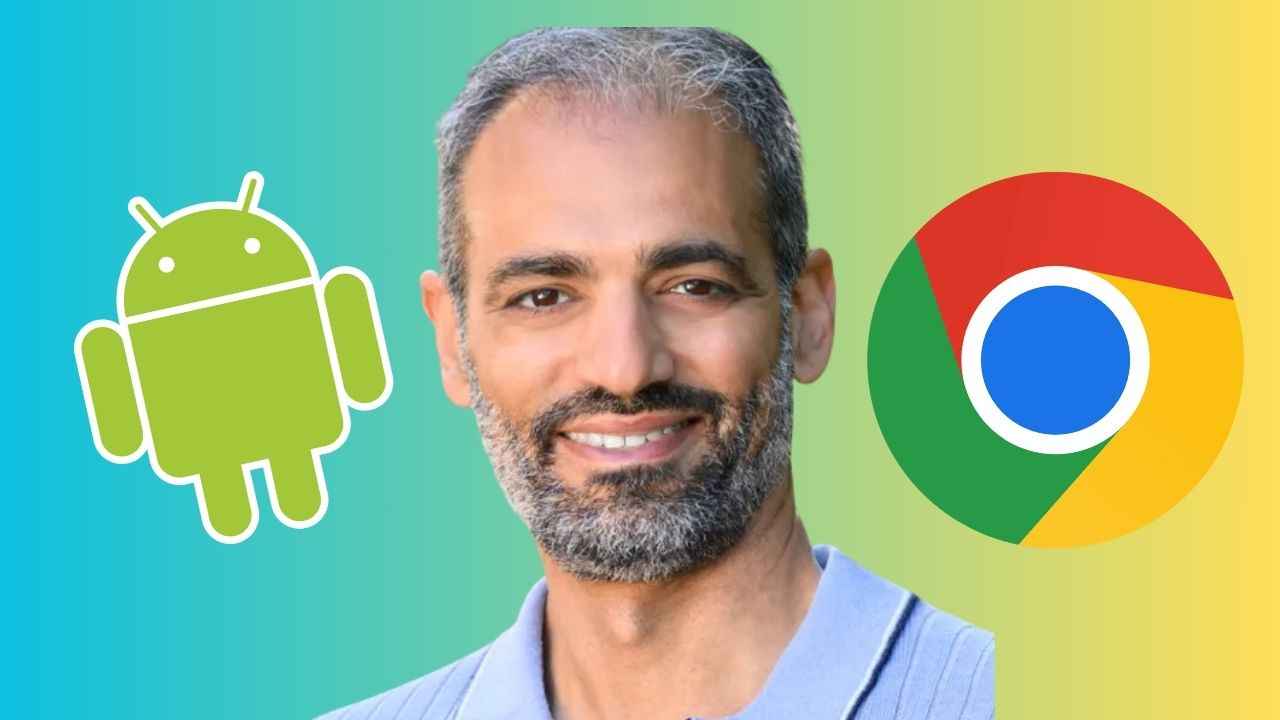
Google’s bold plan to merge ChromeOS and Android into a single operating system has sparked debate about its potential to reshape the tech landscape and challenge Apple’s ecosystem. Announced in late 2024, the merger aims to unify Android’s vast app ecosystem with ChromeOS’s lightweight productivity features, creating a versatile platform for phones, tablets, and laptops. In an interview with TechRadar, Sameer Samat, President of the Android Ecosystem, said, “We’re going to be combining ChromeOS and Android into a single platform, and I am very interested in how people are using their laptops these days and what they’re getting done.” But with ChromeOS’s hallmark simplicity at risk of being overshadowed by Android’s complexity, is this merger a good idea? Let’s explore the benefits, trade-offs, and challenges.
 Survey
Also read: Google confirms to merge Android and ChromeOS in future: Here’s what we know


A unified platform to rival Apple
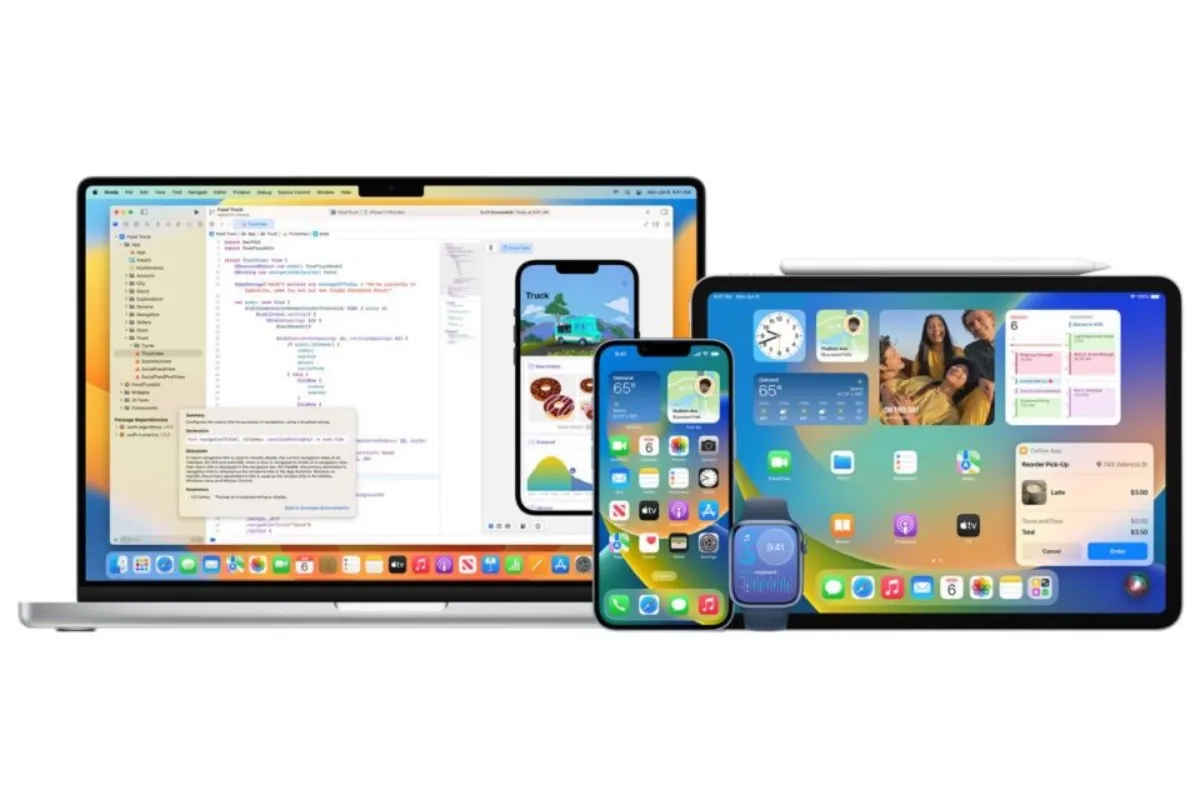
The primary motivation for the merger is to create a cohesive ecosystem that rivals Apple’s seamless integration across iOS, iPadOS, and macOS. Android powers over 3 billion devices, while ChromeOS dominates the U.S. education sector with a 60% share of device shipments. Combining them could enable features like app streaming, unified notifications, and cross-device AI powered by Google’s Gemini, which Samat showcased for its context-aware capabilities. This could close the gap with Apple, whose ecosystem benefits from features like Continuity and a robust App Store. By merging Android’s touch-optimized apps with ChromeOS’s desktop strengths, such as multi-window multitasking and keyboard shortcuts. Google could challenge Apple’s 55% tablet market share and make inroads into premium laptops with devices like the rumored Pixel Laptop.
Samat emphasized Android’s forward-looking vision, stating, “I think you see the future first on Android.” Features like Android 16’s Material 3 Expressive design and desktop mode, with external display support, signal Google’s intent to blend mobile and desktop experiences. A unified OS could incentivize developers to optimize apps for larger screens, addressing Android’s tablet app gap compared to iPadOS.
The promise of AI and productivity
Google’s AI advancements give it an edge over Apple’s slower AI rollout. Samat highlighted Gemini’s integration, such as screen-sharing and real-time assistance, which could extend seamlessly across devices in a merged OS. This consistency could attract users seeking cutting-edge technology, positioning Google as a leader in AI-driven computing. For productivity, combining ChromeOS’s browser-centric efficiency with Android’s app ecosystem could create a versatile platform for both work and entertainment, appealing to professionals and students alike.
ChromeOS’s strength lies in its lightweight design, booting in seconds on low-spec hardware (e.g., 4GB RAM Chromebooks) and offering 10-year updates and robust security through sandboxing and verified boot. Android, however, is resource-intensive, with shorter update cycles (3-5 years) and variable performance across devices. Merging the two risks bloating the OS, potentially slowing down budget Chromebooks and eroding their affordability (many retail under $300). As one X user noted, Android apps on ChromeOS already perform poorly compared to phones, raising concerns that a full merger could exacerbate this.
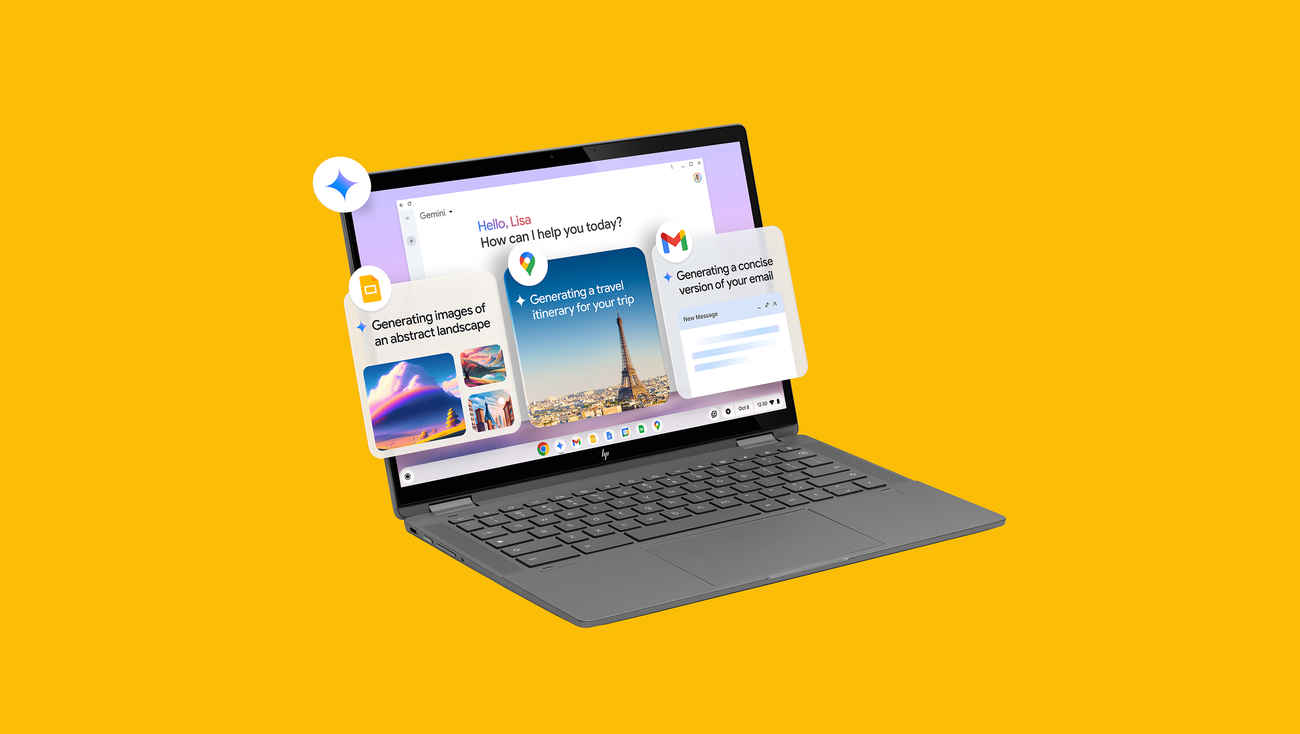
Samat’s interview didn’t address how Google will preserve ChromeOS’s simplicity, leaving uncertainty about performance on older x86-based Chromebooks, as Android is optimized for Arm processors. This could render existing devices obsolete or degrade their experience, alienating ChromeOS’s 50 million+ education users. The merger also risks creating a hybrid OS that feels clunky, neither as lightweight as ChromeOS nor as app-rich as Android. A stretched mobile interface that sacrifices ChromeOS’s minimalist appeal is a rather unpleasant possibility.
Challenges and skepticism
Google’s history of abandoning projects like Fuchsia fuels doubts about its commitment, as does the lack of a clear timeline in Samat’s comments. The U.S. Department of Justice’s antitrust scrutiny, which questions Google’s control over app distribution, could further complicate the merger. Ensuring compatibility across diverse hardware and maintaining ChromeOS’s long update cycles and security will be critical to avoid alienating enterprise and education users.
Google’s plan to merge ChromeOS and Android is a good idea in theory, offering a unified, AI-driven platform to rival Apple’s ecosystem. As Samat said, the focus on user needs and innovation suggests ambition, but the trade-offs are significant. Adding Android’s complexity risks compromising ChromeOS’s lightweight appeal, potentially alienating its core user base. Success hinges on Google’s ability to balance these elements, perhaps by offering a “lite” mode for budget devices while delivering a robust experience on premium hardware. Without careful execution, the merger could fall short, but if done right, it could redefine Google’s place in consumer tech.
Also read: Google’s new Gemini AI model can run robots locally without internet, here’s how
 Follow Us
Vyom Ramani
A journalist with a soft spot for tech, games, and things that go beep. While waiting for a delayed metro or rebooting his brain, you’ll find him solving Rubik’s Cubes, bingeing F1, or hunting for the next great snack. View Full Profile


