
Onimusha: Way of the Sword review: Sharp combat, uneven pacing
 Follow Us
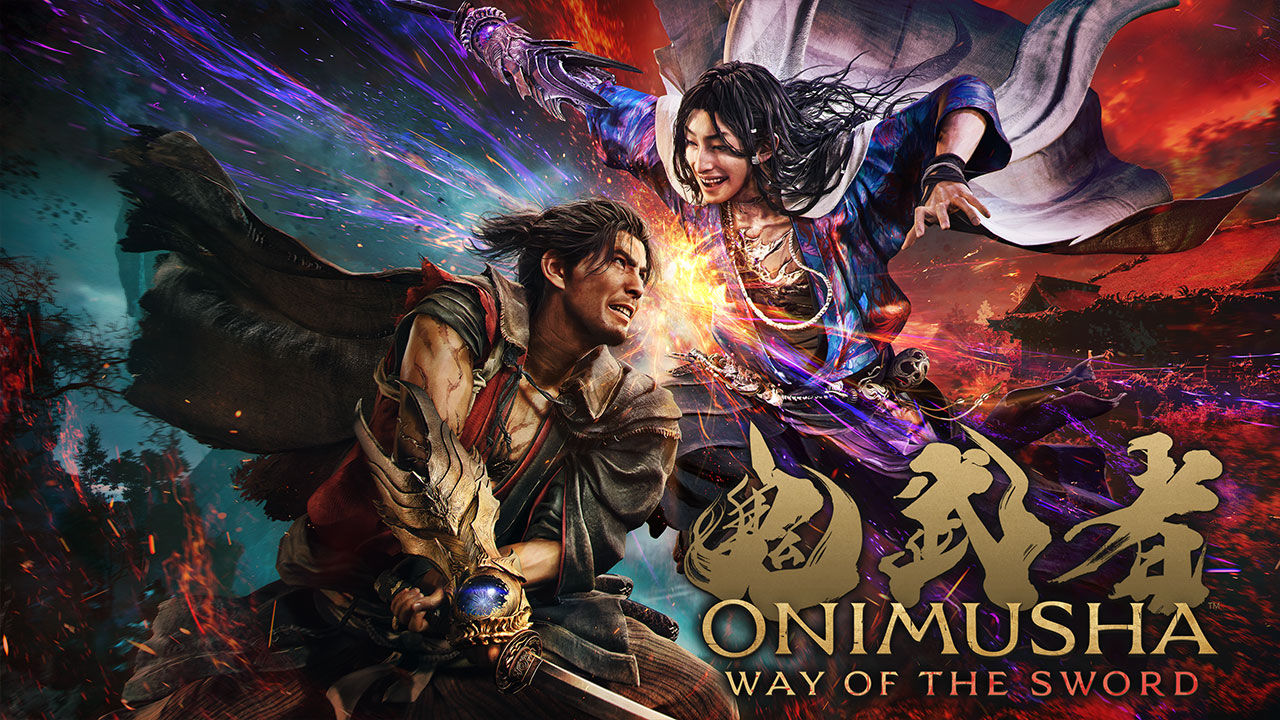

A good sword fight needs more than elaborate animations and a shower of sparks. It needs tension before an attack, weight when blades connect and a convincing reward for getting the timing right. Onimusha: Way of the Sword understands that appeal. Its combat gives Capcom’s returning series a strong foundation, even when the adventure surrounding it struggles to maintain the same standard.
 Survey
Musashi’s supernatural journey has personality, its larger confrontations provide spectacle, and the swordplay rewards growing confidence. Repeated encounters and uneven pacing, however, make this a more qualified recommendation than its strongest moments initially suggest.
Story and setting
Set in early Edo-period Kyoto, Way of the Sword follows Miyamoto Musashi as the demonic Genma threaten the city. Equipped with an Oni Gauntlet, his pursuit of strength becomes entangled with supernatural powers and responsibilities larger than his own ambitions. It is a fitting framework for a series that mixes historical figures with extravagant dark fantasy.
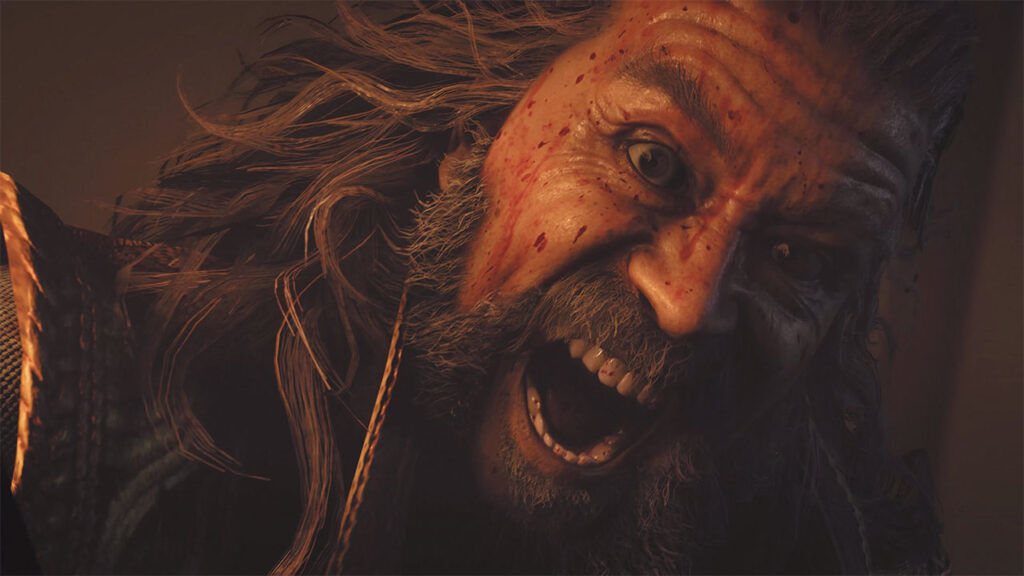
Musashi gives that premise a human centre. His development from an ambitious swordsman towards someone with a broader understanding of responsibility lends purpose to the fighting. The rivalry with Sasaki Ganryu provides a more personal conflict alongside the larger threat, while humour and theatrical antagonists prevent the darkness from becoming monotonous.
The story’s appeal lies more in its characters and delivery than in an especially surprising demon-hunting plot. Its exaggerated villains bring personality to confrontations, and smaller exchanges sometimes leave a stronger impression than the overarching conflict. The campaign’s tendency to linger between major developments also weakens its urgency. There is enough character to sustain interest, but the narrative would benefit from a tighter route between its important moments.
Combat
Combat is the main attraction. Attacking, parrying and deflecting create a rhythm in which defence actively prepares the next offensive opportunity. The signature Issen counter adds another calculated risk, rewarding an attack delivered just before an opponent’s strike connects. Learning when to hold position and when to commit is central to the appeal.
The available supernatural abilities expand that foundation. Oni Strength can break through enemy defences, while successfully evading attacks builds towards a Reflex Combo. These mechanics introduce additional ways to respond without losing sight of the swordplay at the centre of the experience.
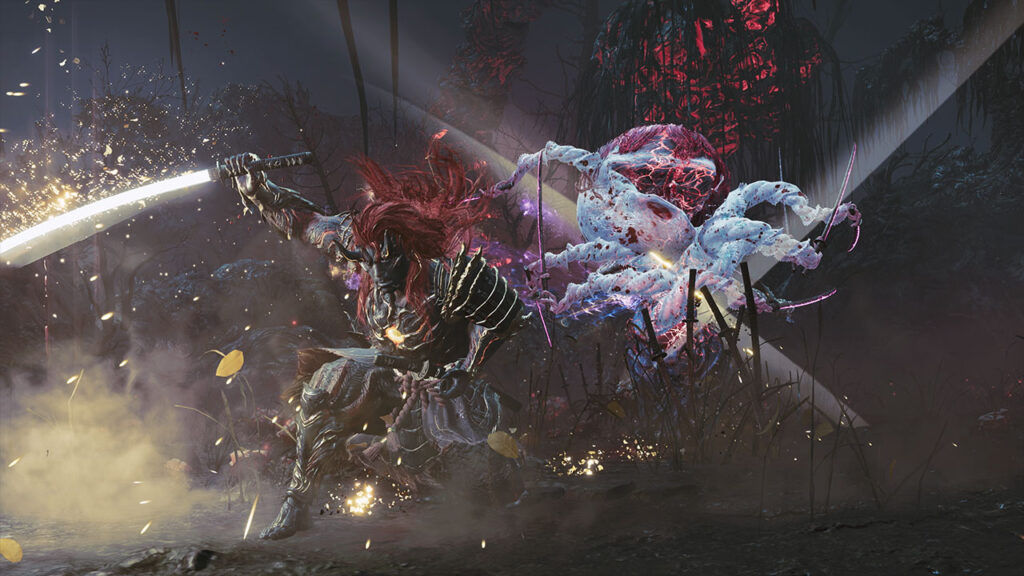
Boss encounters give the system its strongest showcase. Reading an opponent’s movements, recognising a sequence and answering it successfully make improvement tangible. Detailed animations turn those exchanges into convincing physical struggles, giving a successful defence almost as much dramatic emphasis as an attack.
The balance is less convincing outside those major confrontations. Once defensive timings become familiar, ordinary enemies can struggle to maintain the same tension. Repeated bosses also diminish the novelty of encounters that initially impress. Developing proficiency should make combat more rewarding, but the campaign sometimes allows that proficiency to turn lesser fights into routine clearance work.
Exploration and progression
The stretches between major battles provide opportunities to explore Kyoto, collect materials and pursue upgrades. They give the adventure breathing room, although their appeal is inconsistent.
Some optional stories add personality to the city, particularly the Curious Cases associated with Lady Murasaki. These more distinctive diversions make a stronger argument for exploration than collecting another handful of resources. Elsewhere, familiar streets, recurring enemies and incremental upgrades can slow progress without adding enough interest.
The issue is the quality of the activities occupying that quieter time. A change of pace can strengthen an action game, but routine objectives make the gap between its stronger encounters feel longer. Way of the Sword would benefit from applying the same discipline to its campaign structure that it expects during a duel.
Visuals and art direction
Character animation is one of the presentation’s strengths. Musashi’s movements communicate effort and impact, supporting the sense that each exchange involves bodies and weapons meeting with force. Supernatural enemies give the art direction room for grotesque, exaggerated designs.
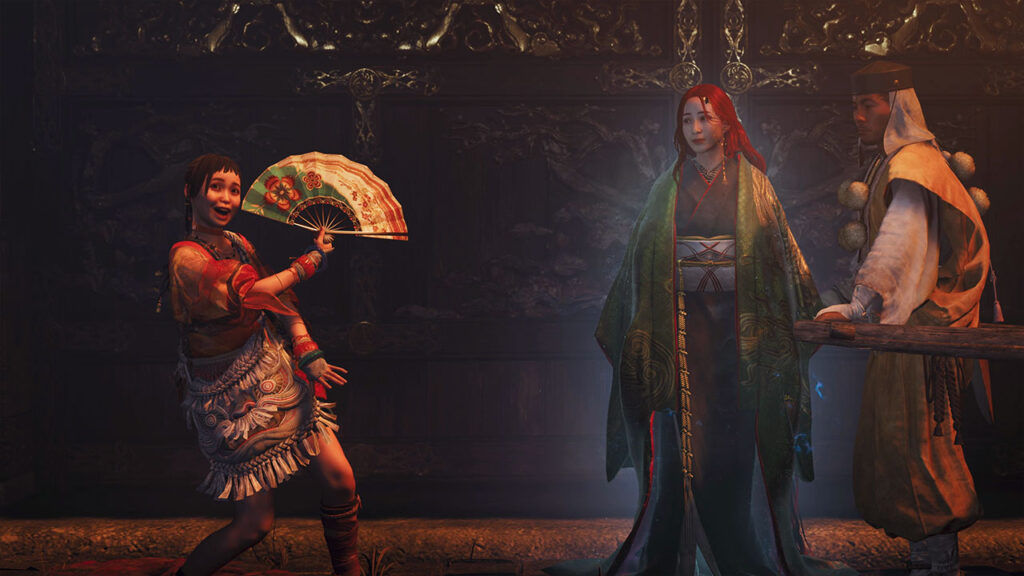
The presentation is less consistent across the campaign. Cinematic scenes can look impressive, while transitions into ordinary dialogue expose a noticeable difference in execution. Kyoto’s subdued appearance supports the atmosphere, but repeated stretches of gloomy streets limit the visual variety. Individual confrontations often make a stronger impression than the spaces connecting them.
Sound design
Sound reinforces the physicality of the combat. Metallic clashes give defensive exchanges presence, complementing the animation and helping a successful response feel forceful. It is an important part of why crossing blades remains satisfying even after the underlying mechanics become familiar.
The voice performances also suit the game’s theatrical tone. Antagonists bring menace and exaggeration to their confrontations, allowing the adventure to accommodate humour without abandoning its darker setting. The audio’s strongest contribution is its support for those dramatic exchanges, giving enemies personality as well as physical presence.
Gaming performance
Onimusha: Way of the Sword was tested on a PC equipped with an AMD Ryzen 7 7700X3D processor and an AMD Radeon RX 9070 graphics card.
| Resolution | Average FPS | Low FPS |
| 1080p | 130 | 118 |
| 1440p | 93 | 83 |
| 4K | 53 | 46 |
At 1080p, the 130 FPS average provides substantial headroom above 60 FPS. The recorded low of 118 FPS also remains high, making this resolution the strongest option for prioritising frame rate on the test system. 1440p offers the most attractive balance in these results. The average of 93 FPS and low of 83 FPS both remain comfortably above 60 FPS while increasing resolution. For combat built around carefully timed defensive inputs, that performance margin is useful. The move to 4K introduces a clearer compromise. An average of 53 FPS and a low of 46 FPS mean the test configuration does not sustain 60 FPS under the tested conditions. Reaching that target would require reducing the rendering workload through settings adjustments or a lower rendering resolution.
Moving from 1080p to 1440p reduces the average frame rate by approximately 28 per cent. The subsequent move to 4K produces a further reduction of around 43 per cent, making the final resolution step considerably more demanding.
Verdict
Onimusha: Way of the Sword makes its strongest argument whenever an opponent raises a weapon. Its combination of observation, defensive timing and decisive counters gives the action an engaging rhythm, supported by expressive animation and forceful sound.
The surrounding adventure is less consistent. Repeated encounters, routine exploration and uneven pacing dilute the impact of its stronger moments. Those shortcomings matter across a full campaign, even when the next major duel provides a compelling reason to continue. For players who enjoy learning attack patterns and turning defence into an opening, this is a worthwhile return.


