Flipkart unveils AI-driven logistics, fintech, and reliability features at Tech Day
New app experience promises personalized discovery and loyalty-led engagement
Big Billion Days 2025 will test Flipkart’s ambitious tech-first strategy
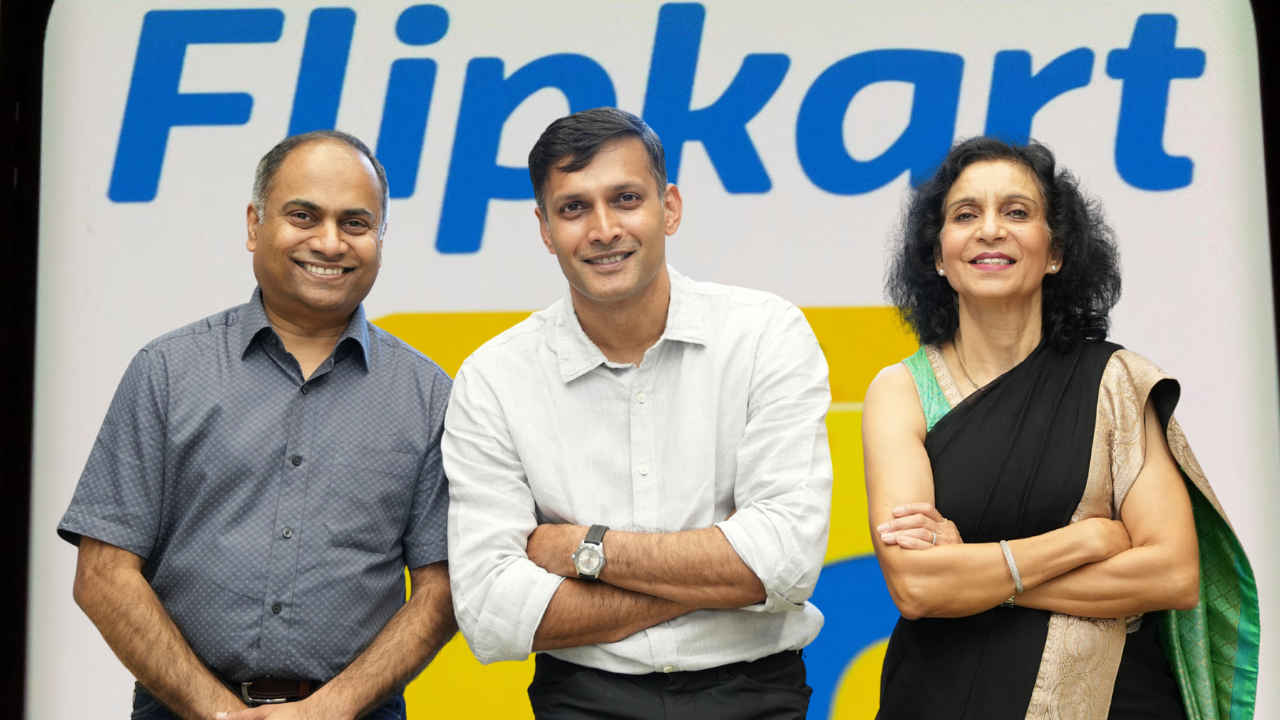
At Flipkart’s Bengaluru headquarters this September, Tech Day 2025 felt less like a corporate showcase and more like a controlled stress test before the fireworks of The Big Billion Days 2025. Engineers, product managers, and senior leaders gathered not only to flex their technical muscles but also to reassure a skeptical audience (which included yours truly). The message couldn’t be any clearer – Yes, Flipkart has the scale, reliability, and intelligence to win India’s trust in a festive season that will likely define its next decade.
 Survey
As I walked through the demo stations, it struck me that this wasn’t about flashy gimmicks. Instead, Flipkart’s top tech brass were laser-focused on three fronts – fintech and affordability, logistics and last-mile innovation, and scale and reliability. These aren’t headline grabbers, but in India’s crowded e-commerce bazaar, they might be what separates survival from dominance.


E-commerce logistics tech on steroids
The conversation with Bharath Chinamanthur, Senior Vice President for seller experience, fulfillment and supply chain technology, revealed just how much of Flipkart’s competitive edge depends on unseen logistics infrastructure behind the scenes.
“When you think about a pan-India footprint, you visit just a handful of large fulfillment centers. We have, you know, three or four of the large ones in and around Bangalore. And then you multiply that by the number that we have all over India – you get a scale for the operations,” he told me.
That scale translates into millions of micro-decisions every day – how to allocate inventory, where to stage stock, when to deploy seasonal workers ahead of peak demand. Flipkart’s arsenal now includes NXT Insights for sellers, offering real-time data, and CVP Insights, which layers generative AI to make selection and speed recommendations. Cutting edge tech to make time-critical decisions that otherwise humans would be otherwise too overwhelmed to make on their own.
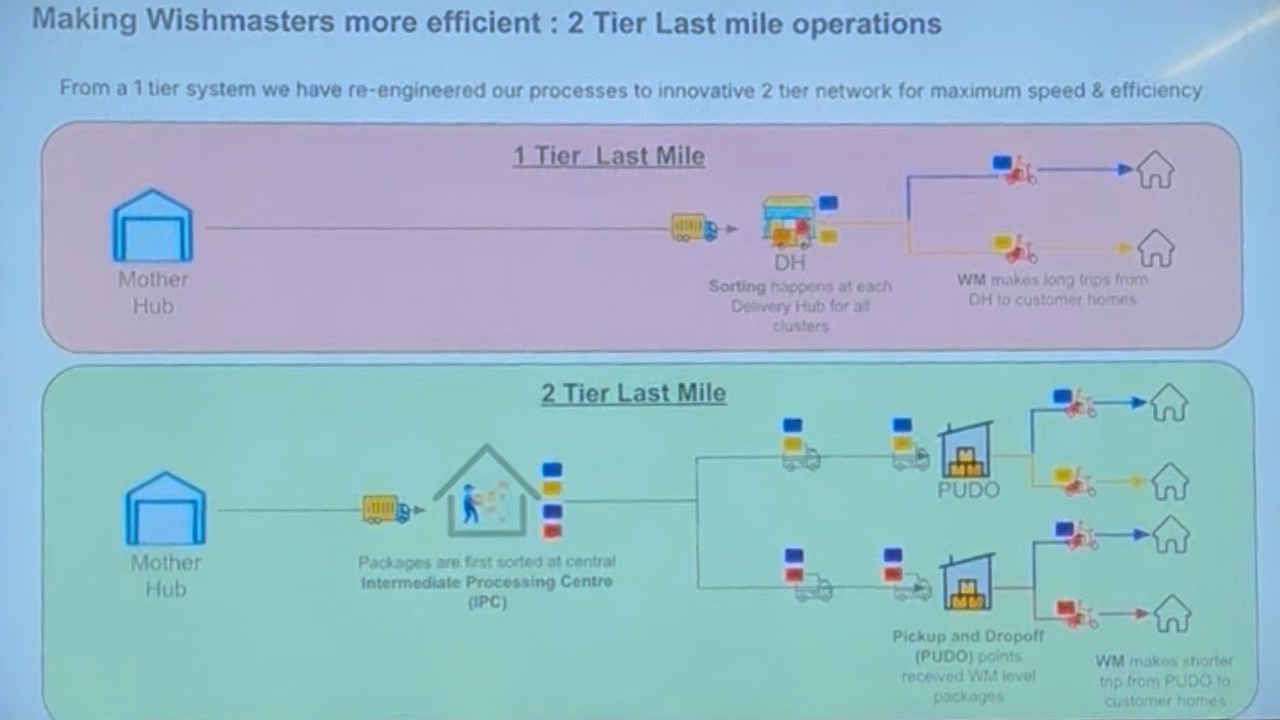
The logistics stack is being sharpened by innovations like address intelligence and auto-geocoding, aiming to solve one of India’s biggest e-commerce headaches where the delivery boy actually finds your house successfully. Equally intriguing is a two-tier last-mile model that can flex between dense metros and sprawling tier-3 towns without batting an eyelid.
“For many of our sellers, BBD has already started,” Bharath said with a wry smile. “Because we placed orders, we ensure that they can get inventory, procure it, move it to our locations, and move it to their locations. So, that level of progression is very inspiring. And I think this is one of its kind.”
He likened the whole operation to a symphony. Every year, Flipkart hires tens of thousands of seasonal workers, onboarded now in as little as ten minutes through real-time document authentication and facial recognition. WhatsApp-based communication reduces failed deliveries. Each note matters because a single discordant beat can sink customer trust.
Flipkart’s app at the centre stage
If logistics is Flipkart’s backstage orchestra, the consumer-facing app is the stage where all the magic plays out. And this year, the app is getting a major refresh, thanks to the team led by Ramesh Gururaja, Senior Vice President, Consumer Products and Growth.
“I think our ability to understand you as a human being – what you are looking for – and our ability to respond to that requirement has improved tremendously. What used to take us days, we are able to do in milliseconds now,” Ramesh said.
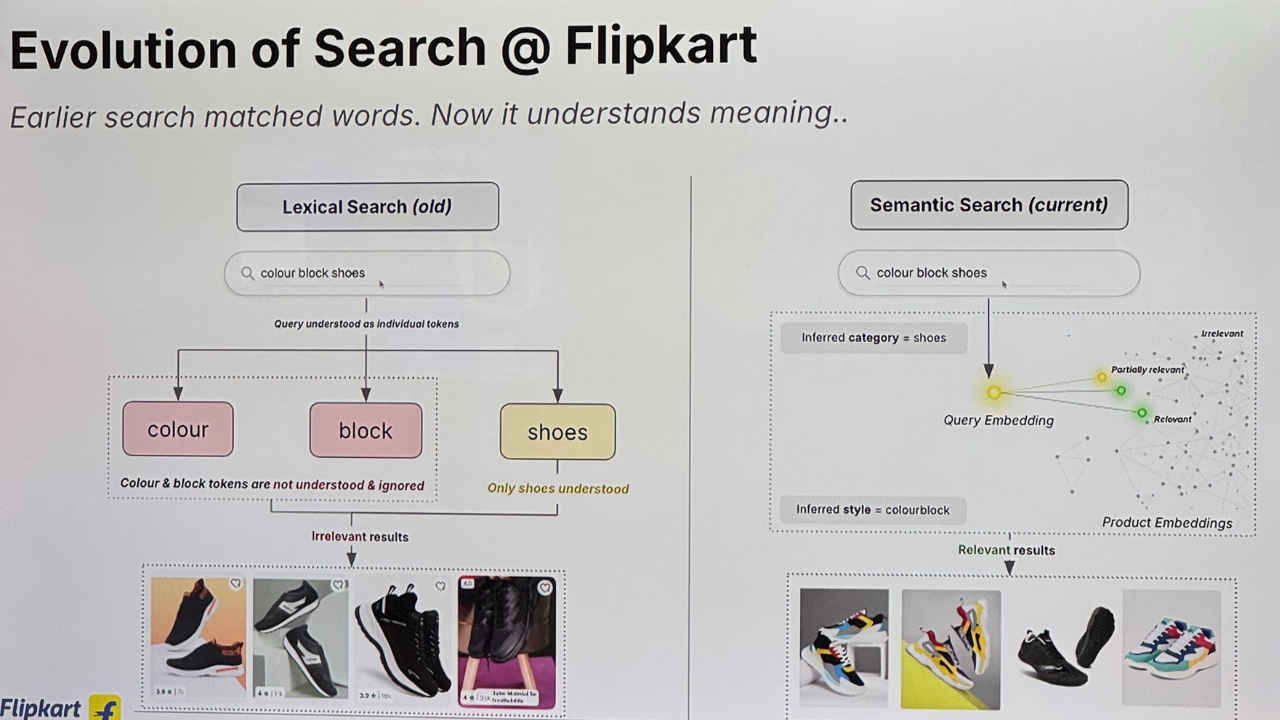
The reimagined homepage is more personalized and visually rich, while product pages have been decluttered for easier decision-making. But the real breakthrough, according to Gururaja, has been in the app’s discovery experience. AI-powered semantic search bridges vocabulary gaps, ensuring that if you search for “brolly” instead of “umbrella,” Flipkart still knows exactly what you mean.
“Let’s say you open the Flipkart app and you are looking for an umbrella. Just because you looked at the umbrella, I know that you are interested in umbrellas and related items. Hence, when you come back to the homepage, instantaneously you will see more and more umbrellas starting to show up. That has been one big improvement,” he explained.
This intelligence extends to events and occasions as well – think Ganesh Chaturthi, Navratri, Diwali, Christmas and so on – where AI now builds themed storefronts on the fly within the Flipkart app. Add to that dynamic deal-aware feeds, video commerce initiatives like Creator Cities and Creatorhood, and the new Flipkart Black paid loyalty program with YouTube Premium and Cleartrip perks, and you start to see the architecture of a festival-driven, always-on marketplace.
Also read: Content to transactions: Flipkart’s big bet on creator-fuelled commerce in India
How does Big Billion Days impact Flipkart’s tech stack, I wonder? Ramesh says thinking about BBD like just another festival helps to get the fuller picture. “Every event we aspire to bring memories in front of the consumer,” Ramesh added. “But what happens is, because we keep building systems, BBD is the time that all these systems are really tested beyond their regular limits. And that stresses the entire system out. What comes out is a product that, in my words, actually plays out a good symphony for us,” said Ramesh.
Flipkart’s backend is built for reliability
The third spoke of Flipkart’s wheel is its platform-first architecture, which Sandhya Kapoor, Senior Vice President & Head of the Central Platform Organisation, has quietly but firmly put in place. What she’s responsible for at Flipkart might be less glamorous than logistics or consumer delight, but without her work the whole machine collapses.
“We are continuously innovating, as you can observe and think through. Because, I mean, all of these are very large systems and they take time to get through and build,” she told me.
With most of Flipkart’s backend compute situated in Chennai and Bengaluru, Sandhya hinted at the crazy scale of heavy lifting that Flipkart’s tech stack does in the background. From the Flipkart app, logistics infrastructure, sellers, wishmasters and end customers, there are over “hundreds of thousands” of key signals and parameters Sandhya and her team has to analyze and make sense of every split second to make Flipkart tick.
To that end, Sandhya described building a large-scale events platform that traces data elements across systems, supports logging, and layers intelligence through Retrieval-Augmented Generation (RAG) and agentic AI. In her words: “Agentic AI – now, we are taking it to every workflow that we have so we can automate it. AI is not a free lunch, right? It all boils down to the data: how clean and good quality the data is, how real-time the data is… whether you need to build an extra stream of data to really get a 360° view of how the business is performing.”
This relentless focus on observability and optimization ensures Flipkart can withstand the surge of festive shopping, when millions of concurrent users hammer its servers with searches, carts, and checkouts. Platform resilience isn’t sexy, but when the app doesn’t crash during a flash sale, it builds the kind of trust that outlives marketing campaigns.
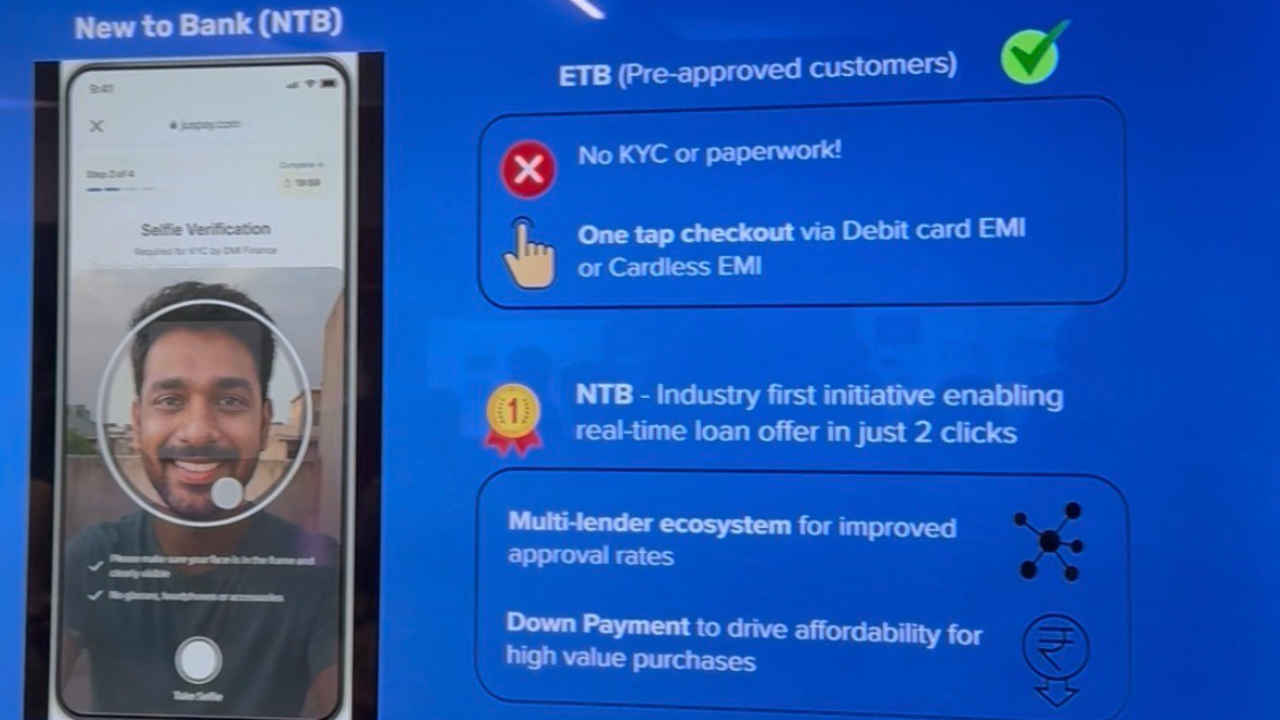
Underpinning all of this is Flipkart’s fintech push, which quietly aims to democratize credit access for India’s swelling base of first-time online shoppers. The “Credit For All” program allows both existing-to-bank and new-to-credit users to access instant EMIs. Co-branded credit cards with SBI sweeten the pot with cashback rewards.
In a country where affordability often decides whether a family shops online at all, these innovations are less about bells and whistles and more about widening the funnel. It’s an area Amazon has been aggressively targeting too, but Flipkart’s local partnerships and data-led approvals give it a fighting chance.
The big question…
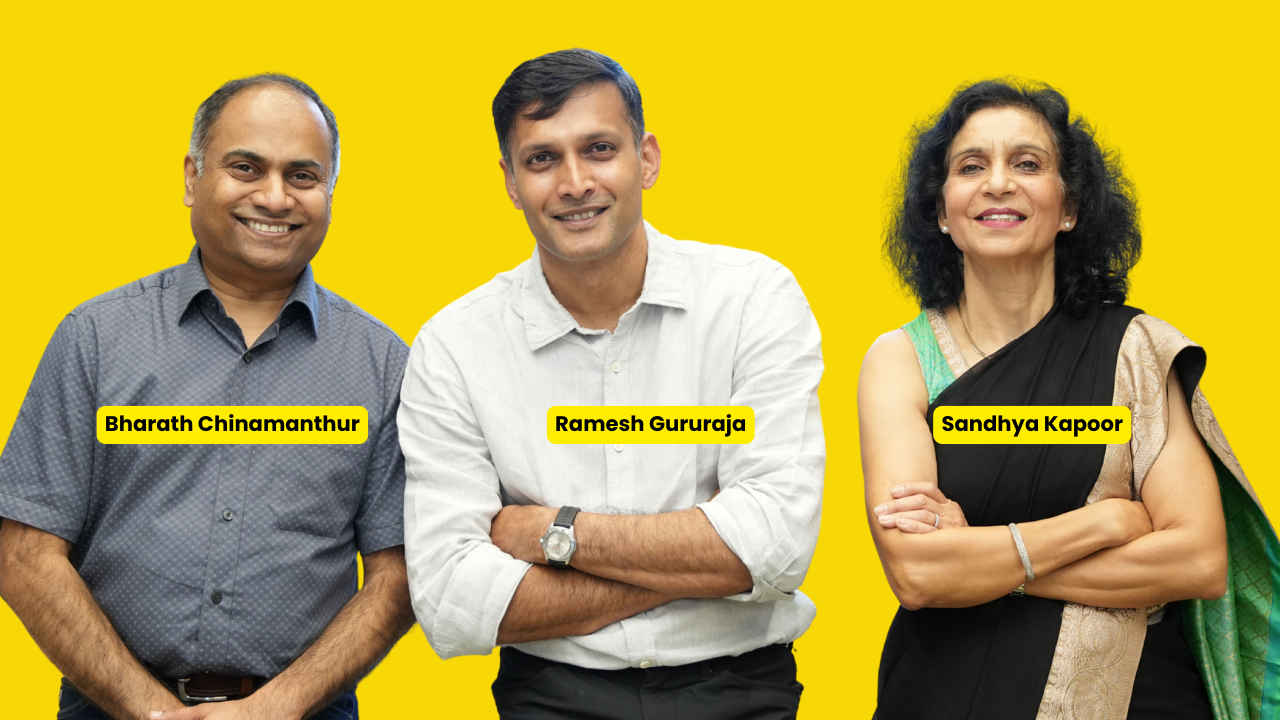
Walking out of Flipkart’s Tech Day 2025, I was struck by how Flipkart’s innovations weren’t moonshots into the ether but reliable stakes built and ready for India’s e-commerce future. Bharath’s logistics, Ramesh’s consumer app, Sandhya’s resilient platforms, and the fintech team’s credit experiments – all of them orbit one promise: trust.
So, will Flipkart’s tech-first playbook actually pay off? Can smarter search, faster deliveries, real-time monitoring, and democratized credit translate into delighted customers and increased mindshare?
Ramesh Gururaja’s symphony metaphor hung heavy in my mind as I left the Bengaluru campus. Like any orchestra, Flipkart has rehearsed every note, tested every instrument, and fine-tuned every tempo. But when the curtain rises on Big Billion Days 2025, and millions of Indian shoppers log in at once, will the music soar – or stumble? That, as always, remains to be seen.
Also read: Planning to buy phone during Amazon or Flipkart sale? Follow these steps to verify if it’s original
 Follow Us
Jayesh Shinde
Executive Editor at Digit. Technology journalist since Jan 2008, with stints at Indiatimes.com and PCWorld.in. Enthusiastic dad, reluctant traveler, weekend gamer, LOTR nerd, pseudo bon vivant. View Full Profile


