Social media buzzed with toy-like, cinematic 3D figurine renders generated by Nano Banana.
OpenAI GPT-5, Qwen, Grok, Adobe, and Leonardo AI offer unique alternatives.
Competitors bring free access, advanced editing, and even video animation.
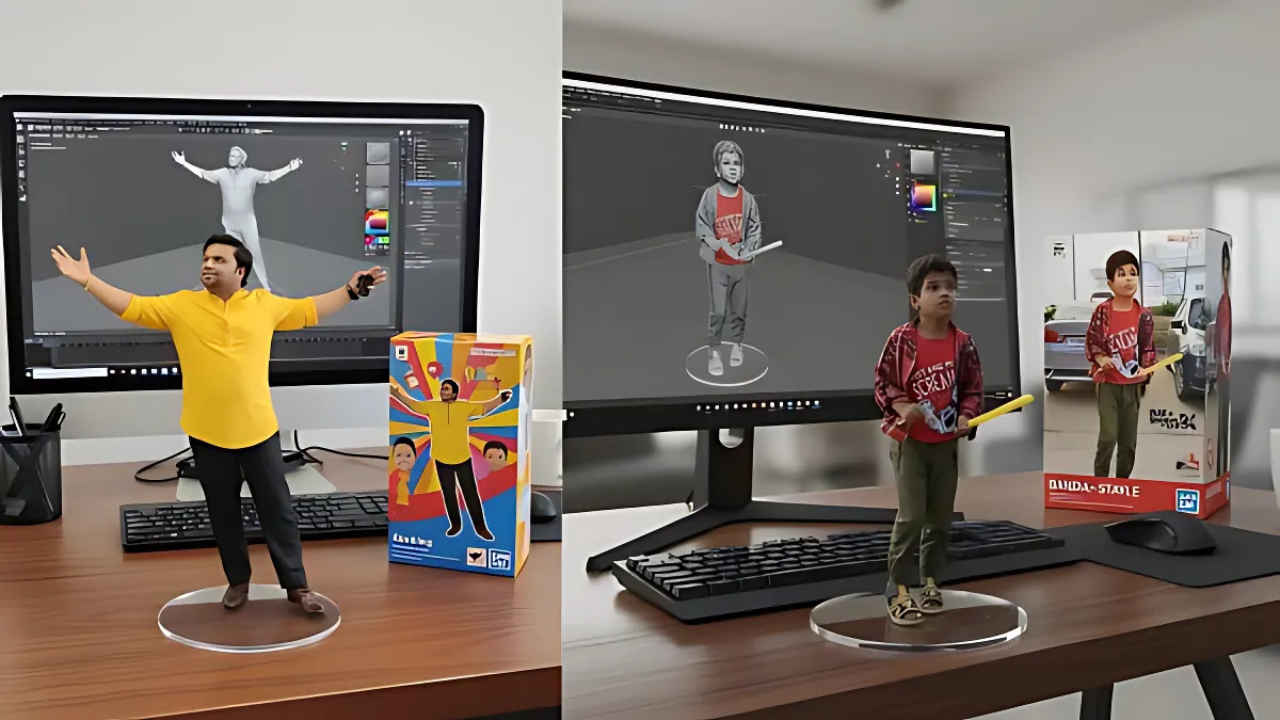
In the past week, a new AI model from Google has been making waves across social media. Known officially as Gemini 2.5 Flash, also Nano Banana, the model has quickly become a viral sensation on social media platforms. Platforms such as Twitter/X, Instagram, Facebook, and LinkedIn are flooded with 3D figurine-style images generated using the tool, and the reason is Nano Banana. This new AI tool can produce photo-realistic figurines at speed. Unlike traditional AI art tools, the model focuses on collectable-style renders that resemble a blend of toy photography and cinematic animation. The results are not only visually appealing but also perfect for sharing online.
 Survey
However, Google isn’t the only player in this space. OpenAI, xAI, Adobe, and Leonardo AI are pushing their own creative solutions. Some rival Gemini in realism, while others offer features like free access, video generation, or beginner-friendly workflows. Here are some alternative tools to Nano Banana that are worth checking out.


Qwen Image Edit
Alibaba’s Qwen Image Edit has emerged as a direct competitor to Google’s offering. The free-to-use AI tool has been praised for its editing accuracy and its ability to modify images with natural language prompts.
Unlike Nano Banana, which often starts from scratch, Qwen is particularly strong at editing existing images. It can alter textures, change lighting, or even add complex elements while preserving the original look of the photo. This makes it a go-to option for users who want more control over fine details.
Its biggest advantage, however, is accessibility. Qwen Image Edit is available to free users, something that puts pressure on Google to match or risk losing casual creators.
ChatGPT (GPT-5)
OpenAI’s GPT-5 brings image generation and editing capabilities directly into ChatGPT, making it part of a wider multi-modal ecosystem. The model builds on the success of GPT-4o, which earlier impressed with anime- and action-figure-style outputs.
GPT-5 stands out for its instruction-following ability, often producing results that align closely with user intent. It also handles creative prompts well, ranging from cartoonish figurines to realistic sculpts.
Although GPT-5 takes longer to render compared to Nano Banana, and its free tier only allows two images per day. Facial consistency is another weakness, with some outputs failing to capture the exact likeness of the subject.
Grok AI
xAI’s Grok AI is no longer at the top of the image-generation race, but it brings something unique to the table- video creation. While its image outputs are not as polished as those from Gemini, Qwen, or GPT-5, Grok can animate static figurines into short video clips with sound.
This feature sets it apart from its rivals. Users can generate figurines with other platforms and then rely on Grok to bring them to life. For creators looking to push content beyond static images, Grok is a compelling option.
Adobe Photoshop
Adobe Photoshop continues to evolve with AI features, including Generative Fill and intelligent object manipulation. While it is traditionally seen as a professional tool rather than a consumer-friendly AI, Photoshop has integrated enough automation to stay relevant in the age of instant generative art.
For 3D figurine creation, Photoshop allows users to convert 2D layers into 3D shapes, integrate designs with Adobe Substance 3D, and render detailed outputs. The process isn’t as automated as Nano Banana, but the results are professional-grade.
This makes Photoshop particularly suited for designers and enthusiasts who want complete creative control, rather than casual users seeking quick results.
Leonardo AI
Leonardo AI is another strong alternative for users seeking high-quality outputs without paying upfront. The platform offers stylised 3D imagery, offering presets and prompt-enhancement tools to guide users toward better results.
Its free tier provides generous credits, making it accessible to hobbyists and independent creators. Outputs are detailed and fast, especially when it comes to cartoonish or Pixar-inspired figurines.
While advanced editing options are locked behind a paywall, the free version is more than enough for casual creative work and experimentation.
 Follow Us
Himani Jha
Himani Jha is a tech news writer at Digit. Passionate about smartphones and consumer technology, she has contributed to leading publications such as Times Network, Gadgets 360, and Hindustan Times Tech for the past five years. When not immersed in gadgets, she enjoys exploring the vibrant culinary scene, discovering new cafes and restaurants, and indulging in her love for fine literature and timeless music. View Full Profile


