The legal battle brewing between Warner Bros. Discovery and Midjourney isn’t your typical corporate drama. It’s a high-stakes showdown that could either free up AI development or slam on the brakes, and it’s all centered on a single, vital question: Who owns the digital ghosts of our creative past?
 Survey
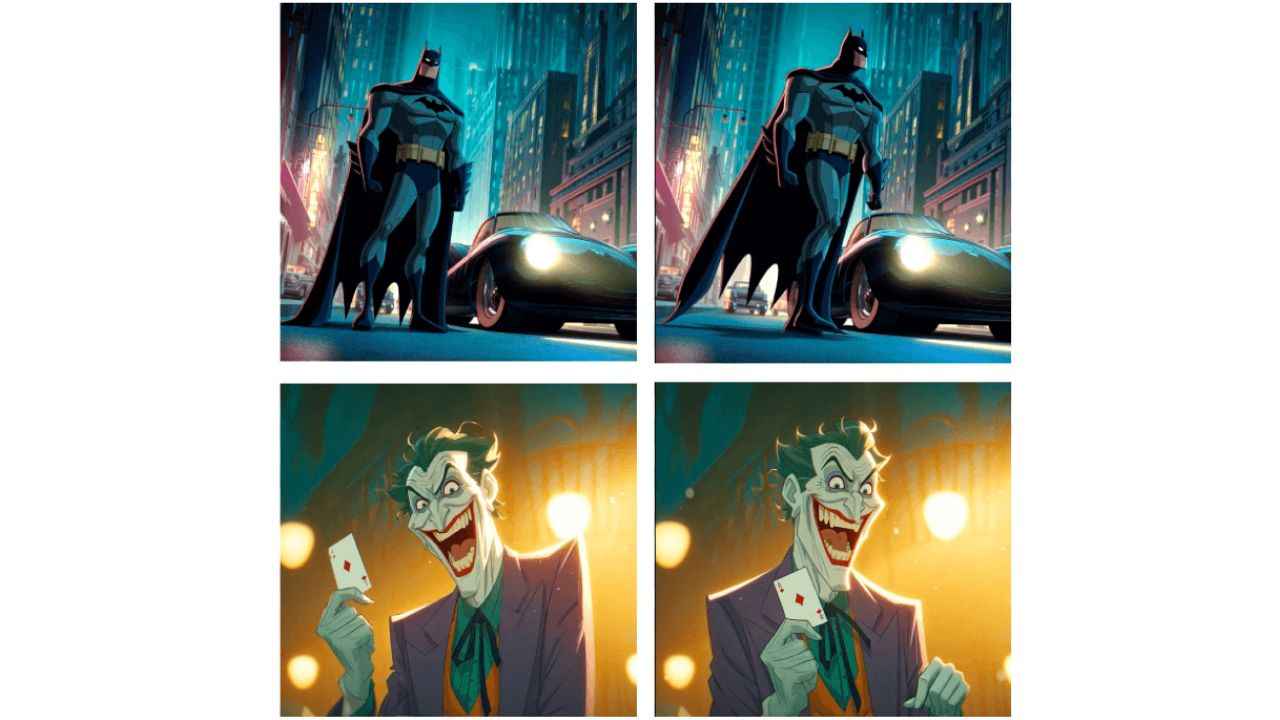
The lawsuit alleges that Midjourney’s AI models were trained on a veritable treasure trove of Warner Bros.’s most iconic properties – from the brooding intensity of Batman to the whimsical absurdity of Bugs Bunny and the supernatural mystery of Scooby-Doo. These characters aren’t just cultural symbols; they’re billion-dollar franchises that Warner Bros. has carefully cultivated and protected for decades.


Also read: Midjourney V1 Explained: Better than Google Veo 3?
This isn’t just about a few rogue images or fan art spiraling out of control. Warner Bros. claims Midjourney has built an entire business on this “massive IP theft,” allowing users to churn out on-model, high-quality images and videos of their characters in “every imaginable scene.” Essentially, they argue that Midjourney is directly profiting from a vault of intellectual property that took decades of investment, creativity, and storytelling to build, and that fans and paying audiences continue to sustain.
The fair use firewall
Midjourney and other AI companies have leaned on the legal doctrine of fair use, arguing that using copyrighted content to train their models is transformative, akin to how a human artist learns by studying the works of masters. They claim this process ensures the “free flow of ideas” and helps AI become a tool that reflects, rather than replaces, human creativity.
Also read: Inside Google’s Nano Banana: Gemini’s new AI image editor
Warner Bros. and a growing number of creators, however, aren’t buying it. They see it as a blatant act of commercial infringement that strips value away from those who made the works in the first place. For them, Midjourney isn’t just “studying”; it’s creating a derivative product that directly competes with the very properties it’s exploiting.
The lawsuit even highlights a key detail: Midjourney once blocked the generation of certain copyrighted content, only to remove the restriction later and call it an “improvement.” To Warner Bros., this looks less like innovation and more like intent, evidence that Midjourney knows exactly what it’s doing and is willing to push boundaries to expand its appeal.
Why this case matters to you
The outcome of this lawsuit will set a precedent with enormous and far-reaching consequences.
For the Creators: If Warner Bros. wins, it could force AI companies to license their training data, establishing a new revenue stream for artists, writers, and studios. It would also validate the value of human-made art in a machine-driven world. This isn’t just a lawsuit, it’s a fight for the right to control one’s creative output, a battle cry against the unchecked commodification of art.
For the Innovators: A victory for Midjourney could be a boon for AI development, giving companies the freedom to train models on vast, uncompensated datasets. It might accelerate innovation and keep AI tools accessible, but it also risks ushering in a “Wild West” scenario where intellectual property protections crumble under the weight of new technology.
For Everyone Else: This isn’t just a legal curiosity for lawyers and studios. It’s a conversation about the soul of creativity in the digital age. It asks us to confront a fundamental question: When an AI generates an image of Batman, is it a new creation, or is it a digital photocopy of a property that belongs to someone else? The answer won’t just shape lawsuits, it will influence the content we consume, the art we create, the tools we use, and perhaps even the very definition of ownership in the 21st century.
Also read: Google Gemini’s Reimagine feature: 5 wild image edits that push AI boundaries
 Follow Us
Vyom Ramani
A journalist with a soft spot for tech, games, and things that go beep. While waiting for a delayed metro or rebooting his brain, you’ll find him solving Rubik’s Cubes, bingeing F1, or hunting for the next great snack. View Full Profile


