GIGW 3.0 sets 88 mandatory rules for Indian government websites and apps
New guidelines focus on accessibility, cybersecurity, and citizen-friendly digital design
India’s GIGW 3.0 aligns with WCAG 2.1 AA to ensure inclusive governance

When was the last time you opened a government website and found it cluttered, outdated, or impossible to use on your phone? For decades, digital governance in India has carried this problem – well-meaning initiatives marred by poor design, inconsistent layouts, and a lack of accessibility. But with citizens increasingly relying on digital platforms to access public services, the government has been forced to rethink how it builds for the web.
 Survey
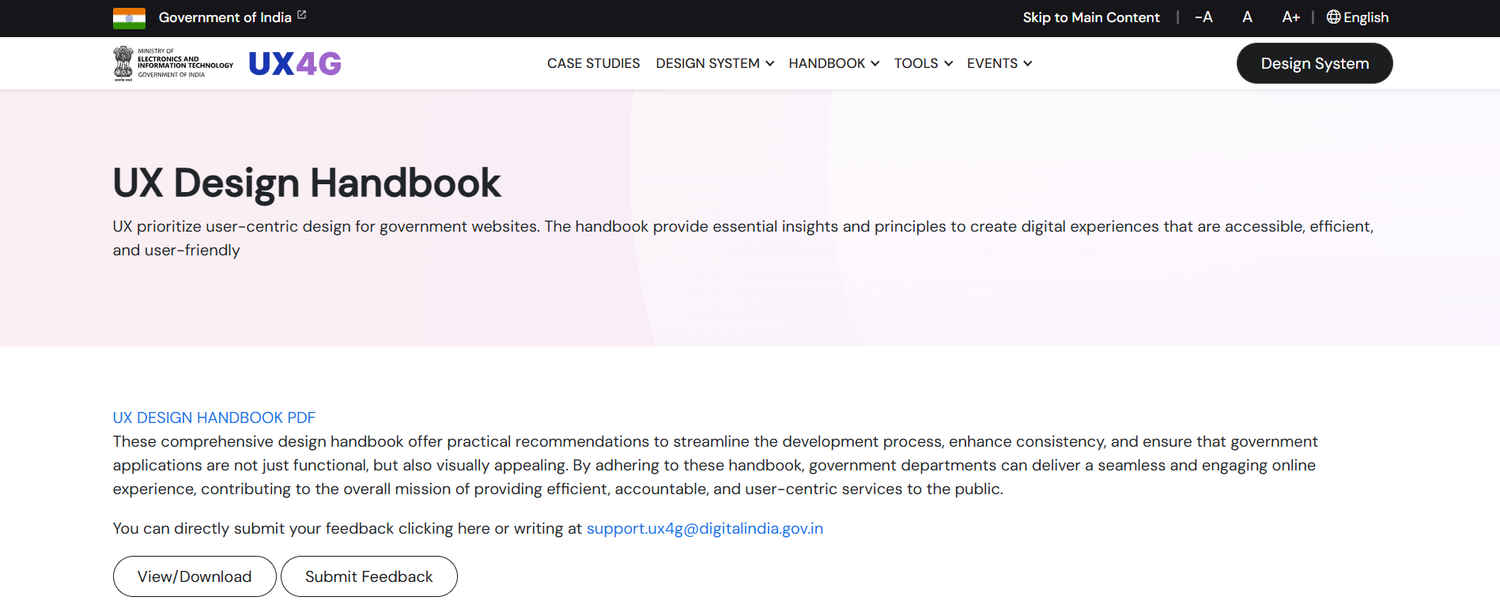
That’s where GIGW 3.0, the Guidelines for Indian Government Websites and Apps, comes in. Developed by the National Informatics Centre (NIC) with inputs from CERT-In and the Standardisation Testing and Quality Certification (STQC) directorate, this new framework lays down the rules for how official websites and apps should look, function, and evolve. It isn’t just a design manual; it’s a comprehensive blueprint for user experience, inclusivity, security, and sustainability across government digital assets.



Unlike its predecessor, GIGW 2.0, which focused more on compliance checklists, the 3.0 version aligns with global standards in design and accessibility. It introduces 88 mandatory checkpoints spread across four key domains – Quality, Accessibility, Cybersecurity, and Lifecycle Management.
Here’s what each domain covers and why it matters.
Also read: Windows doesn’t want you to forget about the em dash, introduces easier typing shortcut
Quality: Making government websites usable again
Quality in GIGW 3.0 is about ensuring that official websites and apps are efficient, intuitive, and consistent across ministries. The guidelines mandate a mobile-first approach with responsive layouts, faster load times, and clear navigation menus. They also emphasize uniform branding so that whether a user is visiting the Ministry of Health’s portal or a state government tourism site, the interface feels familiar.
Content, too, gets special attention. Information should be up-to-date, written in plain language, and, wherever possible, available in multiple Indian languages. The aim is to remove the “cluttered notice board” feel of government websites and replace it with something more modern, streamlined, and citizen-friendly. Quality is about building trust through usability.
Accessibility: Designing for every citizen
Accessibility is the heart of GIGW 3.0, accounting for more than half of the checkpoints. The guidelines adopt WCAG 2.1 AA standards, which are internationally recognized benchmarks for web accessibility.
This means government platforms must support screen readers, provide alt text for images, maintain adequate color contrast, and allow for keyboard-only navigation. Videos and multimedia must include captions or transcripts.
But GIGW 3.0 goes further, it addresses mobile accessibility and cognitive disabilities, ensuring inclusivity for people with low vision, learning differences, or motor impairments. This is also a direct step toward fulfilling obligations under the Rights of Persons with Disabilities Act, 2016. Accessibility ensures digital governance is not a privilege, but a right.
Cybersecurity: Safeguarding trust
India’s government websites are massive data hubs, often holding sensitive information ranging from Aadhaar numbers to health records. A breach here isn’t just a privacy issue, it could compromise national security.
That’s why GIGW 3.0 builds in cybersecurity as a design principle, not an afterthought. In collaboration with CERT-In, the guidelines align with ISO 27001, OWASP ASVS/Top 10, and CIS benchmarks. The checkpoints include secure coding practices, mandatory encryption, and proactive vulnerability management throughout the application lifecycle. Cybersecurity in GIGW 3.0 means citizens don’t just get digital services, they get digital safety.
Lifecycle management: Building for the long term
One of the biggest failings of government websites has been stagnation. They launch with fanfare, only to decay over time – outdated information, broken links, and unsupported features becoming the norm. GIGW 3.0 addresses this with lifecycle management.
Also read: Govt’s online gaming ban lands in court as Indian firm mounts legal challenge
The guidelines require proper documentation, periodic performance audits, and version control. Websites and apps must also adhere to open standards for interoperability, ensuring they can evolve with new technologies and policies. Lifecycle management keeps digital governance alive, relevant, and future-ready.
Why GIGW 3.0 matters
With GIGW 3.0, the government is making a clear statement: digital public infrastructure should be as usable, accessible, and secure as private platforms citizens use every day. This shift is critical at a time when schemes like DigiLocker, CoWIN, and Unified Payments Interface (UPI) have shown how well-designed digital systems can transform governance.
Where GIGW 2.0 was compliance-heavy, GIGW 3.0 is experience-driven. It blends design thinking with cybersecurity expertise, setting a gold standard for government platforms. The move is also in line with India’s broader digital governance vision, where every citizen, regardless of ability, location, or device, can interact with the government effortlessly.
The challenge now lies in implementation. Many existing websites and apps were built on legacy systems and will require major overhauls to meet GIGW 3.0 standards. Training, audits, and funding will be critical. But if executed well, these guidelines can ensure that government digital services not only keep pace with citizen expectations but also set global benchmarks in inclusivity and trust.
As India pushes deeper into the digital era, GIGW 3.0 isn’t just about guidelines, it’s about redefining how governance is experienced online.
Also read: Dream11 to RummyCircle: Online Gaming Bill 2025 hits these apps hard
 Follow Us
Vyom Ramani
A journalist with a soft spot for tech, games, and things that go beep. While waiting for a delayed metro or rebooting his brain, you’ll find him solving Rubik’s Cubes, bingeing F1, or hunting for the next great snack. View Full Profile


