
Why the Pixel 11 series could finally fix the Pixel’s biggest flaws
 Follow Us

Google’s Pixel phones have always occupied a strange position in the smartphone market. The camera is almost universally acknowledged by critics and users alike as the best in the business. The software experience is clean, fast and increasingly capable, with AI features that arrive months ahead of any other Android phone. Pixel hardware feels built for people who want the software to be the story. And yet, there is always a “but.” The thermal throttling that kicks in during a long recording session. The cellular connection that drops in marginal signal areas while a Samsung or OnePlus in the same pocket holds on. The battery that gives up somewhere around eight in the evening when the day is not yet done. For buyers who know exactly what they want from their smartphone, these are not minor irritants. They are the reason a second look at a Pixel often ends in a different purchase.
 Survey
What makes the Pixel 11 series interesting, based on supply chain leaks, component orders and CAD renders circulating ahead of launch, is that Google appears to have spent the development cycle less focused on new software tricks and more focused on correcting these long-standing engineering gaps. Ahead of the Pixel 11 series launch, here is everything we know so far.
The chip: moving to TSMC and targeting sustained performance
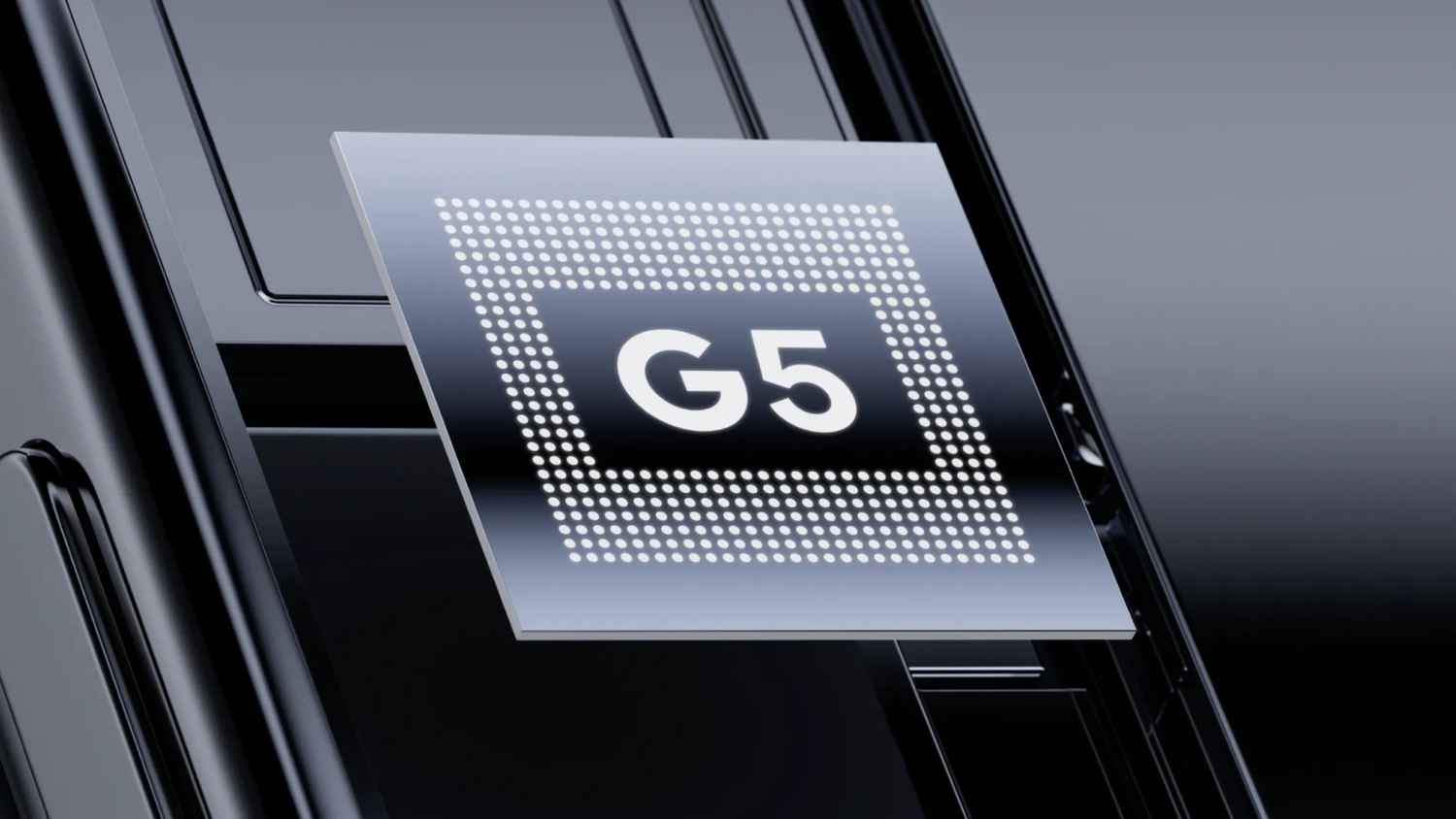
The most significant hardware change reportedly coming to the Google Pixel 11 is the Tensor G6 chipset manufactured on TSMC’s 2nm process. Previous Tensor chips were built on Samsung Foundry’s nodes, which carried efficiency disadvantages that showed up clearly in real-world use like sustained camera processing, navigation in warm weather and extended gaming all produced more heat than comparable Qualcomm-based phones, leading to aggressive thermal throttling and the screen dimming and performance drops that followed.
The move to TSMC’s 2nm smaller process node means lower power draw per clock cycle, which means less heat generated under load. Leaks point to a 1+4+2 core configuration, with one ARM C1-Ultra core at 4.11 GHz, four C1-Pro cores at 3.38 GHz and two additional C1-Pro cores at 2.65 GHz. For video recording reliability, outdoor navigation and sustained workloads, cooler sustained performance matters more than the peak scores that synthetic benchmarks measure.
The GPU rumours point to a PowerVR C-Series CXTP-48-1536, a design that trails rivals in raw graphics capability. It does support Vulkan 1.4 for newer games, but buyers who prioritise gaming performance will want to temper expectations on that front.
The modem: ditching Exynos for MediaTek M90
If thermal throttling is the most visible Pixel problem, modem quality is arguably the one that has the largest impact on daily life. Exynos-based modems in previous Tensor generations developed a reputation for spotty signal retention, slow handoffs between cell towers and notable battery drain when off Wi-Fi, areas where Qualcomm’s Snapdragon modems have consistently outperformed them.
Reports indicate the Pixel 11 will switch to MediaTek’s M90 modem which addresses this on two fronts simultaneously. The M90 brings peak download speeds up from 11 Gbps to 12 Gbps and improves upload speeds by approximately 20%. It also supports better satellite connectivity. More importantly for day-to-day use, MediaTek’s AI-powered traffic management engine in the M90 has demonstrated an 18% reduction in power consumption compared to previous configurations. For a phone that spends a significant portion of each day on mobile data rather than Wi-Fi, cutting baseband power draw by nearly one-fifth is a meaningful battery life improvement that no software optimisation alone could replicate.
Battery and on-device AI
Running local AI models is expensive when it comes to intensive neural tasks. Live transcription, call screening, computational photography and on-device Gemini processing all run continuously in the background, and on previous Pixels they collectively shortened an already modest battery window. The Pixel 11 is rumoured to address this from both ends.
Battery capacity is expected to increase meaningfully across the lineup, with some leaks pointing to approximately 5,500 mAh on the Pro XL tier. Alongside, the Tensor G6 is expected to include dedicated high-efficiency NPU clusters specifically designed to handle local Gemini model inference at lower power.
Additionally, some leaks suggest the 128 GB base tier is being dropped entirely in favour of 256 GB as the minimum across the lineup. Local AI models, multimodal pipelines and on-device Gemini all require massive storage headroom. Running them on a device that starts with 128 GB, much of which is consumed by the operating system and app data before any AI features run, creates a bottleneck for neural tasks so its natural if Google standardises 256 GB as the base storage option.
The display
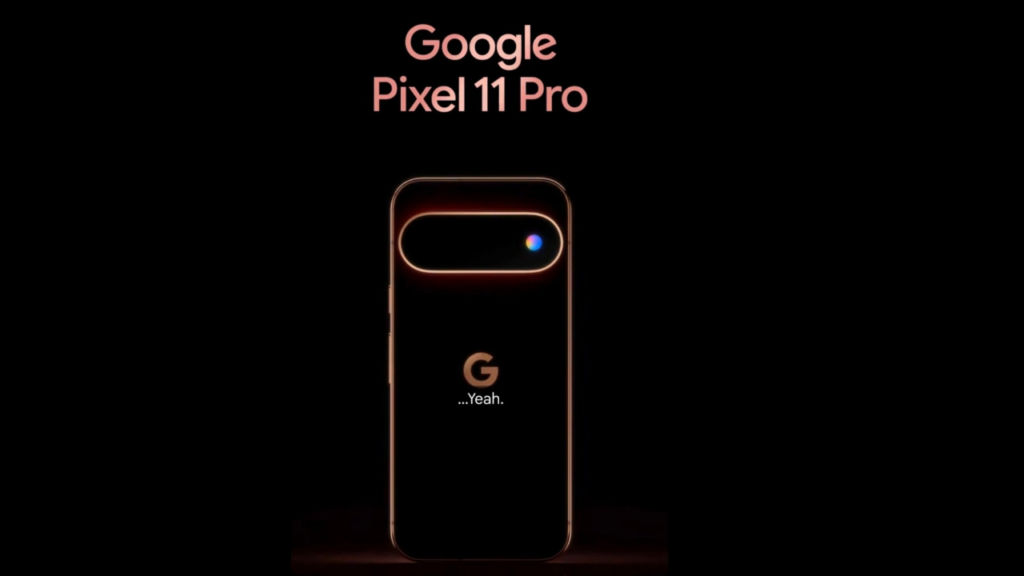
Peak brightness on the Pixel phones have never been the problem. However, earlier Pixels dimmed their displays significantly after just a few minutes in direct sunlight which was a thermal protection response to the heat generated by sustaining high brightness at the panel level. Leaks indicate next-generation OLED substrates in the Pixel 11 lineup, with peak brightness ratings between 3,000 and 3,600 nits. The efficiency of lower power display technology at high brightness means the device generates less heat trying to reach those brightness levels, which allows it to sustain them for longer before thermal limits trigger the dimming response.
Will it be enough?
With just a few hours to go for the Pixel 11 series launch, early leaks and rumours indicate a change in how Google sees its Pixel lineup. While previous Pixel phones often introduced new software capabilities while leaving the same underlying hardware constraints in place. The Pixel 11’s rumoured changes, if proven accurate, are addressing long term issues highlighted by users including thermal headroom, modem efficiency, battery capacity, on-device AI infrastructure and display endurance.
None of this is confirmed until the launch event, and leaks have a way of being partially right in ways that matter. The camera will almost certainly still be excellent. The question the Pixel 11 may finally be able to answer is whether everything else can meet it there.


