Apple’s thinnest iPhone yet hints boldly at foldable future ambitions
iPhone Air showcases next-gen Apple silicon and experimental battery tech
More than a phone, it’s a strategic Apple design prototype
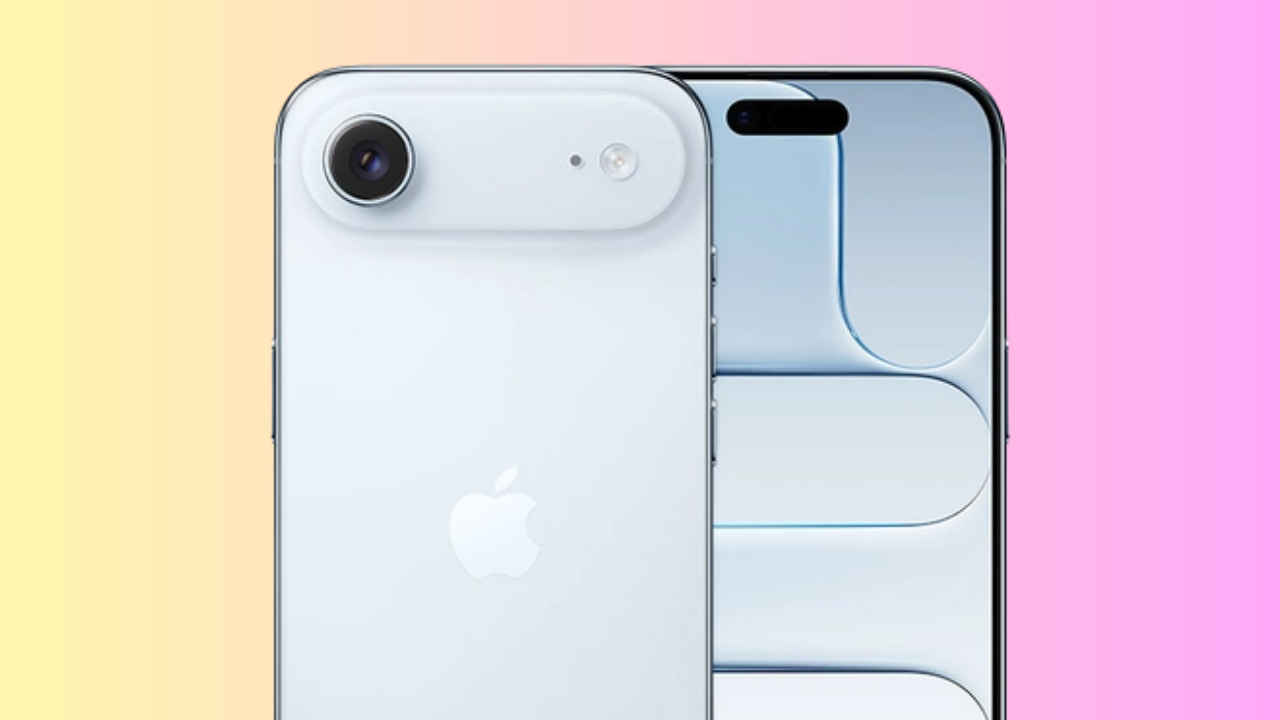
There’ll be Apple fanboys who’ll swoon over the iPhone Air, calling it the greatest thing since sliced bread. Then there’ll be others firmly in the Android camp who’ll call it an aberration, Apple’s cute but misguided attempt to flex its design and innovation muscle, too little too late.
 Survey
The truth, as always with Apple, a company that delights and infuriates in equal measure these days, is somewhere in the middle. But I’ll tell you this, despite which camp you identify yourself with in the Android vs iPhone divide, you have to go and see the iPhone Air with your own eyes. Touch and feel it, and you’ll realise why it’s a thin phone unlike any other – the likes of which only Apple can make.


It all starts with the design of the iPhone Air. Holding it for the first time had me genuinely excited about a new iPhone since the iPhone 4 and iPhone 5S over a decade ago. Even the hardest critics of iPhone Air will begrudgingly admit it has an X factor unlike any other smartphone – including other iPhones, from past and present. It’s thin, light, beautiful and elegant to behold. There’s something to it for sure, and it’s not all just hype.
Design and silicon firsts on the iPhone Air
Beyond its thin frame and overall design, in many ways, the iPhone Air is the biggest celebration of Apple silicon inside an iPhone till date. The new A19 Pro chip, featuring a 6-core CPU, a 5-core GPU with neural accelerators for enhanced AI performance, the N1 wireless networking chip enabling Wi-Fi 7 and Bluetooth 6, and the new C1X cellular modem for faster and more power-efficient 5G connectivity.
Also read: iPhone Air replaces the Plus: Why Apple’s new slim iPhone makes sense
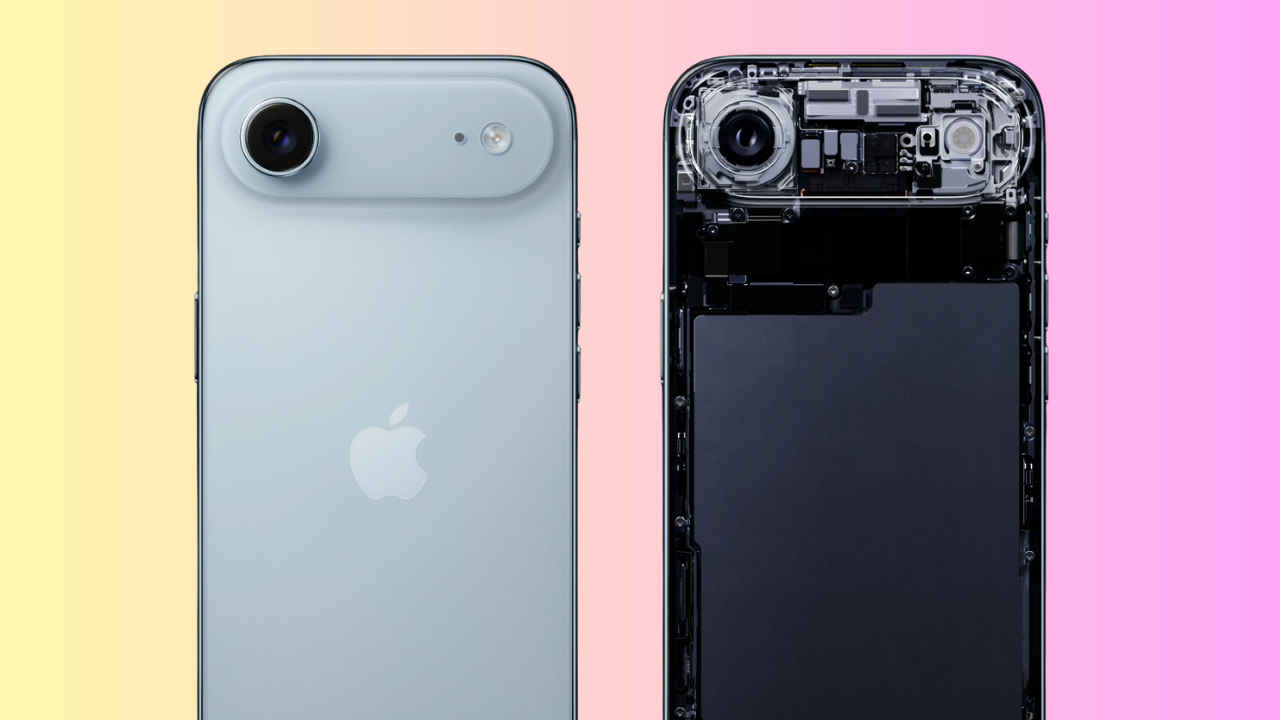
According to Apple, this step was necessitated by iPhone Air’s need to provide “all day battery” despite its super slim design. The fight for battery space is so real that it’s the only iPhone version that supports worldwide eSIM only. Packaging most of these Apple silicon chips in the raised camera bump is another important check mark in Apple’s journey towards a foldable iPhone around the corner.
iPhone Air is one half of the future iPhone foldable
Whatever you think about the iPhone Air, one thing’s crystal clear. There’s no getting away from the fact that behind all its gloss, veneer and hardware firepower, the iPhone Air needs to be looked at as one half of the upcoming iPhone foldable – expected to arrive as early as next year or in 2027, according to trusted reports.
If Apple is experimenting with the iPhone Air, it’s a decidedly different kind of experimentation than previous iPhones like the iPhone 13 mini or the iPhone 14 Plus – instances where Apple wasn’t quite sure if consumers preferred smaller or bigger iPhone slabs. That size debate is largely over, and Apple is convinced (as is the rest of the smartphone industry for that matter) that between 6 to 7-inch is the sweet spot for most people’s preferred smartphone screen size – and the iPhone Air sits nicely in the middle with a 6.5-inch screen.
Also read: Apple iPhone Air vs Samsung Galaxy S25 Edge: Price, camera, display, design and more
In making the thinnest iPhone ever, Apple isn’t flexing in a vacuum with the iPhone Air either. In making the thinnest iPhone ever, Apple is counting on its vertically integrated hardware-software stack to shine especially in the battery department – more than anything else. The silicon dies will shrink, PCB designs will get tighter, but what will need a significant jump in performance is the underlying battery tech – which is what the iPhone Air is expected to have, a new kind of high-density silicon anode battery (something that Apple hasn’t confirmed yet).
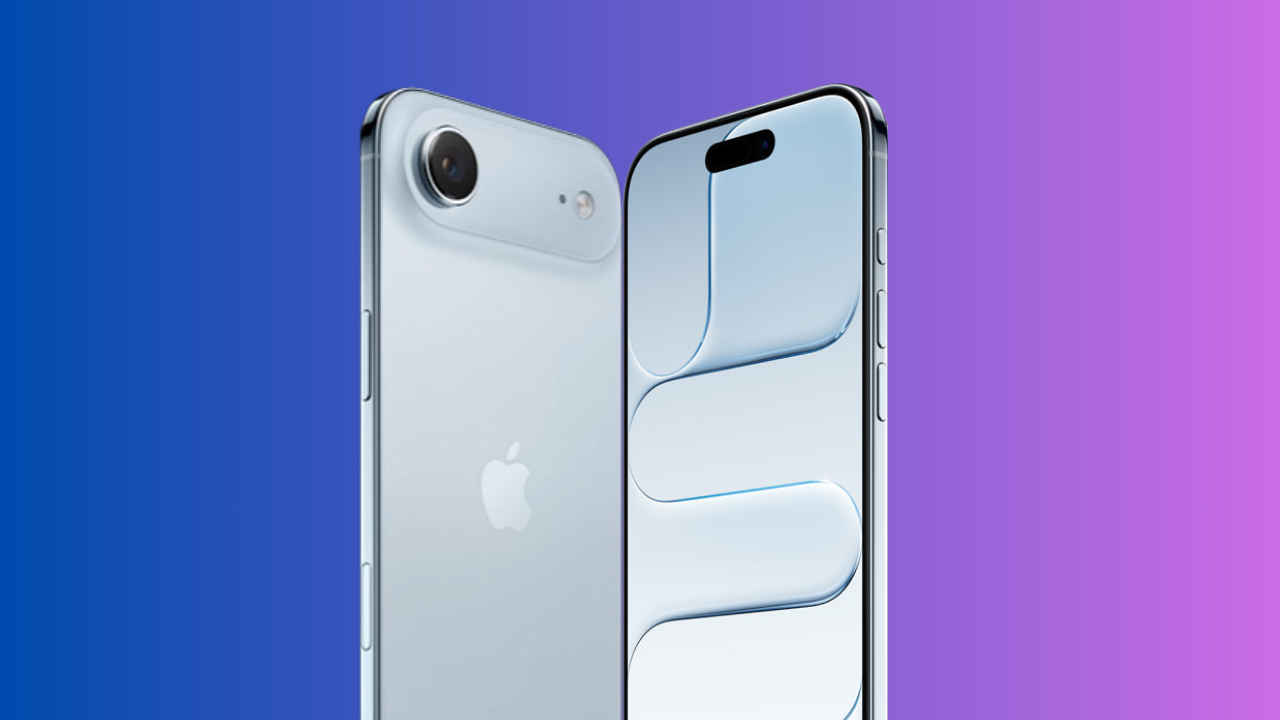
Getting the battery equation right through all the real-world market signals of the iPhone Air will no doubt inform and impact Apple’s battery-tech trajectory of the upcoming iPhone foldable device expected in a year or so. In that sense, the iPhone Air is a probe. A strategic chess move in Apple’s long game of owning the next form factor shift towards foldable smartphones.
So yeah, don’t think the iPhone Air is the latest in a fad of slim phones that are trying their hardest to create hype in a smartphone market that’s plateauing in terms of innovation. Instead, think of the iPhone Air as a necessary first step by Apple to test the waters of consumer sentiment and the wider smartphone ecosystem in their own quest to perfect the recipe of the future iPhone foldable – along with its necessary ingredients. A sign of things to come, where the form isn’t just following function for the here and now, but dictates its trajectory for years to come. And that’s the most exciting aspect of the iPhone Air.
Also read: Four iPhones, one choice: Which iPhone 17 model is the right pick for you
 Follow Us
Jayesh Shinde
Executive Editor at Digit. Technology journalist since Jan 2008, with stints at Indiatimes.com and PCWorld.in. Enthusiastic dad, reluctant traveler, weekend gamer, LOTR nerd, pseudo bon vivant. View Full Profile


