Macrohard envisions an AI-only company where autonomous agents handle all software tasks
Musk’s xAI explores fully automated development, replacing human programmers with AI agents
The Macrohard project tests whether AI can independently manage software creation efficiently
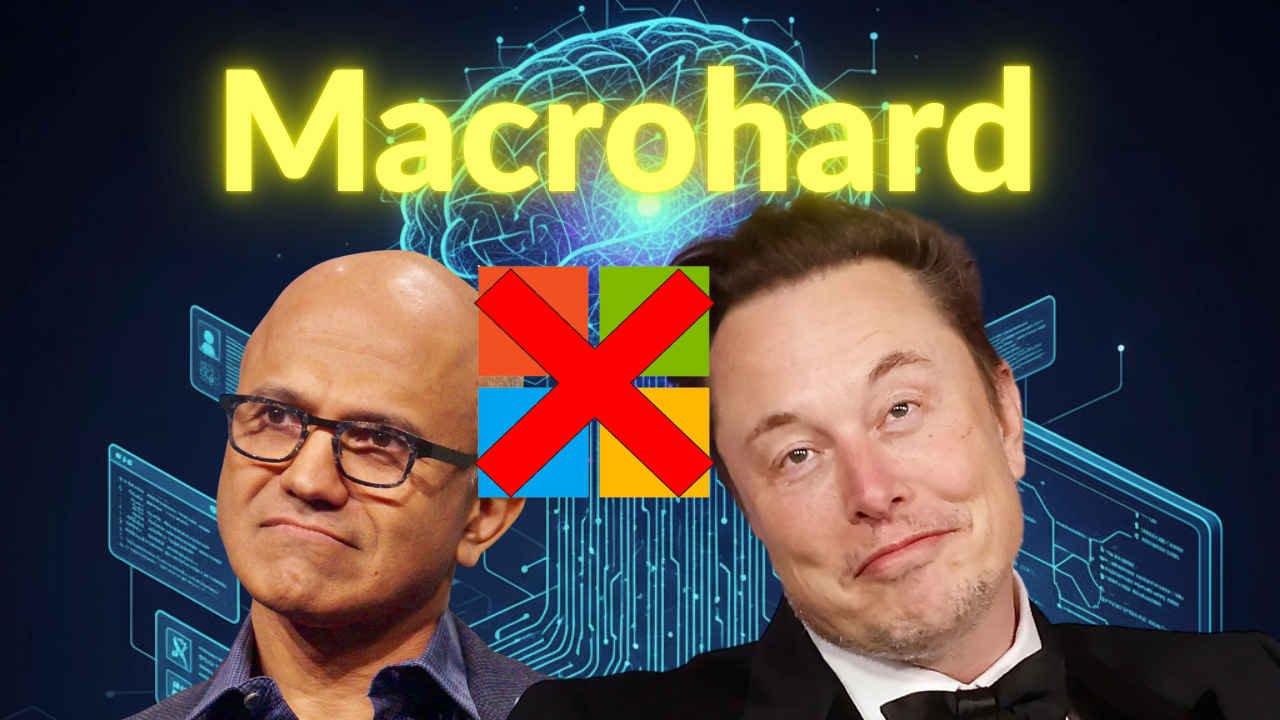
In the world of tech billionaires, “thinking different” is a requirement, but “being a pain in the neck” is a sport. So it’s no surprise that Elon Musk, after his purchase of a social media platform and a new AI obsession, has decided to create a company with a name that is less a tribute and more of a playground insult: Macrohard.
 Survey
Also read: Flipkart fulfillment centre secrets: What happens after you hit buy on Big Billion Days


A new name and an old rivalry
The sheer audacity of the name, a groan-inducing wordplay on “Microsoft,” is the kind of move you’d expect from a bored CEO who just realized he’d run out of things to acquire. Why bother with a subtle challenge when you can simply replace “micro” with “macro” and “soft” with “hard”? It’s the digital equivalent of putting a whoopee cushion on Satya Nadella’s chair, a public and very real taunt that adds another chapter to Musk’s long-running rivalry with Microsoft. This isn’t the first time Musk has taken a jab at the Redmond giant. He’s had a hot-and-cold relationship with them for years, famously tweeting “Macrohard >> Microsoft” on the 20th anniversary of Windows XP. He even revisited the same tweet after a widespread Microsoft outage, a move that proves a good joke never truly dies, it just gets re-shared with a new layer of shade. This new company, with its cheeky name and bold mission, is the ultimate escalation in their public feud.
The “Purely AI” vision
But beneath the childish jab lies a surprisingly serious, if utterly grandiose, vision. Macrohard, as Musk has dutifully explained, is a “purely AI software company.” His core argument, one that makes perfect sense to him and maybe a handful of AI researchers, is that since companies like Microsoft don’t actually build physical hardware, their entire operations—from writing code to managing projects—can be perfectly simulated and executed by an army of AI agents. Think of it as a corporate version of those old “The Sims” games, but instead of tiny people, you have tiny AIs doing all the work. It’s a fundamental shift in philosophy, trading human ingenuity for autonomous efficiency. While other companies are busy integrating AI into their existing workflow to augment their human employees, Musk is betting on a future where the employees themselves are the AI. It’s a vision of a fully automated software factory, where the only human input is presumably Musk’s occasional tweet to its robotic workforce.
How Macrohard would work: The agent army
Also read: Scientists have created AI-generated viruses that are killing bacteria: Here’s how
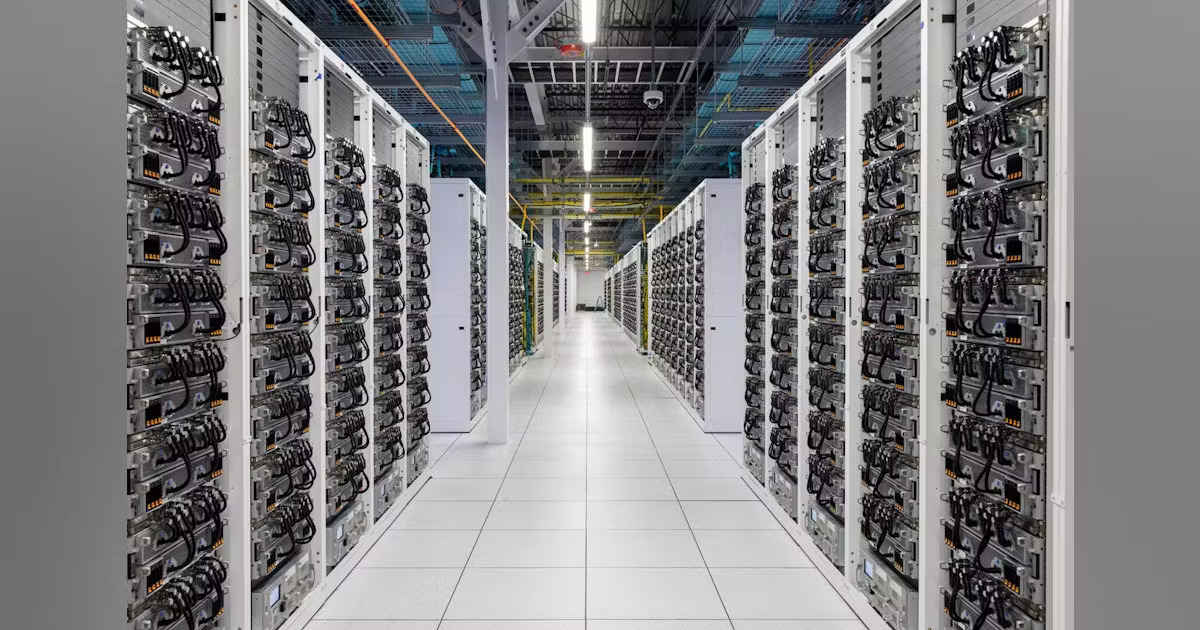
The plan, as outlined by xAI’s co-founder, involves a supercomputer named “Colossus” (because of course it does) and hundreds of specialized AI “agents” working together. These aren’t just glorified chatbots. They are supposed to be “computer control agents” with the capability to write and debug code, conduct quality assurance, and even handle management. The idea is for these agents to work together in a multi-agent system, creating a synergy that maximizes output. Born from the Grok model, these agents would emulate humans interacting with software in virtual machines until the result is excellent. This “agentic” approach promises to accelerate the entire development life cycle, eliminating the need for pesky things like salaries, benefits, or coffee breaks. With a massive computing infrastructure powered by millions of Nvidia GPUs, Musk aims to prove that AI can not only rival but outpace the traditional human-driven development model.
The skeptic’s view
While the vision is certainly audacious, it’s not without its challenges. Industry experts have pointed out that a purely AI-driven company faces monumental hurdles. For starters, the enterprise world demands reliability, security, and integration that an unproven, agent-based system may struggle to provide. What happens when an AI agent makes a subtle yet critical security error that goes unnoticed for months? Or when a bug in the code results in a product that doesn’t comply with local regulations? The legal and ethical implications are a minefield. Who is liable for an AI’s mistake? The human who supervised it, the company that built the AI, or the AI itself? And then there’s the big question: can AI agents truly replicate the creative problem-solving and nuanced human judgment that a team of experienced engineers brings to the table? So far, the project is more promise than product, with a trademark filed and a public hiring spree but no tangible software to show for it yet.
The bigger picture and its implications
Whether this is a legitimate business plan, a very expensive, very public science fair project or just a dragged out joke about Microsoft remains to be seen. The cynic might say it’s a brilliant marketing ploy to draw attention to xAI and Grok in an increasingly crowded AI market. After all, what better way to get headlines than by taking a swing at one of the most valuable companies on the planet? The real importance of Macrohard, regardless of its success, isn’t in whether it will replace Windows. It’s a statement about the direction of technology. It’s a public dare, a call to arms for AI developers, and a reminder that in the tech world, rivalries can be both deeply personal and incredibly profitable. So while Microsoft continues to quietly innovate and build on its partnerships, it now has a new, snarky, and very loud rival to deal with. And for that alone, it’s worth watching.
Also read: Claude AI glitch explained: Anthropic blames routing errors, token corruption
 Follow Us
Vyom Ramani
A journalist with a soft spot for tech, games, and things that go beep. While waiting for a delayed metro or rebooting his brain, you’ll find him solving Rubik’s Cubes, bingeing F1, or hunting for the next great snack. View Full Profile


