
 E-Magazine
Exam in a box: Excelsoft wants to make India's examinations leak-proof
Excelsoft's matchbox-sized SARAS box turns any room into a test centre
Exams run fully offline, with encrypted question packs and responses
Real vulnerability lies in the 90 days before exam day
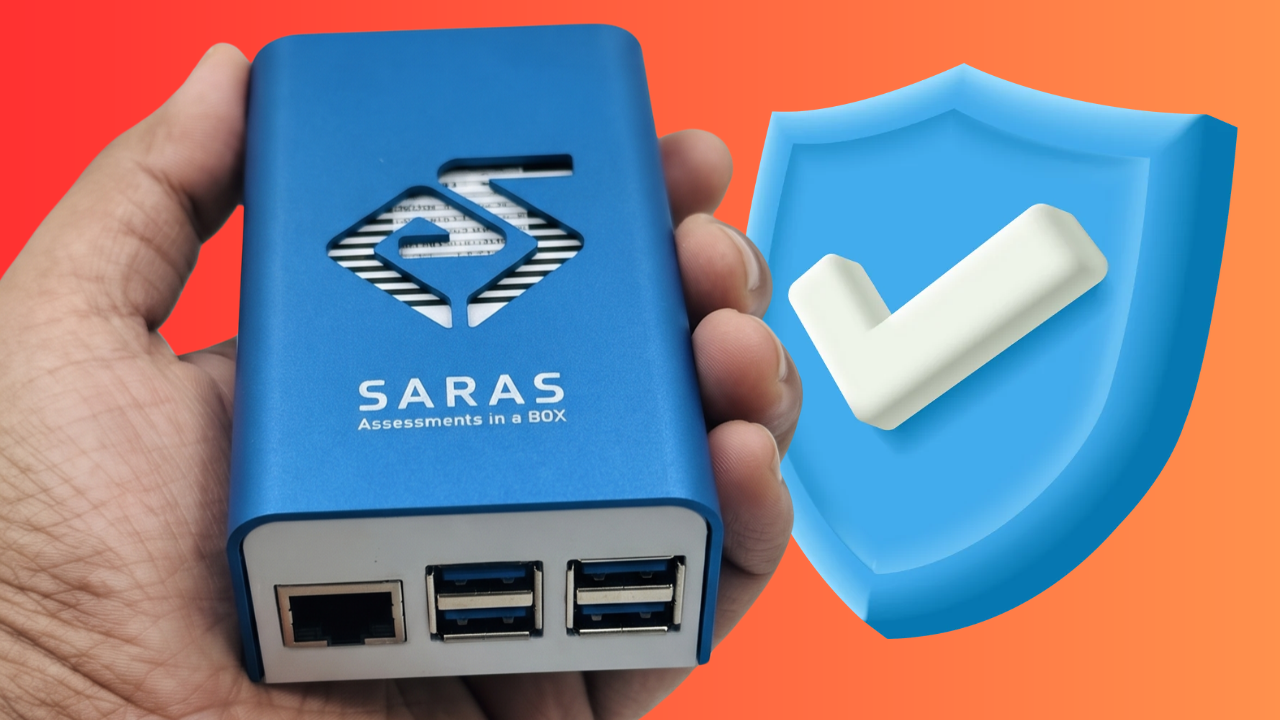
India’s examination system and its overall experience seems broken at worst and outdated at best. Just check the NEET-UG 2026, Maha TET 2026, and other central and state government paper leak fiasco. Exams have turned into some sort of cruel Russian roulette for students in India. But what if technology provides a fix that not only secures exams but shrinks an exam centre to fit in your palm?
That's the pitch from Excelsoft Technologies, at least. The 26-year-old, Mysuru-headquartered tech company has built a platform called SARAS – short for Saraswati – which powers important exams and tests across the US, UK, Canada and Singapore, among other places.
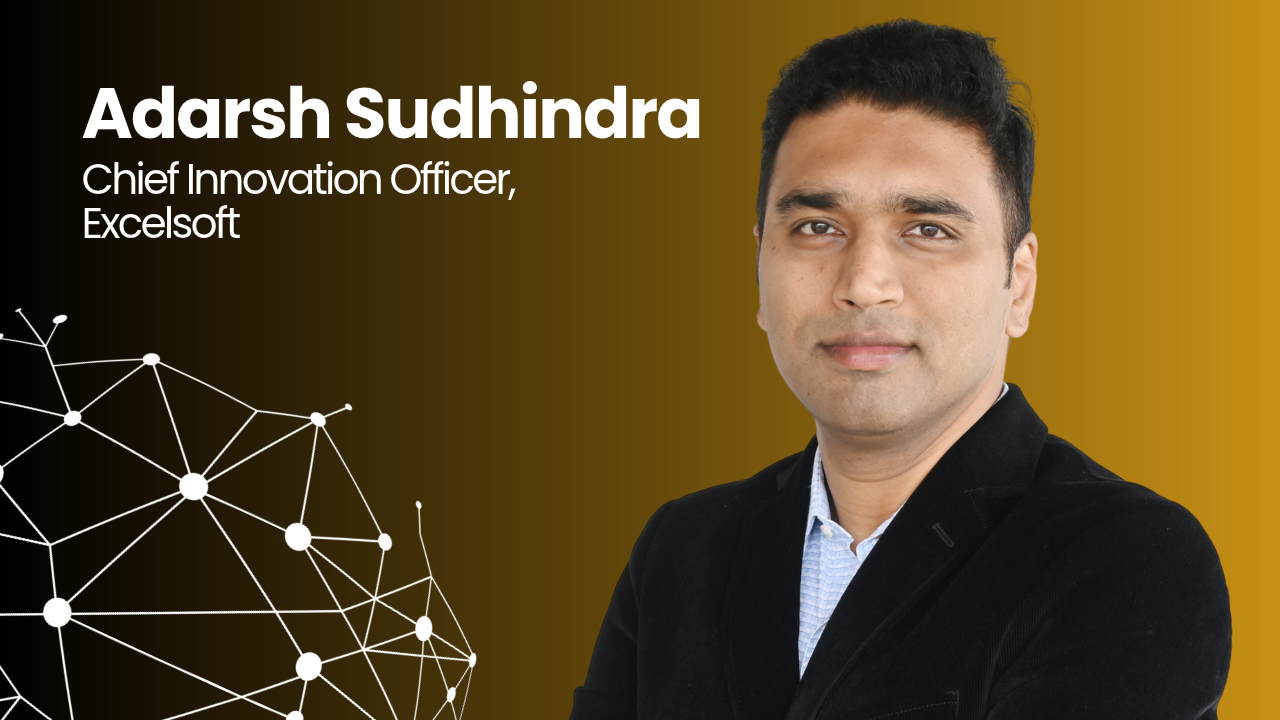
I spoke with Adarsh Sudhindra, Chief Innovation Officer at Excelsoft, about what it would take to digitise India's examination process and secure it every step of the way. And restore trust into the system, like never before.
Tier-2 Indian company with a global exam record
Excelsoft's track record abroad is the key to its growing India ambitions, and Adarsh points to the GMAT as the platform’s best example. "Anyone who wants to do an MBA anywhere in the world has to take it, and 100% of the GMAT runs on our software. It has been running for eight years straight with zero issues with not one cheating instance, not one exam failure. We operate in a high-stakes market: if a lakh students take an exam and even one is unable to complete it, or there's any compromise, the entire exam is viewed as a failure," he says.
Historically slow to accept tech, India never got much of Excelsoft's attention – until the recent string of exam paper leak incidents. That’s why the company now wants to bring its proven overseas pedigree home. "I've been vocal about our capability, and about the fact that despite being based in a Tier-2 city in India, we've delivered for the GMAT and for the states of New York and California. Why can't we do it for our own country?" It’s an important question by Adarsh Sudhindra, and not without cause.
The problem SARAS solves
The centrepiece of Excelsoft’s ambition is SARAS Assessments in a Box, built for exam delivery beyond the well-wired metro test centre. "The problem it solves is access,” says Adarsh. “Not just in India but globally, our customers struggle to deliver exams because reliable means of delivery don't exist. Even in the northern UK, finding a test centre with reliable internet and hardware is difficult."
Until now, the answer to that problem has been brute force. "What we typically do is take beefy laptops or servers that can support 100-150 candidates, deploy the SARAS software onto a local server, and carry it into remote locations - villages, community halls, schools - open up a Wi-Fi network, and turn that room into a test centre. It's a very difficult logistical exercise," explains Adarsh.
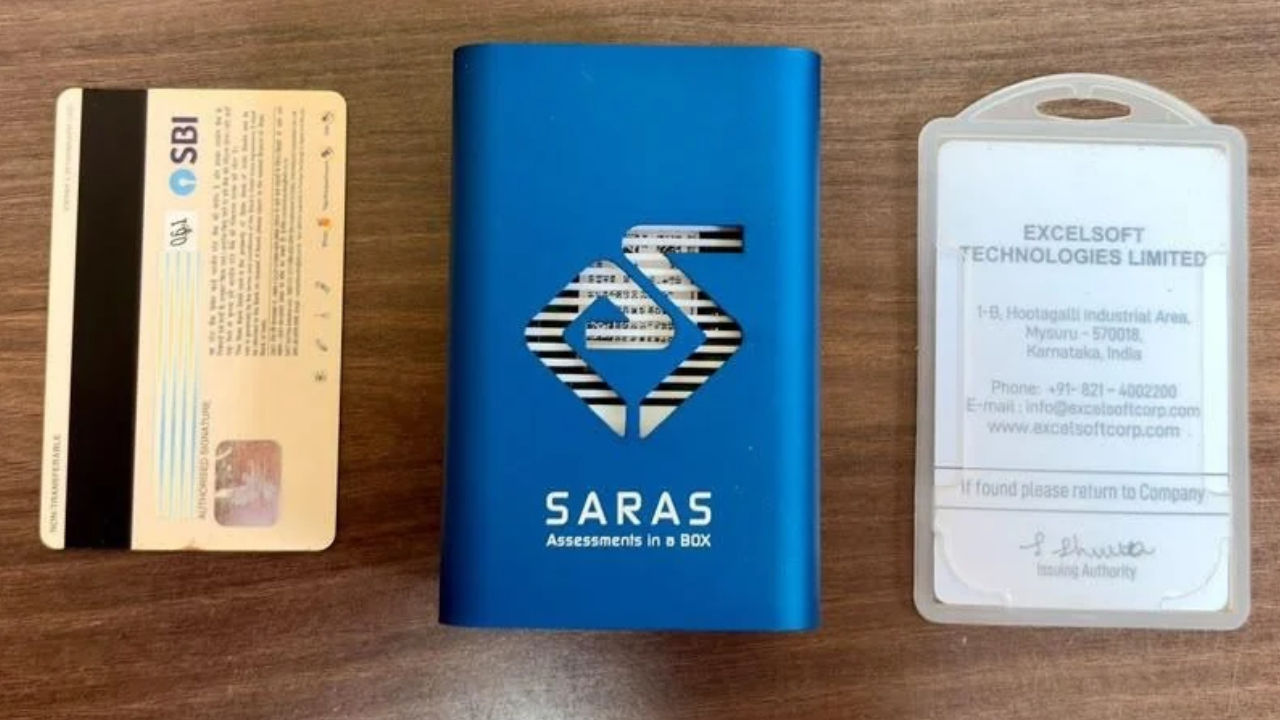
But the new SARAS box miniaturises the logistics, Adarsh tells me. "It's a small box based on Raspberry Pi architecture, but 26 years of experience building our service software let us compress the entire SARAS platform to fit inside it."
The box weighs 78 grams and measures 92×60×44 mm – smaller than a smartphone. It only needs to connect online to fetch encrypted exam packs and later to sync results – the exam itself runs fully offline, according to Adarsh.
There are extra security measures to prevent paper leaks. Examinations are schedule-locked to prevent them getting opened early, and all the candidate responses and audit logs stay encrypted on the box until they sync to the central SARAS system. Candidates need nothing installed on their machines to take the test – just a web browser.
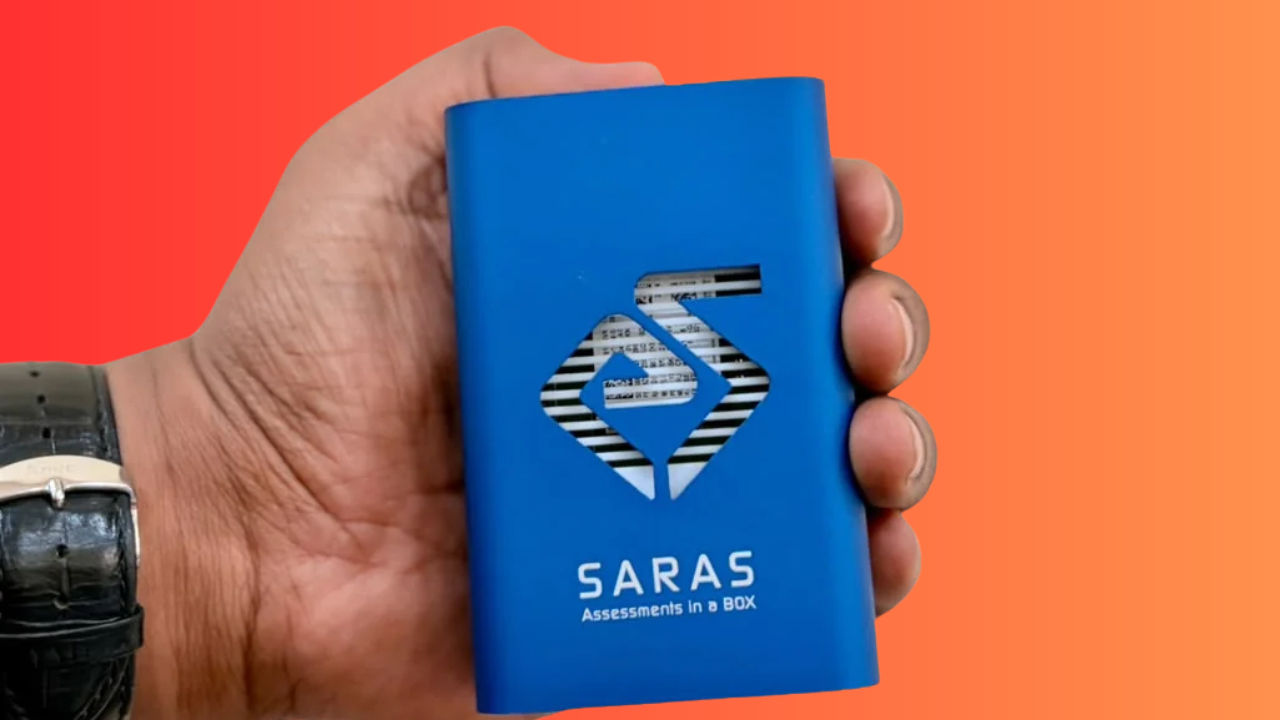
Adarsh walks through a couple of deployment scenarios for the SARAS assessment box. The first is a well-equipped centre. "You plug the box into that network and it's smart enough to pull the right test in a secure, encrypted form from the cloud. Students walk in, connect to the local Wi-Fi, hit a URL, and take the exam - up to 150 candidates can take the exam through this one small box," according to Adarsh.
The second is a room with four walls but no network, a village school or community hall, for example. Excelsoft deploys a compact router as an accessory for these scenarios, and the SARAS box creates a temporary test centre in a venue never built for one."An assessor turns up with the box, turns it on, and it opens its own Wi-Fi network that can serve up to five candidates. Everything is secure - a lockdown browser, encrypted questions and responses, and 40 different question types, which no other competitor in the market supports."
Made in India, patent pending
Not for a year or decade, Excelsoft has been in the exam tech business for a quarter century, and SARAS marks their deliberate bet on hardware built around its core domain expertise, explains Adarsh.
"That's how the idea for the box came about, to help our customers deliver secure exams in remote locations more easily. We're proud to have built and designed it entirely from scratch – including the drivers and the enclosure, and a patent is filed and pending."
Do they even have any customers for the SARAS box yet? "We already have customers in the UK and Scotland – in Scotland it will be used for assessments with a vocational body, and separately in England. We're also on the verge of signing an agreement with a large group of private institutions in India to run all their exams on the box," Adarsh tells me.
Securing examinations 90 days before exam day
A box can secure exam day. But Adarsh argues the real innovation is securing the entire process. For example, he takes the UPI analogy. If we send someone ₹100, a vast amount of technology works behind the scenes, yet you never worry or think about it every single time. "You trust that the ₹100 will go through correctly, and you're only thinking about the dosa you're about to buy. Testing should work the same way," suggests Adarsh.
We're not there yet, he concedes, and NEET illustrates why. "Today there's too much doubt around the testing system generally, and it's not just about exam day - 90 days before the exam is where most of the operations, and most of the vulnerability, actually happen. Take the recent NEET fiasco – the chain of author, reviewer, translator, and publisher is where the compromise occurred, not necessarily on exam day itself. We need trust built into the entire ecosystem, not just on the day of the exam."
That's why SARAS spans the entire lifecycle – authoring, secure question banking, exam packaging, delivery (online, paper-based or proctored), human and AI marking, and reporting. Ultimately, Adarsh believes the format itself is a security risk, and there’s a need to re-think exams as we do them currently.
"Right now it's one exam for 22-23 lakh people, on a single Monday morning at 9 am, across the entire country – that structure itself needs to change,” Adarsh believes.
“We should think about a larger item bank, and about applying psychometrics more seriously – it's an actual science, and people do PhDs in how to measure learning. Using psychometrics to change the exam structure means it doesn't have to happen for everyone on a single day at a massive scale, which is exactly what makes it so vulnerable to leakage and cheating."
Five years out, Adarsh and Excelsoft expect India's top exams to embrace technology far more than what it is currently. But for a country where one leaked paper can dash millions of aspirations, the real test for SARAS is making exams so uneventful that nobody thinks about more than making a ₹100 UPI payment.

Jayesh Shinde Executive Editor at Digit. Technology journalist since Jan 2008, with stints at Indiatimes.com and PCWorld.in. Enthusiastic dad, reluctant traveler, weekend gamer, LOTR nerd, pseudo bon vivant.
View full profile