Chandrayaan-2 made the first lunar observation of solar CMEs
Findings reveal how solar storms alter the Moon’s fragile exosphere
Breakthrough advances space weather science for future human lunar missions
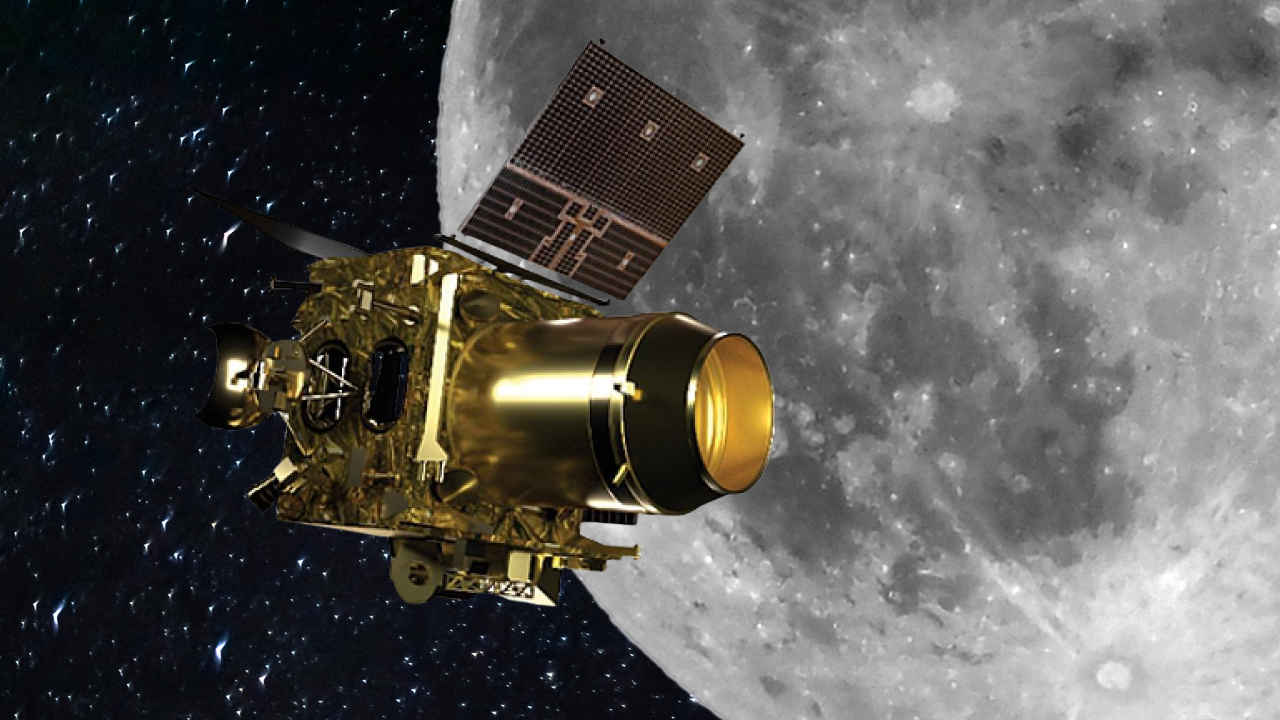
When India launched Chandrayaan-2 in 2019, the mission was widely seen as a bold attempt to soft-land on the Moon. But even after the Vikram lander’s setback, the orbiter continued its silent work – quietly spinning, sampling science, and evolving into one of the most productive lunar laboratories in history. Thanks to the Chandrayaan-2 orbiter, ISRO announced a milestone that places India at the forefront of lunar science, as Chandrayaan-2 has made the world’s first-ever observation of solar Coronal Mass Ejections (CMEs) impacting the moon’s exosphere (outer atmospheric layer).
 Survey
Make no mistake about this Chandryaan-2 orbiter’s milestone, as this isn’t just a scientific footnote, but a breakthrough that deepens humanity’s understanding of space weather and its influence beyond earth.


What are CMEs and why do they matter?
In case you didn’t know, Coronal Mass Ejections are colossal eruptions from the sun’s surface, where it ejects billions of tons of charged plasma into space at incredible speeds. When CMEs hit earth, they can disrupt satellites, power grids, and communication systems – phenomena collectively known as ‘space weather’. Understanding CMEs is critical not just for science, but for the safety of future human spaceflight. Therefore, this ISRO milestone is so big.
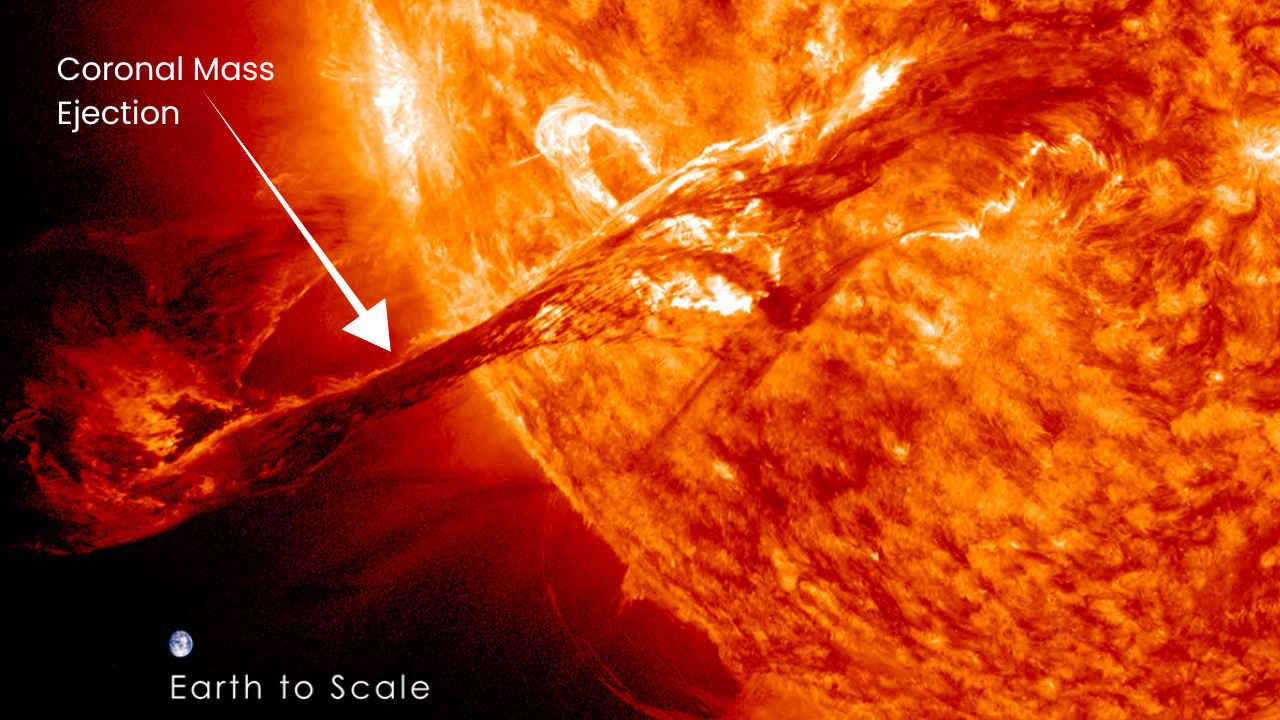
Until now, our understanding of CME effects has been largely down to earth-centric observations. Chandrayaan-2 has obviously changed that.
How Chandrayaan-2 detected CME’s lunar impact
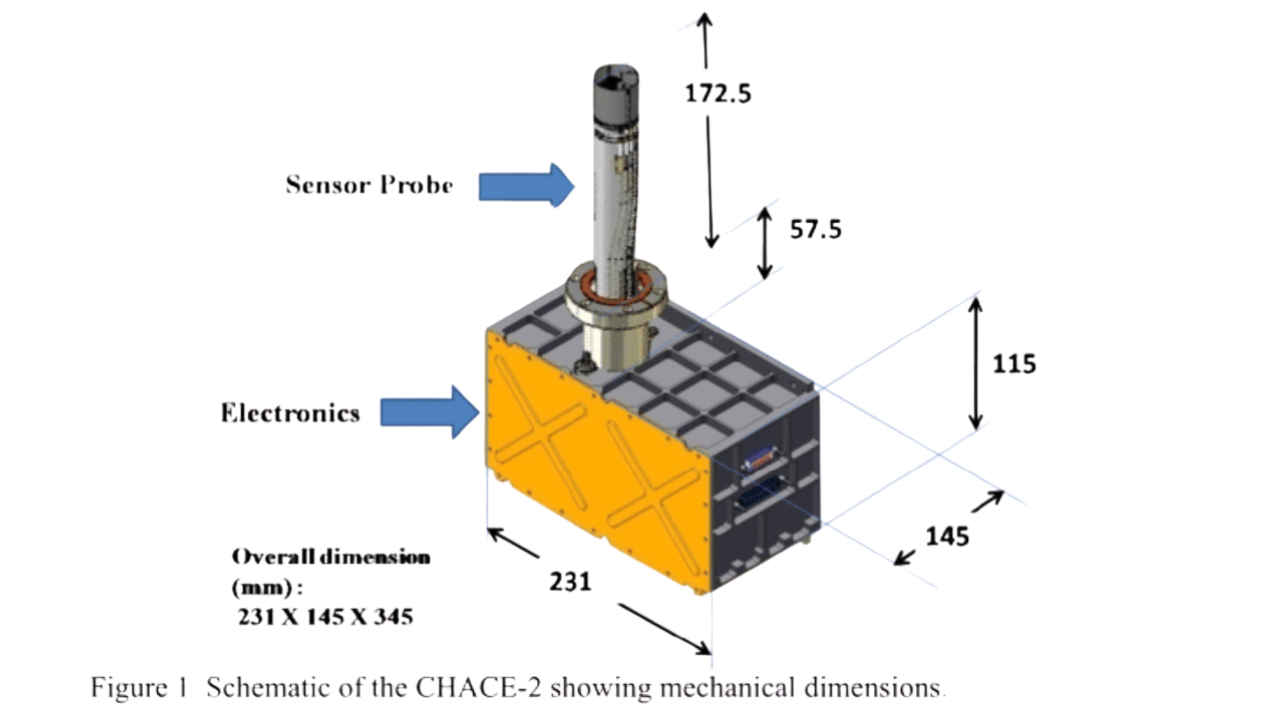
Using its CHACE-2 (Chandra’s Atmospheric Composition Explorer-2) instrument, which is designed to analyse the extremely challenging lunar exosphere, the Chandrayaan-2 orbiter recorded unusual chemical and particle variations around the moon. These fluctuations matched the timing of a powerful CME from the sun, explained ISRO.
What made this discovery by ISRO’s Chandrayaan-2 so special isn’t just the observation itself. It’s remarkable precisely due to where the observation happened – from the moon, a celestial body with no magnetic shield and no thick atmosphere. Unlike earth, the moon is fully exposed, making it a natural laboratory for studying raw solar interactions.
Also read: ISRO’s third rocket launchpad by 2029: Key features explained
Why this discovery is so groundbreaking
Simply put, because no previous mission – from Apollo to Lunar Reconnaissance Orbiter – has ever captured direct CME effects on the moon. Chandrayaan-2 has provided the first empirical evidence of how solar storms alter the lunar environment, thereby adding another feather to ISRO’s already illustrious space exploration hat.
The moon’s “atmosphere” is more of a ghost – just trace amounts of gases. Yet CMEs can temporarily alter its composition, hinting at processes like particle sputtering and surface charging. This has added new depth to our understanding of the lunar exosphere. Understanding these changes is crucial for future crewed lunar bases, where equipment and habitats must withstand extreme space weather.
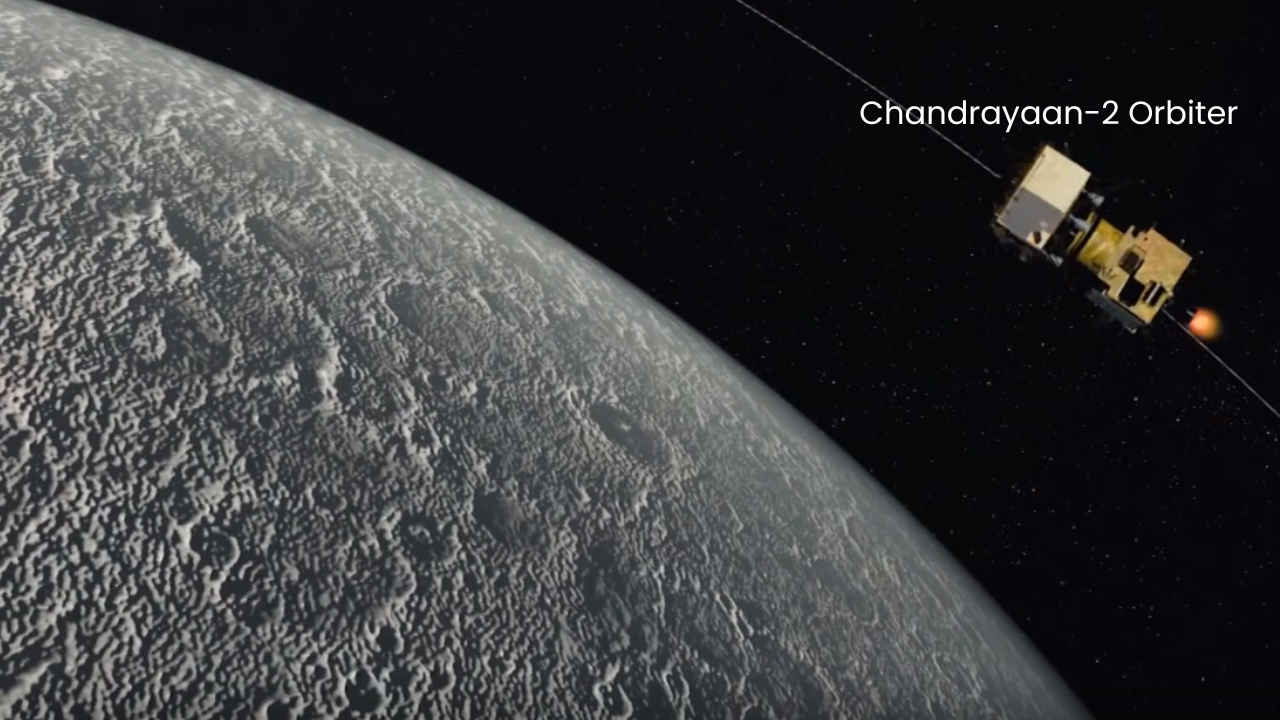
Future Artemis missions, ISRO’s own ‘Bharatiya Antariksha Station,’ and potential lunar habitats all face a critical question: How dangerous are solar storms when there is no earth-like protection? Chandrayaan-2 begins to answer that.
For ISRO, this is strategic validation. Because even without a surface rover, Chandrayaan-2 is delivering frontier science. For humanity, it signals a shift. To build sustainable life beyond earth, we must decode how solar storms behave on alien worlds. And ISRO and Chandrayaan-2 orbiter are making key contributions in that direction, a fact that should make every Indian proud.
Also read: Top 10 ISRO achievements that made us proud
 Follow Us
Jayesh Shinde
Executive Editor at Digit. Technology journalist since Jan 2008, with stints at Indiatimes.com and PCWorld.in. Enthusiastic dad, reluctant traveler, weekend gamer, LOTR nerd, pseudo bon vivant. View Full Profile


