
 E-Magazine
Using the Apple iPod Touch for the first time on the original iPod's 25th anniversary
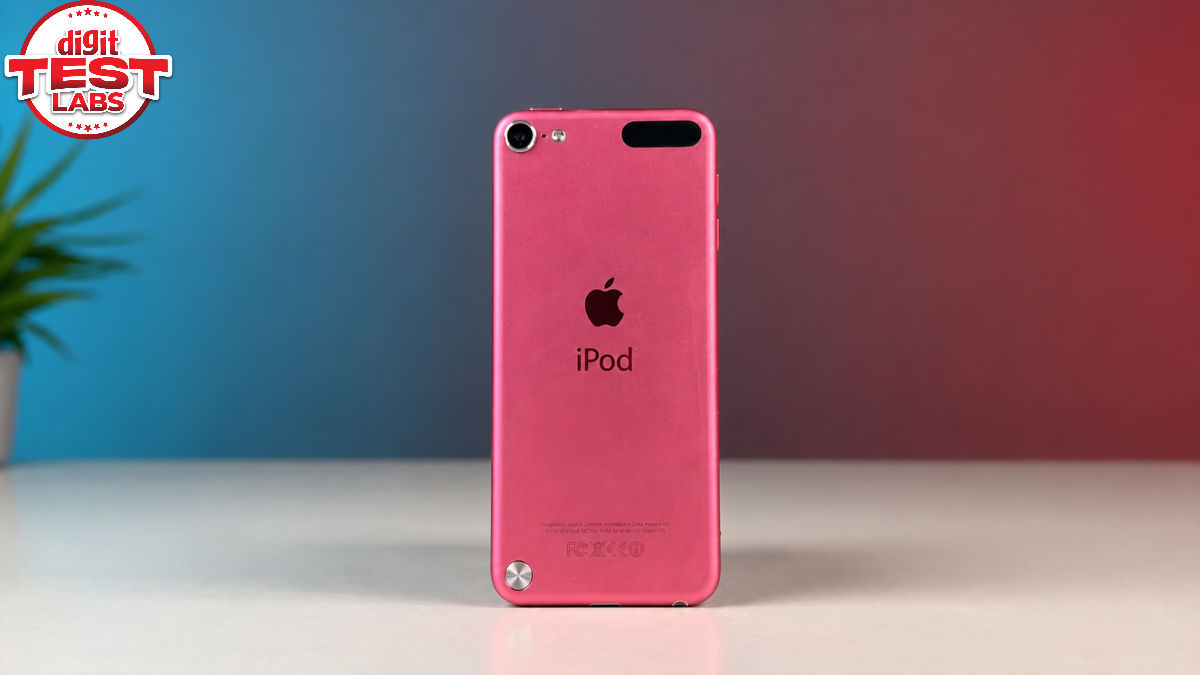
Back when I first saw an iPod Touch in my cousin's hands, I would often borrow it to play games. The iPhone was already around and had begun eating into the iPod's market and purpose. But this was years ago. The iPod Touch had a large enough touchscreen to make mobile gaming enjoyable, and I have always been interested in music and gadgets. Years later, I recently borrowed the same sixth-generation iPod Touch from my cousin on the occasion of the original iPod's 25th anniversary. Having only experienced it briefly as a gaming device, I wanted to spend some proper time with it and understand its appeal. I also wanted to see how it compares with what I am used to on my iPhone Air.
So, here are my thoughts on how much Apple's approach to personal devices has changed, and whether its iconic music player is still usable in 2026 or is now simply a piece of technology history.
A familiar design with some dated elements
The first thing I noticed about the iPod Touch was its size. It is remarkably compact by modern standards, and its slim aluminium body still feels good in the hand. Since I daily the iPhone Air for its slim and light build, I was drawing parallels with the Air. Both have a single rear camera and a slender form factor. It is just that the iPod is way too thin, and its presence is negligible in pockets and the palm.
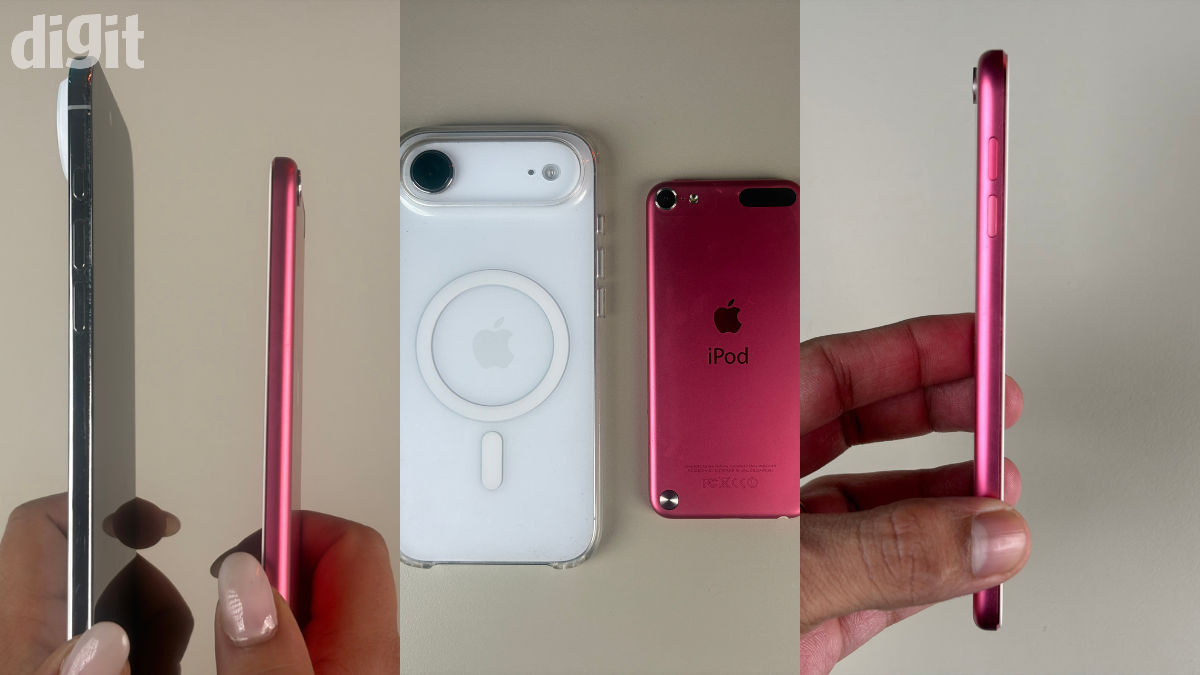
My sister's unit is pink in colour and she has kept it in pristine condition. Despite being more than a decade old, her iPod Touch has aged rather well in terms of design. It doesn't have any visible signs of wear. The front of the iPod is in Apple's signature white colour. That colour combination and aluminium build still give it a premium feel.
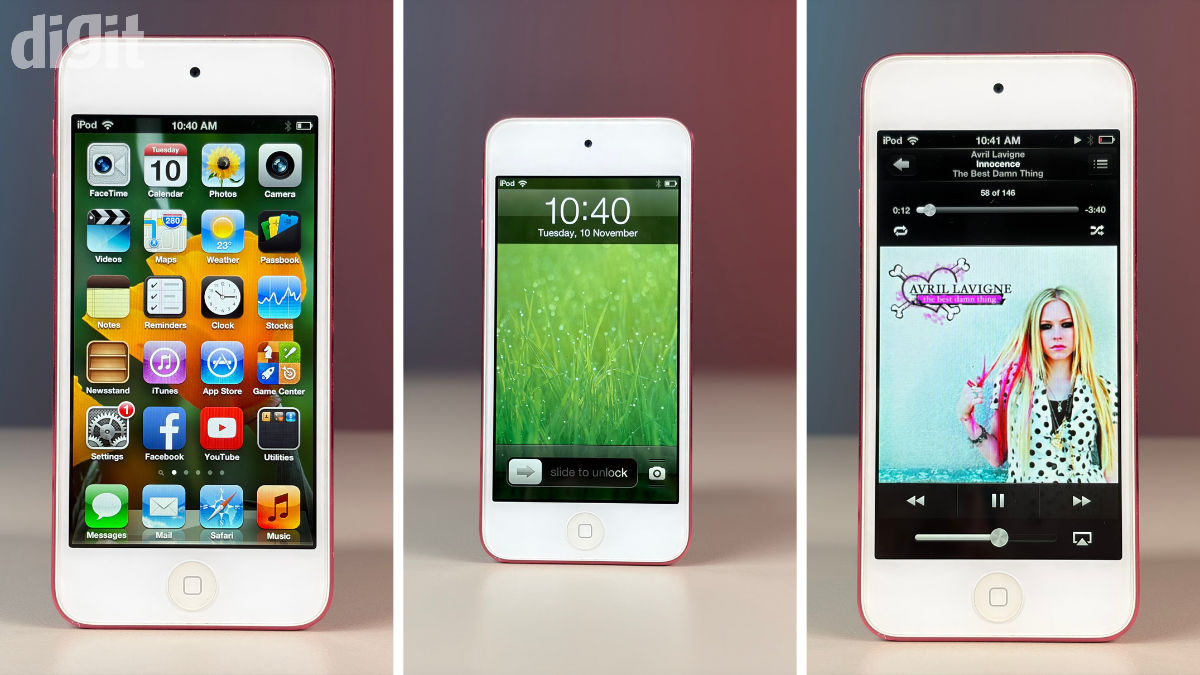
Once you switch on the display, you get a 4-inch Retina screen with a resolution of 1136 x 640 pixels and a pixel density of 326 PPI. It is reasonably sharp and bright. No slim bezels, though. The white forehead and chin house the front camera and the physical Home button, respectively.
Not so user-friendly software experience
Once you interact with the iPod OS, you realise how difficult it is to navigate, especially coming from modern iOS and Android UIs and gesture-based navigation. The interactions aren't always intuitive. The colours, icons and overall visual language also look dated. There is some charm, but it is not pleasant to use today.
Typing is a tough task as the small display leaves little room for the on-screen keyboard. I was struggling to search things on Safari or simply enter a Wi-Fi password. Ironically, the ergonomic form factor doesn't translate to an easy-to-use interface.
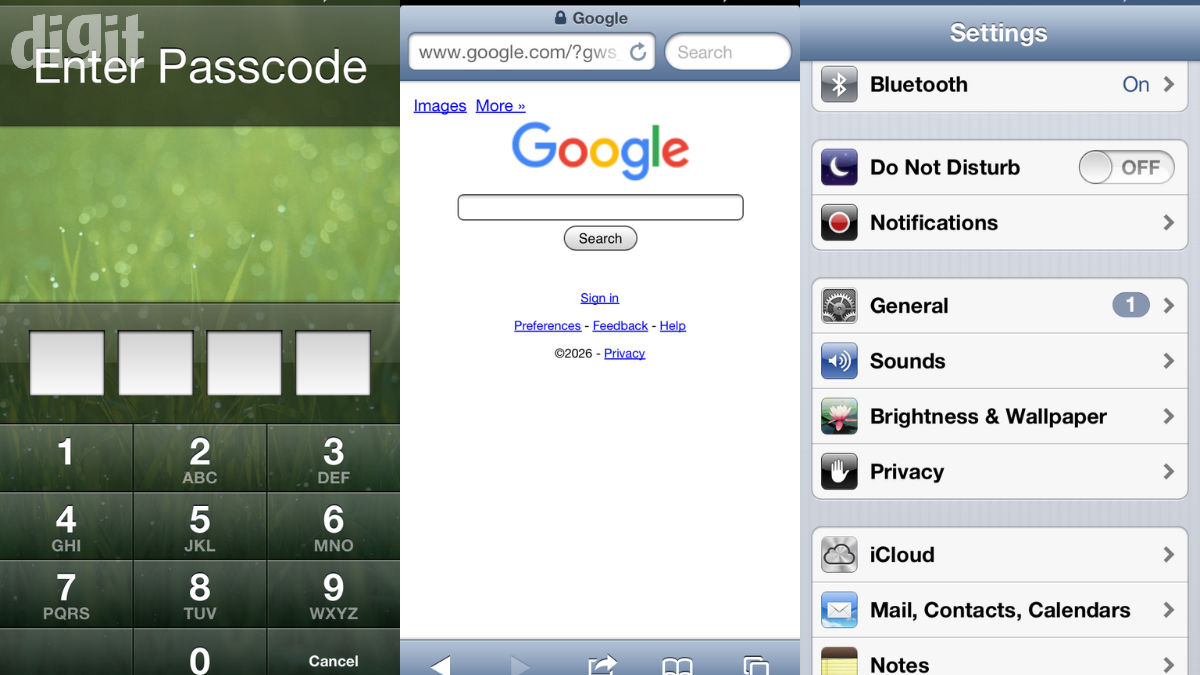
To be fair, the interface made sense in the context of its time. The physical Home button, skeuomorphic app icons and touch-based navigation were part of what made the iPod Touch appealing. But after years of using modern smartphones, going back to this interface takes some getting used to.
A reminder of how we used to consume music
One feature I genuinely appreciate is the 3.5mm headphone jack. Apple removed the headphone jack from its iPhones years ago. So, it was good to use wired headphones on the iPod Touch. It also supports Bluetooth headphones, which means there is no shortage of listening options.
If you yearn for digital minimalism by keeping your music library separate from your phone and carry a dedicated player, this device still makes sense. The sixth-generation model supports common audio formats, including AAC, MP3, Apple Lossless, WAV and AIFF. Its headphone jack makes it a convenient option for someone who maintains a local music library and prefers wired headphones. It won't be appealing to someone like me who relies entirely on streaming services.
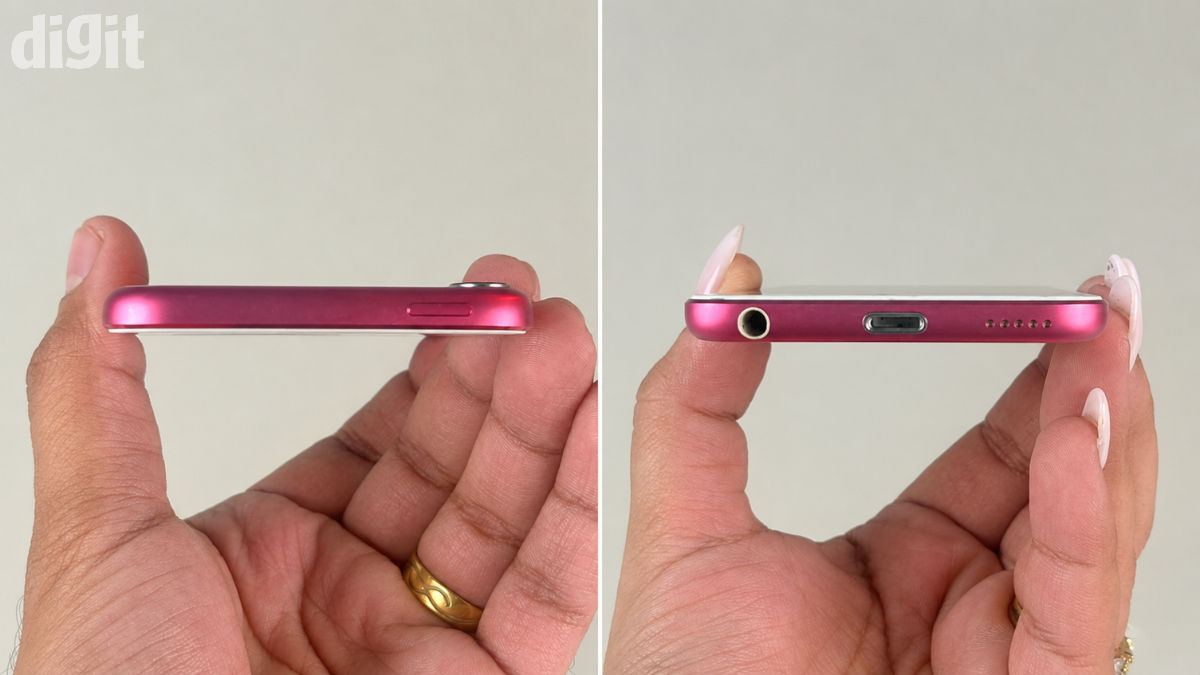
My first experience with the iPod Touch has been quite revealing. I can understand why it was such an appealing product when it launched. It offered an accessible way to enjoy music, browse the internet and play games without buying an iPhone. Its compact design, aluminium construction and headphone jack still have their appeal. And the older iPods had a certain charm, particularly when carrying your music collection around was a novelty.
But using one in 2026 is an odd experience. Coming from an iPhone Air, I found the older interface difficult to navigate, typing uncomfortable and the overall software experience dated.
So, if you were to use it today, I think the iPod Touch's usefulness depends heavily on what you expect from it. Someone looking for a compact device to play locally stored music might still enjoy owning one. Collectors and Apple enthusiasts might appreciate it as a piece of the company's history. But someone like me, who relies on streaming services and expects the convenience of a modern smartphone, will find it difficult to justify.
Using the iPod Touch on the original iPod's 25th anniversary has given me a better appreciation of what Apple achieved. The iPod changed how we carried and consumed music. But smartphones have changed what we expect from a personal device. And that is perhaps the biggest reason why the iPod Touch feels like a product from another era.
Keep reading Digit.in for similar stories.

G. S. Vasan G.S. Vasan is the chief copy editor at Digit, where he leads coverage of TV, audio, and appliances. His work spans reviews, news, features, and maintaining key content pages. Before joining Digit, he worked with publications like Smartprix and 91mobiles, bringing over seven years of experience in tech journalism. His articles reflect both his expertise and passion for technology.
View full profile