Australia to ban social media for under-16s using proven AI-based age verification technology.
Biometric and ID checks to power Australia’s child-safe social media policy by end-2025.
Australia's new law sets global precedent for tech-driven social media age restrictions.

Australia is set to become the first country in the world to enforce a nationwide ban on social media access for children under 16, backed not by a sophisticated suite of age-verification technologies that have now been proven to work. A landmark government-backed trial has shown that it is both possible and practical to keep young users off major social platforms, setting the stage for legislation to be enforced by the end of 2025.
 Survey
The trial, overseen by the UK-based nonprofit Age Check Certification Scheme (ACCS), tested whether current technologies could reliably verify a user’s age without compromising privacy. The results, delivered in mid-June, mark a turning point in Australia’s push to regulate social media access for minors.


Also read: Australia bans social media for kids under 16: Should India do the same?
A multi-layered system to verify age
At the core of the policy is a layered verification model that combines identity checks, biometric estimation, and contextual signals. Each method contributes a different level of assurance, and when used together, they make bypassing the system significantly more difficult. The first method, ID-based verification, relies on official documents such as passports, driver’s licenses, or other government-issued IDs. Users submit these to a secure, independent system that verifies their date of birth and issues a digital token to confirm their eligibility. Importantly, the platforms themselves never receive or store the actual documents.
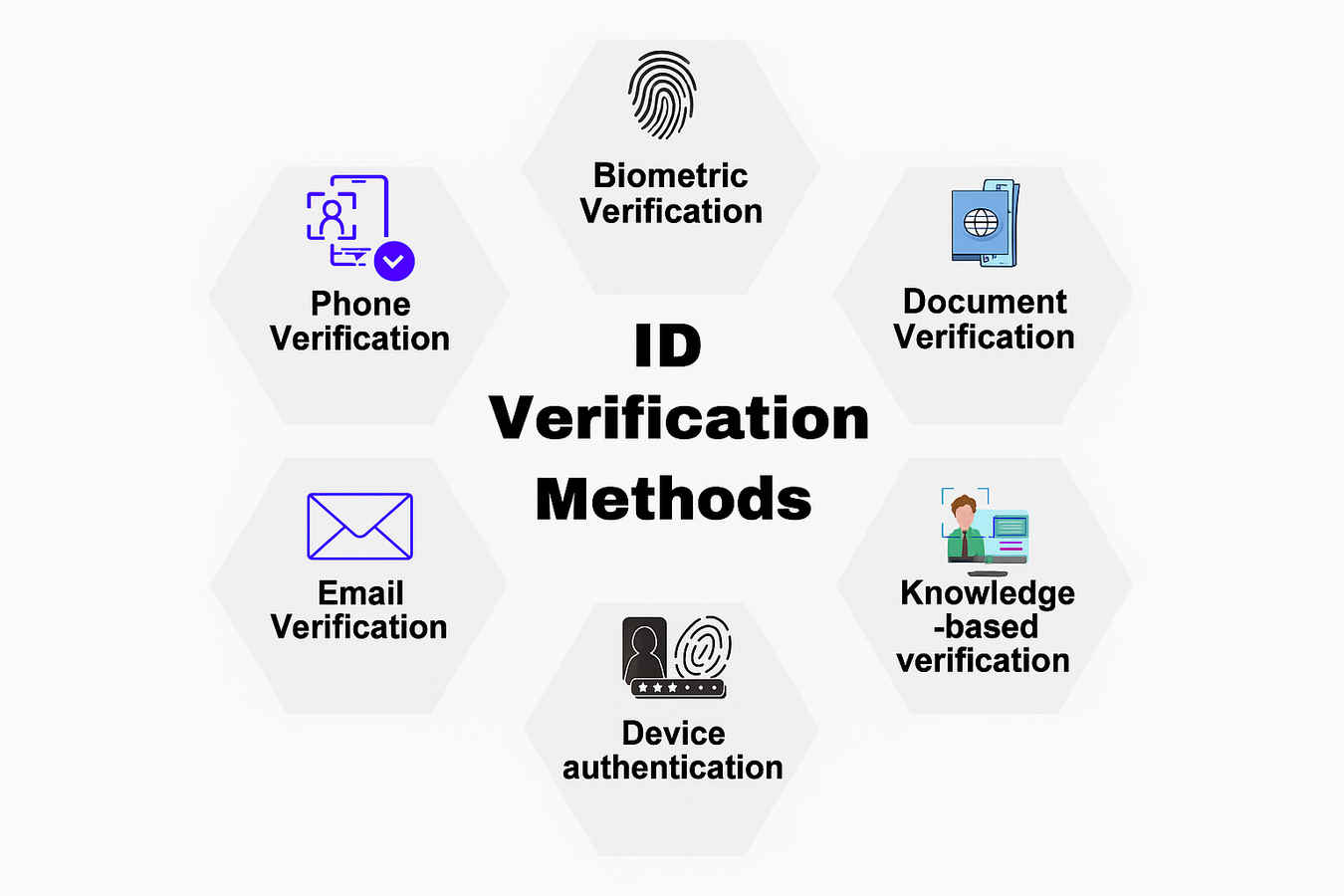
Biometric age estimation adds a faster, more frictionless layer. Users are asked to submit a short video or selfie, which is then processed by AI trained to estimate age with a high degree of accuracy. These systems can detect whether someone appears to be under 16 within seconds, and the biometric data is not stored once the estimation is complete. The third layer is contextual inference, which uses behavioral and digital signals, such as email domains, language use, purchase history, and account activity, to estimate the likelihood that a user is of legal age. While not definitive on its own, it enhances the reliability of the system when used alongside the other tools.
This combination of technologies addresses the major challenge that platforms have faced for years: how to verify age accurately without collecting and storing invasive personal data. The trial demonstrated that this balance is achievable.
What platforms are affected?
The legislation specifically targets popular platforms such as Instagram, TikTok, Snapchat, and X. These platforms will be required to implement compliant age-verification systems by December 2025 or face fines of up to AUD 49.5 million per breach.
Also read: Google Cloud outage: What happened and why it’s scary
However, not all services are covered. Platforms like YouTube, WhatsApp, and Google Classroom are currently exempt from the ban. The rationale is that these tools often serve broader or educational purposes, but critics have pointed out that children can still be exposed to inappropriate content on them. The selective scope of the legislation may become a point of debate as implementation nears.
With the release of the trial results, Australia now has a working model for age assurance that meets its legal requirement of taking “reasonable steps” to prevent underage users from accessing social media. More significantly, it positions the country as a leader in digital child safety policy. Other countries, including the UK, New Zealand, and members of the European Union, are closely watching how this policy unfolds. While many governments have voiced concern about the impact of social media on young people, few have pursued enforceable age restrictions with this level of technological backing.
What are the challenges ahead?
Despite the success of the trial, enforcing it will be tricky. Tech-savvy teens may still attempt to circumvent restrictions using VPNs, shared devices, or borrowed IDs. The legislation places the responsibility squarely on platforms to detect and prevent such workarounds. This shift in accountability could have long-term implications for how social media companies design their user onboarding processes.
With its trial complete and its roadmap in place, Australia is on the brink of transforming how minors interact with social media. If the legislation succeeds, it could establish a global standard, proving that digital safety and privacy are not mutually exclusive, but two sides of the same coin.
Also read: Is ChatGPT making us lazy? New MIT study raises questions
 Follow Us
Vyom Ramani
A journalist with a soft spot for tech, games, and things that go beep. While waiting for a delayed metro or rebooting his brain, you’ll find him solving Rubik’s Cubes, bingeing F1, or hunting for the next great snack. View Full Profile


