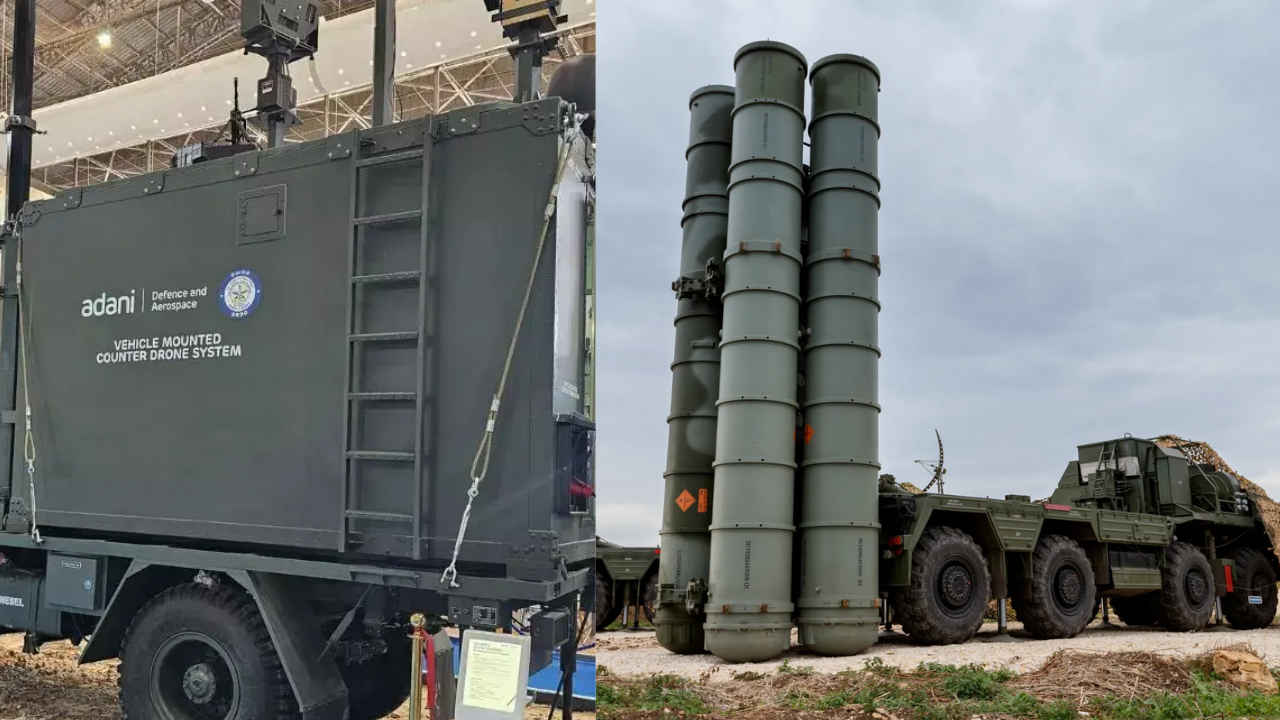
In the ongoing armed conflict between India and Pakistan on the border, it has emerged that on the night of 7-8 May 2025, Pakistan tried to engage a number of military targets in Northern and Western India with drones and missiles, according to an official release. However, these attempts were swiftly dealt with and neutralised by India’s Integrated Counter UAS Grid and Air Defence systems.
 Survey
Also read: Operation Sindoor: India’s military tech and precision strike capability explained


In case you are wondering, India’s Integrated Counter UAS (Unmanned Aerial Systems) Grid and Air Defence Systems are a collection of sophisticated, multi-layered technological framework designed to detect, track, and neutralize any incoming hostile drones, missiles, and aerial threats into Indian airspace or terrestrial land border – as was demonstrated during the May 2025 India-Pakistan conflict.
What is India’s Integrated Counter UAS Grid and Air Defence System?
According to several reports, the system is a comprehensive network that combines advanced sensors, radars, electronic warfare tools, and kinetic interceptors that are deployed across critical regions to provide real-time surveillance and rapid response against any type of aerial incursions.
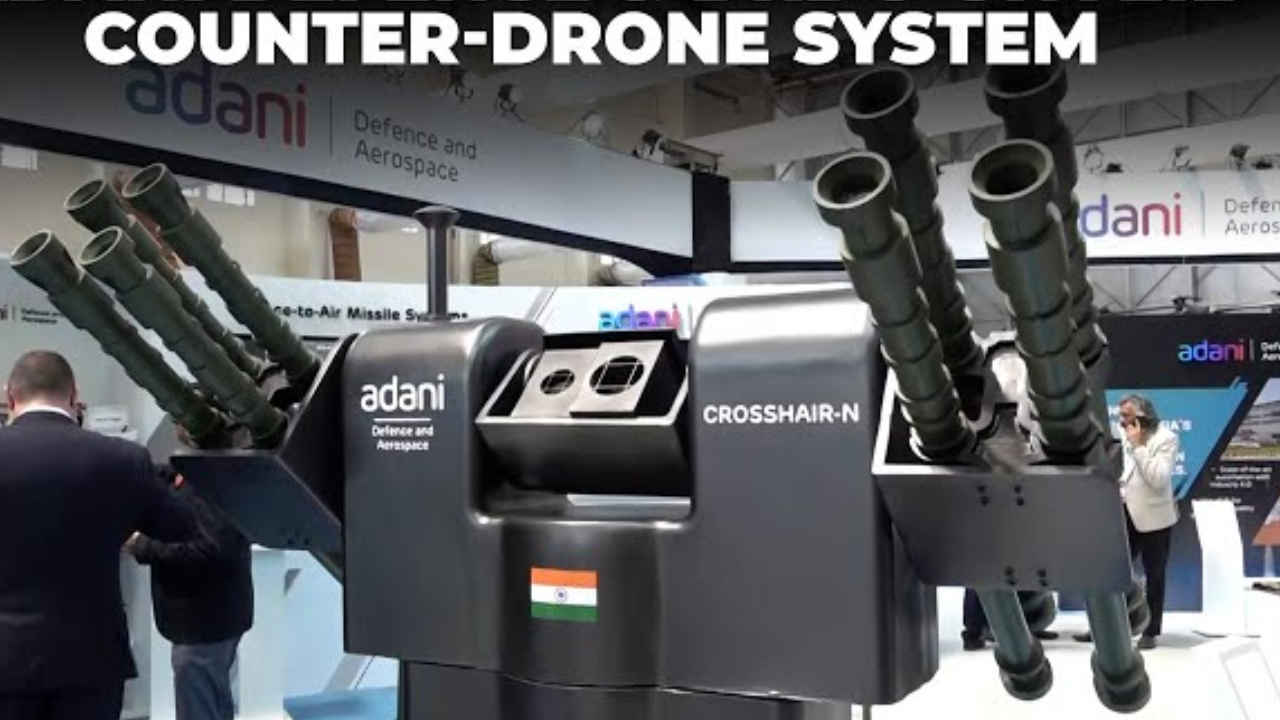
This system is made of the following key components, among other things:
- Counter-drone technologies including radar, SIGINT (signals intelligence), electro-optical sensors, and jammers.
- Kinetic neutralization tools such as high-energy laser systems and conventional weapons (e.g., 7.62 mm guns).
- Mobility and coordination through vehicle-mounted platforms enabling rapid deployment and operational flexibility.
- Air Defence radars and missile systems for intercepting missiles and larger aerial threats.
How does it work?
First and foremost, the system detects and tracks any incoming aerial threat like an enemy drone or missile. It does this by a network of advanced radars and electro-optical sensors to scan the airspace continuously at ranges up to 10 km or more, trying to identify the invading drone’s speed, trajectory, and other features.
Also read: India-Pak Conflict: List of Top Safety Apps and Websites in India You Should Know
SIGINT (or Signal Intelligence) capabilities also play a part, wherein the system tries to intercept and analyze enemy communications and drone control signals. Electronic jammers are deployed to disrupt the command and control links of hostile drones, forcing them to lose control or crash.

Classification of the aerial threat is the next key step, where AI and machine learning algorithms process sensor data to automatically classify threats, distinguishing between benign objects and hostile drones or missiles, enabling faster and more accurate responses.
Also read: India-Pakistan conflict: AI, satellites, and cyber tools used to track terror targets
Once a threat is confirmed, the system employs layered neutralization options like high-energy laser systems to disable or destroy drones without collateral damage. There’s also conventional weapons like rapid-fire guns that engage aerial threats within range. Lastly, missile interceptors and air defence systems target incoming missiles or larger aerial platforms.
The key feature of the C-UAS Grid is integrated into the broader air defence system, where the entire grid is linked through secure communication networks, allowing seamless coordination between various units-vehicle-mounted counter-drone systems, stationary radars, and missile batteries-ensuring a synchronized defense posture.
Role of indigenous tech is key for national defence
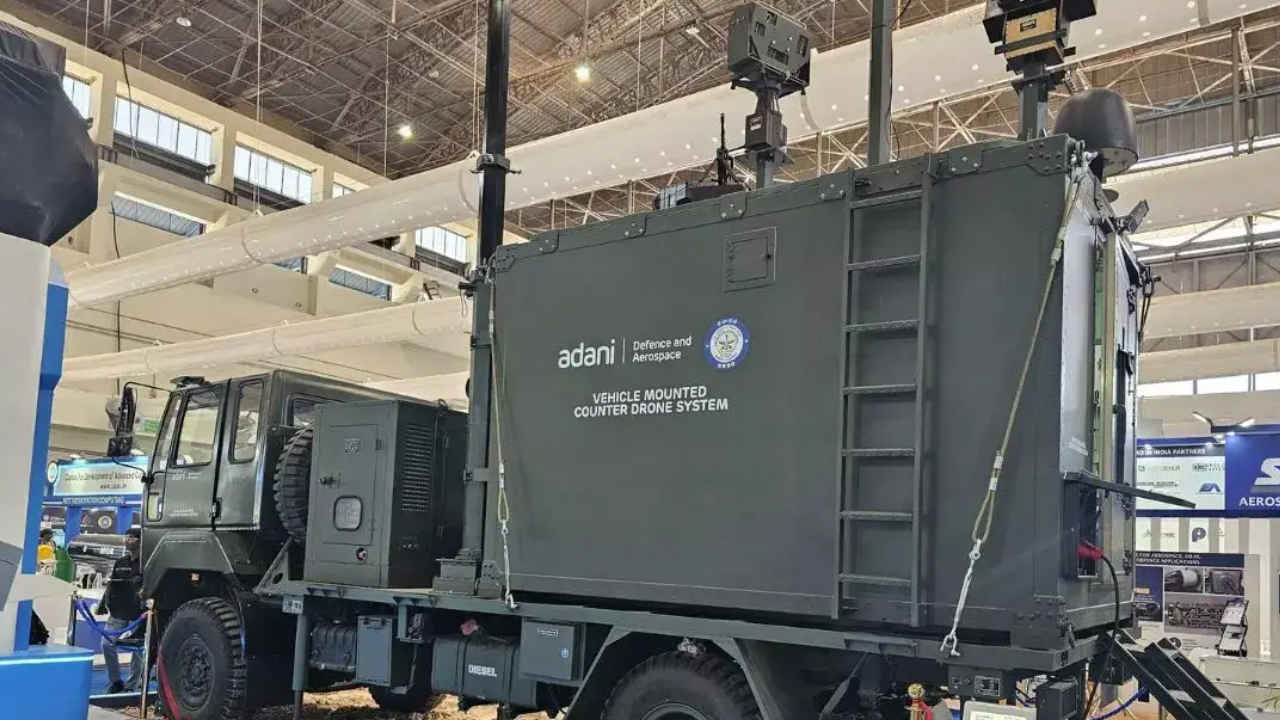
A key component of this air defence system is the Vehicle-Mounted Counter-Drone System, jointly developed by DRDO and Adani Defence & Aerospace, which was officially unveiled at Aero India 2025.
This system integrates advanced radar and electro-optical sensors for detection and tracking, SIGINT and jamming capabilities to disrupt hostile drone operations, high-energy lasers and 7.62 mm guns for neutralization. Mobile and mounted on a 4×4 vehicle for enhanced mobility and rapid response.
Their successful deployment during recent conflicts underscores India’s growing prowess in indigenous defence innovation.
Also read: India-Pak conflict: 5 examples of rise in cyber warfare threats
 Follow Us
Team Digit
Team Digit is made up of some of the most experienced and geekiest technology editors in India! View Full Profile


