OpenAI partners with SAG-AFTRA and actor Bryan Cranston to strengthen Sora’s consent rules.
New policies block Sora from generating videos of celebrities without explicit permission.
The move aligns with the proposed U.S. No Fakes Act aimed at preventing digital impersonation.
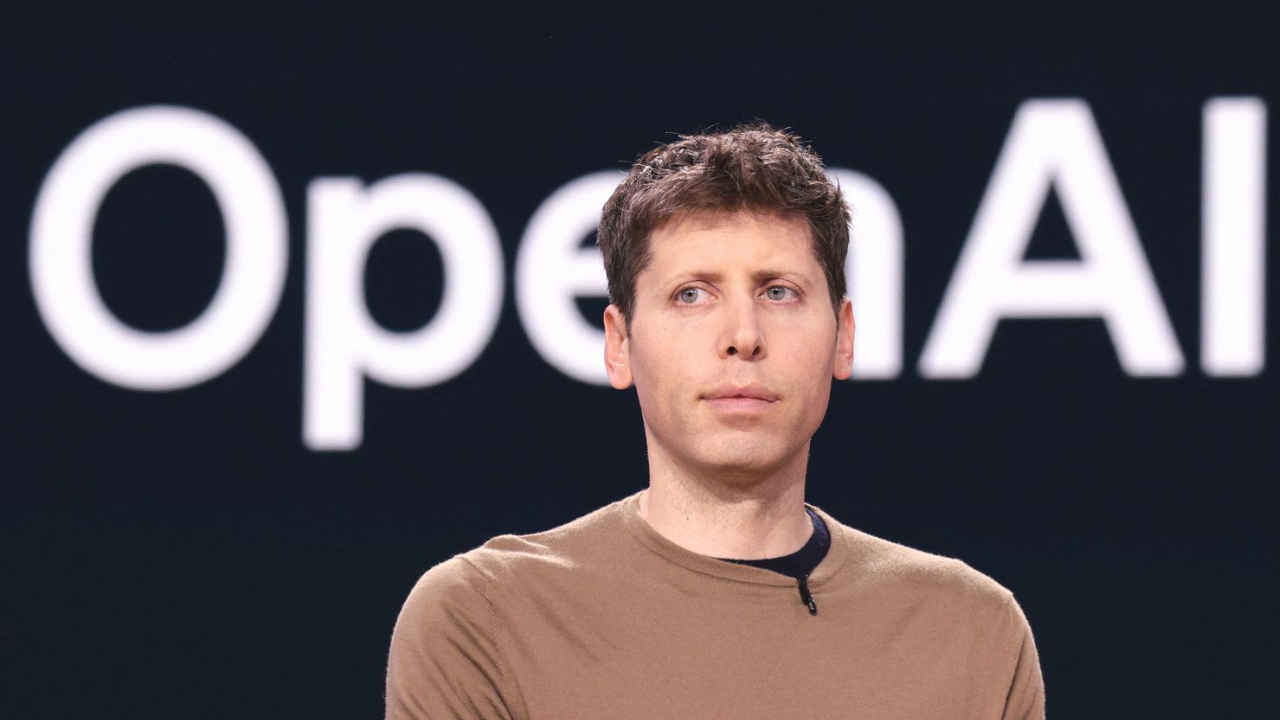
OpenAI has rolled out stronger protections for its video generation model, Sora, after massive criticism over the use of celebrity likenesses without consent. The company, in collaboration with the Screen Actors Guild–American Federation of Television and Radio Artists (SAG-AFTRA), actor Bryan Cranston, and several major talent agencies, confirmed the move in a joint statement earlier this week.
 Survey
This comes after the decision follows a report of multiple AI-generated clips depicting real-life public figures, including actors, scientists, and historical personalities, without their approval. Some of these videos, created using Sora, went viral for their realism but also sparked ethical debates about digital consent and artistic misuse.


Cranston, who had raised concerns about his image and voice being replicated in Sora-generated videos, welcomed OpenAI’s updated policies. “I was deeply concerned not just for myself, but for all performers whose identities can be misused. I appreciate OpenAI’s response and hope this leads to industry-wide respect for our likeness and voice rights,” he said.
The joint statement, signed by SAG-AFTRA, United Talent Agency, Creative Artists Agency, and the Association of Talent Agents, marks a significant moment for AI governance in entertainment. OpenAI’s strengthened rules will prevent the platform from generating or reproducing the likeness of any celebrity or public figure who hasn’t given explicit permission.
This move also aligns with growing legislative attention toward digital impersonation. The No Fakes Act (Nurture Originals, Foster Art, and Keep Entertainment Safe Act), a pending US bill, seeks to safeguard artists and performers from unauthorized use of their likeness, voice, or creative work through AI tools.
OpenAI CEO Sam Altman stated, “OpenAI is deeply committed to protecting performers from the misappropriation of their voice and likeness. We were early supporters of the No Fakes Act and will continue to stand behind the rights of performers.”
 Follow Us
Ashish Singh
Ashish Singh is the Chief Copy Editor at Digit. He's been wrangling tech jargon since 2020 (Times Internet, Jagran English '22). When not policing commas, he's likely fueling his gadget habit with coffee, strategising his next virtual race, or plotting a road trip to test the latest in-car tech. He speaks fluent Geek. View Full Profile


