Users can now make purchases from select platforms, including Bigbasket, directly via ChatGPT using UPI.
The pilot is limited to select users and platforms, with Axis Bank and Airtel Payments Bank as participating partners.
NPCI is also rolling out AI-based UPI Help, IoT-enabled payments, and UPI Reserve Pay for smarter digital transactions.
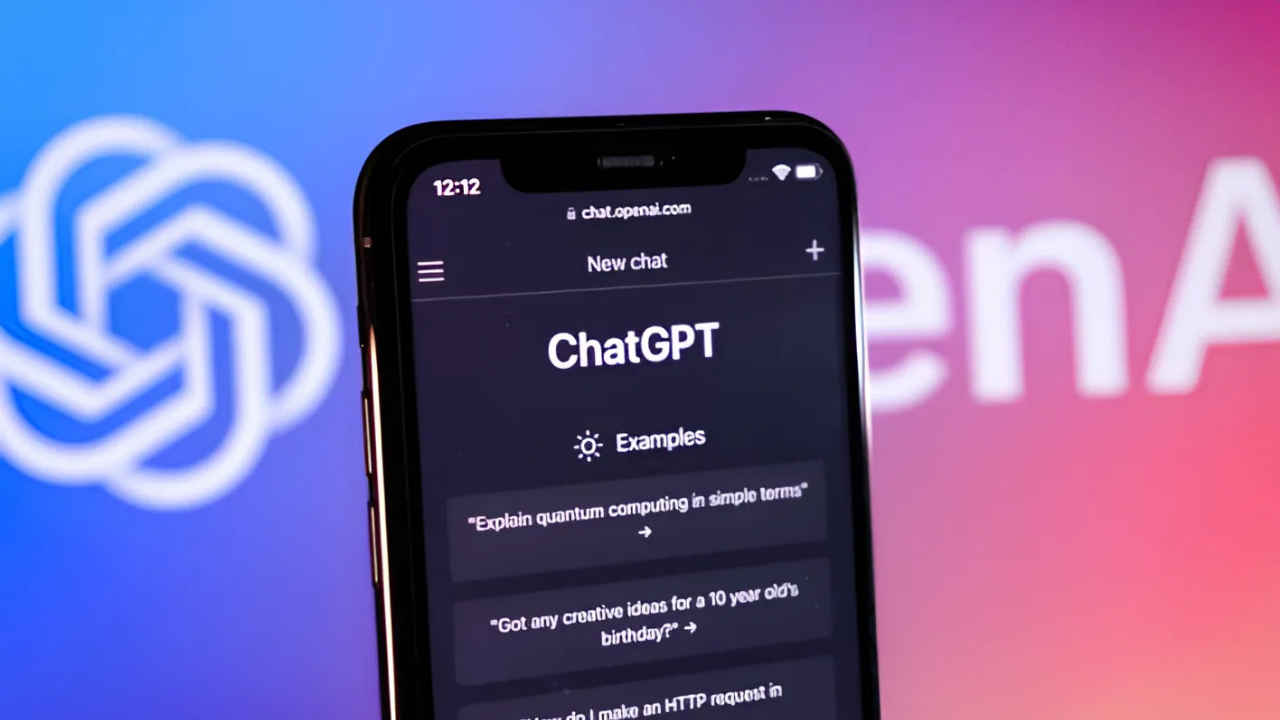
OpenAI has joined hands with India’s National Payments Corporation of India (NPCI) and fintech firm Razorpay to pilot a programme allowing users to make UPI transactions right from ChatGPT. Interestingly, this is the first attempt to integrate the real time payments with the conversational AI interface, enabling users to complete purchases seamlessly within a chat.
 Survey
The pilot is testing how AI agents can handle payments autonomously while maintaining user control, safety, and security. According to the statement, if the trials are successful, the programme will look into expanding AI-driven payments across multiple sectors.


With this, the users can shop directly from select platforms via ChatGPT with Axis Bank and Airtel Payments Bank acting as participating banking partners. However, the service will initially be available to a limited set of users and platforms, allowing the partners to monitor transaction reliability, user experience, and security protocols.
Oliver Jay, Managing Director of International Strategy at OpenAI, said, “We’re excited to work with NPCI and explore how advanced AI, combined with one of the world’s most trusted real-time payment networks, can unlock a new era of effortless and secure commerce.”
UPI is one of the most popular payment infrastructure, with over 20 billion transactions per month, and by combining it with an AI chatbot, the authorities hope to simplify digital transactions for customers.
It should be noted that the feature is still in the early stages of development and may take longer to implement a more conversational and context-driven approach to digital payments in India, potentially changing the way people interact with AI tools and complete online transactions.
The announcement comes along with NPCI’s wider fintech initiatives unveiled at the Global Fintech Fest 2025, including AI-based UPI Help powered by its Small Language Model (SLM), IoT-enabled UPI payments for connected devices, and UPI Reserve Pay, which allows users to set and manage transaction-specific credit limits.
 Follow Us
Ashish Singh
Ashish Singh is the Chief Copy Editor at Digit. He's been wrangling tech jargon since 2020 (Times Internet, Jagran English '22). When not policing commas, he's likely fueling his gadget habit with coffee, strategising his next virtual race, or plotting a road trip to test the latest in-car tech. He speaks fluent Geek. View Full Profile


