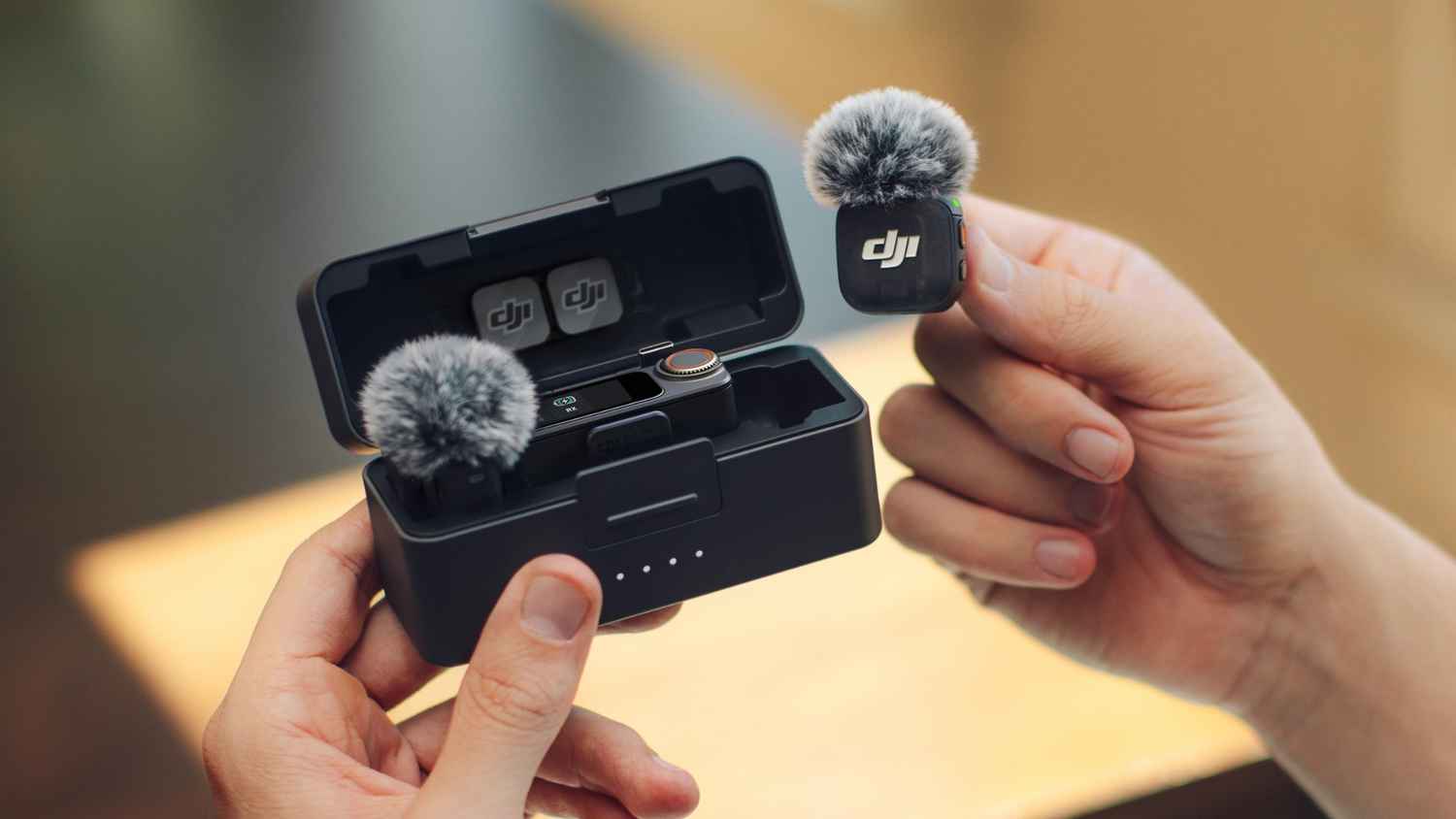
DJI is better known for its drones than for sound gear, but its Mic line has quietly become a staple for creators who care as much about audio as they do about visuals. The company’s latest release, the DJI Mic 3, takes a noticeable step forward and can now handle up to four transmitters and eight receivers, making group interviews or multi-camera setups easier to manage without a tangle of cables.
 Survey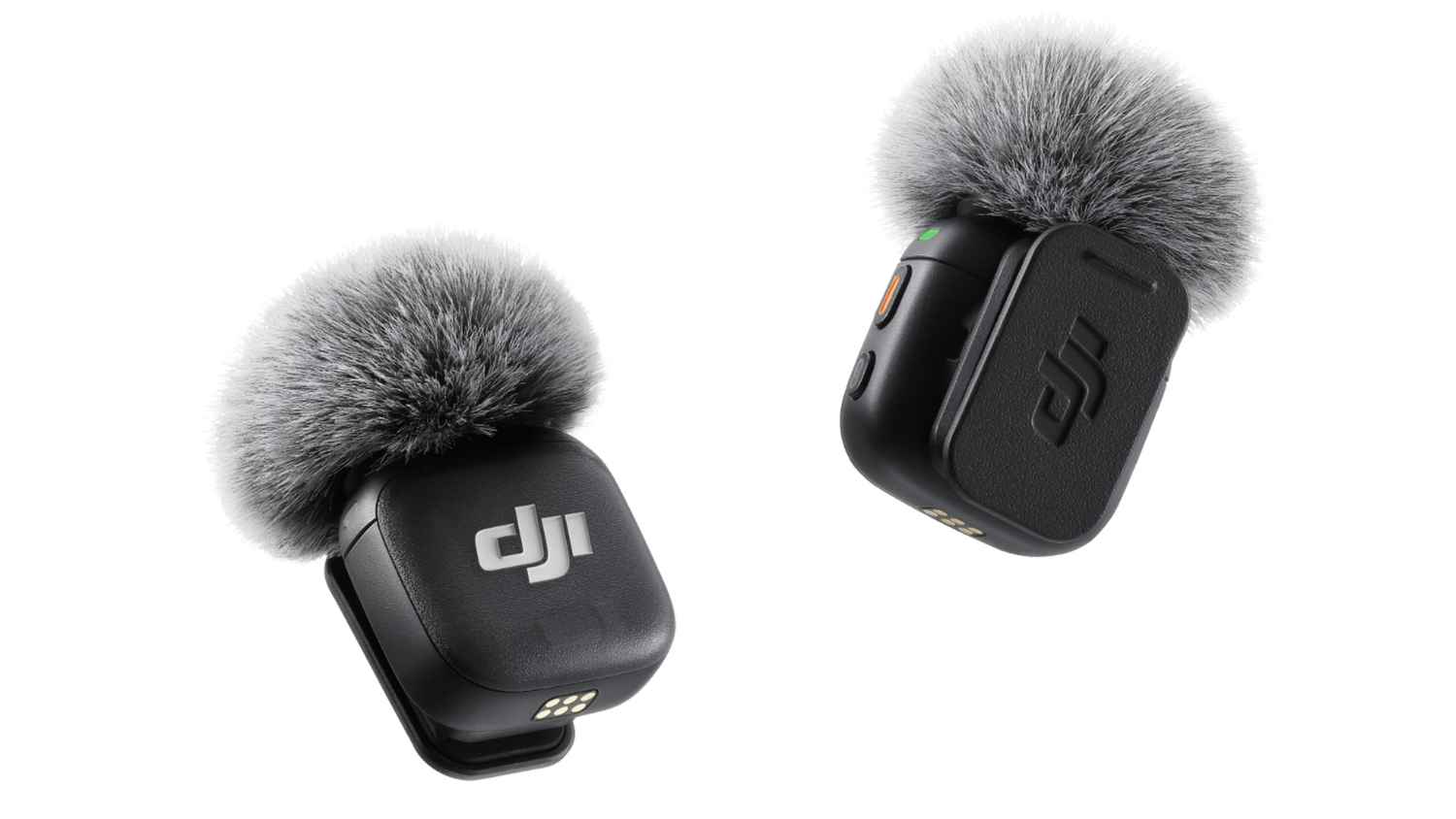
The Mic 3 transmitters have been redesigned and are now more in line with the affordable Mic Mini. With the new slim design, each transmitter weighs just 16 grams and can be clipped or pinned onto clothing. They store neatly in a redesigned charging case that holds two transmitters and one receiver, this time without forcing you to strip off windscreens or magnets. Battery life also stretches up to 28 hours with the case, over the 18 hours on the Mic 2, but it still falls short of the Mic Mini’s 48-hour runtime, even though both offer a broader feature set.


On the audio side, DJI has added features usually reserved for more specialist recorders. The Adaptive Gain Control offers two modes: Automatic mode keeps sudden volume spikes in check (for concerts or stadiums) while Dynamic mode smooths out levels in indoor recording sessions. With the Mic 3, you can now also pick from three tone presets: Regular, Rich, or Bright, depending on the vocal character you want to highlight. Storage has also been bumped from 8 GB on the Mic 2 to 32 GB here, enough to support dual-file 32-bit float recording and protect against lost takes.
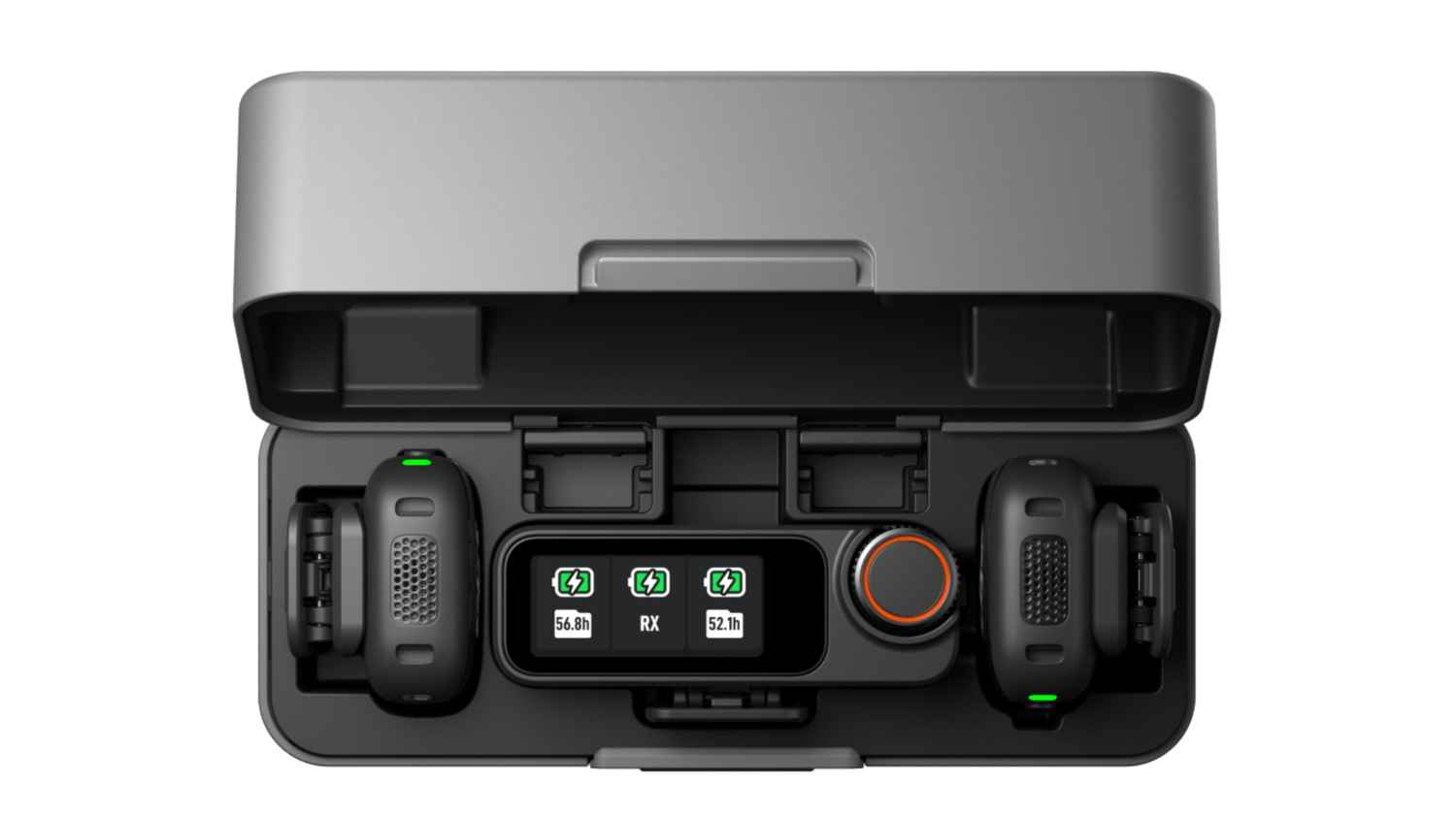
Even though the Mic 3 has a smaller profile, the range has also improved, climbing from 250 (Mic 2) to 400 metres, with frequency hopping across 2.4 GHz and 5 GHz bands to cut interference. And for those who like their post-production tidy, the receiver can separate four independent audio tracks in Quadraphonic mode when paired with compatible Sony cameras or editing software.
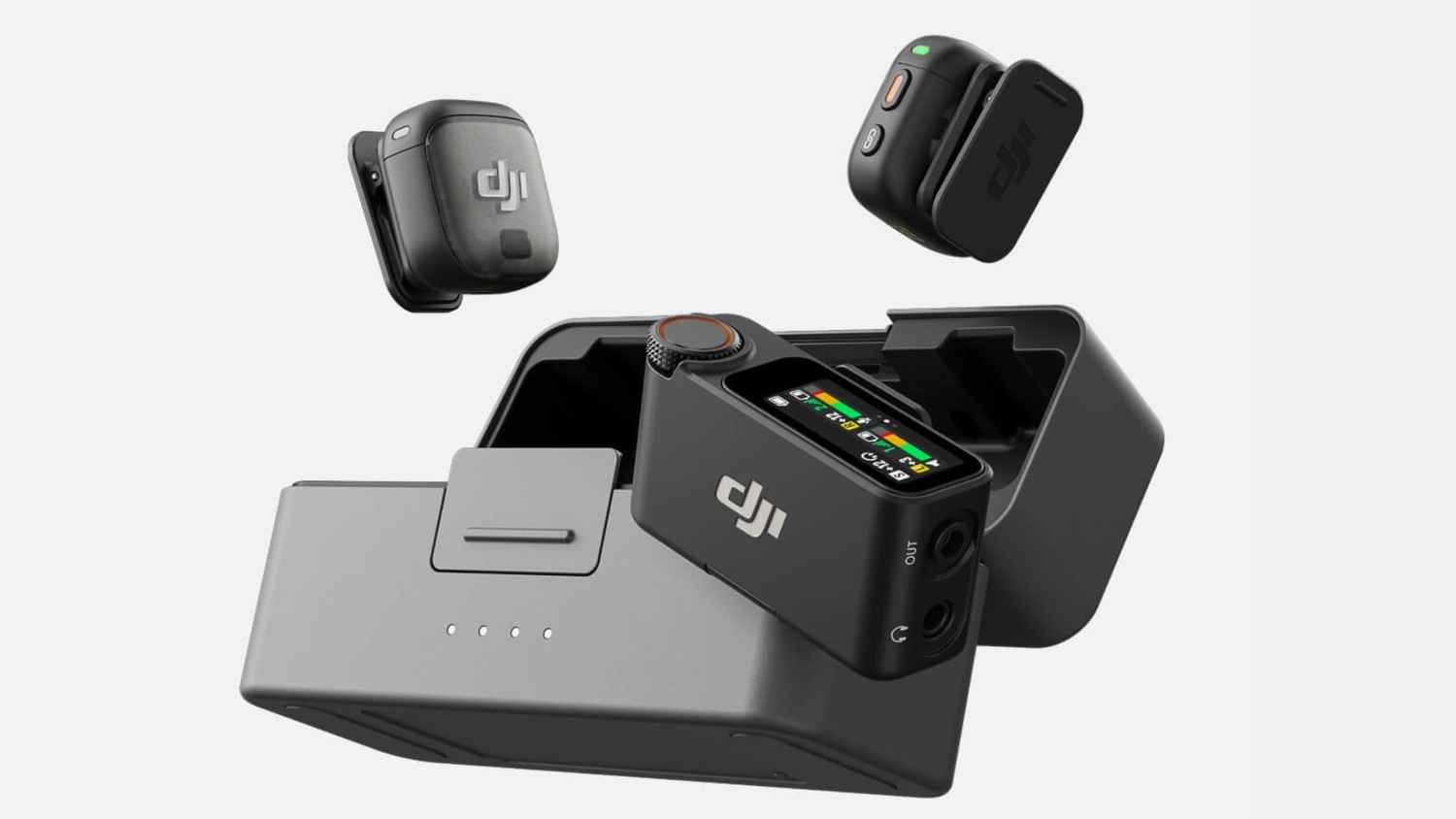
DJI will showcase the Mic 3 at IFA 2025 in Berlin, where visitors can try it out from 5–9 September. It’s available in two configurations: the standard kit with two transmitters, one receiver and a charging case for €309 (~Rs 31,700), and a simpler one-to-one setup for €199 (Rs 20,469).
 Follow Us
Siddharth Chauhan
Siddharth reports on gadgets, technology and you will occasionally find him testing the latest smartphones at Digit. However, his love affair with tech and futurism extends way beyond, at the intersection of technology and culture. View Full Profile


