Google unveils Tensor G5 at Made by Google 2025, revolutionizing on-device AI
Pixel 10 powered by Tensor G5 brings smarter AI, improved performance, better cameras
Tensor G5 offers 34% faster CPU, 60% stronger TPU, enhanced privacy features
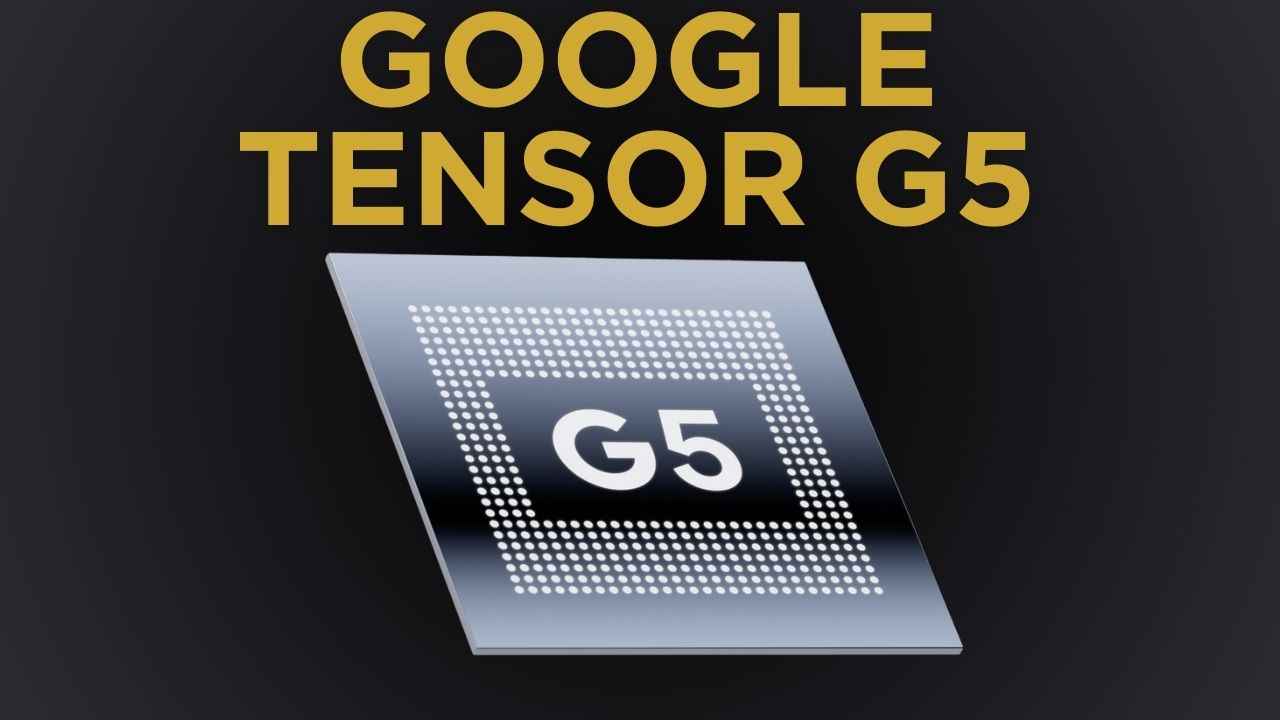
Google has officially unveiled the Tensor G5 at the Made by Google 2025 event, positioning it as the most significant upgrade yet to its custom smartphone silicon. More than just a routine spec bump, the G5 is designed to be the cornerstone of an AI-first mobile experience, combining faster performance, smarter efficiency, and an expanded suite of on-device generative AI features. With the Pixel 10 lineup now built around it, Tensor G5 isn’t just about raw power — it’s about redefining what a phone can do when artificial intelligence is embedded at its very core.
 Survey
Also read: Google Pixel 10 Pro vs Pixel 9 Pro: Price, camera, display, battery and more compared


A Giant Leap in Performance and AI
At the heart of the new Pixel series, Tensor G5 delivers performance leaps that make everyday tasks faster and more seamless. Manufactured using TSMC’s advanced 3-nanometer process, the chip is more efficient and powerful than ever. Google claims the CPU is 34% faster on average compared to its predecessor, while the TPU, dedicated to AI processing, sees a remarkable 60% boost.
For users, this translates into snappier app launches, smoother multitasking, and sustained performance without the heat issues that plagued earlier Tensor chips. Gaming and streaming also benefit from better thermal management, ensuring long sessions remain stable and responsive.
Tensor G5 also marks a turning point for on-device generative AI. Co-developed with DeepMind, the chip is the first to fully support Gemini Nano, Google’s lightweight AI model optimized for mobile. The numbers are striking: Gemini Nano runs 2.6 times faster and consumes half the energy compared to Tensor G4.
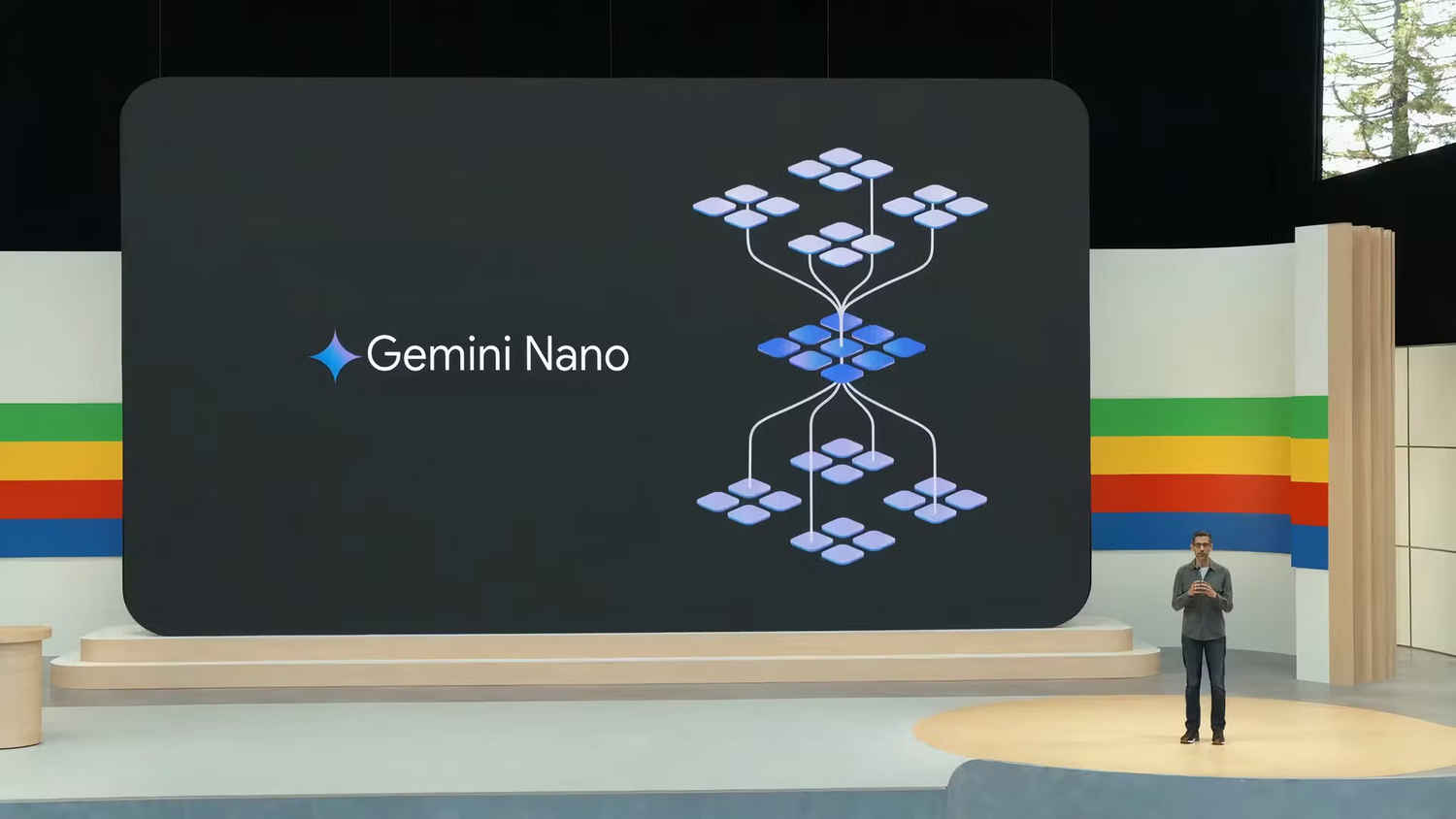
Thanks to new techniques like the Matryoshka transformer architecture and Per-Layer Embedding, Tensor G5 can now scale AI performance dynamically, adjusting memory usage depending on the task. That allows for more ambitious processing, with the chip capable of handling up to 32,000 tokens of context, the equivalent of analyzing around one hundred screenshots or a month of emails in one go.
Smarter, Proactive Features That Stay Private
The real benefit of this AI horsepower is how it translates into everyday Pixel features. Google has built over 20 new AI-driven tools into the Pixel 10 lineup, all powered by Tensor G5. From Magic Cue, which offers contextual prompts and assistance, to Voice Translate, which delivers live call translation in the speaker’s own voice, the experience feels more proactive and natural.
Other highlights include Call Notes with automatic action items, Personal Journal for smart reflections, Scam Detection during calls, and Gboard Smart Edit, which fine-tunes your writing with minimal effort. Crucially, all these experiences happen on-device, meaning they run instantly, without cloud latency, and with strong privacy guarantees, your personal data never has to leave the phone.
Photography and Videography, Reinvented
Photography remains Pixel’s crown jewel, and Tensor G5 pushes it even further. The new Image Signal Processor introduces 10-bit video capture by default at both 1080p and 4K30. Photography also sees improved motion deblur, smarter scene segmentation, and even more accurate Real Tone rendering, ensuring skin tones appear true-to-life.
Also read: Google pokes fun at Apple throughout Pixel 10 launch
On the Pixel 10 Pro models, Google debuts Pro Res Zoom, a feature powered by a diffusion model with nearly a billion parameters. This allows the device to achieve an extraordinary 100× hybrid zoom while maintaining clarity and detail. Combined with the chip’s AI-driven scene analysis, Tensor G5 cements Pixel’s reputation as the smartphone camera for enthusiasts and casual users alike.
The camera also gains C2PA Content Credentials, embedding verifiable metadata to confirm when, where, and how an image was captured. Managed entirely by Tensor G5 in tandem with the Titan M2 security chip, this system helps ensure image authenticity in an age of AI-generated content.
Efficiency and Security at the Core
By shifting production to TSMC’s 3-nm node, Google has delivered more performance per watt than any Tensor chip before it. This means longer battery life in everyday use, even when running intensive AI features. The design also enhances thermal stability, so the phone stays cooler under pressure.
Security has been another area of focus. Tensor G5 is engineered with safeguards at every step, from manufacturing to everyday operation. Together with Titan M2, it ensures sensitive data remains protected while keeping AI processes private and local.
While AI and CPU gains are clear, the GPU story is more complicated. Early reports suggest Tensor G5 uses a PowerVR-based GPU, which notably drops support for ray tracing. This could limit its appeal for gamers looking for cutting-edge graphics performance. Although casual gaming will still run smoothly, power users may find the Pixel 10 less competitive than rivals built on Qualcomm or Apple silicon when it comes to high-end gaming.
Why Tensor G5 Matters
With Tensor G5, Google has delivered far more than another generational upgrade. This is a chip built to showcase the company’s vision of an AI-first smartphone, where features are proactive, personalized, and private. Whether it’s translating conversations in real time, intelligently organizing your digital life, or capturing professional-grade photos, the Pixel 10 series powered by Tensor G5 redefines what users can expect from a modern phone.
There are caveats, particularly for those who care most about gaming performance. But for the vast majority of users, and especially those invested in Google’s ecosystem, Tensor G5 is the strongest case yet for sticking with Pixel.
 Follow Us
Vyom Ramani
A journalist with a soft spot for tech, games, and things that go beep. While waiting for a delayed metro or rebooting his brain, you’ll find him solving Rubik’s Cubes, bingeing F1, or hunting for the next great snack. View Full Profile


