Hollywood studios are turning to Runway AI to streamline production and enhance creative possibilities affordably.
Runway AI tools help filmmakers visualize scenes, edit faster, and experiment with visual effects on demand.
While boosting efficiency, AI in film raises ethical concerns about job loss and storytelling authenticity.
Picture a world where a low-budget sci-fi series delivers blockbuster-level visual effects, or a director previews a fully realized scene before a single frame is shot. This is the promise of Runway AI, a generative AI platform that’s capturing the attention of Hollywood giants Netflix and Disney. By integrating cutting-edge AI tools into film production, these studios are redefining how movies and shows are made, slashing costs, speeding up workflows, and unlocking bold new creative possibilities. Yet, as Runway AI reshapes the industry, it also sparks heated debates about jobs, ethics, and the soul of storytelling itself.
 Survey
Also read: From OpenAI’s Sora to Google’s Veo: 5 AI tools for video generation


How Runway AI is reinventing film production
Netflix is leading the charge, having harnessed Runway AI for its Argentine sci-fi series The Eternaut. Faced with a tight budget, the production team needed a strong visual: a building collapsing in the heart of Buenos Aires. Traditionally, such a sequence would demand weeks of work and a hefty budget. With Runway’s video generation tools, however, the scene was completed 10 times faster and at a fraction of the cost. “AI made this possible,” Netflix co-CEO Ted Sarandos declared, emphasising how the technology empowers creators to deliver ambitious visuals without breaking the bank. The result was a seamless effect that left audiences awestruck, proving AI can rival traditional VFX workflows.

Disney, meanwhile, is taking a more cautious approach. The studio has begun testing Runway’s tools and engaging in discussions with the New York-based startup, though it’s not yet ready to fully integrate AI into its production pipeline. A Disney spokesperson clarified that no concrete plans exist, a stance likely influenced by industry-wide concerns, including a recent copyright lawsuit against AI firm Midjourney. Still, Disney sees the potential. From generating storyboards to simulating virtual sets, Runway’s tools could streamline its processes, making high-quality visuals accessible even for smaller projects.
Also read: The Era of Effortless Vision: Google Veo and the Death of Boundaries
Runway AI’s impact spans every stage of filmmaking. In pre-production, its algorithms analyse scripts, generate detailed storyboards, and create virtual environments, allowing directors to visualise scenes with unprecedented clarity. For the indie hit Everything Everywhere All At Once, VFX artist Evan Halleck used Runway’s green screen tool to extract characters from footage in mere minutes, a task that once took hours or even days. In post-production, AI-driven editing, style transfers, and audio enhancements accelerate workflows and spark creative experimentation.
The creative gold rush of AI
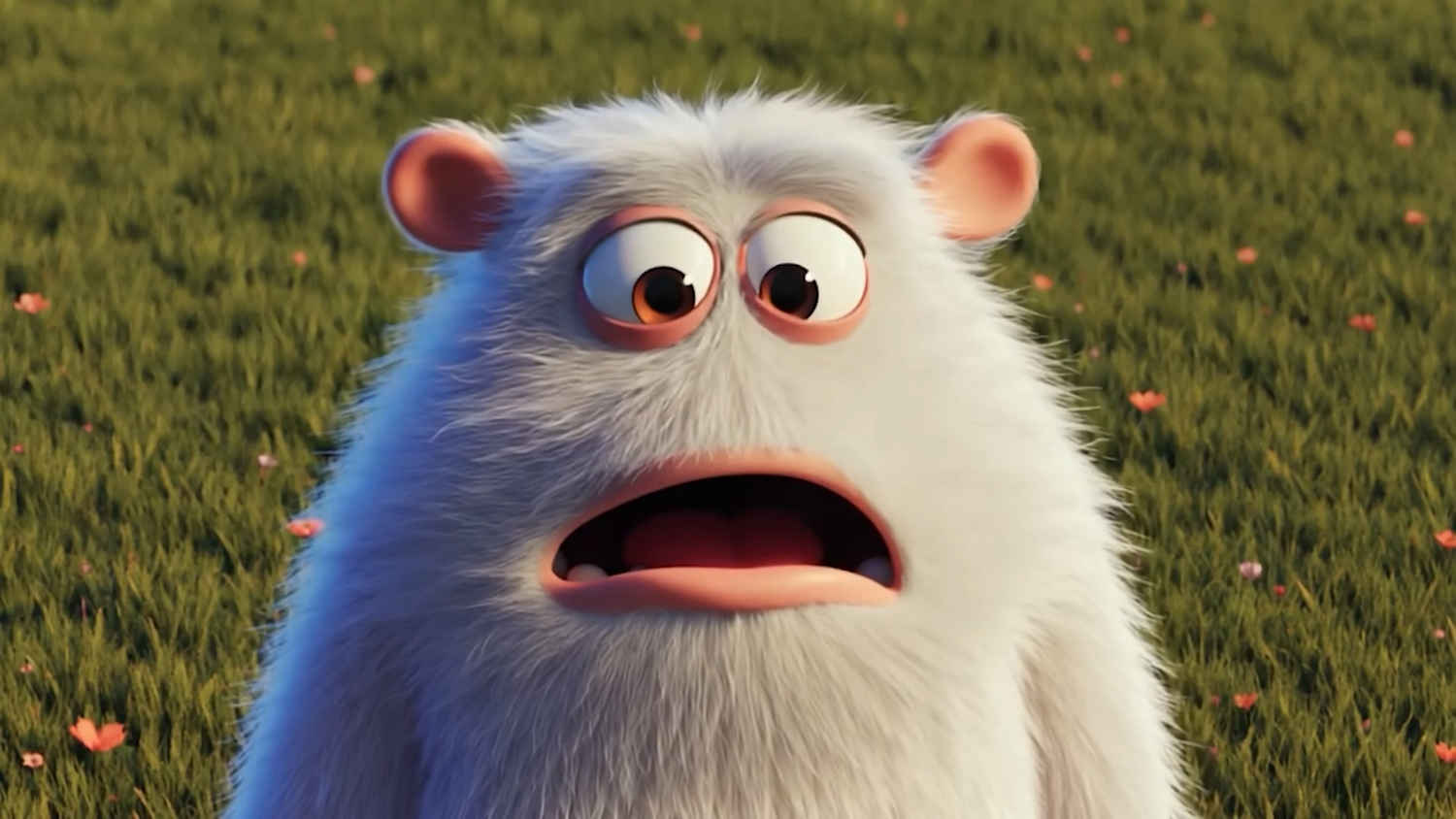
The creative potential of tools like Runway AI is transformative. Filmmakers can experiment with bold ideas, like morphing live-action footage into animated styles or crafting kid-friendly versions of mature content. Smaller production teams, often constrained by budgets, now have access to tools once reserved for blockbuster studios. On-set, real-time previews of lighting, set designs, or VFX changes enable directors to make decisions faster, fostering collaboration and precision. For instance, a director can tweak a scene’s lighting on the fly, seeing results instantly rather than waiting for post-production renders.
Yet, Hollywood’s embrace of AI comes with significant controversy. The 2023 actors’ and writers’ strikes laid bare fears that AI could displace jobs in VFX, writing, or even acting. Netflix and Runway insist their tools augment human creativity, not replace it, but the concern persists. Ethical questions also loom large: AI models trained on studio content raise thorny issues about intellectual property, as highlighted by Disney’s Midjourney lawsuit. Audiences, too, are skeptical. Some viewers detect subtle flaws in AI-generated footage, fueling distrust, particularly in genres like true crime where authenticity is paramount. One critic noted, “If I can’t trust what I’m seeing, what’s the point of storytelling?”
The industry’s adoption of AI is further complicated by Hollywood’s cautious culture. Netflix’s use of Runway in The Eternaut went unnoticed for months, suggesting studios may downplay AI’s role to avoid backlash. Lionsgate’s groundbreaking deal with Runway, which involves training AI on its vast film library, hints at a future where personalised content or interactive media becomes the norm. This could lead to tailored movie experiences or even AI-generated sequels, but it also raises questions about creative control and originality.
The road ahead for AI filmmaking
As Netflix and Disney deepen their exploration of Runway AI, the technology’s role in filmmaking is poised to grow. Runway’s competitors, like OpenAI’s Sora and Google’s AI tools, are also vying for Hollywood’s attention, but Runway’s studio partnerships give it a first-mover advantage. The technology promises not just efficiency but a new era of storytelling, where creators can push boundaries without budget constraints. Yet, the industry must navigate a delicate balance. Will AI democratise filmmaking, empowering new voices, or erode the human artistry that defines cinema?
For now, Runway AI is a catalyst for change, blending innovation with practicality. As Netflix delivers stunning VFX on a shoestring and Disney tests the waters, they’re proving AI isn’t just a tool, it’s a new lens for storytelling. The question isn’t whether AI will transform Hollywood, but how studios and audiences will adapt to a future where machines and creativity collide.
Also read: Midjourney V1 Explained: Better than Google Veo 3?
 Follow Us
Vyom Ramani
A journalist with a soft spot for tech, games, and things that go beep. While waiting for a delayed metro or rebooting his brain, you’ll find him solving Rubik’s Cubes, bingeing F1, or hunting for the next great snack. View Full Profile


