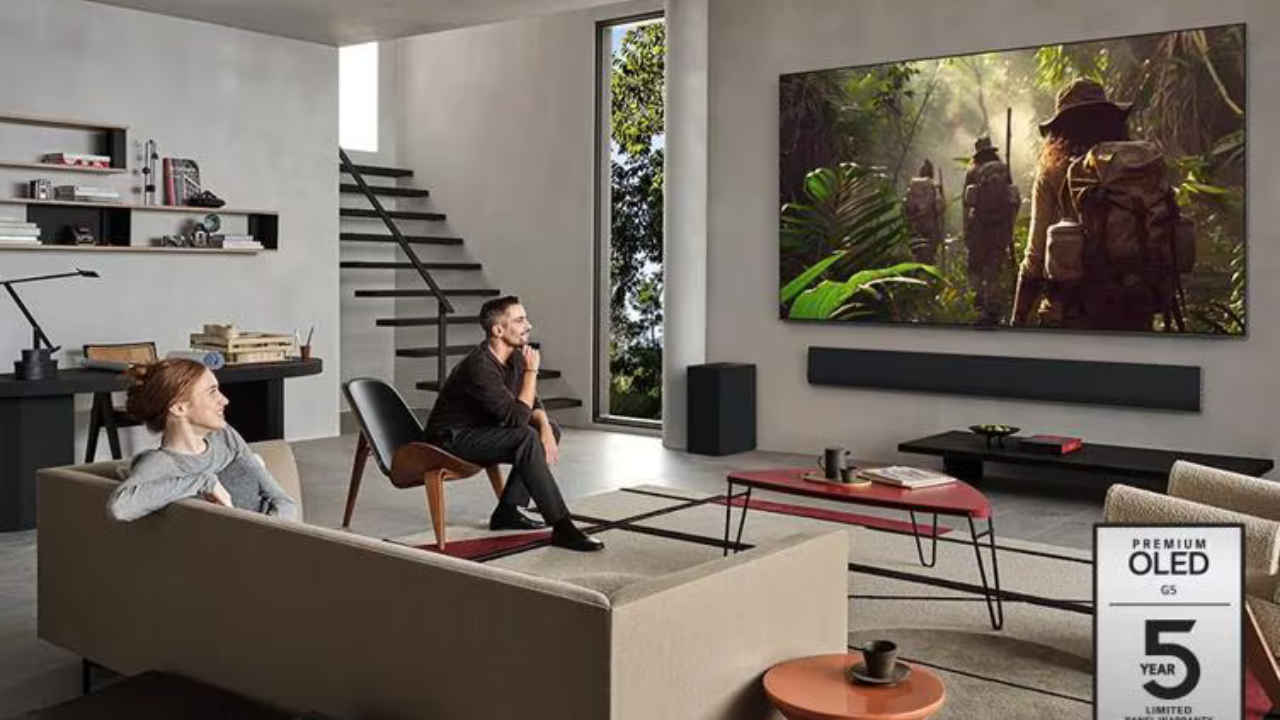
In a landmark achievement, LG Display has become the first company to successfully verify commercialisation-level performance of blue phosphorescent OLED (PHOLED) panels on a mass production line, marking a significant advancement in OLED display technology. The technology was developed in partnership with Universal Display Corp (UDC), which is a renowned OLED material supplier.
 Survey
This development is being marketed as the realisation of the “dream OLED,” a term used in the display industry to describe an OLED panel that achieves phosphorescent emitters for all three primary colours – red, green, and blue.


Also Read: 8 Different Types of OLED Display Technologies You Should Know About
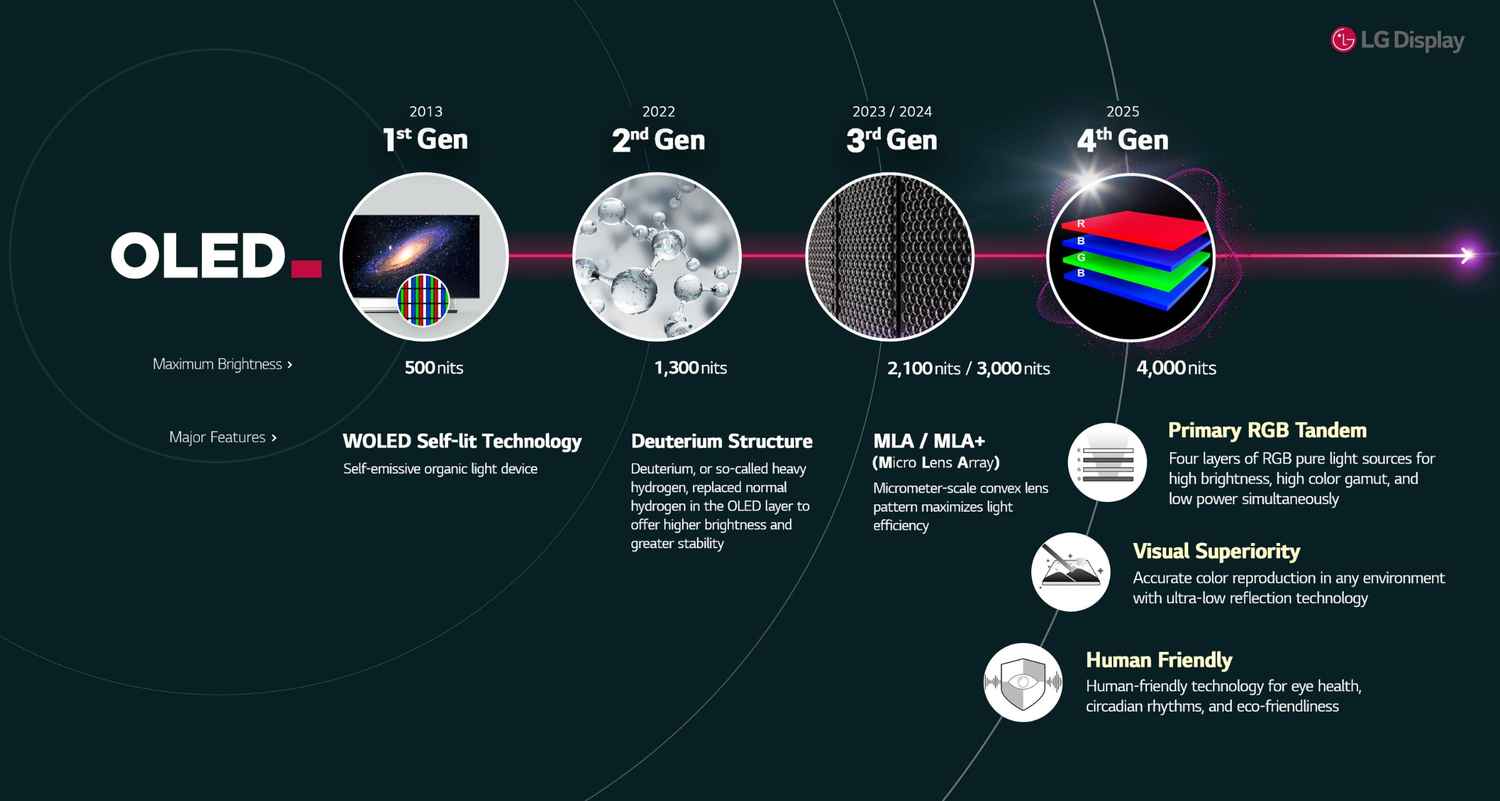
LG White OLED display evolution
Source: LG Displays
LG’s White OLED (WOLED) technology has gone several structural changes over the years with different technological advancements marketed with different names like WBE, WBC or OLED Evo, OLED EX, Meta OLED and more.
Unlike the OLEDs used on smartphones with individual RGB pixels, the foundational concept of WOLED involves creating white light using a stack of organic layers and then applying colour filters (RGB) on top. Initially, LG Display used hydrogen-based blue emitters, but recognising the rapid degradation of blue emitters in OLEDs, they later replaced them with deuterium-based blue emitters, which are more stable and significantly extend panel longevity—this marked a major milestone around 2021.
To further enhance brightness and efficiency, LG introduced an extra green emission layer into the OLED stack—resulting in a four-layer structure (red, green, blue, and an additional green or yellowish-green layer), improving luminous efficacy.
Then came the Micro Lens Array (MLA) technology in 2023, where a layer of microscopic lenses was added on top of the OLED panel to redirect and concentrate light toward the viewer, dramatically increasing perceived brightness and viewing angles without increasing power draw.
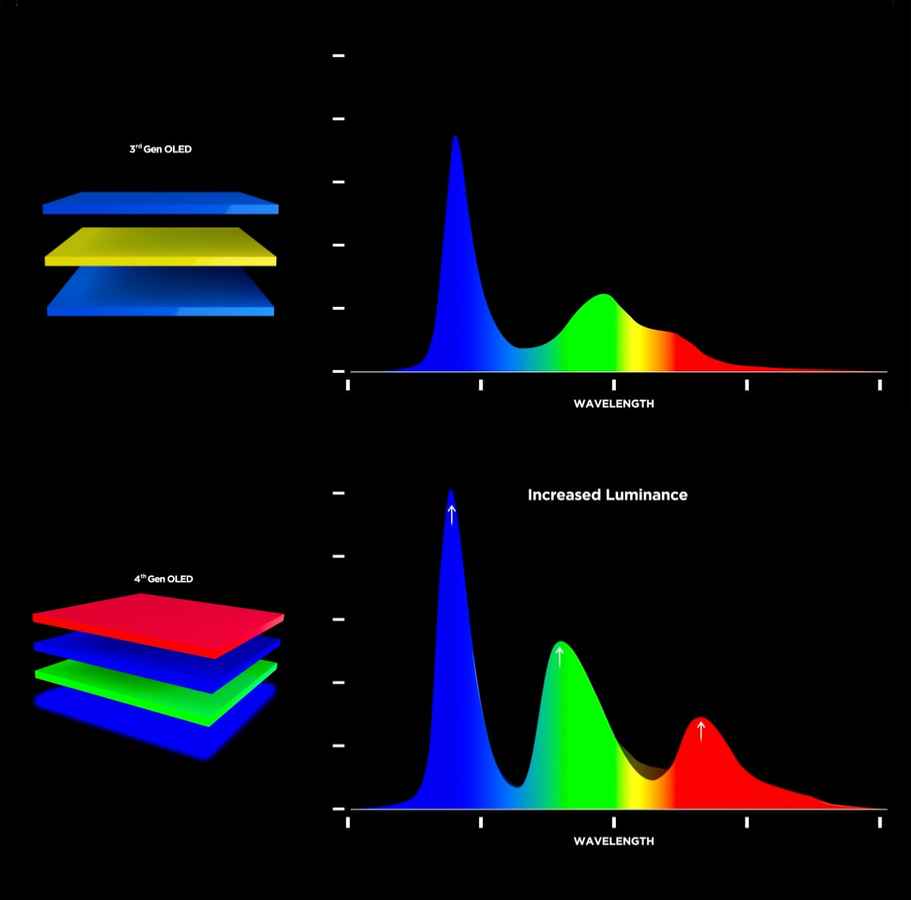
However, in 2025, LG took another pivot by abandoning the MLA layer (reportedly due to cost, production complexity, or diminishing returns in certain models) and instead focused on developing a new four-layer OLED structure that is used in the current flagship LG G5. This 4th-gen white OLED panel pushes brightness to a staggering 4000 nits through refined emitter design and improved layer engineering rather than relying on light-directing optics.
Each step in this timeline reflects LG’s ongoing strategy to strike a balance between panel efficiency and cost and keeping WOLED competitive against both QD-OLED and Mini LED alternatives.
Now, the new “Dream OLED” that LG will showcase at SID will have both Phosphorescent Blue and Fluorescent Blue stacked together in the Tandem OLED layers.
Why Blue PHOLED Matters?
Source: UDC
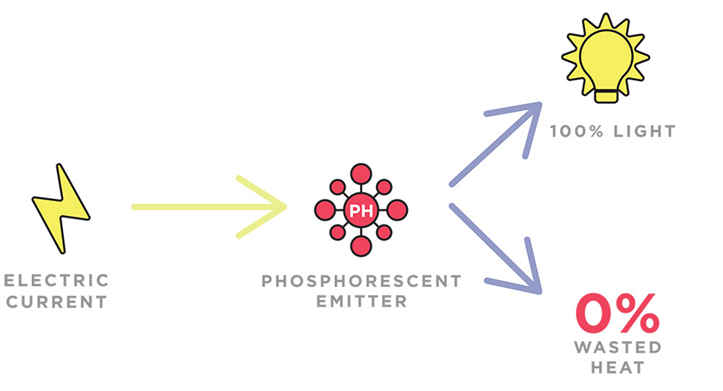
Luminance is the phenomenon where OLED material emits light when subjected to an electric current. Basically, there are two kinds of luminances used in OLED display – Phosphorescence and fluorescence.
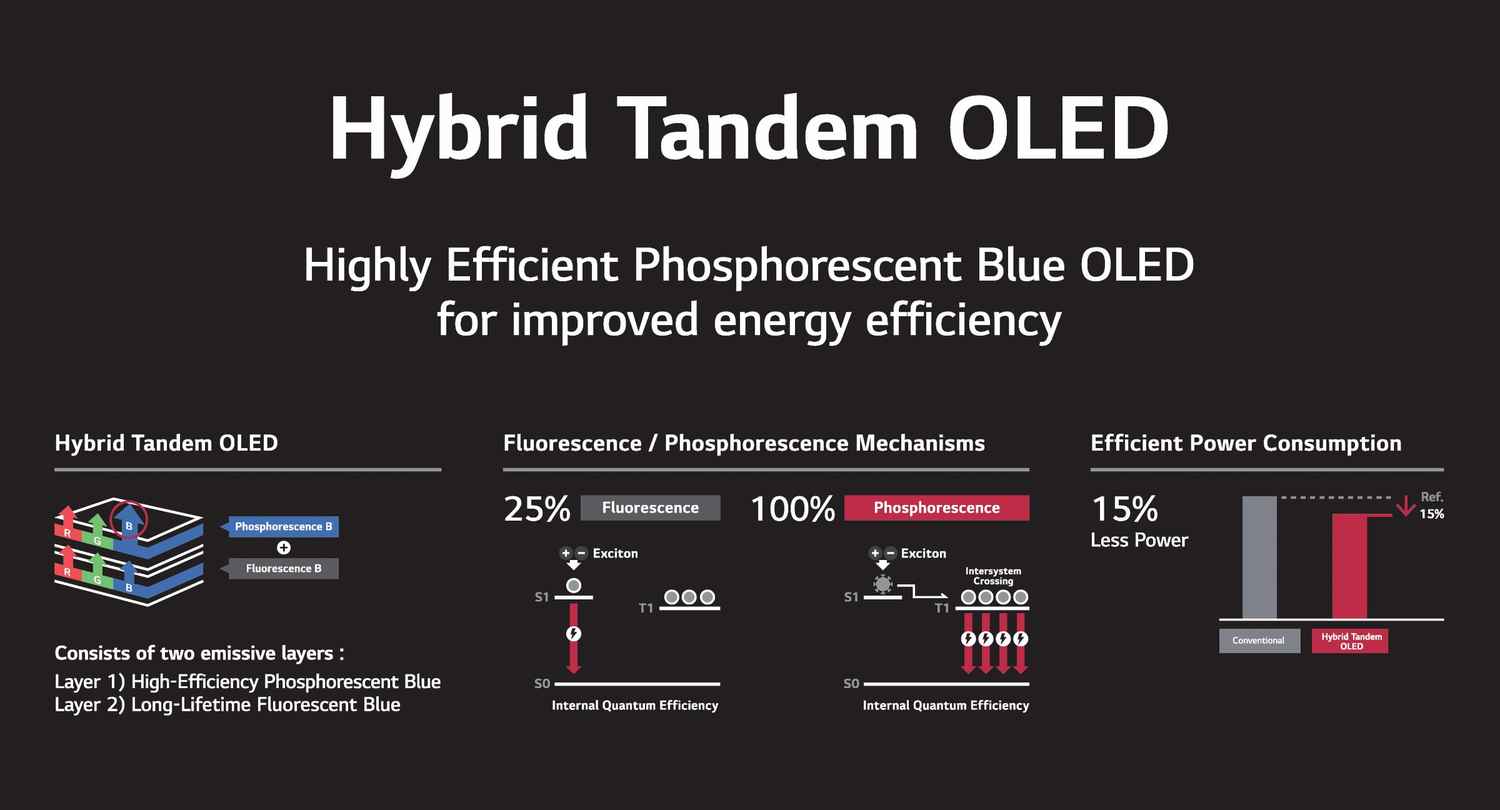
Fluorescence is less efficient and results in 25% energy as light and a loss of 75% energy as heat. This is also the kind of luminance used in large-screen OLED displays today. Phosphorescent OLED, on the other hand, can theoretically be 100% efficient, and this higher power efficiency can be used to drive higher brightness.
Traditional OLED displays have utilised phosphorescent materials for red and green subpixels, which are more energy-efficient and longer-lasting. However, blue subpixels have relied on fluorescent materials due to the challenges associated with developing stable and efficient blue phosphorescent materials.
The successful integration of blue PHOLED into OLED panels means that all three primary colours can now benefit from the advantages of phosphorescence, resulting in displays that are more energy-efficient and have longer lifespans (or can be tuned to go brighter).
Technical Challenges Overcome
Source: LG Displays
Developing blue PHOLED has been a significant challenge due to the high photon energy associated with deep-blue light emission, which makes the organic materials used in blue emitters susceptible to photochemical instability, leading to rapid degradation over time.
LG Display’s solution employs a hybrid two-stack Tandem OLED structure, combining blue fluorescence in the lower stack with blue phosphorescence in the upper stack. This approach consumes approximately 15% less power while maintaining stability comparable to existing OLED panels.
Also Read: What are wide colour gamuts like DCI-P3 and why they can be misleading
Implications for the Display Industry
The introduction of blue PHOLED technology is expected to have significant implications for the display industry. By achieving full phosphorescence in OLED panels, manufacturers can produce displays that are more energy-efficient, have longer lifespans, and offer improved colour accuracy.
This advancement positions LG Display at the forefront of OLED technology, potentially giving it a competitive edge over rivals in the high-end display market.
Looking Ahead
LG Display plans to unveil the first panels featuring blue PHOLED technology at SID Display Week 2025. While it may take some time before these panels are widely available in consumer products, the successful commercialisation of blue PHOLED marks a significant milestone in the evolution of OLED technology. LG is basically promising displays that are more efficient, durable, and visually impressive. The fourth-gen OLED is already garnering rave reviews, so it would be really interesting to see what practical enhancements Dream OLED brings to the experience.
 Follow Us
Deepak Singh
Deepak is Editor at Digit. He is passionate about technology and has been keeping an eye on emerging technology trends for nearly a decade. When he is not working, he likes to read and to spend quality time with his family. View Full Profile


