Intel claims Panther Lake’s Xe3 GPU delivers near-discrete gaming performance
AI-based multi-frame generation triples frame rates without major latency impact
Smarter power and memory design boost gaming and creator efficiency
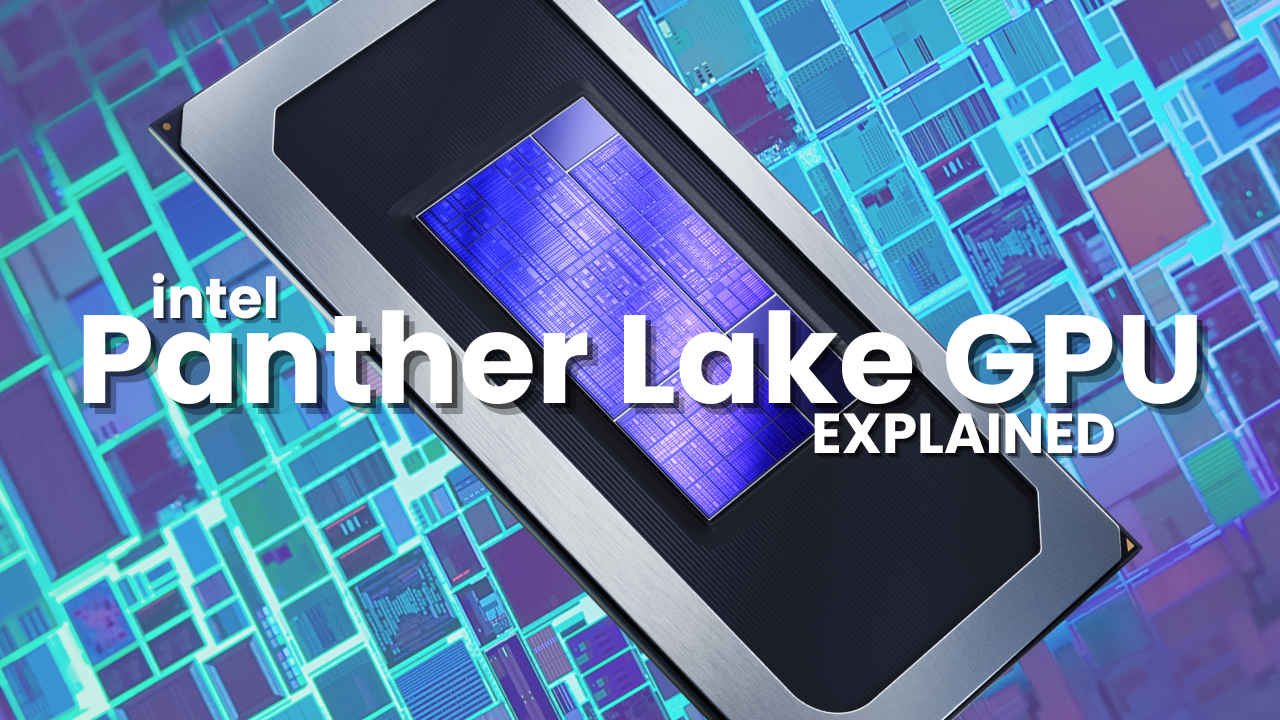
Quite simply, it’s because Intel’s Panther Lake platform is built around a much beefier integrated GPU and a software stack that leans hard into AI-assisted rendering. According to initial benchmarking claims from the company, 2026 Intel laptops should deliver playable 1080p – and often much higher – on modern titles, while also accelerating creator and AI workflows without a discrete GPU.
 Survey
Here’s how it comes together, as explained to me by Tom Petersen, Intel Fellow and Director of Advanced Graphics Experience Engineering, the man responsible for developing Intel’s graphics technology ecosystem across all markets.


AI frame magic, gamers rejoice
Intel’s next-gen upscaler, XeSS 3, adds Multi-Frame Generation (MFG) that can synthesize up to three AI frames between real frames, potentially multiplying perceived frame rate two to four times depending on settings and content.
Crucially, Intel says XeSS-MFG isn’t locked to just the very latest silicon – the company is signaling broader compatibility reaching back to earlier Arc and integrated generations, which bodes well for developers targeting a wide base – and for buyers who don’t want instant obsolescence of their previous-gen Intel laptops.
From raster to neural rendering pipeline
Tom Petersen laid out the progression in the graphics rendering pipeline, where classic raster became hybrid ray tracing became AI upscaling became AI frame generation which is now becoming multi-frame generation in Panther Lake‘s GPU / XPU stack. The whole idea here is to render less, then use learned models to upscale and interpolate convincingly, delivering smoother motion without proportionally higher power draw.
He also addressed latency concerns bluntly: “Multi-frame generation doesn’t add any more latency compared to single frame generation,” noting driver switches for low-latency modes when needed.
Also read: Panther Lake: 2026 Intel laptops to have faster GPU, better AI and battery
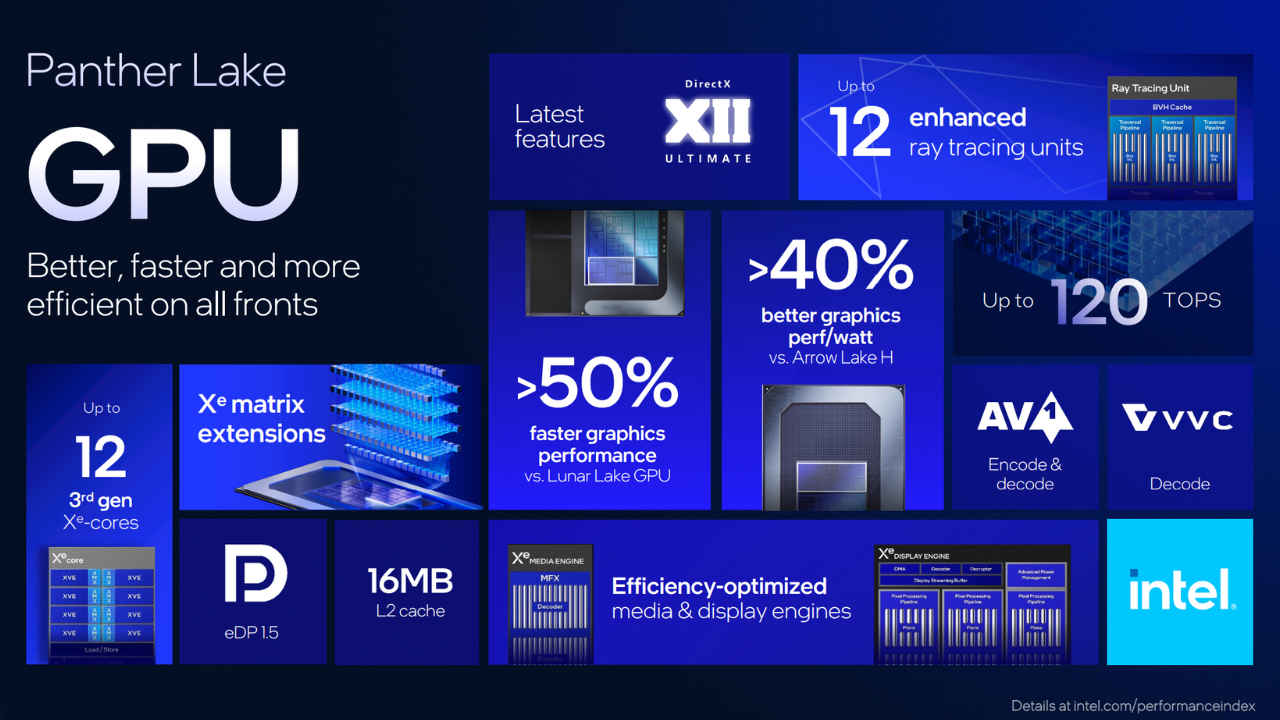
Petersen’s performance framing is equally candid: “Comparing Lunar Lake to Panther Lake, on average, we’re going to see… around 50% [raster] uplift,” with MFG layering “up to 3x” on top in favourable cases. That’s the difference between sub-30fps and the buttery feel above 100fps in many demos.
A bigger, smarter iGPU
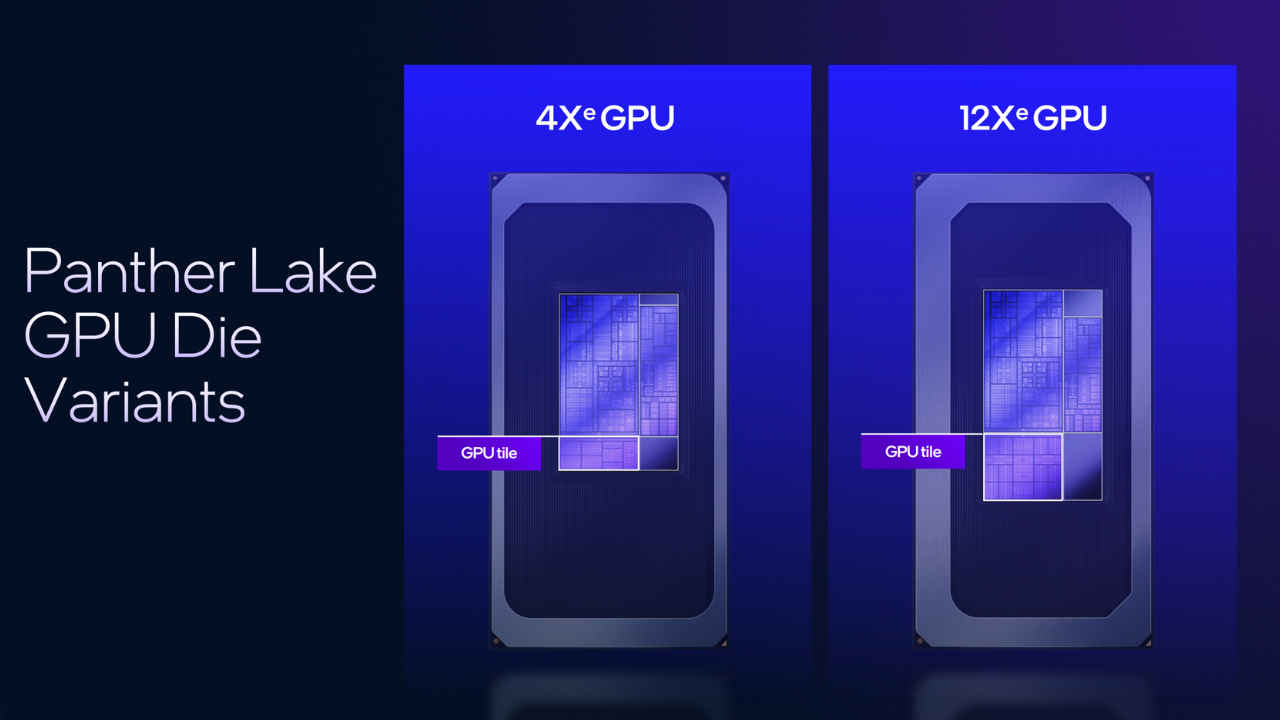
Panther Lake’s Xe3 graphics architecture is the muscle behind the above claims, with reports pointing to 50%+ gains over last gen and features on par with discrete-class GPUs. Expect ray tracing support, updated media engines, and driver-level controls that make AI features easier to toggle per game.
On the platform side, Microsoft is preparing DirectX upgrades (including cooperative vectors and neural rendering) aimed at making these AI paths first-class citizens in the graphics pipeline. That alignment is key because then games and creative apps can tap standard APIs easily, which should accelerate adoption of MFG-style techniques and other neural effects.
Why this helps creators and AI users too
The upsides aren’t limited to games, highlights Intel. Upscaling, denoising, and optical-flow-based interpolation are equally useful in video editing timelines and preview windows, where real-time smoothness beats waiting on an export.
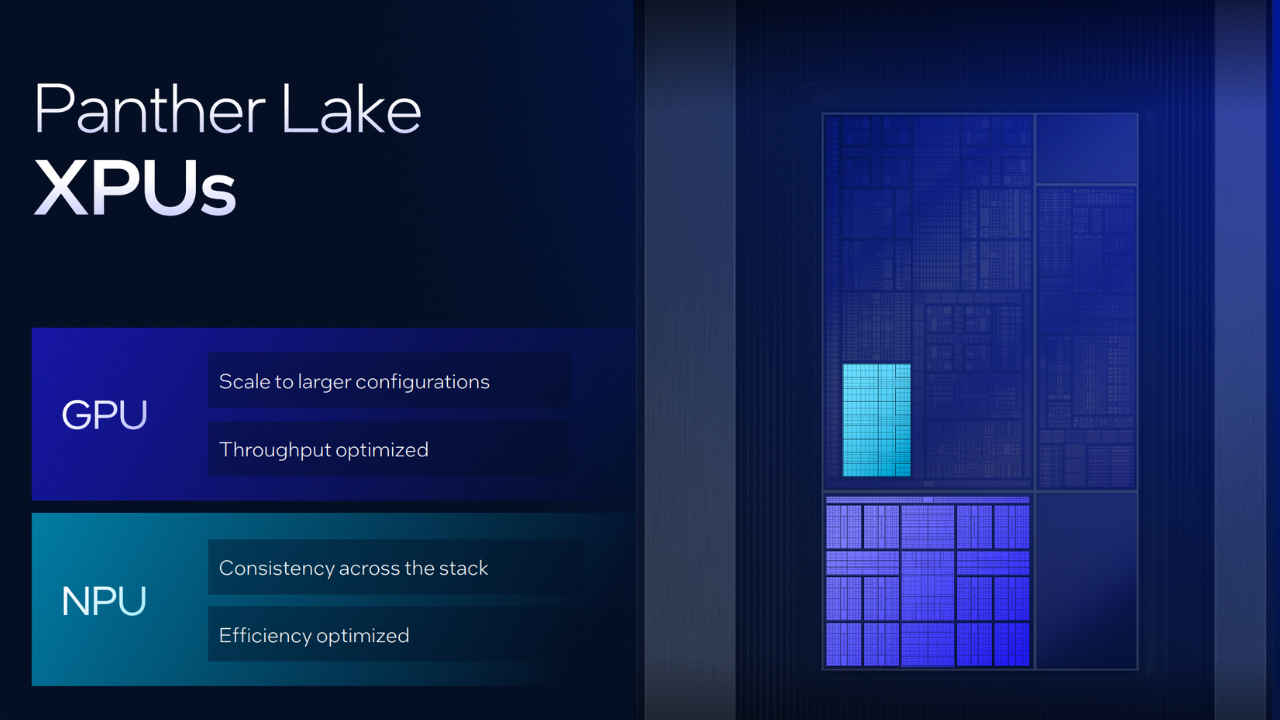
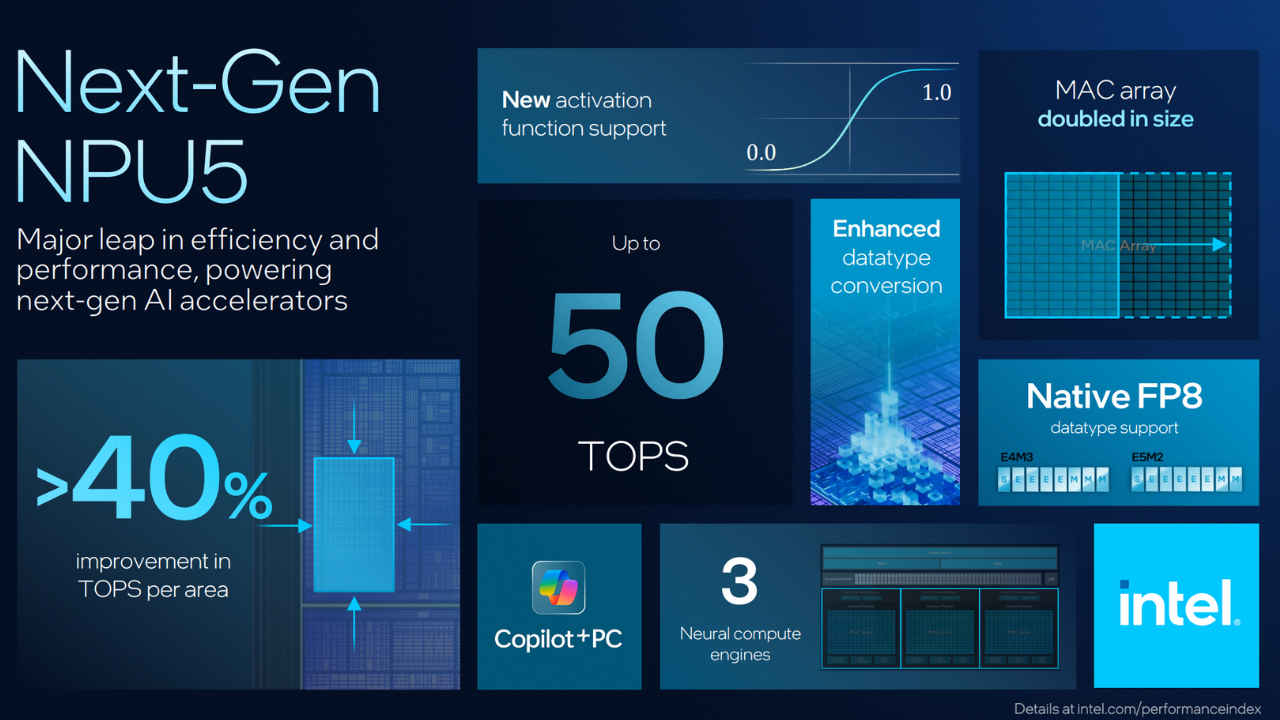
Intel is also pushing a GPU-first stance for many high-throughput AI tasks, with the NPU reserved for always-on, power-sipping jobs like background effects and security inference. As Intel reiterated, the GPU is the “AI muscle,” while the NPU’s metric is TOPS-per-watt for sustained, low-power tasks.
With integrated GPUs handling far more of the visual load, system memory capacity matters. Intel is recommending 24–32GB configs for the 12-Xe era to avoid paging and keep assets resident – guidance gamers and creators should heed when configuring 2026 machines.
If Intel hits its marks, 2026 Intel laptops with Panther Lake aims to deliver substantial native GPU gains (~50% over last gen), dramatically higher perceived frame rates via XeSS-MFG, and saner battery/thermals thanks to smarter power scheduling and E-core bias. And overall just a faster creator and AI workflows experience as neural techniques go mainstream through standard APIs.
Also read: Panther Lake explained: How new Intel chip will impact laptops in 2026
 Follow Us
Jayesh Shinde
Executive Editor at Digit. Technology journalist since Jan 2008, with stints at Indiatimes.com and PCWorld.in. Enthusiastic dad, reluctant traveler, weekend gamer, LOTR nerd, pseudo bon vivant. View Full Profile


