Disney OpenAI Sora deal explained with Pixar animation and AI video
Can generative AI match Pixar emotion in Disney Sora content
User generated AI videos on Disney Plus using Pixar characters
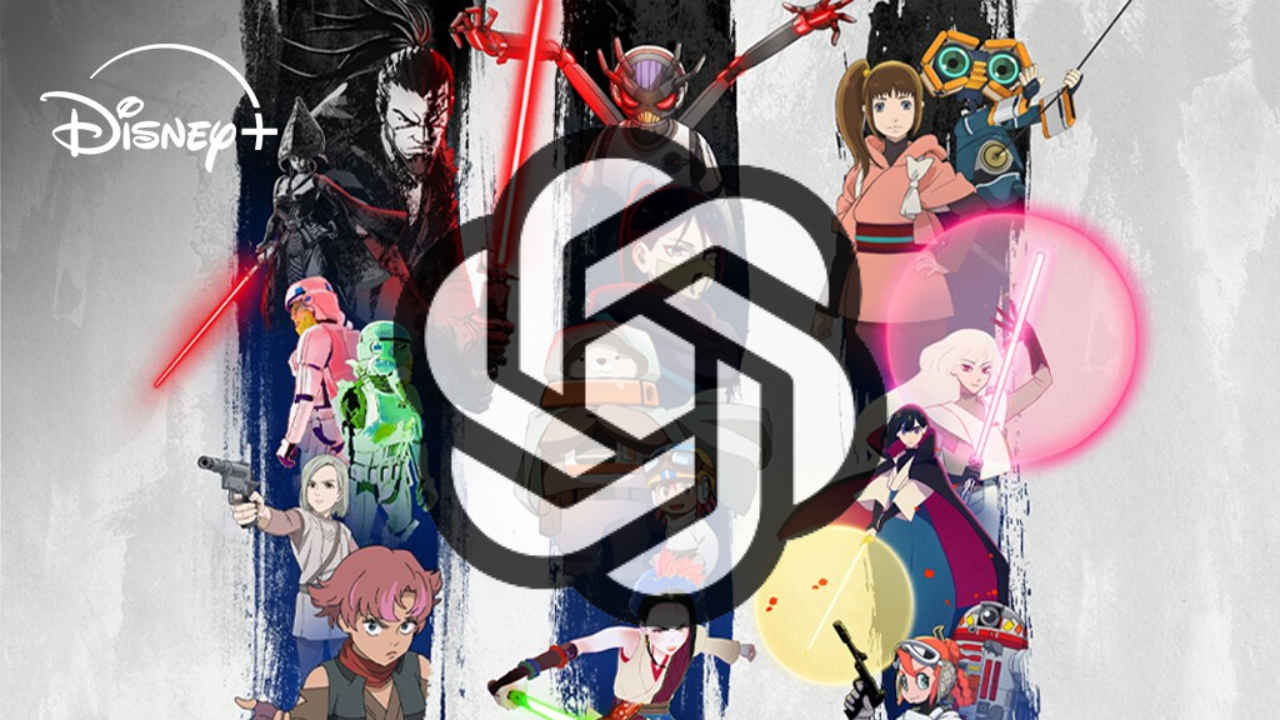
For decades, the “Pixar touch” has been the gold standard in animation. It is defined by a meticulous, almost obsessive attention to detail where every frame is crafted to evoke a specific feeling. From the opening montage of Up to the final goodbye in Toy Story 3, these moments are the result of hundreds of artists working for years to perfect a single narrative beat. The recent announcement that The Walt Disney Company has invested $1 billion in OpenAI to bring its characters to the Sora video generation platform marks a technological leap, but it raises a fundamental question about the future of storytelling. Can an algorithm replicate the heart that defines the studio’s legacy?
 Survey
Also read: Meta’s new AI model is called Avocado: Everything we know about it so far


The mechanics of the partnership
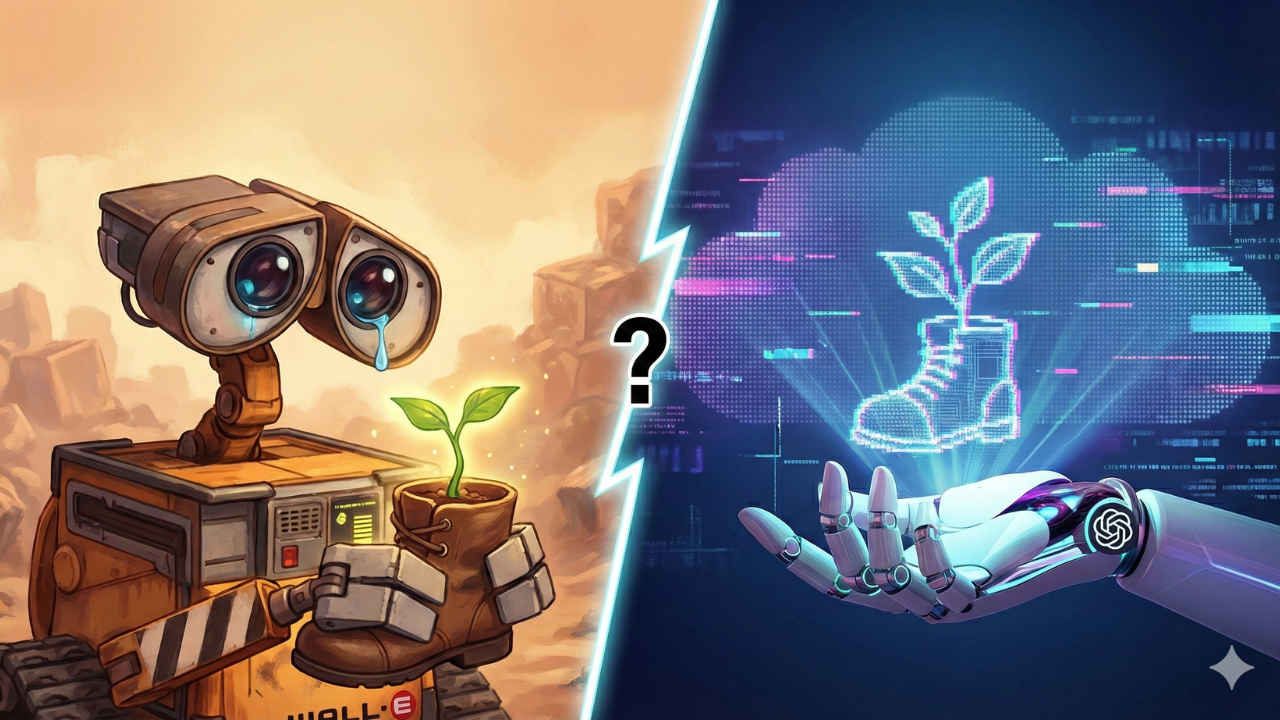
The deal effectively hands the keys of the Magic Kingdom to the public, albeit with strict supervision. Under the agreement, OpenAI’s Sora will be trained on over 200 characters from the Disney, Pixar, Marvel, and Star Wars libraries. This allows users to generate short videos featuring animated icons like Mickey Mouse or Buzz Lightyear legally for the first time. Crucially, the agreement excludes the likenesses and voices of human actors, ensuring that the focus remains on animated assets rather than deepfaking real talent. The most surprising element is the distribution plan. Disney intends to curate the best fan-made videos and stream them on Disney+, placing user-generated AI content on the same shelf as its billion-dollar blockbusters.
Visual spectacle versus narrative soul
Also read: ChatGPT with Photoshop and Acrobat lowers Adobe’s learning curve, here’s how
The challenge lies in the gap between visual fidelity and emotional resonance. Generative AI models like Sora are exceptional at understanding physics, lighting, and textures. They can render a photorealistic fur texture on Sulley or the metallic sheen of Iron Man’s suit in seconds. However, they currently struggle with narrative consistency and emotional intent. A prompt can describe a sad scene, but it cannot inherently understand the context of loss or joy that makes a Pixar movie work. The fear among critics is that flooding the ecosystem with visually stunning but emotionally hollow content could dilute the brand. If anyone can create a scene with Woody and Buzz, the uniqueness of the official storytelling might lose its luster.
A controlled experiment in creativity
Disney seems aware of these risks and has positioned this as a tool for engagement rather than a replacement for its studios. By creating a “walled garden” where they own the data and the platform, Disney is attempting to harness the viral potential of AI without surrendering its intellectual property rights. The success of this experiment will depend on whether these tools can empower fans to tell genuine stories or if they will simply result in a flood of uncanny, novelty clips. For now, the technology can mimic the look of a Pixar film, but the ability to make an audience cry remains a strictly human capability.
Also read: World’s 1st LLM trained in space: From earth to orbit on NVIDIA H100 GPUs
 Follow Us
Vyom Ramani
A journalist with a soft spot for tech, games, and things that go beep. While waiting for a delayed metro or rebooting his brain, you’ll find him solving Rubik’s Cubes, bingeing F1, or hunting for the next great snack. View Full Profile


