
Upcoming Phones July 2025: If you’re in that frustrating phase where your current phone is just good enough to keep using, but just old enough to make you feel like you’re missing out, July 2025 might finally bring something worth upgrading to. This month’s smartphone lineup isn’t just packed, it’s diverse. From reliable mid-range devices to foldables that have matured beyond the “early adopter” phase, there’s something for nearly every type of user. Some phones are officially confirmed, others are still circling the rumour mill, but the picture is becoming clearer.
 Survey
Here’s a complete breakdown of what’s coming, who it’s suited for, and what kind of experience you can expect.


OnePlus Nord 5
Confirmed launch: July 8
The Nord 5 is designed for users who value consistency, clean software, and reliable performance. It’s not meant to reinvent anything, but to deliver on the fundamentals.

Key specs include a Snapdragon 8s Gen 3 SoC, LPDDR5X RAM, and up to 512GB storage. The display is a large 6.83-inch AMOLED panel with a 120Hz refresh rate and a respectable 1,272×2,800 resolution. On the camera front, there’s a 50MP primary rear camera with an 8MP ultra-wide, and surprisingly, a 50MP front camera with autofocus for video calls and selfies.
Battery capacity is expected at 5,200mAh with 80W SuperVOOC fast charging. The phone has an IP65 rating and includes a 7,300mm² VC cooling system for thermal control, which is important if you game regularly. The Nord 5 is also expected to support high refresh rate gaming, with claims of 144fps in BGMI and Call of Duty Mobile.
OnePlus Nord CE 5
Confirmed launch: July 8
While it shares a lot with the Nord 5, the CE variant focuses more on value and practicality. It’s a good option for first-time buyers or users upgrading from a 2-3 year old mid-range phone.
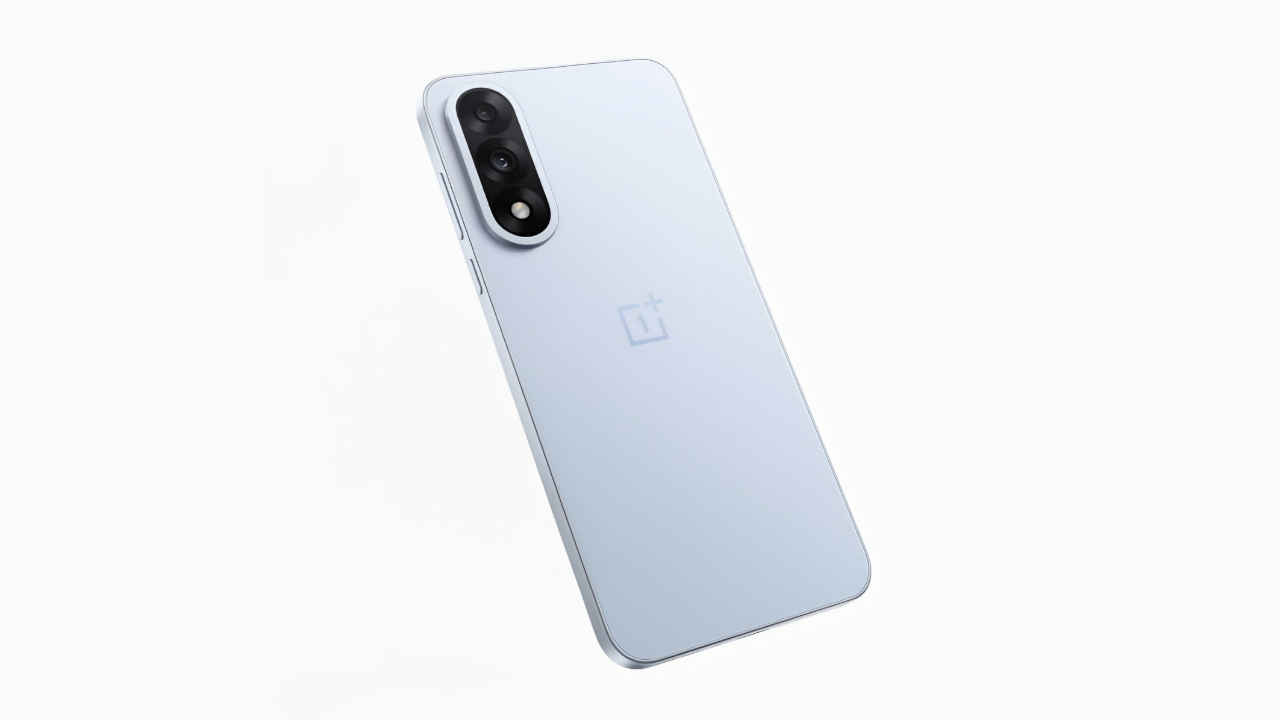
It is expected to be powered by the MediaTek Dimensity 8350 Ultimate chipset, it offers a 6.77-inch AMOLED display (120Hz refresh rate), and a dual-camera setup with a 50MP main and 8MP ultra-wide sensor. The front camera is likely to be 16MP.
One standout rumour is the large 7,100mAh battery, one of the highest capacities we’ve seen from OnePlus, with support for 80W fast charging. The device is expected to carry an IP54 rating and come in two storage variants: 128GB and 256GB, with expandable storage.
Nothing Phone (3)
Confirmed launch: July 1
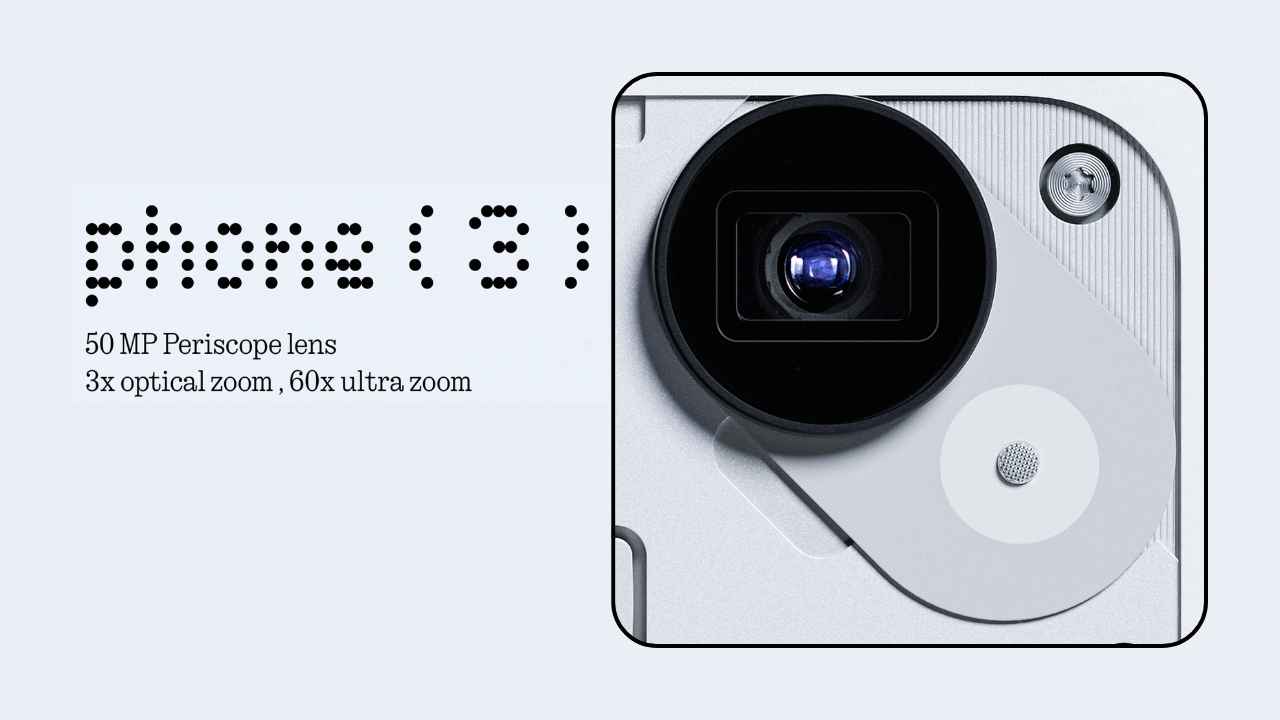
Nothing has steadily built a reputation for offering thoughtfully designed devices that feel different from the rest of the market, and the Phone (3) continues that philosophy.
It will be powered by the Snapdragon 8s Gen 4 and feature a new “Glyph Matrix” design on the back. The phone is confirmed to include a 50MP periscope telephoto camera, with the rest of the sensors also rumoured to be a 50MP primary sensor, and a 50MP ultrawide. A 50MP front-facing camera is also expected.
The display will likely be a 6.7-inch LTPO OLED with 1.5K resolution. Battery capacity is expected to be 5,150mAh, supporting 100W wired and 15W wireless charging. The Phone (3) also comes with the promise of 5 years of Android updates and 7 years of security patches, reinforcing long-term support.
Samsung Galaxy Z Fold 7 & Z Flip 7
Expected launch: July 9

Samsung’s next-gen foldables, the Galaxy Z Fold 7 and Z Flip 7, are expected to debut globally on July 9. The Fold 7 continues to refine the multitasking-first, productivity-focused design that Samsung has steadily evolved. This year, it’s rumoured to feature a Snapdragon 8 Elite chipset, a thinner profile at just 4.2mm when unfolded and 8.9mm when folded, and a total weight of only 215 gram,s which is quite impressive considering the dual-screen structure. The outer screen is expected to measure 6.5 inches, while the main internal display will be a generous 8 inches, both delivering flagship-level visuals. The rear camera setup is said to include a 200MP main shooter, while a 10MP front-facing sensor with a wide 100-degree field of view handles selfies and video calls. Samsung is also expected to improve build durability this year with an enhanced ceramic back and an upgraded aluminium frame.
The Z Flip 7, on the other hand, focuses more on lifestyle-oriented buyers. It offers a more compact form factor without compromising on power. Leaks suggest a 4.1-inch external display with slim bezels and a full 6.9-inch internal screen, both capable of 120Hz refresh rates and peak brightness of 2,600 nits. With a 4,300mAh battery and slightly increased weight of 188 grams, the Flip 7 appears to be a more polished, refined iteration of what’s already a popular form factor. It’s not just a statement device anymore; it’s a viable everyday phone with real improvements in usability and performance.
Vivo X Fold 5
Expected launch: Mid-July
The Vivo X Fold 5 is shaping up to be one of the most feature-complete foldables to date. While it may not be the lightest or the thinnest on the market, it’s certainly among the most robust. Vivo is pushing boundaries here with a dual-cell 6,000mAh battery, using advanced Silicon-Carbon technology. It’s split into 3,275mAh and 2,725mAh cells, allowing for a balanced form factor while still offering strong endurance. Charging is supported at 80W via wire and 40W wirelessly, which is slightly lower than Vivo’s past flagships but still very respectable.
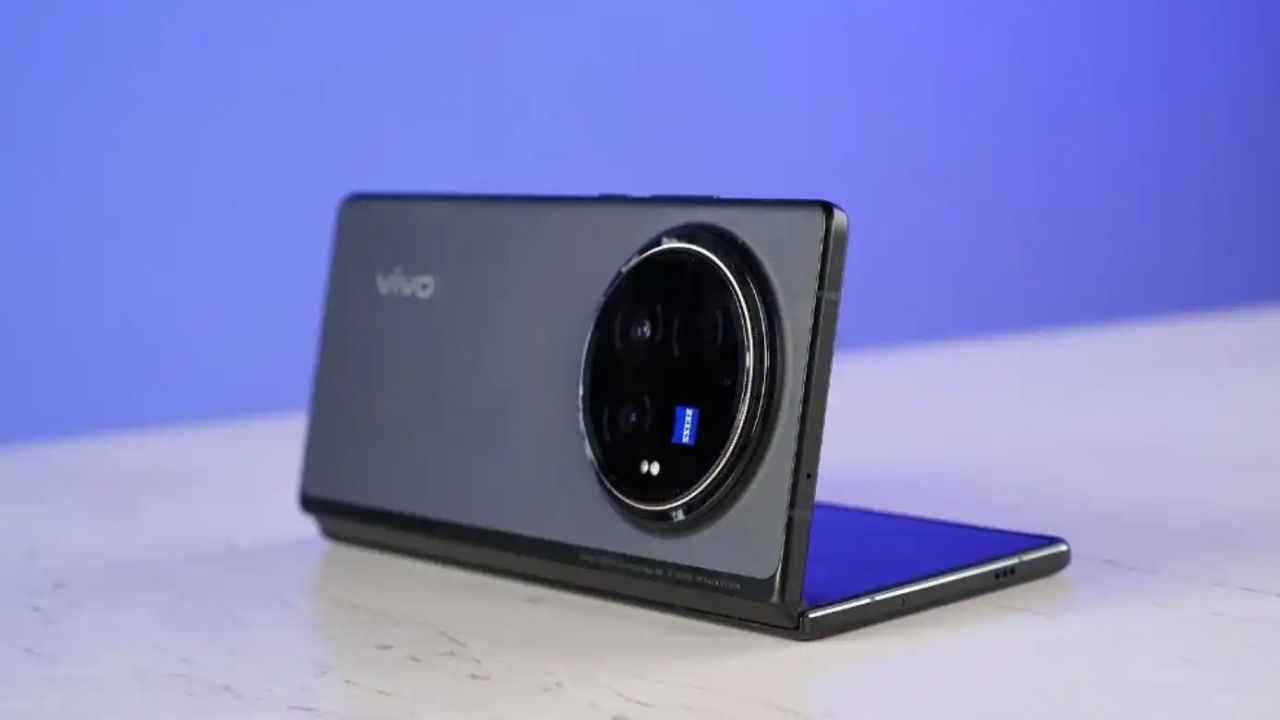
Protection is a major highlight this year. The X Fold 5 carries IPX8, IPX9+, and IP5X ratings, making it one of the most durable foldables in existence. The outer and inner screens remain at 6.53 inches and 8.03 inches, respectively, with the main display now protected by second-generation Armour Glass and reaching up to 4,500 nits of brightness. Powering the device is the Qualcomm Snapdragon 8 Gen 3, and the camera system is no slouch either. It includes a 50MP Sony IMX921 primary lens, a 50MP 3x periscope telephoto, and a 50MP ultrawide, all tuned in partnership with Zeiss. Vivo is also offering different finishes, with the titanium version weighing in at 217 grams and measuring 9.2mm when folded.
Vivo X200 FE
Expected launch: Mid-July

Vivo’s X200 FE is aimed at users who want flagship-level features in a more accessible, compact form factor. It draws design cues from the X200 Pro and includes a metal frame, IP68 and IP69 water and dust resistance, and a compact 6.31-inch LTPO AMOLED screen with a 120Hz refresh rate. The display offers up to 5,000 nits of peak brightness, which should make it easily visible even in direct sunlight. Inside, the phone is powered by the MediaTek Dimensity 9300+ SoC paired with 12GB of RAM.
On the back, it carries a triple-camera setup including a 50MP primary shooter, an 8MP ultra-wide, and a 50MP 3x periscope telephoto lens. The front camera is another 50MP unit. The global variant is expected to benefit from Zeiss optics and additional imaging enhancements. The phone runs on Android 15 with FuntouchOS and packs a large 6,500mAh battery supported by 90W fast charging. In India, the X200 FE will be available in Amber Yellow and Luxe Grey, both designed to appeal to young professionals.
Oppo Reno 14 Series
Confirmed launch: July 3
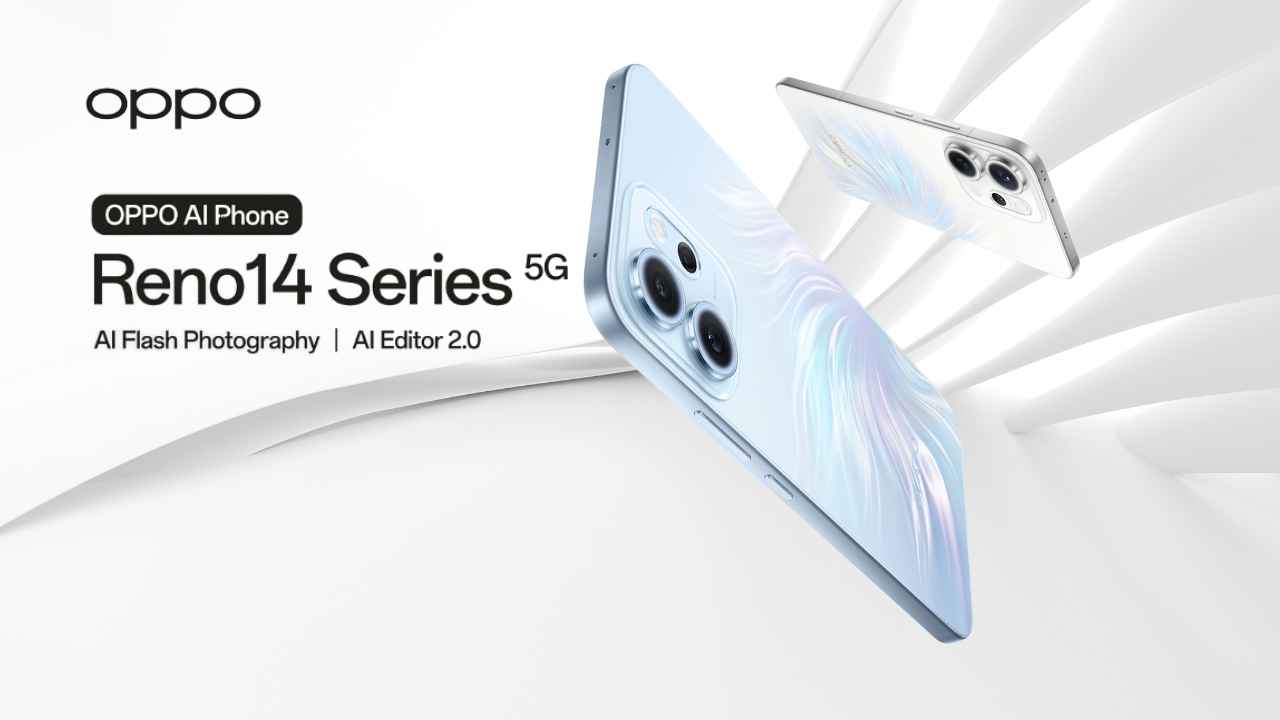
Oppo’s Reno 14 series is designed with photography and creativity in mind. The Reno 14 Pro 5G will come equipped with a quad rear camera setup featuring a 50MP main sensor with OIS, a second 50MP sensor, a 50MP telephoto lens with 3.5x optical zoom, and a 50MP ultrawide. On the front, both the Pro and standard models are said to include a 50MP camera with autofocus.
The Pro variant is powered by the MediaTek Dimensity 8450 chipset and houses a 6,200mAh battery with support for both 80W wired and 50W wireless charging. Oppo is also integrating a host of AI photography features, including AI Editor 2.0, AI Voice Enhancer, AI Livephoto 2.0, and more. These tools are designed to simplify the editing process and enhance the quality of mobile content creation, especially for social media. The Indian launch is set for July 3, and both Flipkart and Amazon are already teasing the phones via microsites.
Motorola G96 & G86
Expected launch: Mid-July
Motorola’s G-series continues to evolve, with the G96 and G86 expected to arrive soon. The G96 appears to be aimed at users who want a refined mid-range experience with premium touches. It is expected to feature a 6.67-inch curved pOLED display with a 144Hz refresh rate, Snapdragon 7s Gen 2 chipset, a 50MP main camera with OIS, alongside an 8MP ultra-wide secondary camera and a 32MP front-facing camera. The device includes stereo speakers with Dolby Atmos and houses a 5,500mAh battery supported by 68W fast charging. It comes in several Pantone colour options, including Cattleya Orchid and Ashleigh Blue, all with a vegan leather finish.
The Moto G86 takes a slightly different approach. It’s expected to come with a MediaTek Dimensity 7300 chipset and a 1.5K pOLED screen with a 120Hz refresh rate and up to 4,500 nits of brightness. It is expected to feature a 6,720mAh battery in some variants and is rated IP68 for water resistance and MIL-STD 810H certified for durability. The camera setup includes a 50MP main lens and an 8MP ultra-wide, while a 32MP front camera handles selfies. The G86 could be especially appealing to budget-conscious users looking for long battery life and a durable build without compromising on display quality.
Honor X9C
Expected launch: End-July
The Honor X9C is expected to feature a 6.78-inch curved AMOLED screen with a 120Hz refresh rate, 1.5K resolution, and an impressive 4,000 nits of peak brightness. The design is slim at just under 8mm thick and weighs 189 grams. It has SGS drop resistance certification and an IP65M rating, making it suitable for daily wear and tear.
Honor has confirmed that the Indian version will be equipped with a 108MP main camera with 3x lossless zoom, optical and electronic stabilisation, and AI-based enhancements like Motion Sensing and AI Erase. The phone is powered by Android 15 with MagicOS 9.0, and features stereo speakers. Powering the phone is a 6,600mAh battery with support for 66W SuperCharge. For users looking for a curved, premium-looking device with solid battery life and dependable camera performance, without breaking the bank, the X9C could be a solid contender.
Whether you’re looking for a long-lasting battery, solid cameras, foldable form factors, or a reliable daily-use device, July 2025 offers more variety than usual. But the important thing is to match the phone to your actual lifestyle. Not what the spec sheet says, not what the launch event hypes up, just what fits how you use your phone day to day.
 Follow Us
Siddharth Chauhan
Siddharth reports on gadgets, technology and you will occasionally find him testing the latest smartphones at Digit. However, his love affair with tech and futurism extends way beyond, at the intersection of technology and culture. View Full Profile


