Smartphone design is a strange paradox. It’s deeply personal, yet meant to appeal to the masses. What one user finds sleek and premium, another may find dull or uninspired. As such, design becomes one of the most subjective and therefore risky elements for any smartphone brand to prioritise. Over the years, as performance specs, camera counts, and software features have taken centre stage, design has quietly slipped into the background.
 Survey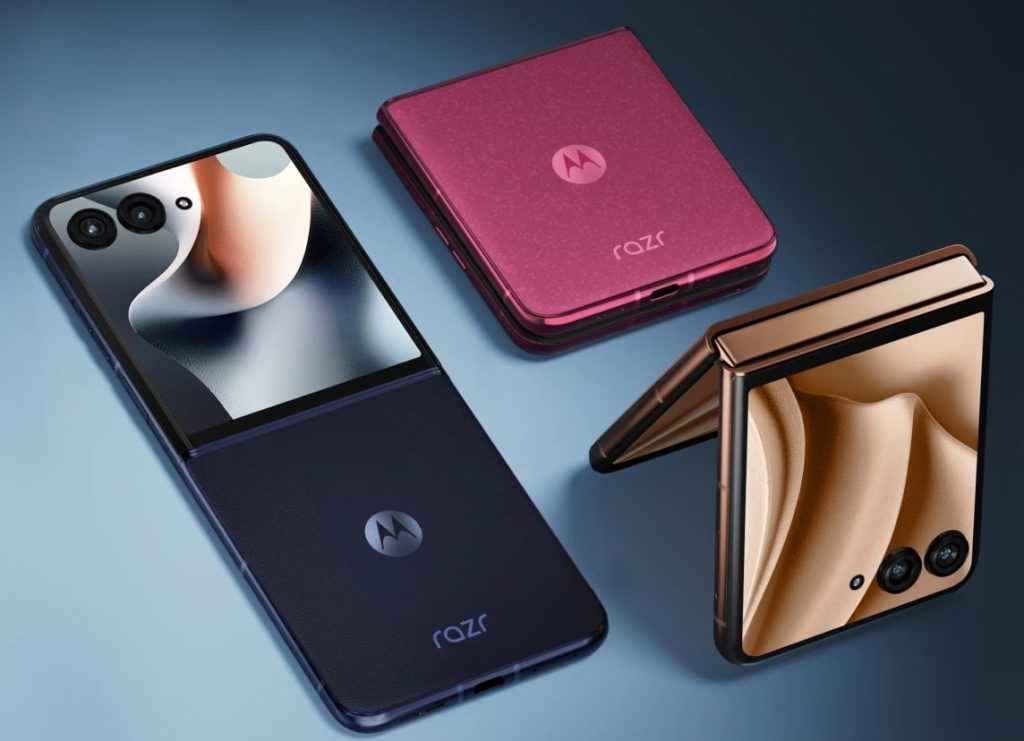
Most phones today look increasingly alike with flat edges, centred punch-hole cameras, and minimal curves, resulting in a sea of sameness. But there are exceptions. A handful of brands still treat design as a defining pillar rather than an afterthought. Motorola stands out in that mix. From the Moto Mods to the reinvention of the Razr or its recent embrace of bold colourways and tactile finishes, the brand has consistently attempted to break away from the grayscale uniformity of the market. And in doing so, it has quietly built a niche, one that’s resonated with users who want their phone to feel less like a tool and more like an extension of their personality.


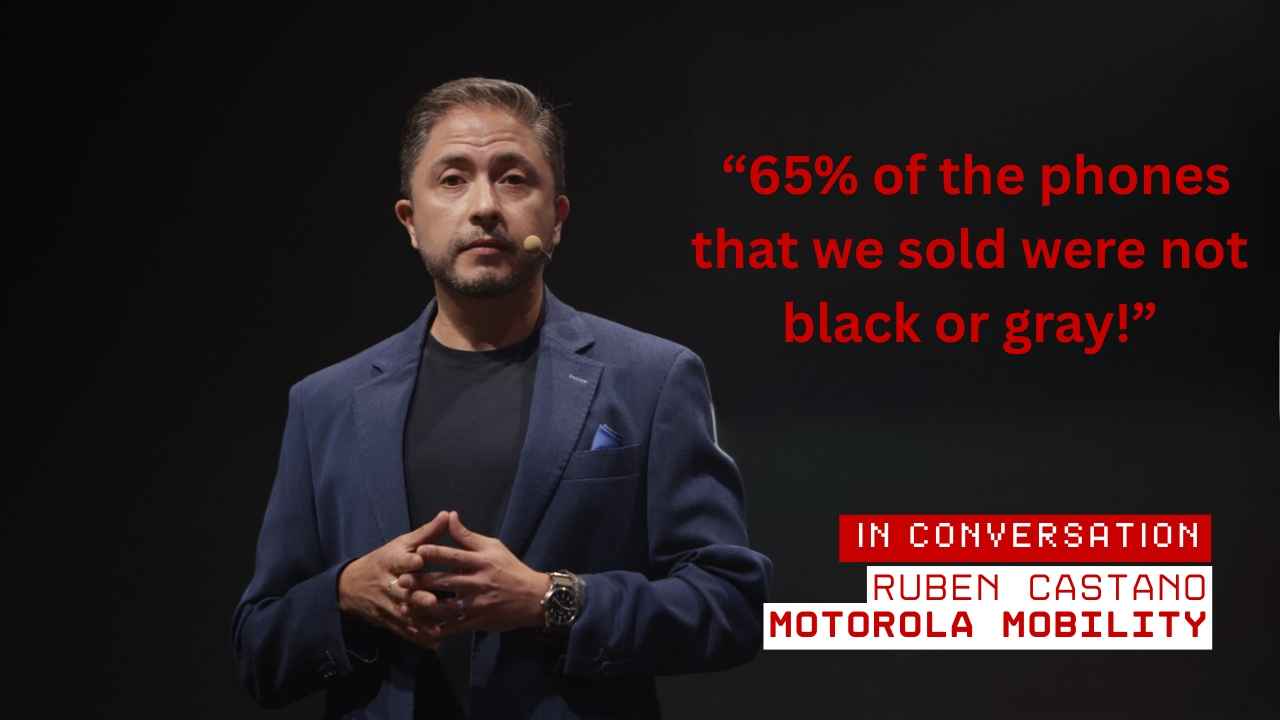
“We want to become the lifestyle tech reference brand in the mobile industry,” explains Ruben Castano, Vice President of Design, Brand & CX at Motorola Mobility, during a recent interview about the company’s design philosophy and its latest phone, the Edge 60 Pro.
“A smartphone shouldn’t just be about technology, it’s something that should represent who you are. Just like you pick clothes or home décor, your phone should be an extension of your personality.”
Castano, who joined Motorola in 2005 just as the original Razr was taking the world by storm, has weathered nearly two decades of the company’s ups and downs. Rather than viewing the challenging periods as setbacks, he sees them as crucial to Motorola’s current trajectory.
“It’s all been part of a learning journey that for me has been tremendous,” Castano reflects. “You can’t just ride on successes; you have to learn from mistakes as well.”
While the brand continues to be recognised for pioneering innovation in mobile design, its current playbook is distinctly lifestyle-driven.
A Design Philosophy Built on Three Pillars
When asked to describe Motorola’s design philosophy in just three words, without using clichés like “innovative” or “creative”, Castano doesn’t hesitate.
“Simplicity, honesty, and surprise,” he says. These principles have guided his team for years, serving as the North Star for everything from the revived Razr line to the newly launched Edge 60 Pro.
But what makes a “good” smartphone design in today’s crowded market? For Castano, it goes beyond specifications and features.
“It’s something that obviously sparks your imagination, something that makes you feel proud of being the owner of that,” he explains. “And it’s something that throughout the daily use, after a week, a month, a year, it just integrates seamlessly into your everyday life.”
The Colour Revolution
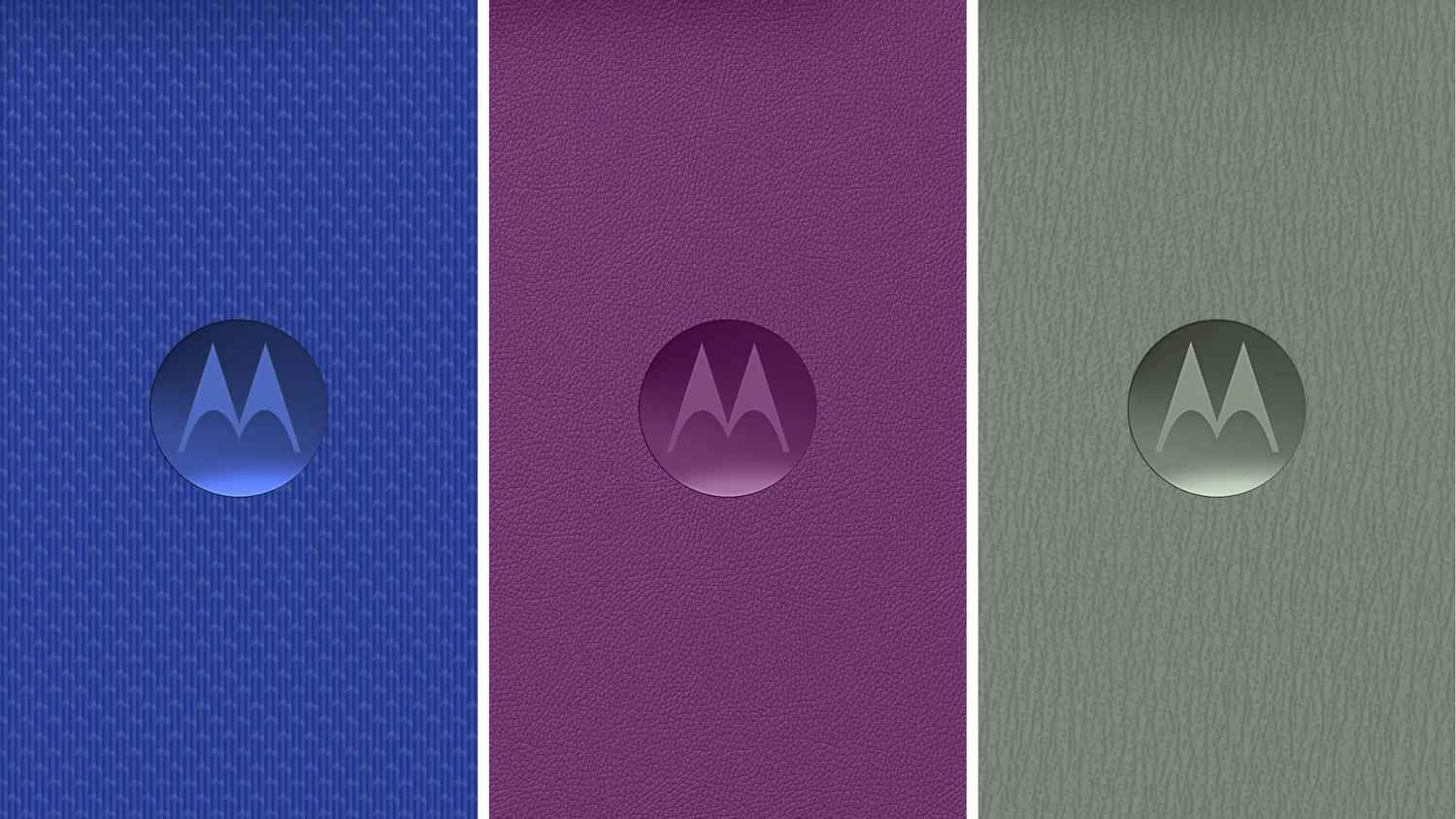
One of the more noticeable elements of Motorola’s design approach is its partnership with Pantone, which began in 2022. While it might seem like a purely aesthetic move on the surface, the collaboration has quietly played a role in shaping how the brand thinks about colour, material, and the emotional response users have to their devices.
“Over the last two years alone, 65 percent of the phones that we sold were not black or gray or traditional tones,” Castano reveals, noting that this period coincided with “exponential growth in terms of volumes and overall sales.”
The focus on colour has also dramatically shifted Motorola’s customer demographics. Once predominantly appealing to men over 40, the brand now attracts a more balanced audience across age groups and genders. “Our collaboration with Pantone has helped us become a lot more gender-balanced and diverse in our customer base,” Castano adds.
Even more surprising is the company’s success in converting Apple users. “Globally, 20 percent of everybody that buys a Razr from Motorola comes from Apple,” Castano states. “And no other brand, to our knowledge, has been able to pull consistently consumers from iOS over into the Android space.”
Beyond Visual Appeal
The Edge 60 Pro is the latest in the line, representing Motorola’s holistic approach to design. “Color, obviously, is a very visual experience,” Castano notes. “But the reality is, after that, you hold these devices in your hand and you carry them all the time.”
“We’ve developed an extensive library of textures and finishes,” he says, running his hand over the matte canvas-like rear of the Edge 60 Pro. Some shades pair naturally with leather-inspired textures, while others call for canvas or textile-like finishes.
“You might call us crazy, but some colors feel maybe more like it would fit better with a traditional leather-like texture. While others, because the colour feels more fresh, vibrant and modern, require more of that canvas, textile-inspired type of feeling when you hold it in your hand.”
Looking Forward (and Back)
When asked about design trends he’d like to see make a comeback, Castano’s answer reveals a practical concern often overlooked in the race for bigger screens and more features.
“Size is very important,” he emphasises. “Human hands are not going to continue to grow as displays continue to grow. Something that you carry with you all the time cannot, year after year, to put more functionality, become bigger or heavier or bulkier.”
This focus on ergonomics harkens back to one of Motorola’s most successful designs, the ultra-thin original Razr V3. “Even going back to when we launched the original V3, which one of the most striking features was how thin and slim it was. I think that’s making a comeback right now,” Castano observes.
Motorola’s focus on design isn’t merely aesthetic—it’s strategic. Post-purchase research consistently shows that design, colour, materials, and feel have become the primary drivers behind consumers’ decisions to buy Motorola phones, outranking even practical considerations like display quality, camera capabilities, processor performance, and price.
As smartphones increasingly become fashion accessories as much as technology tools, Motorola’s bet on “lifestyle tech” appears to be paying off. By understanding that a phone is “such a personal device” that “should represent who you are,” the company has found a way to stand out in an increasingly homogenised market.
 Follow Us
Siddharth Chauhan
Siddharth reports on gadgets, technology and you will occasionally find him testing the latest smartphones at Digit. However, his love affair with tech and futurism extends way beyond, at the intersection of technology and culture. View Full Profile


