Some TVs are just TVs. They come and go, lost in the shuffle of model numbers and incremental upgrades. But every now and then, a TV arrives that’s so ahead of its time that it changes the game – or at least tries to. These are the models that dared to be different, pushing the boundaries of display technology long before the market was ready to embrace them. Some disappeared due to sky-high costs, others because of manufacturing challenges, but all left their mark on the industry. Let’s take a look at five unique TVs that were well ahead of their time.
 Survey
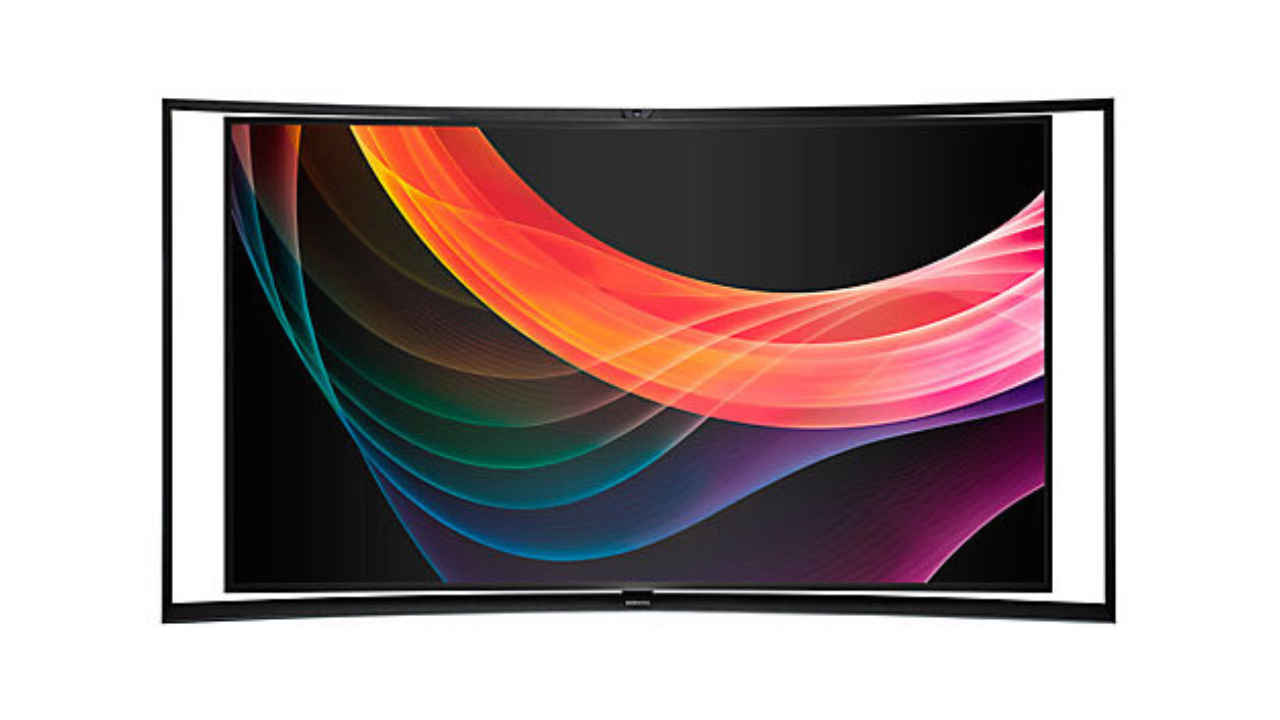
Samsung 55-inch S9C

Launched in 2013, the Samsung S9C was the first OLED TV to hit the market and to this day, it remains the only one of its kind. Unlike modern OLED TVs, which rely on White OLED (WOLED) or Quantum Dot OLED (QD-OLED) technology, the S9C featured individual Red, Green, and Blue subpixels per pixel just as OLED displays on smartphones and it also had a curved screen. This made for stunning color accuracy and vibrancy, with no need for color filters or conversion layers.


While this approach delivered exceptional picture quality, manufacturing it at a large scale was prohibitively difficult. As a result, Samsung never produced a second-generation model. Today’s OLED TVs may have evolved in other ways, but none can claim the same direct RGB subpixel structure as the pioneering S9C.
Sony KDL-55XBR8

At CES 2025, mini LED TVs with RGB backlights were a hot topic. But Sony had already experimented with this concept 17 years earlier with the Sony KDL-55XBR8. Back in 2008, this TV featured a full-array LED backlight with individually controlled red, green, and blue LEDs for unprecedented contrast and color accuracy.
However, the high cost of manufacturing and the complexities of driving independent RGB LED zones meant that the technology never gained traction. It would take another decade before RGB mini LED backlighting found its way back into premium LCD TVs. The KDL-55XBR8 may not have been a commercial success, but it was undeniably ahead of its time.
Also Read: RGB Mini LED vs Mini LED vs QD-OLED – Why this new tech is a game-changer
LG R1 Rollable Signature OLED TV

TVs are getting thinner, bigger, and smarter, but how many of them can roll up like a giant newspaper? The LG R1 Rollable OLED TV was such an engineering marvel, capable of retracting into its base when not in use. Launched in India at an eye-watering price of 75 lakhs, it was a status symbol as much as a display innovation.
Despite its futuristic appeal, the Rollable OLED faced challenges. The high cost of production and limited demand made it unsustainable. By 2024, LG officially discontinued the lineup. While rollable displays still have potential, the R1 was a bold but ultimately impractical attempt at reshaping the TV market, literally.
Samsung 110-inch Micro LED TV

Micro LED is often hailed as the future of display technology, combining the best of OLED (perfect blacks, per-pixel lighting) with none of its drawbacks (burn-in, limited brightness). Samsung introduced the world’s first consumer-ready Micro LED TV at CES 2021, a massive 110-inch behemoth that showcased the possibilities of self-emissive micro-scale LEDs.
Unlike other pioneering TVs on this list, Micro LED isn’t dead – it’s just taking time to become accessible. Samsung continues to refine the technology, and at CES 2025, Hisense entered the arena with the 136MX MicroLED TV. While prices remain sky-high, Micro LED could eventually become the successor to OLED in premium home entertainment.
Sharp Aquos Quattron

Sharp’s Aquos Quattron series took a unique approach to color reproduction by adding a fourth yellow subpixel to the traditional Red, Green, and Blue (RGB) pixel structure. This supposedly resulted in a wider color gamut, better brightness, and a viewing experience closer to how the human eye perceives color.
In practice, Quattron had mixed results. While it theoretically enhanced certain shades like gold and yellow, real-world improvements were subtle. Skepticism from industry experts, high pricing, and a lack of content optimised for a four-color system ultimately led to its limited adoption. Still, it was a fascinating experiment in display innovation that never fully caught on.
These five TVs represent some of the boldest and most ambitious experiments in consumer display technology. Some ideas, like Micro LED, continue to evolve. But whether they succeeded or faded into obscurity, each of these TVs is special for display enthusiasts.
Who knows? Maybe in another few years, we’ll look back at today’s cutting-edge tech like QD-OLED displays and see them as just another stepping stone to something even more revolutionary.
 Follow Us
Deepak Singh
Deepak is Editor at Digit. He is passionate about technology and has been keeping an eye on emerging technology trends for nearly a decade. When he is not working, he likes to read and to spend quality time with his family. View Full Profile


