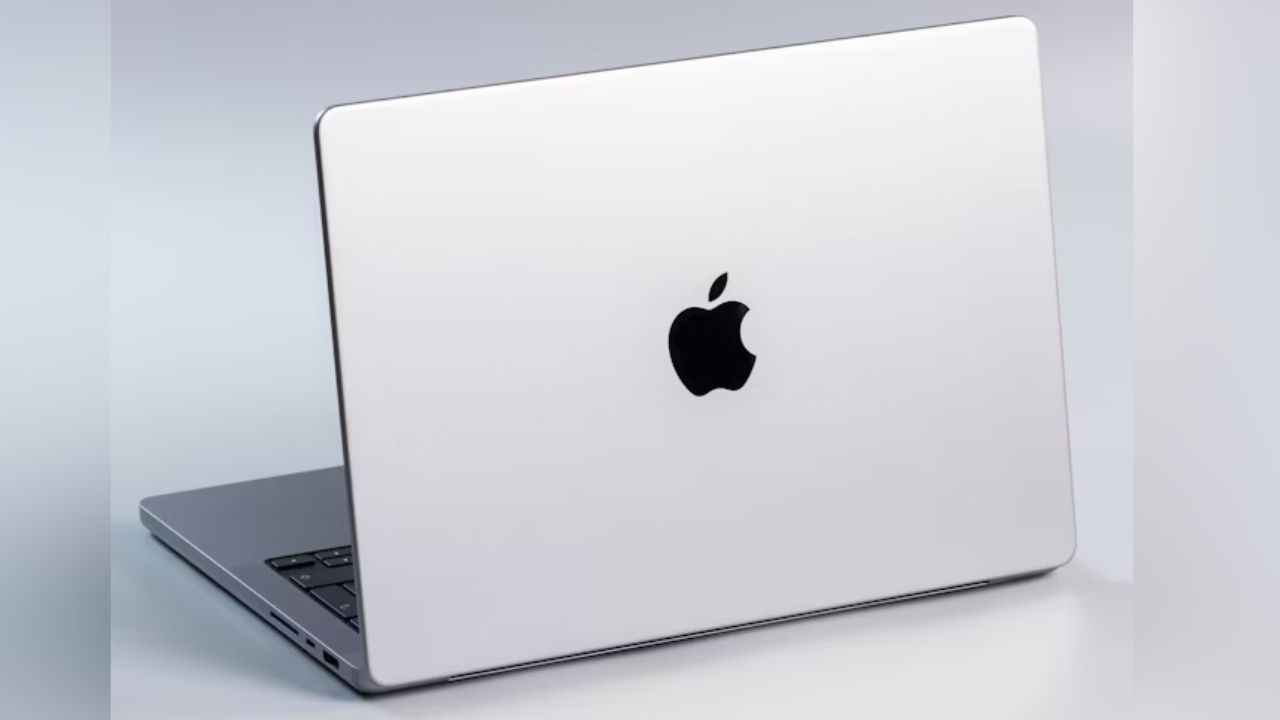
When you think of a good productivity laptop, Apple’s MacBook lineup is one of the first options to come to mind. And as we step into 2026, tech enthusiasts as well as Apple fans across the world are curious about the next set of MacBooks in store. For years, upgrades to the MacBook lineup have been all about chipset upgrades, incremental design refinements and slow steps toward a more unified hardware strategy. But if reports are accurate, 2026 might finally be the year Apple breaks that rhythm. Two MacBook models in particular have captured the attention of analysts, insiders and long time fans. One is expected to be Apple’s most affordable laptop in years and the other is shaping up to be one of the most radical MacBook Pro redesigns.
 Survey
Also read: A look at all Apple MacBooks coming in 2026


Together, these two machines could signal the start of a new chapter for the Mac. One where Apple does not just protect its premium base but aggressively expands the ecosystem at both ends. Here is a deeper look at both devices and why 2026 could become a landmark year for Apple’s laptops.
A MacBook for students and budget-conscious users
Rumours of a budget friendly MacBook surfaced a lot this year. And if Apple does bring a budget-friendly laptop, things will change. For more than a decade, owning a MacBook has been synonymous with spending a large amount of money. Even the older MacBook Air models rarely dipped into a range that could make a casual buyer or first time student consider switching. Hence, the MacBook has been almost inaccessible for those looking for a budget-friendly device.
That is what makes this new 2026 model so fascinating. Reports are that Apple is working on a 12.9 inch or 13 inch MacBook with a lightweight body, a simplified design and a lower cost LCD panel. It is also expected to use the A18 Pro chip, which currently powers the iPhone 16 Pro.
On paper, that may sound like a downgrade from the M series chips, but early performance estimates tell a different story. The A18 Pro appears to match or even edge past the original M1 in graphical output and everyday tasks, which puts it well above what most budget laptops deliver today.
Apple is reportedly keeping the port selection basic, with regular USB C instead of Thunderbolt, and might even introduce fun colour options to mirror the iMac and iPad aesthetic.
If pricing lands in the expected USD 599 to USD 699 range, this MacBook could become Apple’s most important mass market play since the iPhone SE. It gives Apple a way to bring millions of iPhone only users into the macOS world. And that is a user base Apple has been trying to court for years. Every major macOS update has focused on deeper integration with the iPhone through features like Continuity Camera, AirDrop evolution and cross device workflows. However, the missing piece has always been a laptop that these users can justify buying without stretching their budgets. This new MacBook could finally complete that puzzle. More importantly, it could introduce an entire generation of students to the Mac ecosystem long before they become premium buyers.
The redesigned OLED MacBook Pro
While the budget MacBook could be aimed at students and first-time buyers, Apple hasn’t forgotten about its premium users. The Cupertino-based tech giant is also set to launch a redesigned MacBook Pro with an OLED touch screen. If this device launches in late 2026 as reports say, it could mark one of the most significant philosophical shifts in Apple’s computer history.
Apple, till now, has not added touch support for the MacBook even though various brands have laptops with a touch display. But that might just change.
The new MacBook Pro OLED is rumoured to use next generation M6 chips built on TSMC’s 2 nm process. If accurate, this would bring major gains in efficiency, neural processing and graphics output. Apple is also reportedly shrinking the bezels further, moving toward a cleaner hole punch style camera layout and giving the Pro lineup a thinner and lighter chassis. Combined with an OLED panel, users can expect deeper blacks, better HDR reproduction and far superior contrast compared to the current mini LED displays.
This redesign suggests Apple is preparing the Mac for a future where the line between laptop and tablet becomes more flexible but still maintains macOS identity. Touch support could unlock new creative workflows, new app interactions and new possibilities for professionals who already pair their MacBooks with iPads. And with Apple’s growing focus on AI powered features across its platforms, a touch capable MacBook Pro powered by M6 silicon could serve as the ideal hardware foundation for whatever comes next.
There is also the possibility of optional cellular connectivity through Apple’s in house C2 modem. Even if this feature does not arrive in the first generation, the fact that it is being discussed at all hints at Apple’s desire to make the MacBook more independent, more mobile and more aligned with modern work habits.
But all these upgrades, as one can predict, also come with a rising cost. Which honestly isn’t a surprise. After all, an OLED display, touch support and a complete redesign will not come cheap. With that being said, this feels like the type of flagship product that resets expectations for what a MacBook Pro can be.
These two upcoming laptops are targeted towards two very different consumers but tell a unified story about Apple’s direction. The budget friendly MacBook shows Apple wants to expand the Mac ecosystem to millions of new users who have remained outside it for years. On the other hand, the OLED touch screen MacBook Pro shows Apple is ready to push the high end forward in a way that breaks old rules and explores new territory.
If both devices land in 2026, this could become the most transformative year for Mac hardware since the Apple Silicon transition. Not because of one big change but because Apple is finally moving boldly in two entirely different directions at once. And this can change everything for the brand that is adored by millions across the globe.
Also read: A rollable gaming laptop could be here soon: All we know about Lenovo Legion Pro Rollable
 Follow Us
Divyanshi Sharma
Divyanshi Sharma is a media and communications professional with over 8 years of experience in the industry. With a strong background in tech journalism, she has covered everything from the latest gadgets to gaming trends and brings a sharp editorial lens to every story. She holds a master’s diploma in mass communication and a bachelor’s degree in English literature. Her love for writing and gaming began early—often skipping classes to try out the latest titles—which naturally evolved into a career at the intersection of technology and storytelling. When she’s not working, you’ll likely find her exploring virtual worlds on her console or PC, or testing out a new laptop she managed to get her hands on. View Full Profile


