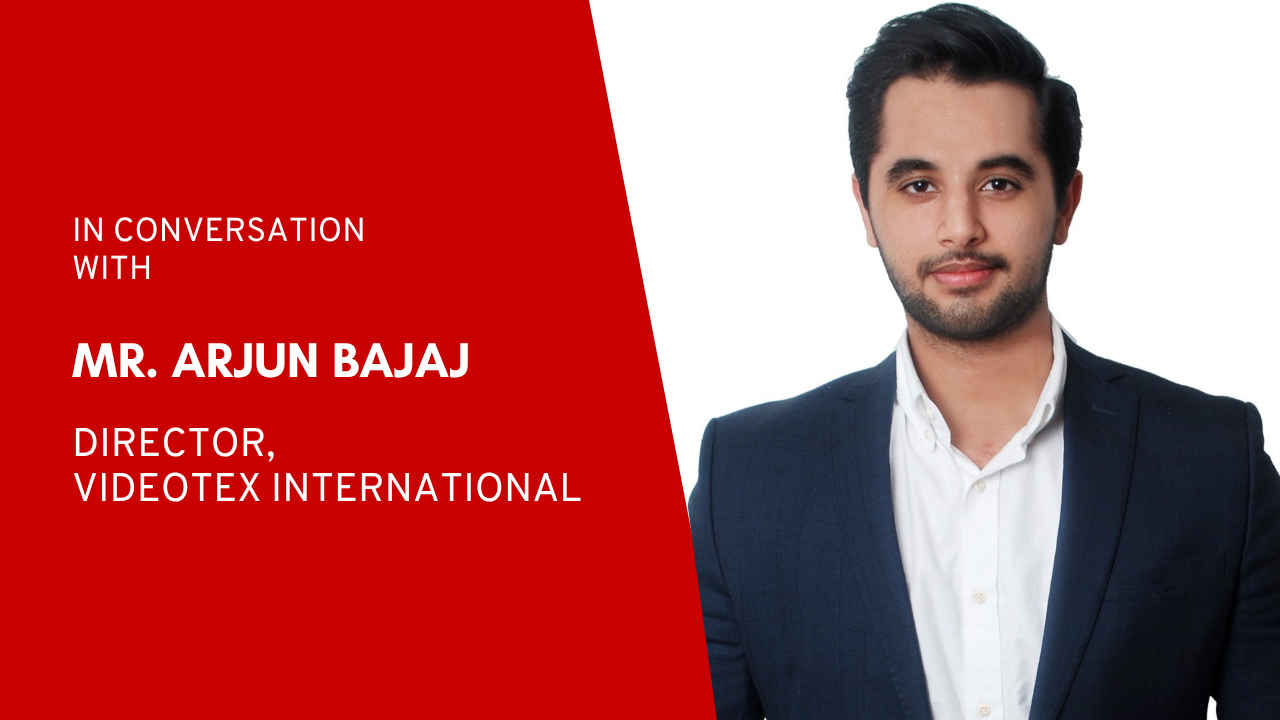
India remains one of the world’s fastest-growing television markets, with dozens of brands competing across online and offline channels. Behind much of this growth is Videotex International, one of India’s leading Original Design Manufacturers (ODM) and Original Equipment Manufacturers (OEM) for LED TVs. The company builds products for some of India’s biggest names in consumer electronics, often without public mention due to brand agreements, and has been instrumental in democratising technologies like LG’s webOS and Samsung’s Tizen to the local market.
 Survey
In this conversation, Mr Arjun Bajaj, Director of Videotex, talks about the company’s evolution over four decades, its expanding manufacturing ecosystem, and how innovations like QLED and Mini LED TVs are reshaping India’s viewing experience. He also shares his views on the PLI scheme exclusion, GST reforms, import dependency, and the company’s roadmap toward greater self-reliance under the ‘Make in India’ initiative. Here are the key excerpts from our interaction.


Q. Arjun, could you please share what Videotex stands for as a brand and how its journey has evolved so far?
Arjun: Videotex is a leading ODM, and we’ve been in the industry for the last 40 years now. So this is our 41st year.
We’ve been manufacturing ever since the black and white era. So, black and white colour TVs, then we moved to LCDs, then plasma, then LEDs, lately into the 4K and the QLED segments and also now the Mini LED. Recently, we also became the first Indian ODM to launch a Mini LED TV. We work with several leading brands in India.
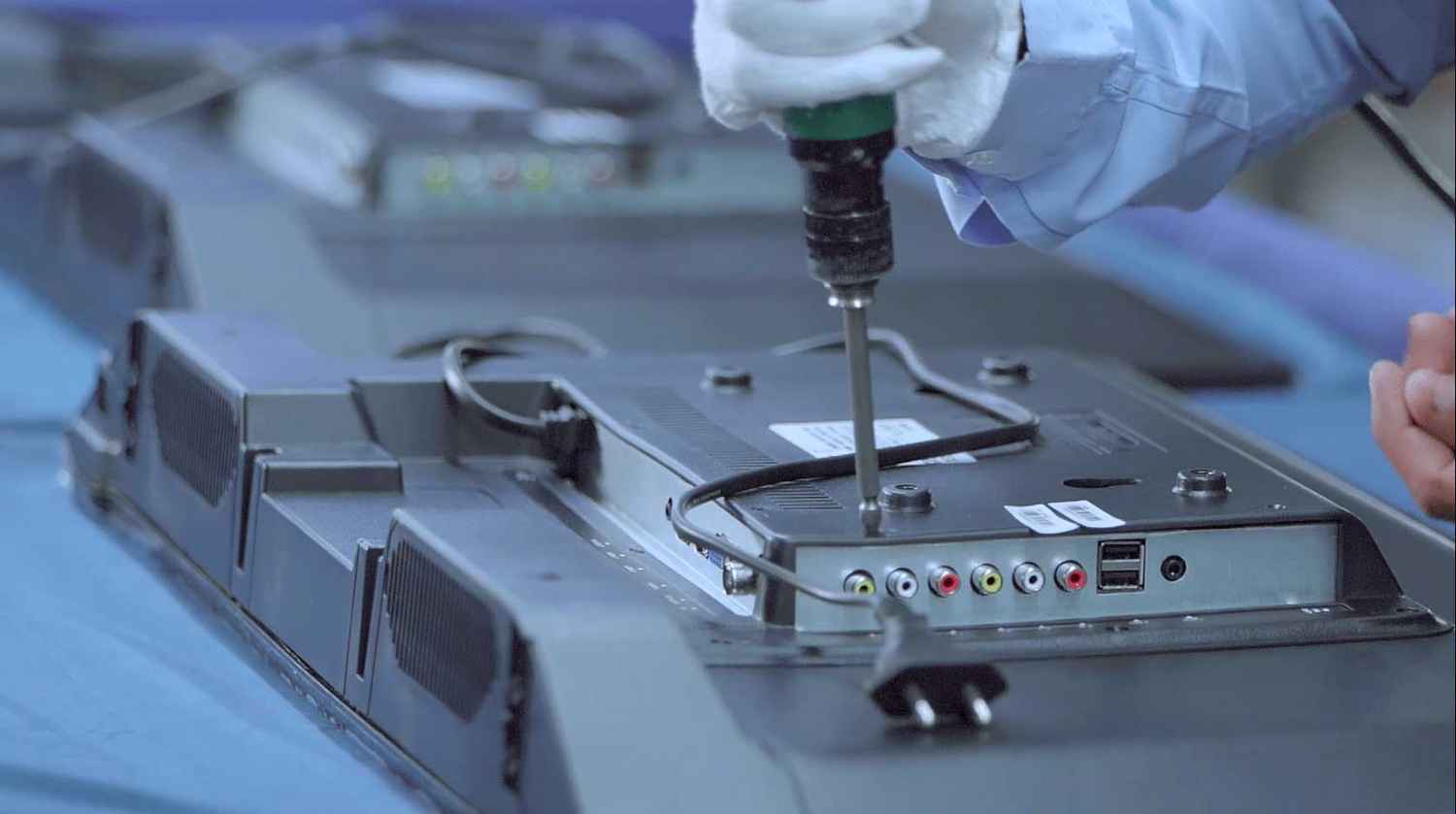
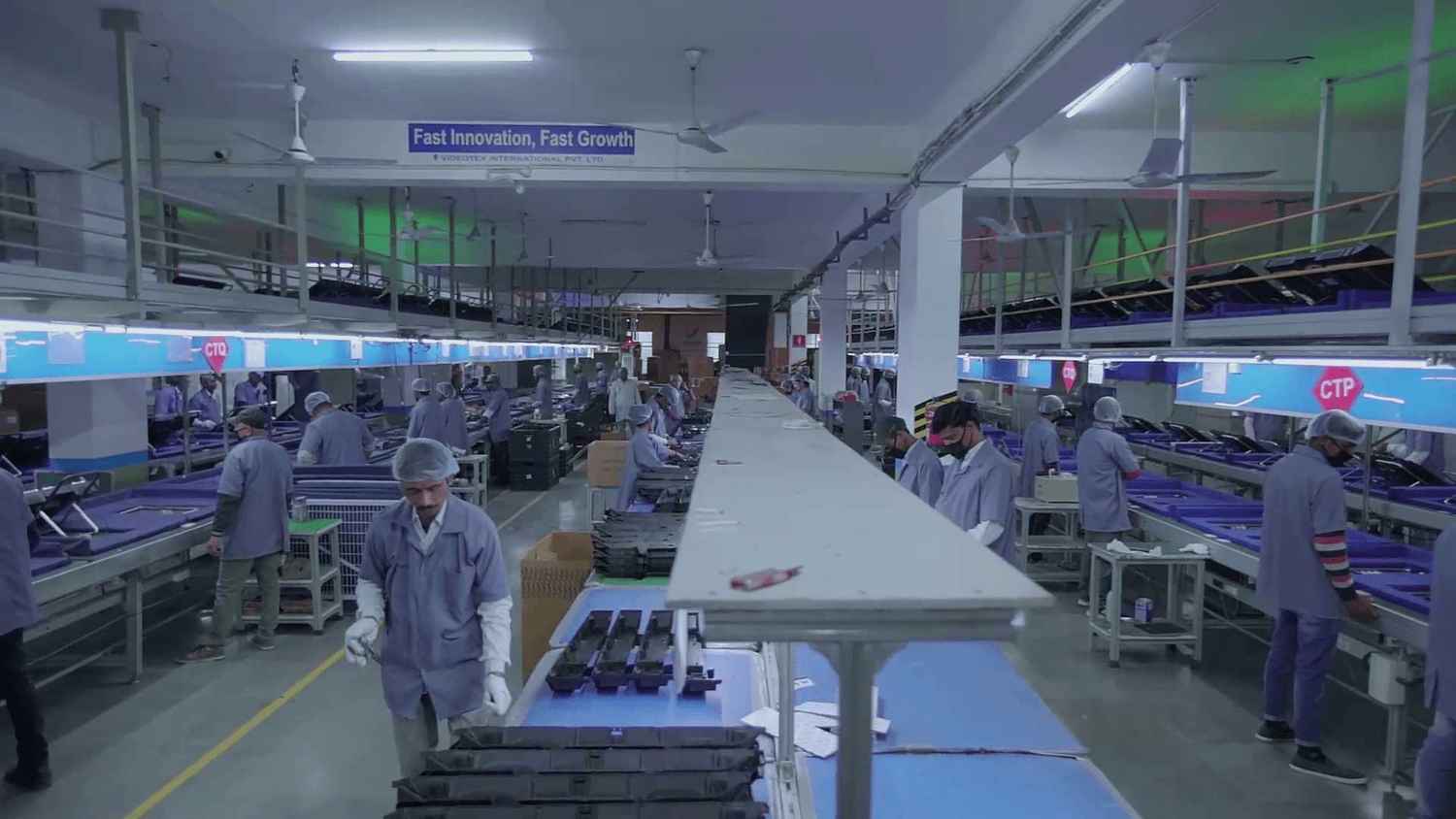
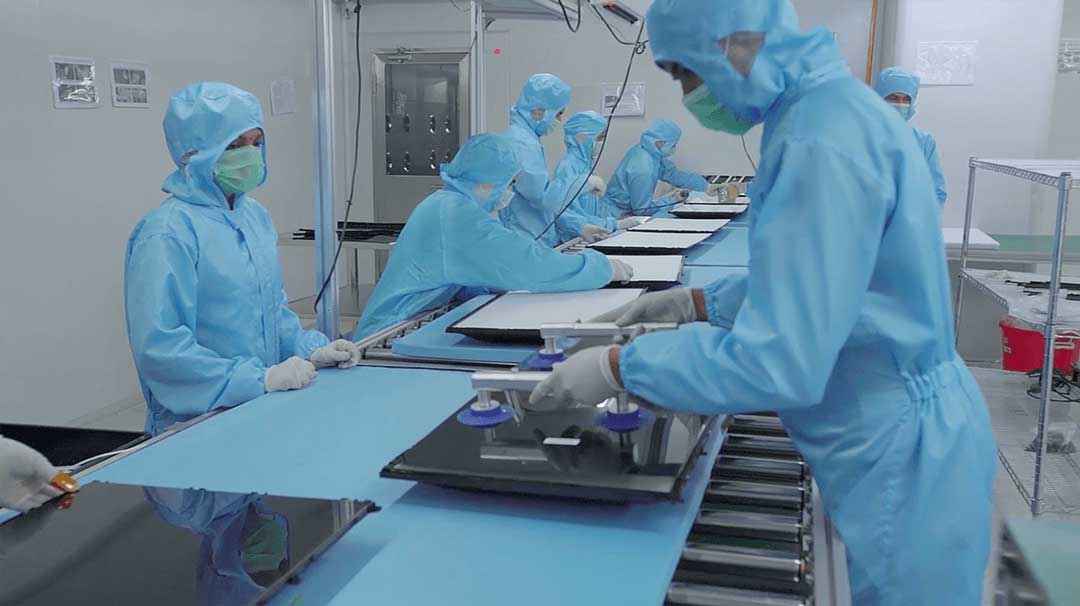
Our current production capacity is about 2.2m TV units, and we have a complete backward integration setup, including in-house SMT (Surface Mount Technology for Printed Circuit Boards) production and plastic injection Moulding.
By 2021, we became a revolutionary leader by introducing LG’s webOS operating system in the Indian market. We bagged the exclusive rights from LG and were allowed to integrate that solution into other company products. That really changed the complete scenario of the Indian television industry, wherein, till then, only Google’s Android TV was the leading OS. But now, webOS has captured a significant market share, especially in the offline space. Online sales are still dominated by Google.
And, recently, we’ve also onboarded Samsung’s Tizen, which shall be available through our partner brands in the coming months. However, Videotex has its strengths in product innovation and positioning, which help us succeed.
Also Read: Spectera, Spatial Audio and AI: Sennheiser on its 80-year journey and road ahead in India
When we launched webOS, LG’s name was not allowed to be used anywhere. This was a big challenge. But, we designed the products in a way that the performance, features in terms of picture and sound worked better on TVs made by us with webOS, than any other premium TVs in the showrooms where multiple brand products were displayed. That really created an impact.
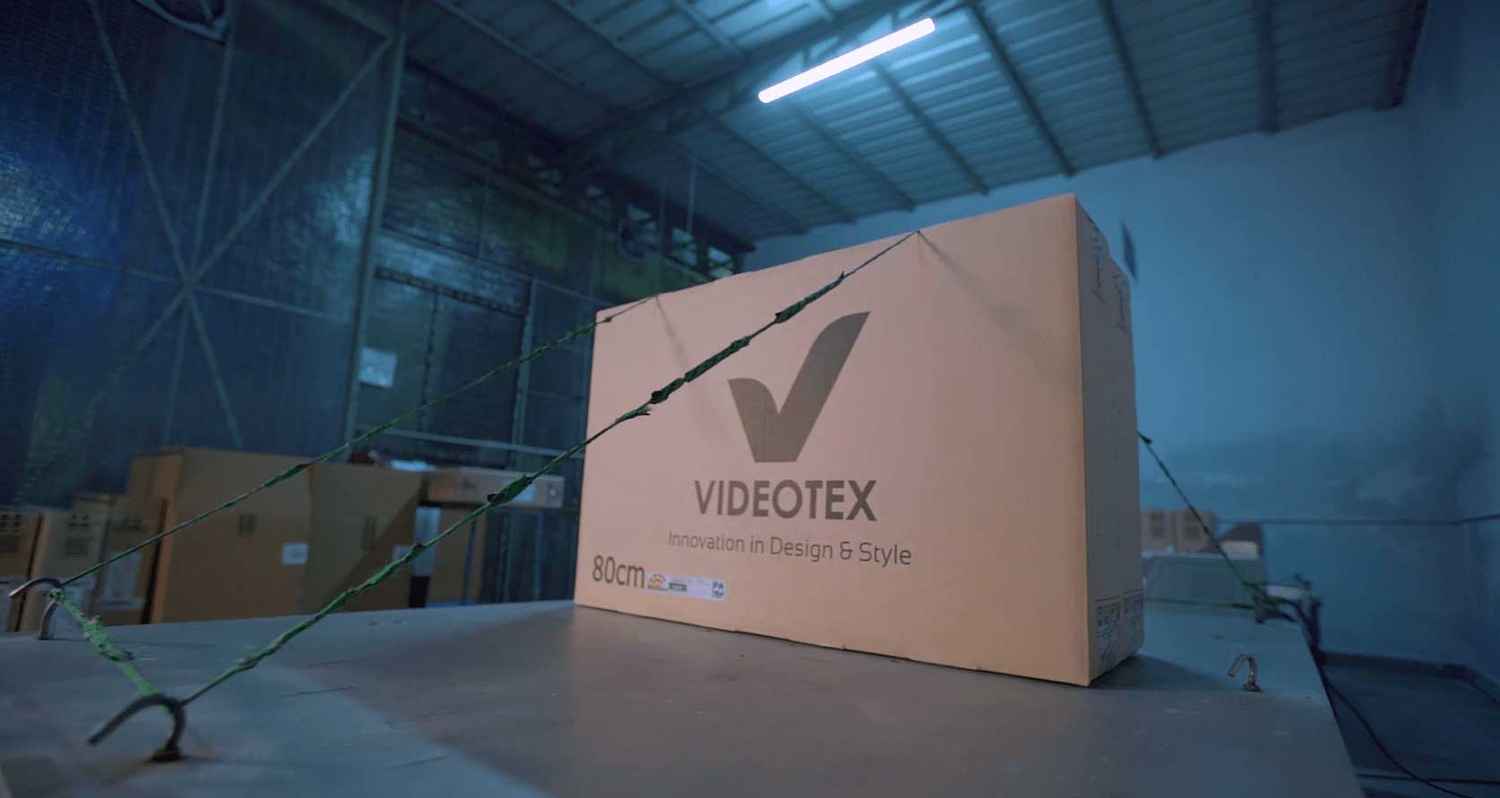
Following this, we introduced the QLED range. We were the first ones in India to bring the QLED range in 32-inch models, at super attractive prices for our partner brands, which again made a difference. And it is Videotex that effectively started the QLED segment in India as a technology provider, enabling our partner brands to launch these products.
Being in this industry and surviving for almost four decades and beyond, we see television as an ever-growing market, which we never see getting replaced by any products, be it mobile phones or tablets. There was an era when TVs were expected to be impacted, but it was very short-lived. A big screen is a big screen.
The experience that you get at home on a TV, you cannot get that on a mobile. Yes, for travelling, mobiles and tablets are great, but eventually, the person doesn’t want to just keep the phone in their hand all day. You just want to look straight without any stress. Whatever you’re watching on your phone gets straight onto the TV, and you can relax.
Q: So, are there any new manufacturing initiatives?
Arjun: Yes. Last year, we also introduced injection moulding. We set up a new plant where we started injection moulding, so now we’re making complete TV cabinets in-house, up to 43 inches.
Currently, our focus is on premium segments like Mini LED technology and next-gen 120 Hz TVs and gaming solutions. Some developments are confidential, though which we can only share close to the launch dates.
Q: Now, let’s shift to the broader industry perspective. Can you tell us if Videotex benefits from government schemes like the PLI?
Arjun: TVs are generally out of the PLI scheme; it’s only available for select categories like mobile phones and ACs. Currently, there is no direct scheme specifically for LED TVs. Some duty advantages exist but the capacity and availability are limited
However, the recent GST advantage is something we’re betting on. Above 32 inches, TVs were 28% GST; now it’s 18%. We’re hoping this will positively impact Diwali sales. Demand for bigger sizes is increasing; people want 43, 50, and 55 inches. This is an indication that India is moving to international standards, where 55 inches is the smallest screen.
Q: So, can consumers already see benefits in pricing due to GST reduction in the offline space?
Arjun: Yes, it’s already reflected. In e-commerce, brands are promoting it; offline, the revised MRPs are also in place. Many companies have salary periods ending around the 7th, so we expect a spike in buying patterns after that. Last year, Diwali sales were weak, but we hope this year will be different.
Q: How dependent is Videotex on imports?
Arjun: About 75% of the mainboard components and open cells come from China. Electronics, including TVs, remain heavily import-dependent. Backward integration gives us a big advantage, but full local value addition requires display fabs, semiconductors, and design implementation. In the next 4-5 years, once plants are fully operational and stable, we’ll see the benefits of Make in India.
Q: Any plans for a display panel ecosystem?
Arjun: No. That requires a huge investment of Rs 20,000-Rs 30,000 crore and a strong technology partner. Currently, we’re not planning that level of funding, but we are in talks with relevant partners. Our supply chain and technology relationships are strong with the players in this ecosystem.
Q: How do you see competition from other operating systems and Chinese ODMs?
Arjun: We have multiple OSs in the market: webOS, Tizen, Google, Jio, AOSP, Cloud TV, and Coolita. Offering multiple OSs provides variety and competition, but ultimately, TV success depends on hardware.
Chinese ODMs are present in India, but our experience, backward integration, and supply chain give us an advantage.
Q: Are you diversifying into other electronics?
Arjun: Yes, we will announce new products next year. Our plant is under construction in Noida.
Videotex is the strongest TV ODM and design hub in India. Once you (the interviewer) visit the factory, you’ll see the processes, and I’m sure you’ll have a great experience.
Well, that was our interaction and stay tuned to Digit for more such content.
 Follow Us
G. S. Vasan
G.S. Vasan is the chief copy editor at Digit, where he leads coverage of TVs and audio. His work spans reviews, news, features, and maintaining key content pages. Before joining Digit, he worked with publications like Smartprix and 91mobiles, bringing over six years of experience in tech journalism. His articles reflect both his expertise and passion for technology. View Full Profile


