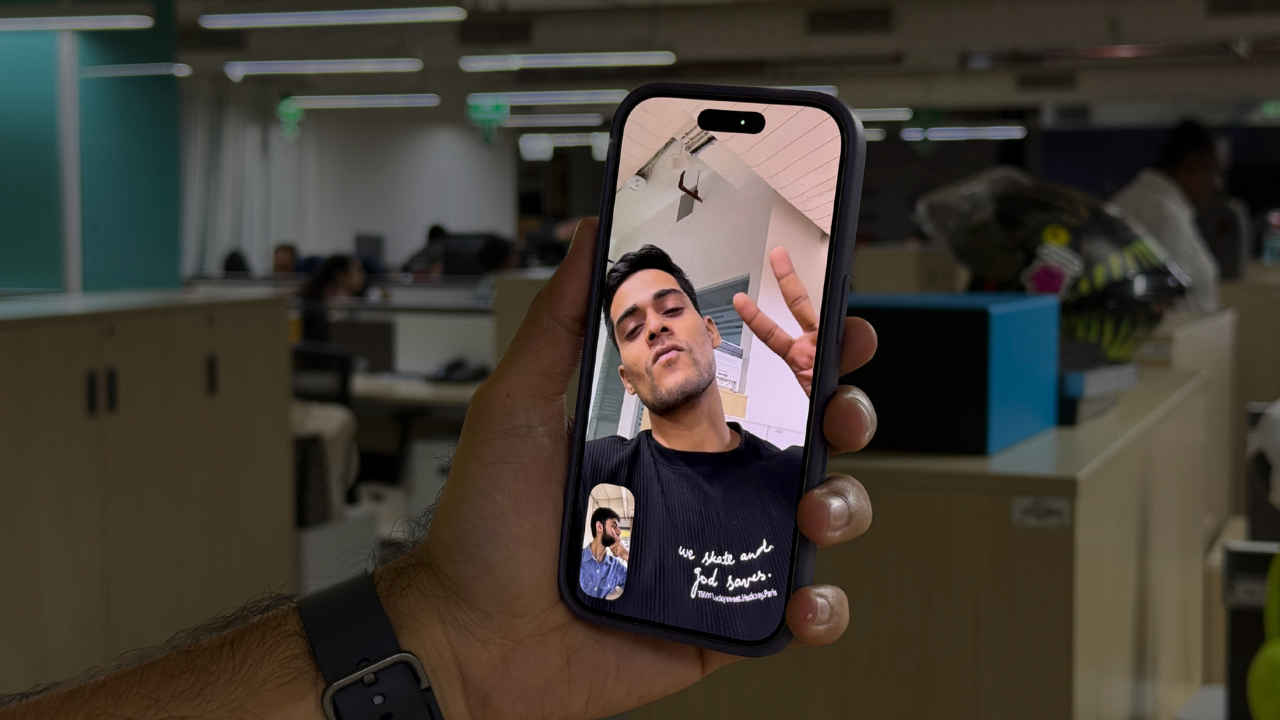
When Apple first added a front-facing camera to the iPhone back in 2010, it sparked the global selfie craze. Fifteen years later, selfies haven’t really changed. Most of us still stretch our phones out awkwardly, trying to get ourselves and maybe a friend into the shot. With the iPhone 17 series, Apple thinks it has found a way to shake things up, and it’s betting big on a feature called Center Stage. While it’s not a new invention, other players have done it before, but here’s why this feature is more than it meets the eye if you’re an Apple user.
 Survey
Center Stage isn’t just another megapixel bump. Sure, the new front camera gets a jump to 18 megapixels, a nice upgrade from last year’s 12-megapixel sensor. But the real innovation lies in the sensor design itself. Instead of being a narrow, selfie-shaped rectangle, Apple has opted for a larger square sensor, which enables the camera to capture more information in every shot. This extra “room” allows the iPhone to intelligently decide how to crop and frame images.


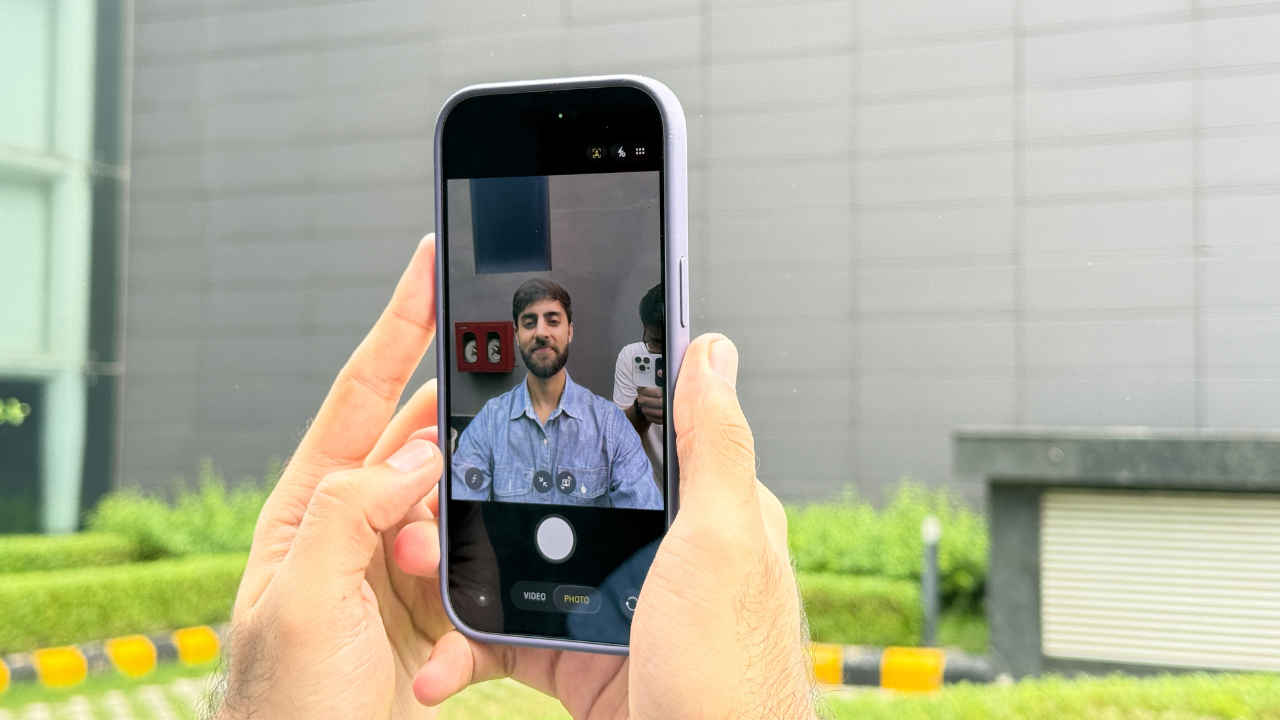
So, you can hold your iPhone vertically, just like you always do for selfies, but with a quick tap, you can flip into a landscape-style frame, no awkward hand-twisting required. If someone else walks into the picture, the camera automatically adjusts by zooming out to make space. It’s subtle, but once you use it, you realise how outdated the old way of taking selfies feels.
Not just a selfie stick
Apple is pitching Center Stage as more than a party trick for photos. During video calls, the iPhone 17 uses the same technology to keep you centred, even if you move around. If your hand shakes while you’re walking or gesturing, the software smooths things out, so to the person on the other end, you look steady and composed. For FaceTime regulars, or anyone tired of looking like they’re bouncing through a call, this would help.
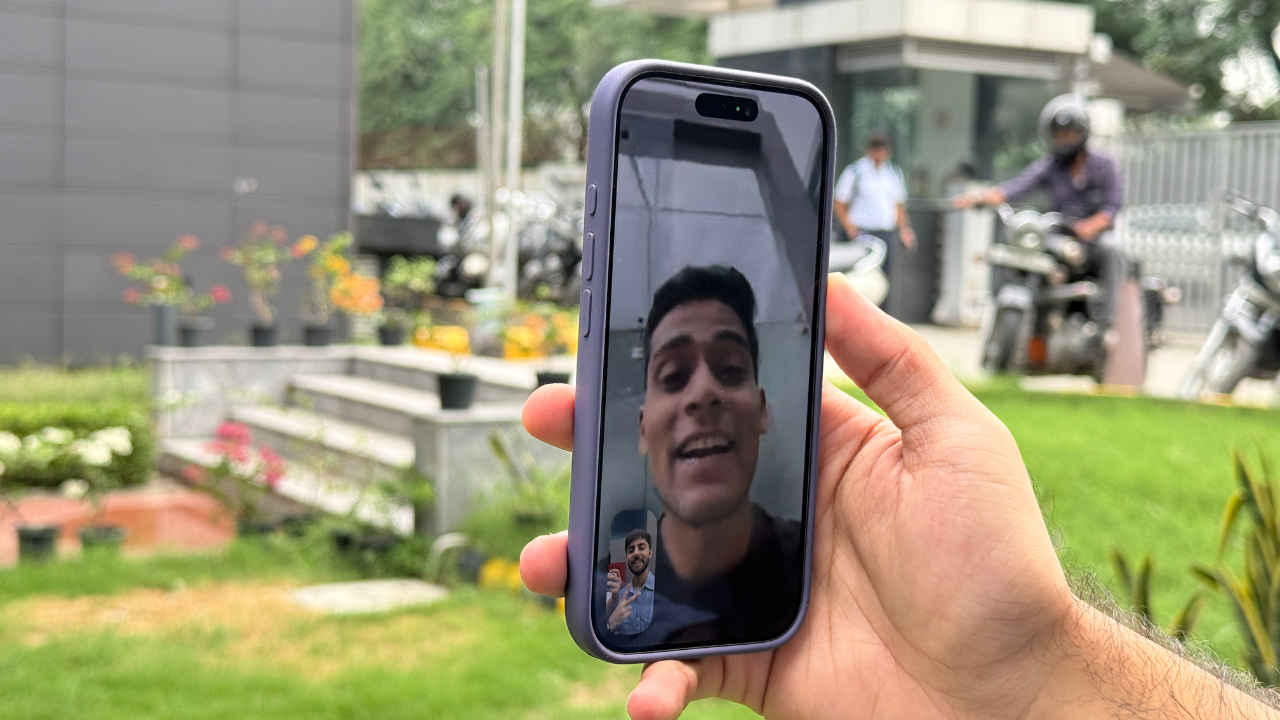
AI plays a big role here, though Apple is deliberately vague about the exact processing. What’s clear is that it’s a form of smart digital zoom that can expand or contract the field of view without a noticeable drop in quality. Combined with the higher resolution, the results are sharper selfies, more natural skin tones, and an overall cleaner image than we’ve seen from past iPhones.
A level playing field across models
One of the biggest surprises is that Apple didn’t lock this feature behind its priciest phones. Whether you buy the entry-level iPhone 17, the iPhone Air, or the Pro Max, you’ll get the exact same Center Stage camera.
In the end, Center Stage feels like one of those deceptively small features that could quietly change habits. It removes the awkwardness of selfies, makes video calls smoother, and opens up new possibilities without asking you to think about it. For iPhone 17 buyers, this might just be the feature that sticks, long after the spec sheets are forgotten.
 Follow Us
Mustafa Khan
Mustafa is a young tech journalist who tells it like it is, cutting through buzzwords to deliver straightforward smartphone reviews. He’s the office go-to for insider tips and quick demos, and his video content doesn’t waste anyone’s time. When he’s off the clock, he geeks out over cars, photography, and hunting down the best spot for Indian food. View Full Profile


