Leaks point to Apple-owned radios defining iPhone 17’s under-the-hood story
Custom sub-6 5G modem prioritizes efficiency, mmWave likely absent
In-house Wi-Fi 7, Bluetooth 5.3, better batteries and cooling enable AI
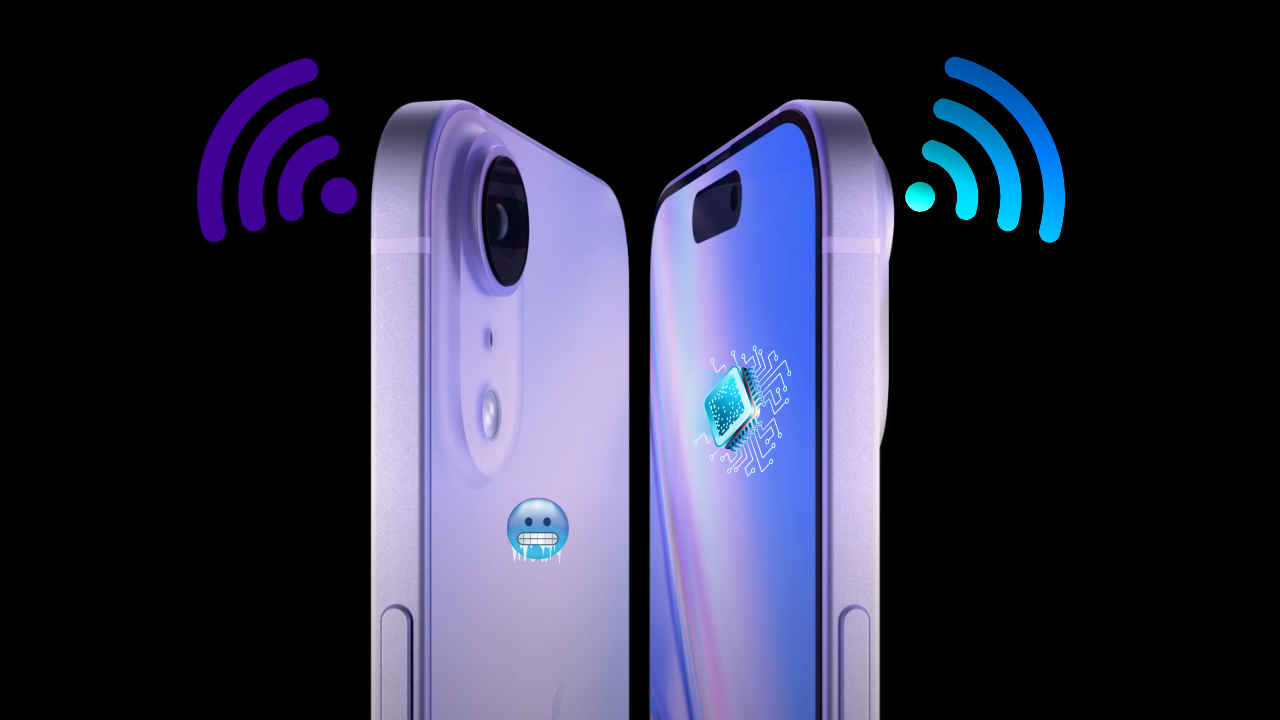
On the eve of an Apple iPhone 17 or Mac keynote event, I always picture two rooms. One is the bright stage you’ll see in a few hours – cinematic videos of Tim Cook and his Apple team, a pristine demo of a new camera trick of the iPhone 17, a tasteful gag about widgets, and more. The other is a hushed lab where engineers stare at signal plots and heat maps, the place where the work that actually changes the iPhone happens.
 Survey
Having tracked Apple since the pre-iPhone, I’ve learned the real story is nearly always written in that second room. And for the iPhone 17, the story many of us expect – emphasis on expect – is about communications silicon.


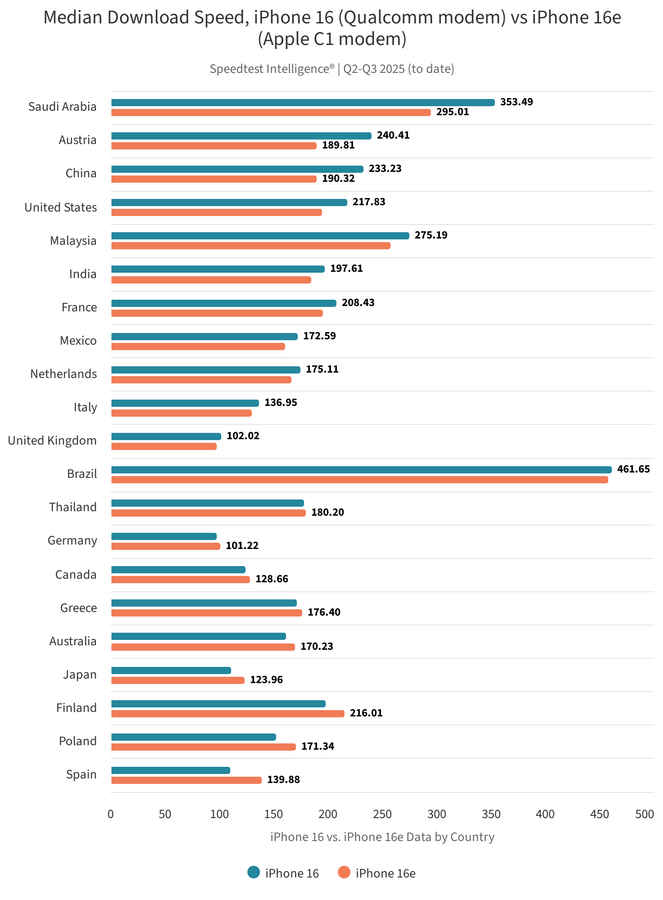
The headline act is expected to be a homegrown 5G modem rumored for the iPhone 17 Air. If you’ve followed Apple’s silicon arc – from ditching PowerPC to building M-series laptops that outlast red-eye flights – you know how this company plays the long game. The modem move would be the same muscle. You’ll remember that Apple quietly launched the C1 modem in iPhone 16e, which according to Ookla, performs similarly to the iPhone 16 with the Qualcomm modem in the vast majority of markets they examined.
Also read: Apple iPhone 17 series could see first price hike in 7 years: Analysts
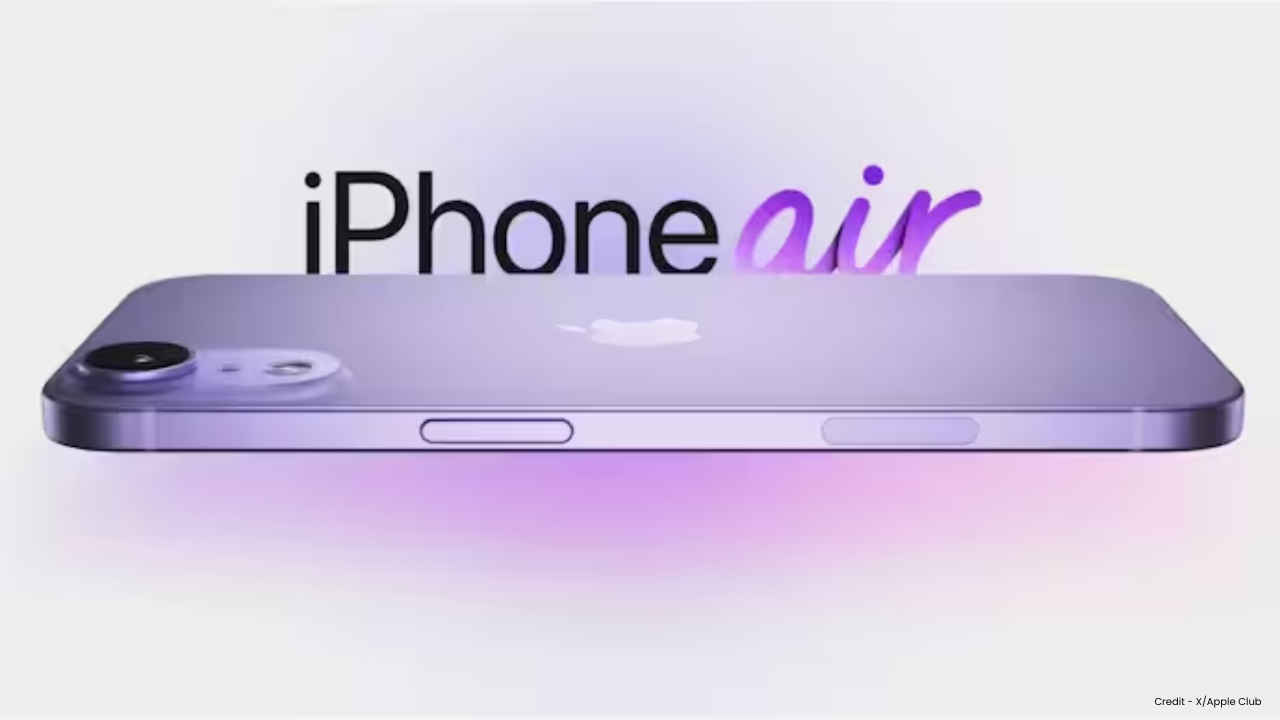
The iPhone 17 Air’s modem part is said to focus on sub-6GHz, promising brisk downloads up to 4Gb/s and noticeably better battery life. No mmWave, which means those postcard-perfect speed tests outside a stadium in a few cities would remain the brag of certain Android flagships. But Apple’s bet, if its ships, is familiar – efficiency beats spectacle, and integration beats everything.
When the modem and iOS are designed as one, you can squeeze out ugly inefficiencies we’ve lived with for years – chattier radios than necessary, flaky handoffs, power spikes at the top of a video call. It also unlocks features Apple loves to quietly perfect. If you’re wondering about the mainstream iPhone 17 and Pro: reports suggest they’ll stay with Qualcomm for now. A staggered transition is Apple’s classic hedge – ship the new brain in one body, iterate, then fan it out when it sings.
Also read: iPhone 17 Air expected to dominate Apple’s Sept 9 event but may disappoint buyers, here’s why
The second brick in the silicon stack is expected to be Apple’s own Wi-Fi/Bluetooth combo across the lineup. On paper, that would mean Wi-Fi 7 and Bluetooth 5.3. In practice, it means your home mesh gets to flex – multi-link operation, wider 320MHz channels, lower latency that games and FaceTime actually feel. On the Bluetooth side, the groundwork is there for the better everyday stuff – which means LE Audio, broadcast-style sharing at concerts or classrooms, tighter, more reliable AirPods behavior without the ritual of the case-open-close-open dance.
Of course, radios are only half the battle. The other half is physics related to power and heat. Apple’s expected to at least nod to silicon-anode batteries and vapour-chamber cooling – two phrases that sound like sci-fi, domain of Android flagships, and for years were treated as such on phones. Silicon anodes promise higher energy density, which Apple can spend in the ways users actually notice. Vapour chambers are the insurance policy. Sustained performance has been iPhone’s kryptonite the past couple of years. I mean you could feel it during long gaming sessions or heavy video capture as clocks slide and palms get toasty. A well-executed VC spreads heat fast and thin, so performance holds. The context is obvious: AI models and next-gen imaging stacks are hungry, and running at full speed for 5-10 mins isn’t the bar anymore.
Which brings me to Apple Intelligence, the marketing term that’s still finding its sea legs. If you squint, this silicon story is the antidote. The best way to make AI stick on a phone is to control the layers that AI leans on most: the radios that move data, the battery that feeds the compute, the thermal system that keeps it honest.
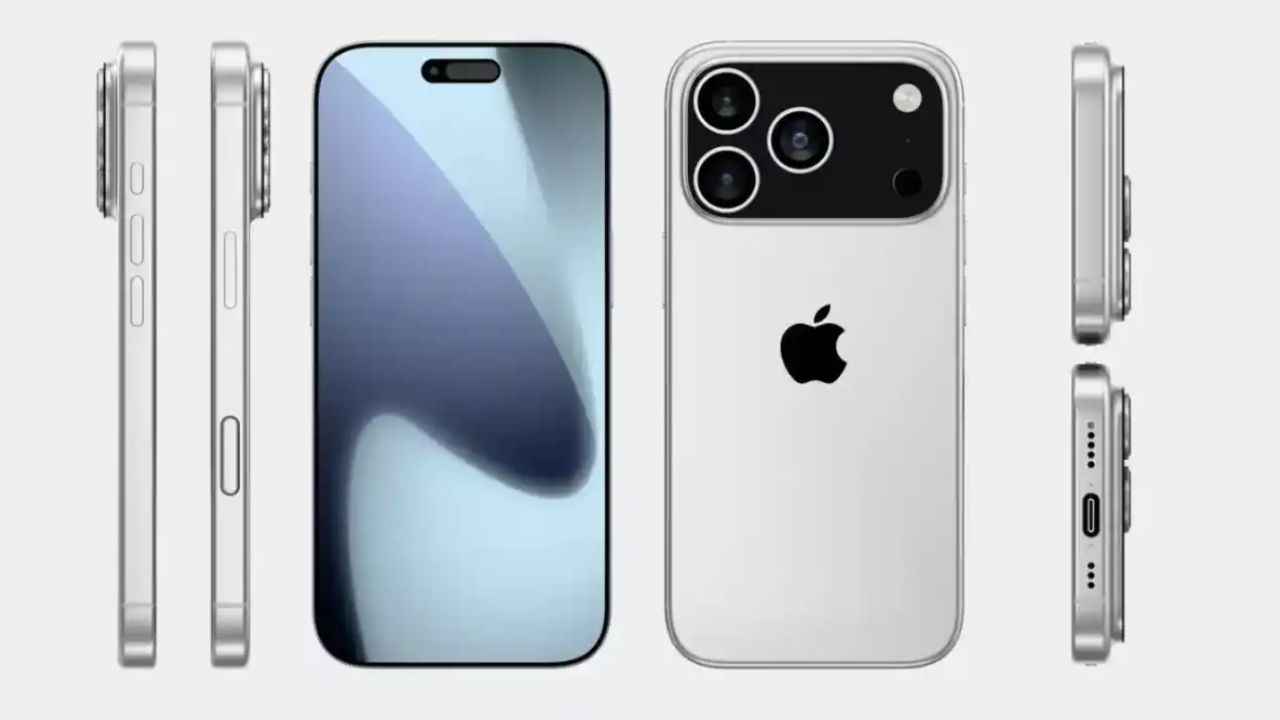
So yes, you’ll hear numbers if these bets show up during the iPhone 17 launch event later today: 4Gb/s here, Wi-Fi 7 there, new cooling, new chemistry. You’ll see a reel with drone shots, a coat pocket shot at dusk, and a hand waving next to an AirPod that pairs itself as if by telepathy. But the thing to watch for is much more fundamental, in my view – are the pipes, the battery, and the thermal system all speaking Apple’s new language now? If even part of that materializes, iPhone 17 won’t feel like just another annual ritual.
Also read: Apple iPhone 17 series launch event: When and where to watch the Awe Dropping event
 Follow Us
Jayesh Shinde
Executive Editor at Digit. Technology journalist since Jan 2008, with stints at Indiatimes.com and PCWorld.in. Enthusiastic dad, reluctant traveler, weekend gamer, LOTR nerd, pseudo bon vivant. View Full Profile


