
 E-Magazine
85,000 रुपये के Temple पर उठे सवाल तो दीपिंदर गोयल ने दिया जवाब, बोले- भारत के लिए नहीं बनाया यह AI डिवाइस, देखें क्या है पूरा माजरा
दीपिंदर गोयल ने साफ किया है कि उनका 85,000 रुपये वाला Temple AI वियरेबल भारतीय बाजार के लिए नहीं है।
Temple की कीमत और इसके वैज्ञानिक दावों पर उठे सवालों के जवाब में उन्होंने काफी कुछ साफ किया है।
गोयल के अनुसार, Temple का मुख्य फोकस Brain Flow नहीं, बल्कि Entropy है।
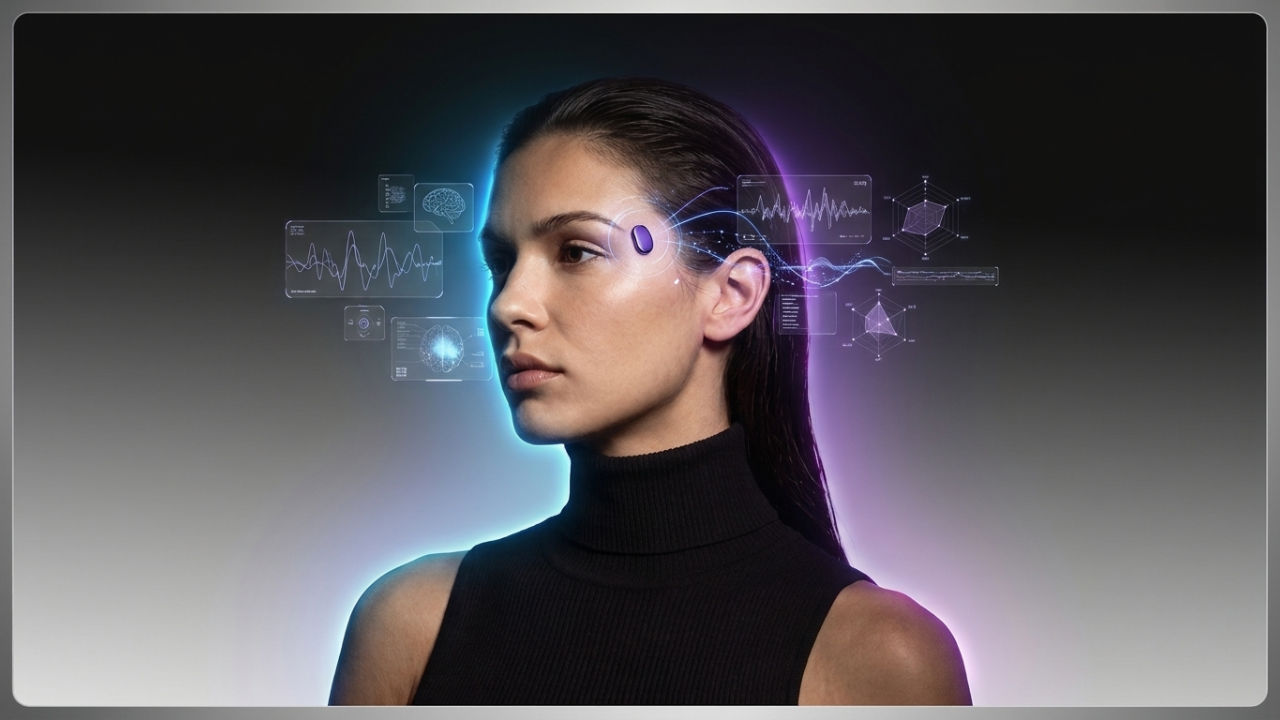
Zomato के फाउंडर दीपिंदर गोयल का नया AI वियरेबल Temple अपनी 85,000 रुपये की कीमत और तकनीक को लेकर कुछ समय से चर्चा में है। इस डिवाइस को लेकर सोशल मीडिया पर लगातार सवाल उठ रहे हैं। कोई इसकी कीमत ज्यादा बता रहा है, तो कोई जानना चाहता है कि आखिर यह दिमाग और शरीर से जुड़ी जानकारी कितनी सटीक दे सकता है। अब गोयल ने इन सवालों का विस्तार से जवाब दिया है। उन्होंने साफ कर दिया है कि Temple को खासतौर पर भारतीय बाजार के लिए नहीं बनाया गया है। इतना ही नहीं, कंपनी को भारत से इसकी कुल सेल का एक प्रतिशत हिस्सा आने की भी उम्मीद नहीं है।
भारत के लिए नहीं बनाया गया Temple AI डिवाइस
दीपिंदर गोयल ने 8 नवंबर को X पर एक लंबी पोस्ट शेयर की है। इसमें उन्होंने Temple की कीमत से लेकर इसके वैज्ञानिक आधार और भविष्य की योजनाओं तक कई बातों पर स्थिति साफ की हैं। उनके अनुसार, Temple को ग्लोबल मार्केट के लिए तैयार किया गया है। कंपनी का अनुमान है कि इसकी कुल सेल में भारत की हिस्सेदारी एक प्रतिशत से ज्यादा नहीं होगी।
Hello everyone. Happy Diwali! Thank you for your criticism, your support and your time over the last two days. Gives me much needed clarity on what we need to explain better: 1. Temple is not made for India. It’s made for the world. Please check pricing. We don’t expect any more than 1% of Temples being sold in India. 2. If you are upset that the pricing is too high, I am sorry. There’s a lot of work that went into Temple, and we priced it at what we think it’s worth. If you think its overpriced, you can wait for user reviews to decide if its worth your money. 3. Please do not support us because we are an Indian startup. We want to compete globally. We don’t need/want nationalist support. Support us if you want to support early innovation, which could help you live a better life, and will continue to add more proof to its science over the years. 4. There are different audiences which buy products at various levels of proof. Proof goes from whitepaper -> pre-print -> peer reviewed. You are free to sit on the fence until peer reviewed proof arrives. You are free to not believe it even then. Nobody is forcing you to buy. Making announcements is our right; and if we overclaim anywhere, we will inevitably fall into regulatory trouble everywhere in the world. 5. We didn’t make any medical claim. Doctors primarily see things from a medical lens, so they see every claim as a medical claim. I repeat – Temple is strictly a fitness + AI device, and we've made no medical claims. Temple is not proven to diagnose or prevent any disease. It doesn't do anything which replaces the need for you to see a doctor. 6. The main point of Temple is NOT Brain Flow. That’s what we just started Temple for, and studies on Brain Flow are the first ones getting out. 7. The main point of Temple is Entropy (I shared the HomeScreen of Temple three months ago with Entropy as the main thing). Our emails to our waitlisted users only talk about Entropy. We haven’t published anything on Entropy yet. We will. If you want to buy Temple before that, please do. If you don’t want to, don’t. 8. Roomdeaf AI is an expansion of the device’s capabilities, and our vision for Temple. It is not a pivot. 9. Social media is not the regulator for Temple. Wherever we need regulatory clearances, we will have them before we make any claim needing them. 10. I will post a detailed note on how we calculate Brain Flow, its uses, and most importantly, its limitations in a bit (tomorrow).
— Deepinder Goyal (@deepigoyal) November 8, 2026
गोयल ने यह भी कहा कि Temple को सिर्फ इसलिए सपोर्ट नहीं मिलना चाहिए क्योंकि इसे एक भारतीय स्टार्टअप ने बनाया है। कंपनी दुनिया के दूसरे टेक ब्रांड्स के साथ प्रतिस्पर्धा करना चाहती है।
85,000 रुपये की कीमत पर क्या बोले गोयल?
Temple की कीमत सामने आने के बाद से ही इसे लेकर सवाल उठ रहे हैं। खासकर तब, जब बाजार में कई प्रीमियम स्मार्टवॉच और फिटनेस वियरेबल इससे कम कीमत पर उपलब्ध हैं। इस पर गोयल का कहना है कि Temple को तैयार करने में काफी मेहनत और रिसर्च की गई है। कंपनी ने इसकी कीमत अपने आकलन के आधार पर तय की है। उन्होंने यह भी सुझाव दिया कि जिन ग्राहकों को डिवाइस महंगा लग रहा है, वे इसे खरीदने से पहले यूजर्स के रिव्यू आने का इंतजार कर सकते हैं।
हालांकि, इससे एक सवाल बना रहता है कि Temple आखिर आम फिटनेस वियरेबल के मुकाबले कितना अलग अनुभव देगा। इसका बेहतर जवाब टेस्टिंग के बाद ही मिल सकेगा।
Temple AI क्या करता है और इसमें क्या है खास?
Temple एक ऐसा वियरेबल है, जिसे सिर के किनारे यानी कनपटी के पास पहना जाता है। इसे शरीर से जुड़े कुछ संकेतों की निगरानी और AI आधारित जानकारी उपलब्ध कराने के उद्देश्य से तैयार किया गया है।
इसके चर्चित फीचर्स में Brain Flow और Entropy शामिल हैं।
Brain Flow को दिमाग में ब्लड प्रेशर से जुड़े संकेतों की जानकारी देने वाले फीचर के तौर पर पेश किया गया है। वहीं, Entropy का उद्देश्य शरीर पर पड़ने वाले अलग-अलग तरह के दबाव और शारीरिक गतिविधियों से जुड़ी जानकारी देना है। गोयल ने स्पष्ट किया कि Temple का मुख्य उद्देश्य Brain Flow नहीं, बल्कि Entropy है। हालांकि, कंपनी ने अभी Entropy की तकनीक और इसकी सटीकता से जुड़ी विस्तृत रिसर्च सार्वजनिक नहीं की है।
क्या Temple बीमारियों का पता लगा सकता है?
Temple के वैज्ञानिक आधार पर कुछ चिकित्सा विशेषज्ञों ने सवाल उठाए हैं। इस पर गोयल ने कहा कि Temple पूरी तरह फिटनेस और AI डिवाइस है। कंपनी ने इसे किसी बीमारी की पहचान या रोकथाम करने वाला मेडिकल उपकरण नहीं बताया है। उन्होंने स्वीकार किया कि Temple के जरिए किसी बीमारी का पता लगाने या उसे रोकने की क्षमता वैज्ञानिक रूप से साबित नहीं हुई है। यह डॉक्टर की सलाह या मेडिकल जांच का ऑप्शन भी नहीं है।

Ashwani Kumar has been the heart of Digit Hindi for nearly nine years, now serving as Senior Editor and leading the Vernac team with passion. He’s known for making complex tech simple and relatable, helping millions discover gadgets, reviews, and news in their own language. Ashwani’s approachable writing and commitment have turned Digit Hindi into a trusted tech haven for regional readers across India, bridging the gap between technology and everyday life.
View full profile