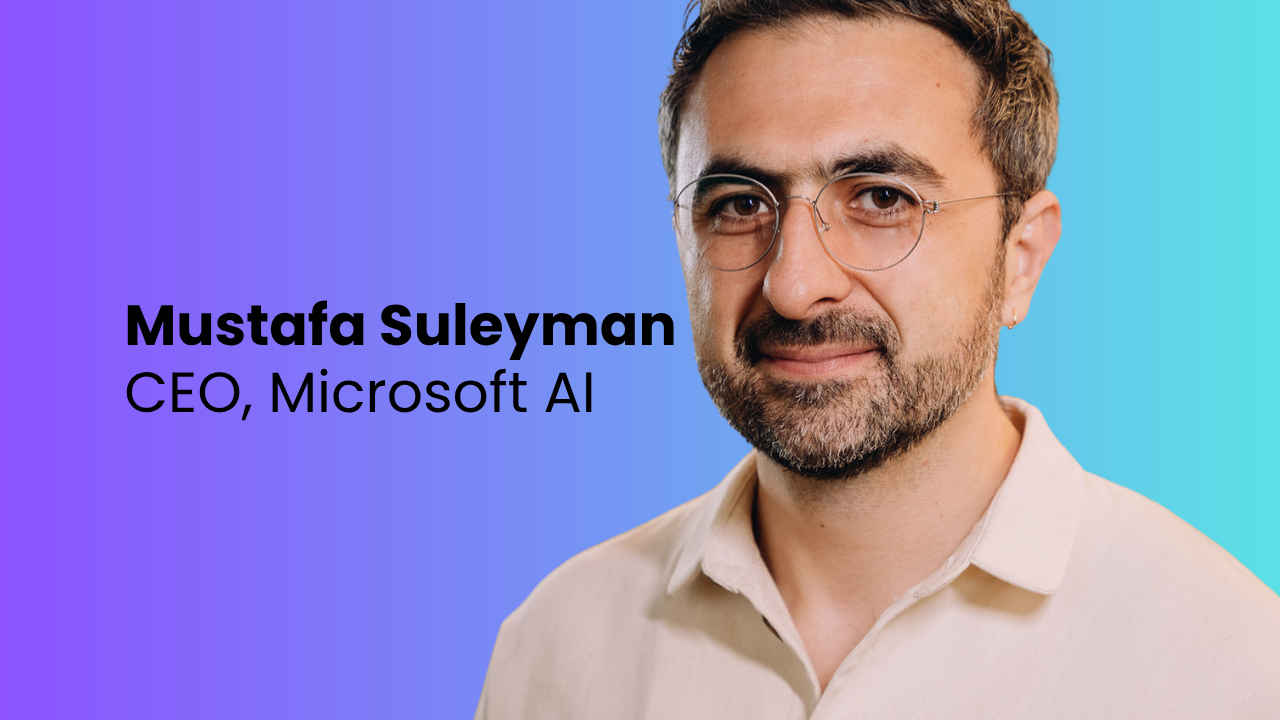
Microsoft’s AI chief, Mustafa Suleyman didn’t mince his words. “That’s just not a service we’re going to provide,” Suleyman said at a conference recently when asked whether Copilot will venture into “simulated erotica.” Other companies can build that, he added, according to reports.
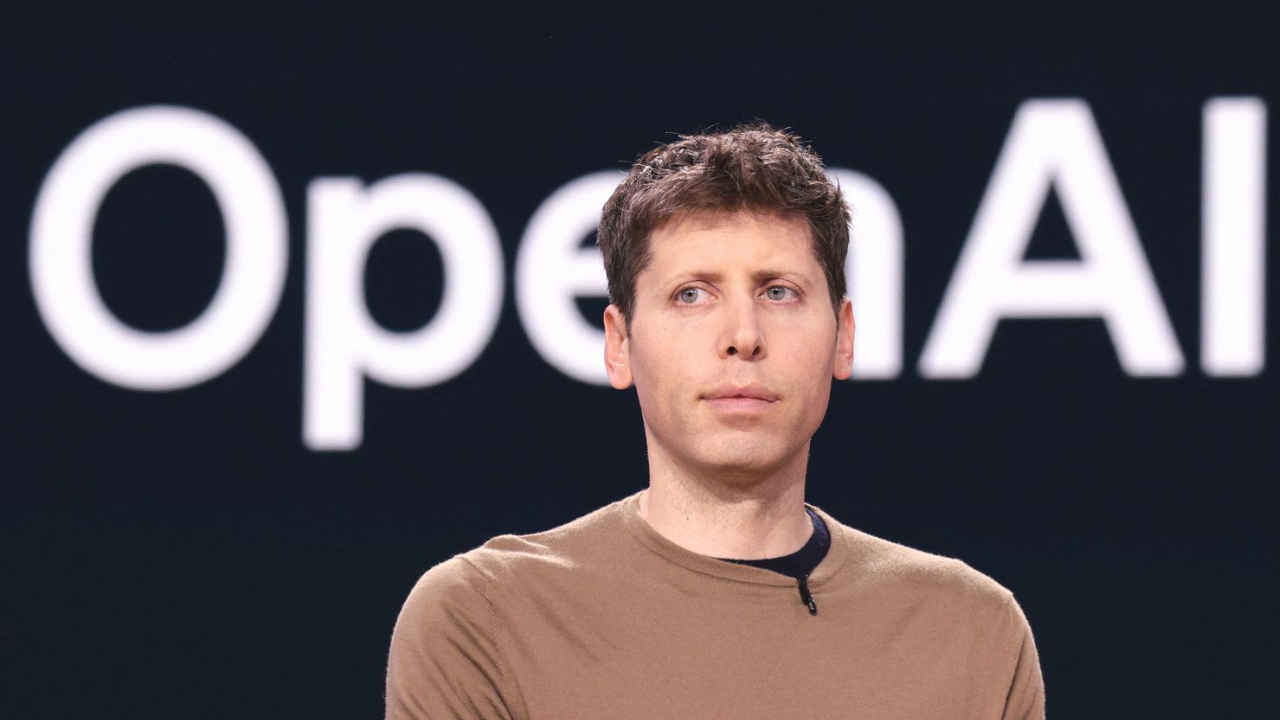
And just like that, in one decisive statement, he drew a bright moral boundary around Microsoft’s consumer AI ambitions. Of course, the Microsoft AI chief’s moral stand directly contradicts that of Sam Altman’s when he recently said that OpenAI will allow verified adults to access erotica in ChatGPT under an “adult mode.”
The split isn’t only about bedroom content, but ultimately with respect to company positioning. Microsoft is rolling out Mico – a cheery, colour-shifting Copilot avatar that talks on calls and winks at Clippy nostalgia – while pointedly declining to turn it into any shade of a virtual lover of any sort. Microsoft couldn’t be more clear about their positioning, where it sees AI as a productivity companion, not a virtual romantic substitute. Mico will also have an off button, according to Microsoft.
Mico’s debut the same day Suleyman drew his line in sand wasn’t an accident, I think. It reassures the mainstream that Microsoft can make AI personable without getting personal. It’s approachable AI, not affectionate AI.
In fact, Suleyman’s latest stance on AI’s current utility in the world is part of a larger argument he’s been making for some time, which is not to build “seemingly conscious” AIs that invite people to anthropomorphize or emotionally depend on them. In August, he warned that presenting software as sentient risks real-world harm. Erotic AI companions, he suggested this week, are exactly where that slope gets slippery. Whether you agree or not, as far as I’m concerned, Microsoft’s posture isn’t prudish so much as it demonstrates strategic restraint.
Also read: Sam Altman defends adult version of ChatGPT for X-rated chats: Here’s why
OpenAI, by contrast, is leaning into adult autonomy. Sam Altman’s pitch is to treat adults like adults, gates and guardrails included. There’s market demand for romantic and sexual AI, and OpenAI wants to meet it with verification and policy. The move also happens as rivals test the edges, where Elon Musk’s xAI launched anime-styled companions with NSFW modes (and plenty of blowback). In that context, OpenAI looks less like an outlier and more like an incumbent deciding it would rather shape the category than cede it entirely to upstarts.
Of course, another way to look at Microsoft AI chief’s comments versus that of Sam Altman’s from OpenAI is that this is the latest in a growing number of differences that has started to emerge between Microsoft and OpenAI. Is the crack in their relationship widening more than we think?
Make no mistakes, Microsoft is still OpenAI’s most consequential backer and distribution channel. But 2025 can best be described as their relationship entering the “it’s complicated” zone. OpenAI added Google Cloud to its roster, inked a colossal Oracle pact tied to “Stargate,” and deepened ties with CoreWeave. Each of those deals dilutes the once-monogamous aura around OpenAI’s compute story with Microsoft. Meanwhile, Microsoft is shipping its own first-party AI experiences (like MAI-Image-1 and Mu, among others) faster and louder. So the latest vibe between the two is very clearly less “parent and prodigy” and more “strategic frenemies.”
Also read: Grok Imagine’s spicy mode under scrutiny for creating explicit AI videos of celebrities
Which brings us back to erotica. It may read like sideshow policy on the surface, but it’s a clarifying wedge. In consumer AI, product philosophy has a huge impact on the product surface and invariably all the endpoints at the edge. Microsoft very clearly wants AI that can speak, gesture, and sit in meetings – without confusing users about what (or who) it is. Contrary to this approach, OpenAI is testing whether “adult-only intimacy” can be responsibly operationalized. To me, they don’t appear to be minor differences – they will echo down the line through model tuning, safety budgets, and, yes, revenue.
Will this crack the partnership? Unlikely in the short term. The two still need each other for mutual benefit, as Microsoft gets cutting-edge models and AI halo, while OpenAI gets distribution and enterprise credibility. But expect more visible seams is all I can say. As OpenAI courts infrastructure suitors beyond Azure, Microsoft will keep backfilling with Copilot-native capabilities built to its ethics brief. On that note, they don’t seem to be rowing in opposite directions just yet, they’re just steering toward different shores on the AI coastline.