The IndiaAI Impact Summit 2026 has served as the official bridge between two eras of Indian chip-making. ISM 1.0 has reached a critical milestone with the announcement that the first of 10 approved projects will begin commercial production by the end of February 2026. This first wave, led by Micron’s memory facility in Sanand, focuses on the fundamental components used in AI systems.
Building on this, the government unveiled ISM 2.0, which pivots toward high-value Design IP and R&D Centres. While the first phase was about building the factories (fabs), the second phase is about owning the “brains” of the devices. At least 50 deep-tech startups are expected to emerge under this new phase, focusing on complex tasks like high-density memory and chip equipment manufacturing.
Also read: India AI Impact Summit 2026: Union Railway Minister Ashwini Vaishnaw on sovereign AI models
A standout theme of the summit was the emergence of “Moonshot” startups that are directly challenging global monopolies. Agrani is leading the charge by developing India’s first indigenous GPUs, aiming to reduce the nation’s reliance on Western hardware for AI training. Meanwhile, C2I is tackling the energy crisis of the AI age by building specialized power-management chips that make data centers more efficient.
Also read: India AI Impact Summit 2026: BharatGen Param 2, SarvamAI, and the rise of Indian LLM models so far
Other players like Mind are focusing on the “Edge” – the microcontrollers that live in our smartphones and drones. By focusing on these vertical depths, from power management to edge intelligence, Indian companies are proving they can innovate across every layer of the hardware stack.
The shift to domestic making is also a move for national security. Currently, India imports the vast majority of its chips from a handful of countries like Taiwan and Singapore. By establishing sovereign AI models and the hardware to run them, India is insulating its critical infrastructure – from defense to healthcare – against global supply chain disruptions.
Investment is following this intent, with projections of over $200 billion in AI and semiconductor-related funding expected over the next two years. This capital is being funneled into five layers: infrastructure, models, applications, energy, and semiconductors, ensuring that India’s move to “making” is backed by the world’s largest digital-ready workforce and a massive clean-energy grid.
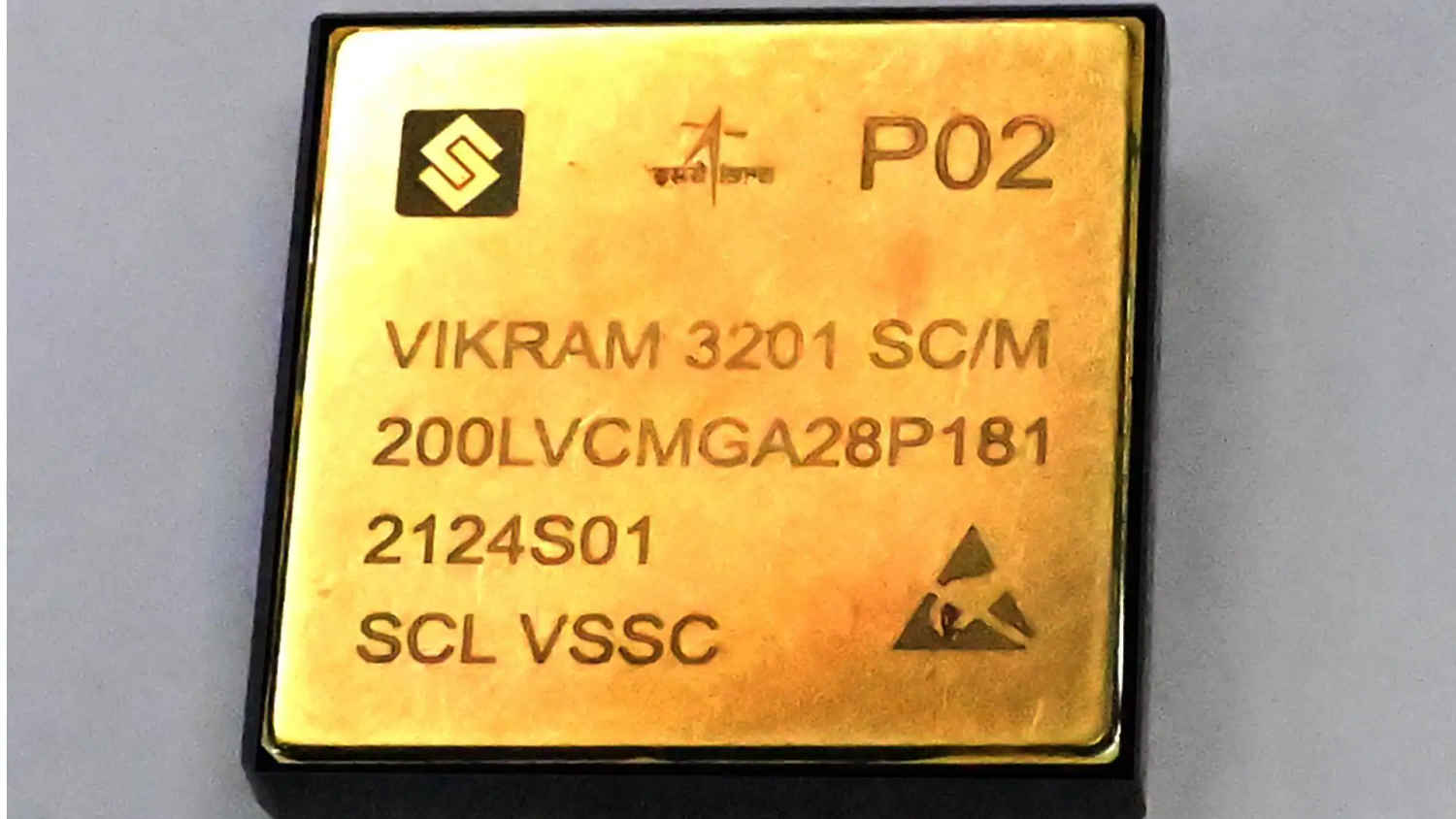
For the average reader, the importance of this shift lies in “inference costs.” Processing AI data in the cloud is expensive and poses privacy risks. By manufacturing chips like the Vikram 32-bit processor and the new Panther Lake-integrated AI PCs locally, India can bring AI directly to the device. This “on-device” processing lowers costs for education and healthcare apps, making advanced technology accessible to the masses without the need for high-speed internet or expensive subscriptions.
Also read: Claude Sonnet 4.6 explained: What is Anthropic’s new ‘context compaction’