The India AI Impact Summit 2026 at Bharat Mandapam has marked a transition from experimental AI pilots to a unified national framework. While the tech industry often obsesses over general-purpose models, this summit has pivoted the conversation toward “sovereign health intelligence.” The centerpieces of this shift are two landmark initiatives: the Strategy for Artificial Intelligence in Healthcare for India (SAHI) and the Benchmarking Open Data Platform for Health AI (BODH). Together, they represent a structured attempt to move AI from high-end urban hospitals to the bedrock of India’s public health infrastructure.
Also read: Future of work and AI jobs: What key Indian leaders predict and warn
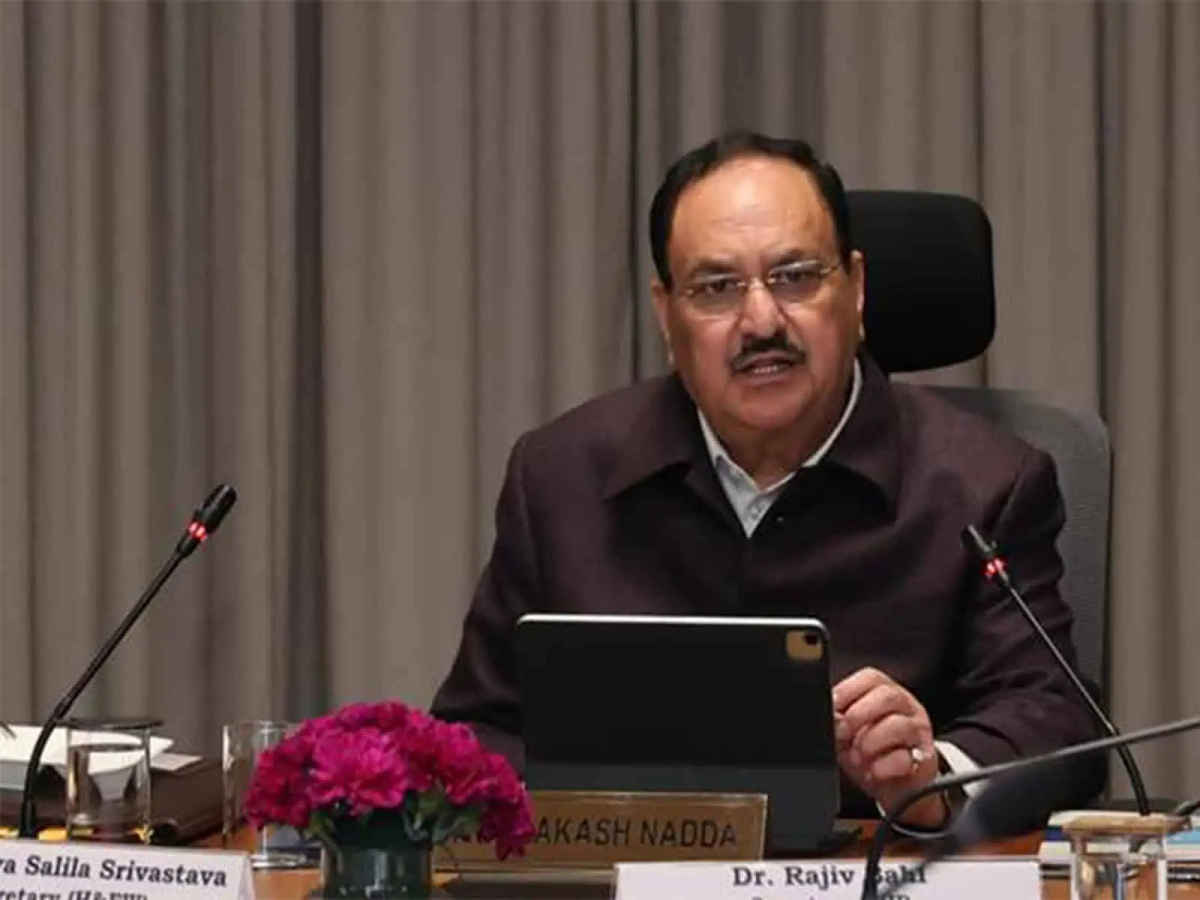
Launched by Union Health Minister J.P. Nadda, SAHI and BODH address the two biggest hurdles in medical AI: governance and data validation. SAHI acts as the national “rulebook,” providing a guidance framework for the safe and ethical adoption of AI. It moves beyond abstract ethics to provide concrete direction on data stewardship and evidence-based validation. It is designed to ensure that as states and private entities deploy AI, they do so within a standardized, inclusive, and accountable ecosystem.
Complementing this is BODH, a platform developed by IIT Kanpur in collaboration with the National Health Authority. BODH is essentially a high-trust “test lab” for medical algorithms. Using a privacy-preserving benchmarking mechanism, it allows developers to evaluate their AI models against diverse, real-world health data without ever accessing the underlying datasets. As a digital public good under the Ayushman Bharat Digital Mission (ABDM), BODH is the gatekeeper that ensures only high-quality, validated tools reach the public frontline.
The summit was not just about policy; it was a showcase of “boots-on-the-ground” technology already impacting rural health. One of the most discussed tools was MadhuNetrAI, an AI-driven screening system for diabetic retinopathy. By automating retinal analysis, it allows non-specialized healthcare workers to identify early signs of vision loss, a critical need given India’s massive diabetic population. Similarly, the Cough Against TB (CA-TB) tool highlighted the power of acoustic AI. By analyzing the sound of a cough via a standard smartphone, CA-TB provides a rapid, non-invasive screening method for tuberculosis in remote areas.
Also read: India AI Impact Summit: AI agents to empower 10 crore farmers with Rs 15,000 weather stations
Other notable innovations included AI-powered Clinical Decision Support Systems (CDSS) integrated into the e-Sanjeevani telemedicine platform. These systems assist doctors with structured, multilingual symptom capture and data-driven diagnostic suggestions. The Ministry also demonstrated a Voice-to-Text AI model that converts spoken clinical notes into digital prescriptions, seamlessly integrating with existing Hospital Management Information Systems (HMIS) to reduce the administrative burden on physicians.
The success of these tools rests on the massive scale of India’s Digital Public Infrastructure (DPI). With over 859 million ABHA accounts linked to 878 million health records, the ABDM provides the data backbone necessary for AI to scale. This infrastructure is supported by new Centres of Excellence (CoE) at AIIMS Delhi, PGIMER Chandigarh, and AIIMS Rishikesh, which are tasked with indigenous research and model development.
The message from the summit is clear: India is not looking to replace doctors with algorithms. Instead, the focus is on “augmentation” – using tools like SAHI and BODH to ensure that AI strengthens the physician-patient relationship. By standardizing how models are tested and deployed, India is positioning itself as a global leader in responsible, population-scale healthcare AI.