Love it or hate it, but Microsoft’s Windows has been a household name for the past few decades. As of 2025, it runs on over a billion devices globally, and there’s certainly nothing stopping it from growing even more. But how on earth did Microsoft even manage to do all this?
Well, Microsoft’s answer has always been speed. In his 1999 book, The Speed of Thought, Bill Gates said, “Success today requires the agility and drive to constantly rethink, reinvigorate, react, and reinvent.” Clearly, this philosophy has been the driving force behind Microsoft’s global success.
While competitors like Apple have always been keen to lock in perfection, Microsoft, on the other hand, has always won by setting the standard as fast as possible. The truth is, in the ever-evolving digital age, unfortunately, slow and steady may not always win the race.
Microsoft began in the early MS-DOS days and dominated the market starting in the 1990s, a trend that continues to this date. In today’s Digit Game Changers, let’s take a look at Bill Gates’ best tech idea: Why the “good enough” but fast shipped software beats the perfect products.
Also Read: Steve Jobs’ boldest move: Why Apple killed the keyboard and changed smartphones
The reason behind Microsoft’s dominance in the market has always been that a “Good Enough” product will always beat the great but late ones. Gates recognised early on that in this evolving industry, if you always wait for a product to be 100% perfect, any competitor, even one with a product that achieves only 70% of the goal, will have already captured the market.
Microsoft, from its early days, started following this theory, and instead of polishing every possible thing, it focused on speed and shipping the software as early as possible. They used all the feedback they could get after and integrated it into future iterations. This can be seen from the 1990s, when they launched 5 operating systems within a single decade.
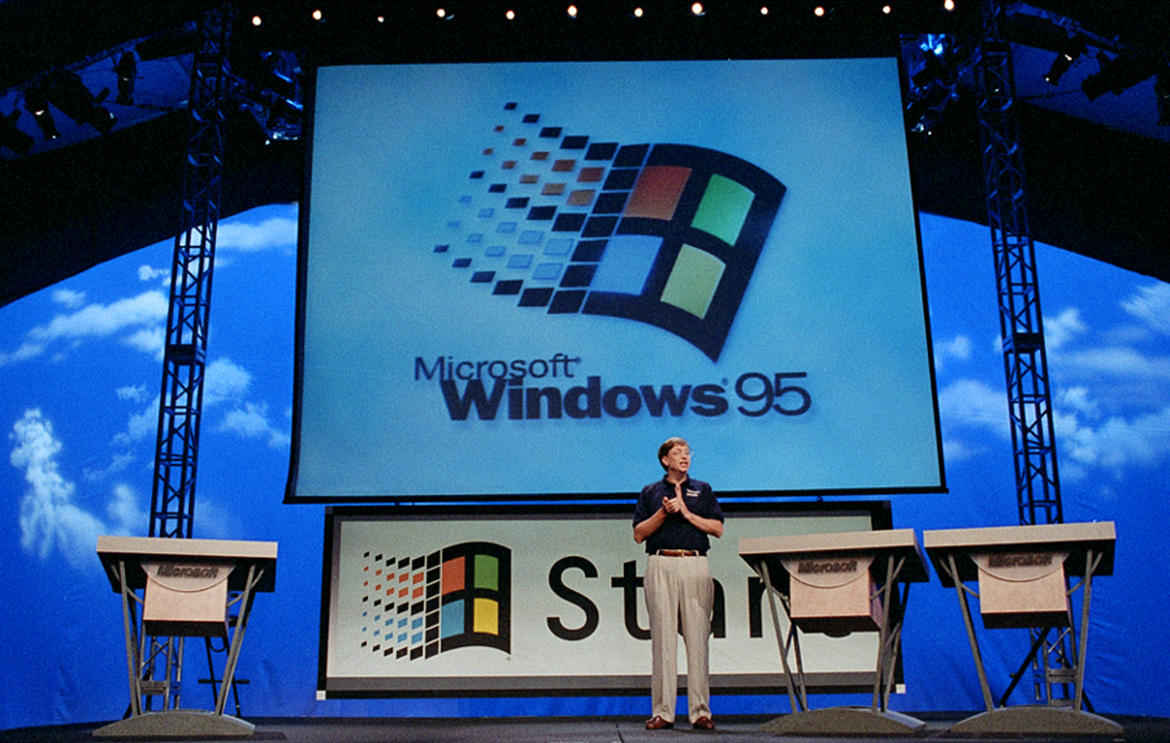
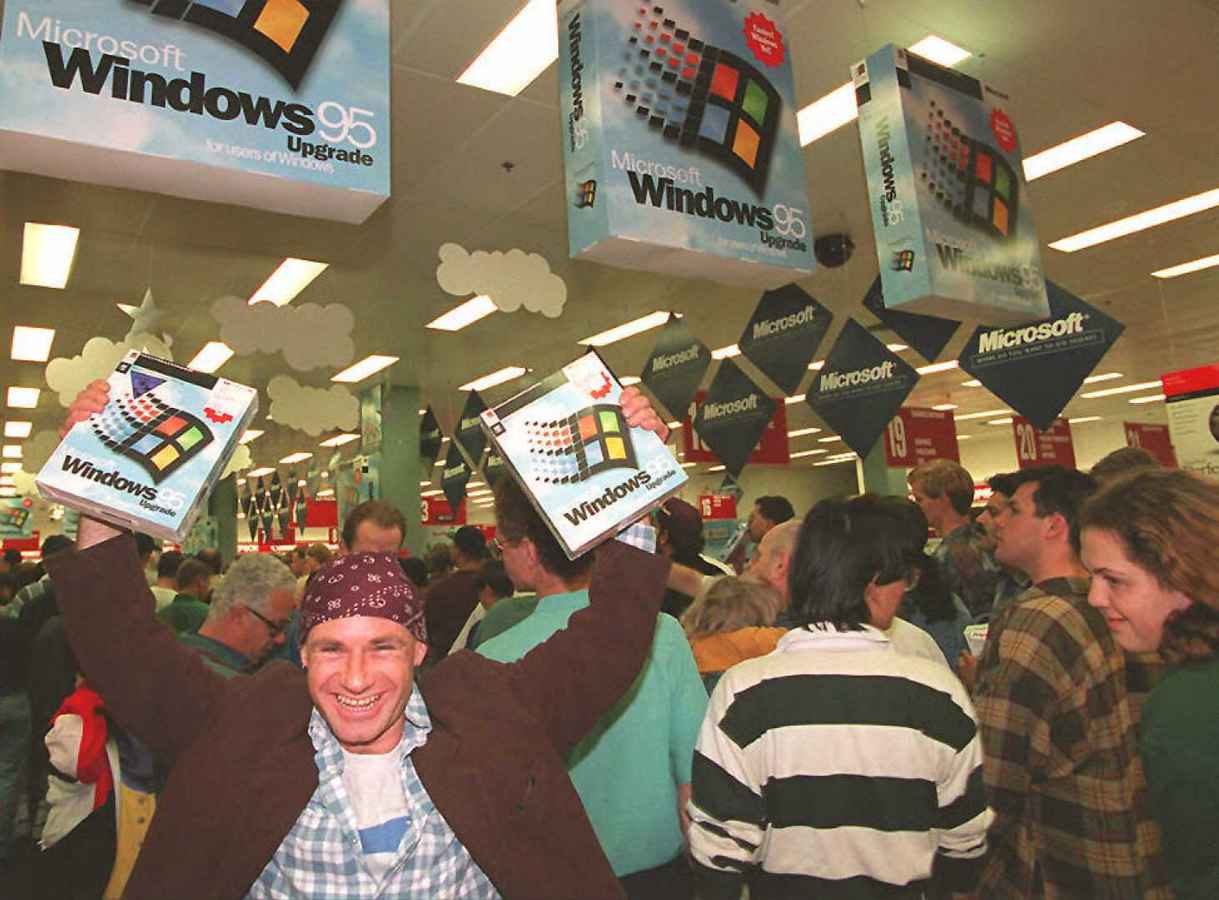
Starting from Windows 3.0 in 1990, they were on a roll for the next few years. They were so focused on shipping the products fast that they released the iconic Windows 95 just a few years later! Learning from customer feedback, they quickly started working and integrated the same with Windows 98. During this time, they also saw failures like Windows ME, which was heavily criticised, but it certainly helped them in learning what’s best for the next iterations.
From the 1990s to the early 2000s, Microsoft’s Windows was in its golden period! Shipping software so fast allowed them to capture the market early, and users were getting the hang of Windows, too. Essentially giving Microsoft the first-mover advantage! In the late 90s, it was noted that Windows had a whopping market share of over 90% in desktop operating systems.
Most of the PCs at the time were either running Windows 95 or Windows 98, and that was mostly because there was simply nothing else in the market. Shipping software fast gave Microsoft so much favour that they were literally competing with themselves! Competitor brands like Apple were so late to the game that Windows had already started dominating the market.
Another big reason behind Microsoft’s success has largely been due to its licensing model. While competitors like Apple were busy making their software tied to their own hardware, Microsoft, on the other hand, thought of a much bigger picture. They believed that if they wanted to get onto more desks, they couldn’t restrict themselves by locking down Windows.
Instead, they made a crucial decision by allowing potential competitors like HP, Dell and Compaq a license of Windows for every computer they sold. This was a simple trade for both parties; the hardware companies got the most popular operating system on the market, while Microsoft, the software company, would get a licensing fee for every computer sold.
By not selling the hardware directly, Microsoft played the bigger game. Hardware has always been a tough game to crack, and that’s all because of thin margins and other additional costs. Microsoft simply avoided all this by not competing at all. Staying out of this battle was a very beneficial decision for Microsoft, as they didn’t have to worry about the hardware at all.
At the same time, Windows was being shipped out to more people. All because, with so many hardware companies in the market, it meant the end users had a lot of options to choose from. Every PC, be it a home computer or an office workstation, was now running Windows.
Not to forget, while being reached out to users around the globe, Microsoft were still earning a ton of money, all thanks to the standard license fee that was charged to hardware companies for the Windows license. Overall, this really was in favour of Microsoft, but they didn’t stop there!
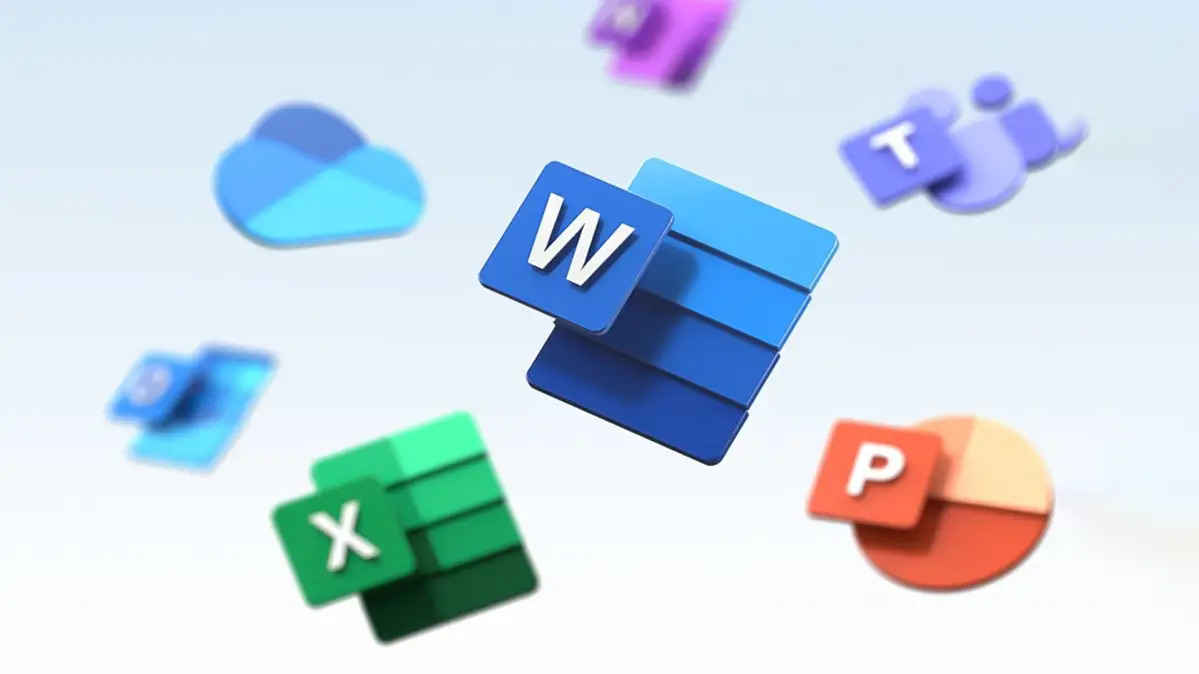
Along with Windows, offices around the globe also use a particular set of programs for managing all sorts of things. If you haven’t guessed it already, I’m talking about Microsoft Office. Be it writing data, creating spreadsheets, or even presentations, the Microsoft Office programs are widely known by everyone, and they are the standard tools for a lot of offices!
Microsoft played a very smart game in the early ’90s by creating the Office suite. While Office programs like Word, Excel and Spreadsheets were already made by Microsoft since the start. However, they changed the game later on by bundling all the programs into a single Office suite, which was included with Windows 3.0 in 1990.
Buying computers was hard in the early 90s, and a large part of the problem was that they were simply too expensive! Since computer parts were still new, as a result they cost a lot even for entry-level machines. Users had to spend upwards of $1500 to $1800 just to get a basic setup.
So naturally, everyone at the time, after making such a heavy investment in hardware, did not want to spend on software. So by including Office software with Windows, Microsoft allowed users to get the hang of these programs. Once they got used to the programs, most users couldn’t switch, given the ease of use, and hence they became the standard moving forward.
The same pretty much goes for school computing as well. Reports from the late 1990s show that Windows was the top choice among most schools, and that’s all due to Microsoft’s first-mover advantage. It has become a cycle, where young students are taught Windows in schools, and once they grow up, they end up using the same operating system for work!
It has been over two decades since Bill Gates stepped down as the CEO of Microsoft; however, his philosophy of speed continues within the organisation even today. Most recently, it can be noticed with their investments made into AI.
In the ever-evolving tech space, the latest trends over the past few years have been AI. Well, most people might be unaware of this, but Microsoft was yet again very fast to discover this space. While companies like Google and Meta were focused on their own internal research, Microsoft, back in 2019, took a massive bet and invested over $1 billion in OpenAI.
This again worked very much in their favour. While we may not give Microsoft enough credit for its work in AI, the main reason why ChatGPT exists today is because of it. ChatGPT runs on specialised AI supercomputers, which have been built onto Microsoft Azure; not only that, but they are even hosted on Microsoft’s Azure cloud platform.
Microsoft are still going very hard towards AI, and it can be seen with the release of Copilot. Just like most Microsoft products, Copilot isn’t perfect, as it still makes mistakes; however, Microsoft did it for a reason. By integrating it directly onto Windows 11, it runs on over a billion devices. They made sure to ship it as fast as possible, so that their product can be the “default” that everyone else has to compete with.
Ultimately, Microsoft’s entire journey proves that in the ever-evolving tech world, the word “perfect” is the enemy of “present.” Their main focus has always been choosing to be functional and first rather than flawless and late.
Thanks to this idea, Bill Gates didn’t just build a software company; he built the world’s digital infrastructure. Today, as Microsoft integrates AI into every corner of the Windows ecosystem, the strategy remains the same: ship it fast, learn from the mistakes, and fix them.
Also Read: CES 2026: AMD Ryzen AI 400 chip revealed, 5 key features explained