India’s major cities are grappling with some of the worst air quality in the world. Thirteen of the world’s top 20 most polluted cities are in India, according to a recent global report. The capital, Delhi, remains the most polluted capital city globally with an annual average PM2.5 concentration of around 92 µg/m³ – over 18 times the World Health Organization’s recommended safe limit. Other metropolitan areas like Mumbai, Kolkata, and Bengaluru also suffer regular spikes in particulate pollution, especially during winter months and post-Diwali, when air quality indices (AQI) often linger in “very poor” or “severe” categories. For instance, Delhi’s AQI hit an emergency “severe-plus” level of 484 in late 2024 – its worst of the season – prompting authorities to invoke emergency measures.
The health implications are alarming. Air pollution is now a leading public health threat in India, cutting the average Indian’s life expectancy by an estimated 5.2 years. Long-term exposure to high PM2.5 levels has been linked to about 1.5 million deaths in India each year (2009–2019), according to a Lancet Planetary Health study. Doctors report surges in respiratory illnesses whenever smog blankets cities, and studies warn of increased risk of asthma, heart disease, and even cognitive impacts in children. “Air pollution remains a serious health risk in India,” one analysis noted, underscoring that over one-third of monitored Indian cities routinely exceed 10 times the WHO’s PM2.5 limit. Faced with this chronic crisis, citizens and officials alike are seeking ways to breathe safer air – and increasingly, the focus has turned indoors.
Also read: ASUS ExpertBook P1 First Impressions: A No-Nonsense Business Workhorse with Surprising Power
As outdoor air quality deteriorates, consumers and businesses are rushing to find refuge indoors, driving a boom in demand for indoor air quality (IAQ) solutions. In Delhi and across the Indo-Gangetic plains, heavy smog episodes now reliably trigger spikes in air purifier sales. During a severe pollution spell in November 2024, Delhi shops saw air purifier purchases double almost overnight; some dealers reported a 70% jump in sales as AQI levels hit hazardous peaks. “Earlier, we used to sell around 20 purifiers a day. Now the numbers have doubled to 40 per day. Air purifiers have become essential for households,” said one New Delhi retailer during last year’s smog emergency. Even pharmacies noted a run on anti-pollution masks, inhalers and nebulizers – grim evidence of how bad air is driving health gadget demand.
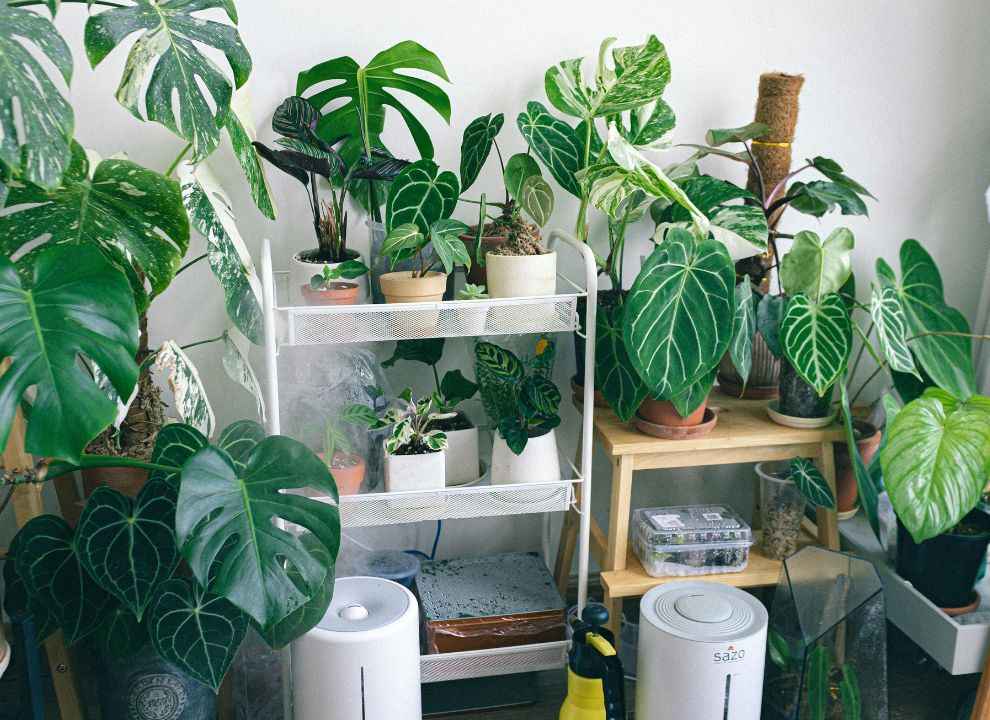
This surge is not confined to Delhi. In late 2023, as pollution levels climbed in Mumbai and other cities, online platforms saw an explosion of interest in IAQ products. Swiggy Instamart, a quick-commerce delivery service, recorded a staggering 3,233% increase in searches for air purifiers in early November 2023 compared to the previous month. “With the changing season, recurring concerns about pollution persist affecting both our outdoor and indoor environments,” noted Ginger Lee, a senior engineer at Dyson. “We can do little to control the quality of the air we breathe outside. But there are ways we can protect our health. One such way is to invest in an air purifier,” Lee told IANS news service. Indeed, households are increasingly treating devices like HEPA-based air purifiers, indoor plants, and exhaust fans as standard appliances during pollution season.
It’s not just individual consumers – businesses and institutions are also prioritising clean indoor air. Offices, co-working spaces and schools in smog-hit regions have begun installing advanced HVAC filters and air cleaning systems to ensure safer breathing environments for occupants. Industry reports show that demand for air filtration is spreading beyond the metros; even Tier-2 cities are seeing growth as awareness rises. According to one market report, India’s air purifier shipments jumped 64% in Q3 2023 year-on-year, with especially high uptake in northern cities like Delhi-NCR. While residences led the purchases, offices and healthcare facilities also contributed to the growth as they sought to protect indoor air. This trend reflects a broader understanding: clean air is now seen as a necessity, not a luxury, and an increasing number of Indians are willing to invest in technology to achieve it.
Also read: Slim, Smart, and Seriously Capable – Meet the Yoga Slim 7i Aura Edition
The growing demand for indoor air quality solutions has spurred a wave of innovation and competition among companies. A range of IAQ technologies – from high-end air purifiers to smart ventilation systems – are flooding the market. Traditional appliance giants and startups alike are vying to provide cleaner air through technology. For example, established brands like Philips, Xiaomi, Dyson, Honeywell, and Coway are prominent in India’s air purifier market.
In fact, Philips held a commanding 53% share of purifier shipments in late 2023 – thanks to popular HEPA models – followed by Xiaomi at 15%. Premium entrants like Dyson have introduced devices with advanced sensors and activated carbon filters targeting urban consumers, while Xiaomi and others offer affordable smart purifiers that can be controlled via smartphone apps. Industry analysts expect purifier demand to keep growing 30–40% each quarter around the Diwali and winter season, and new models now routinely come with features like real-time AQI displays, Wi-Fi connectivity, and app-based alerts when pollution levels indoors spike.
Beyond standalone purifiers, integrated smart home solutions are emerging as a holistic approach to indoor air quality. A notable example is Panasonic’s new Smart Home Experience Centre in New Delhi, which showcases how multiple IAQ and home technologies can work in tandem. Centered on Panasonic’s IoT platform Miraie, the centre integrates indoor air quality systems with other smart home functions.
Panasonic’s demo home uses connected HVAC units equipped with nanoe X air purification (a proprietary ionizer technology) and energy recovery ventilators (ERVs) that bring in filtered fresh air while conserving energy. All these systems are tied together through the Miraie platform, allowing residents to monitor and control air quality from a smartphone – for instance, automatically ramping up ventilation when indoor CO₂ or PM2.5 levels rise. “The smart homes of the future will be connected and green,” said Manish Misra, the company’s Chief Innovation Officer, explaining that Panasonic is focusing on wellness and comfort through such innovations powered by IoT. Miraie, launched in 2020, has already seen over a million downloads and was recently made compatible with the new Matter smart home standard, enabling cross-brand device integration for IAQ and other uses.
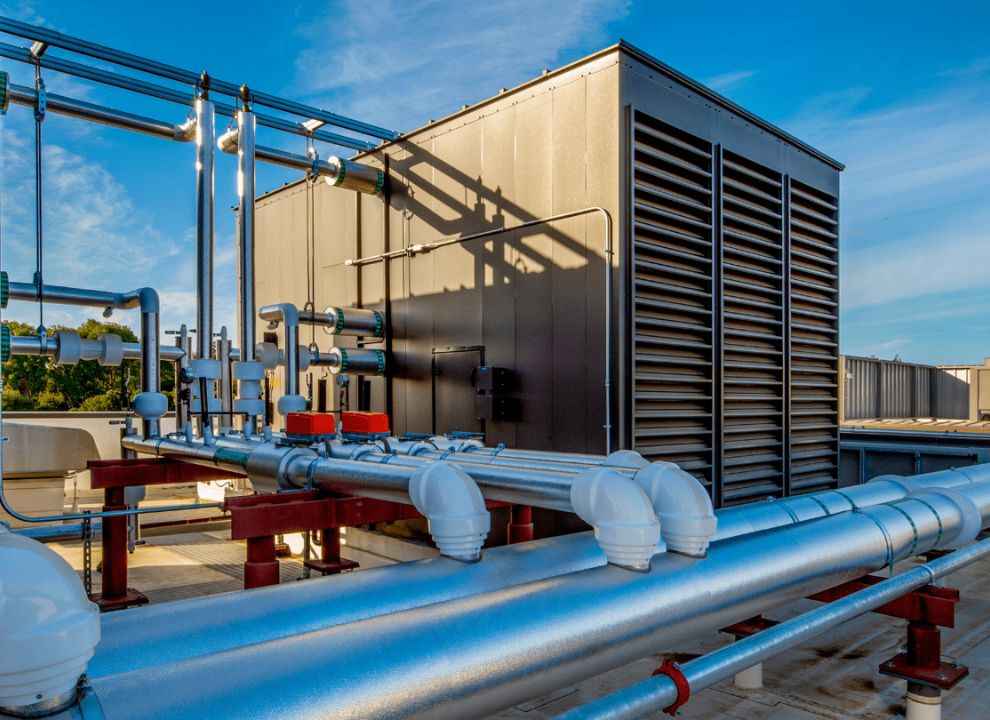
Other competitors are not far behind in marrying air quality tech with smart home trends. HVAC manufacturers are introducing intelligent ventilation systems for commercial buildings that adjust airflow based on air quality sensors. Companies like Honeywell offer enterprise IAQ monitoring solutions that link air cleaners, thermostats, and building management systems. Several Indian startups, too, are innovating – from low-cost indoor pollution monitors to hybrid purifiers that combine air cooling with filtration for hot climates. Energy recovery ventilators (ERVs) and HEPA-filtered air conditioning are becoming selling points in high-end real estate, as developers market “clean air indoors” to health-conscious buyers. Even the automobile and public transport sectors have added high-grade cabin air filters in response to urban pollution concerns.
Looking ahead, experts see the rise of in-house air quality solutions as a double-edged development. On one hand, it’s fostering a new market for tech-enabled wellness – aligning with India’s urbanization and the growing adoption of smart home gadgets. On the other hand, it underscores the failure of outdoor air quality management, effectively forcing citizens to seek personal safeguards. Public health advocates warn that indoor gadgets are only a stopgap. “We have the data; now we need action… A mix of incentives and penalties is necessary” to curb pollution at the source, urged former WHO scientist Soumya Swaminathan, emphasizing that systemic solutions like cleaner fuels and stricter emissions enforcement must parallel these individual measures.
Nevertheless, the trend is clear: as India’s cities struggle with toxic air, a growing segment of consumers, businesses, and policymakers is turning inward – literally – to technology that can make breathing safer inside homes and workplaces. From smart air purifiers and HVAC filters to ERVs and real-time sensors, indoor air quality solutions are rising as a critical line of defense. In a country where stepping outside often means inhaling smog, the ability to create a clean-air haven indoors is not just about comfort and convenience, but about survival and well-being. Policymakers, too, are taking note – considering guidelines for indoor air standards and encouraging “healthy building” designs – even as they work to reverse the environmental decay that made these stopgap solutions necessary in the first place.
Overall, India’s fight for breathable air is now as much about innovating inside as it is about cleaning the skies outside. The hope is that with sustained public awareness, market innovation, and policy action in tandem, citizens won’t have to choose between urban growth and the basic right to clean air. Each HEPA filter and IoT-enabled fan installed is a small victory for public health – but also a reminder of the urgent need to restore blue skies, so that fresh air isn’t only found sealed behind four walls.
Also read: Microsoft needs to listen to HP to improve handheld gaming