For a long time, the Indian smartphone market ran on momentum. New launches arrived every few months, upgrades felt justified even when changes were small and recommending a phone rarely required more than a quick look at the spec sheet. You could point someone to a phone with confidence and move on. The question is no longer what’s new, but what will still hold up a few years from now.
For most of the last decade, the Redmi Note was the default recommendation. It sat in the middle of the Indian smartphone market and offered more hardware than people expected for the money. You bought it because it made sense. Most reviewers, including yours truly recommended it because there was little downside. But markets change, and so do habits.
Phones became good enough that people no longer upgrade every year. Prices climbed. Memory costs rose. And the mid-premium segment, once driven by aggressive specs, is now shaped by longevity and reliability. The Note remained popular, but its purpose grew less obvious. So, when it came to the Redmi Note 15 Pro series this year, Xiaomi, by its own admission, revisited some long-held assumptions.
According to Sandeep Sarma, Assistant Director, Marketing and PR at Xiaomi India, the shift began with an uncomfortable realisation inside Xiaomi. “We were looking at the Note portfolio from a Pro Plus to vanilla Note perspective,” he says. “We said we’ll give the Pro Plus everything, and then see where we water things down to arrive at a cost price. And I think that was probably the wrong approach.”
Instead of starting at the top and scaling downward, Xiaomi flipped the logic. It asked what a good Note should be now, in a market where people were no longer switching phones every year.
“In 2017, the average upgrade cycle was nine months to a year,” Sarma says. “Now people are holding on to their devices for two and a half, three and a half years. For the Note series, we’re seeing five, five and a half years.”
Xiaomi’s own data shows many Note 15 buyers upgrading from Note 8, 9, or 10 models, and not last year’s phone. That changes everything. If a phone is expected to live longer, short-term spec wins matter less than durability, service, and software support that holds up after novelty fades.
Xiaomi built its reputation on value, but Sarma is clear that value no longer means what it did five years ago. Back then, a higher megapixel count or a faster processor was often enough to justify an upgrade. Today, those markers feel abstract.
“People are going beyond specs,” he says. “The markers turn out to be software support, after-sales support, durability, and longevity.”
And this is why Xiaomi decided to extend the software support on the Note 15 Pro series to four years of Android updates and six years of security patches.
“We can keep rolling out software updates,” Sarma says. “But if your hardware does not support it, the chipset that you’re using, then it doesn’t matter. So it should not be that the update rolls out four years later but the device itself isn’t working. So we’re figuring out how to make sure, from a hardware and software perspective, this is still a longevity product.”
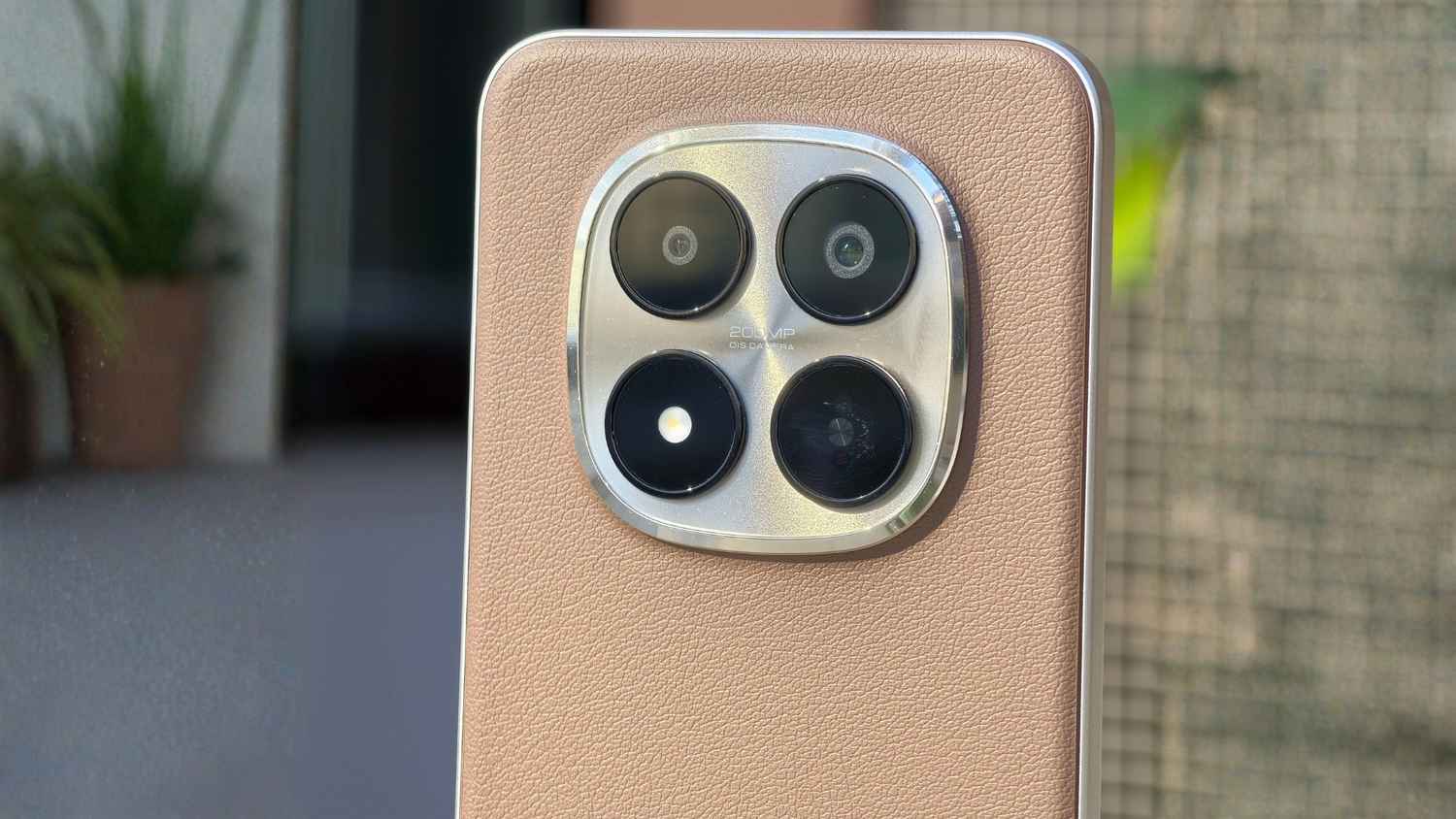
The most visible departure from last year’s Note 14 Pro+ is the removal of the dedicated telephoto camera. In a segment where adding lenses is often seen as progress, Xiaomi chose to step back because the decision, Sarma says, came from usage data and not as a part of a cost-cutting measure.
“Majority of users in this segment are using the main camera on 90 percent of the shots,” he says. “Within the remaining 10 percent, very few people are actually using the telephoto focal length properly.”
Instead of tapping into a fixed 2.5× lens, most users pinched to zoom and landed at intermediate ranges. “They would capture anywhere between 1.7x or 2.3x,” Sarma says. “They were not even utilizing the telephoto camera.”
The cost of keeping that hardware, he argues, outweighed its real-world impact. “Having that as part of the bill of materials is only going to increase your device cost. But for the target user, it’s probably not going to make a difference.”
For users who care deeply about optical zoom, Xiaomi’s answer is direct. “Someone who is actually so camera-centric, they are probably going to step up and buy one of our Xiaomi-Leica devices,” Sarma says.
“We’re still giving multiple focal lengths,” he says, “just without pushing cost onto the consumer for something most people aren’t using.”
That thinking also explains why the Note 15 Pro and Pro+ now share the same primary camera system. Xiaomi is no longer treating camera hardware as the main axis of differentiation at the top of the Note lineup.
“At the end, the customer does not care what sensor you’re putting in if the output is not great,” Sarma says. “So how do you optimize the output to be as good as it can be?”
Much of that effort now happens in tuning and processing. Xiaomi benchmarks competing devices internally and focuses on how images look in practice rather than how the spec sheet reads. Understanding preferences of users, what Indian users actually shoot, how they frame and what kind of output they respond to, is equally important. So does consistency across lighting conditions.
Xiaomi’s renewed emphasis on India-specific engineering also reflects in the shift from a vapour chamber to a liquid cooling system that runs counter to conventional wisdom, which often treats vapour chambers as the more premium solution. Sarma says the decision emerged after Xiaomi changed how it tests devices.
“We realised we need to be testing the final device in India,” he says. “India isn’t one climate.”
Xiaomi tested mass-produced phones across different parts of the country, exposing them to heat, humidity, cold, and network variability. In slim devices, the liquid cooling system performed better under these mixed conditions.
“In Chennai heat or the humidity of Kochi or Hyderabad, we wanted it to be able to take the task,” Sarma says.
This local testing also reshaped how Xiaomi thinks about benchmarks. Synthetic scores mattered less than sustained performance in environments where 5G networks fluctuate and background loads behave unpredictably.
“That’s why we decided that for India, this system needs to be as capable as possible,” Sarma says.
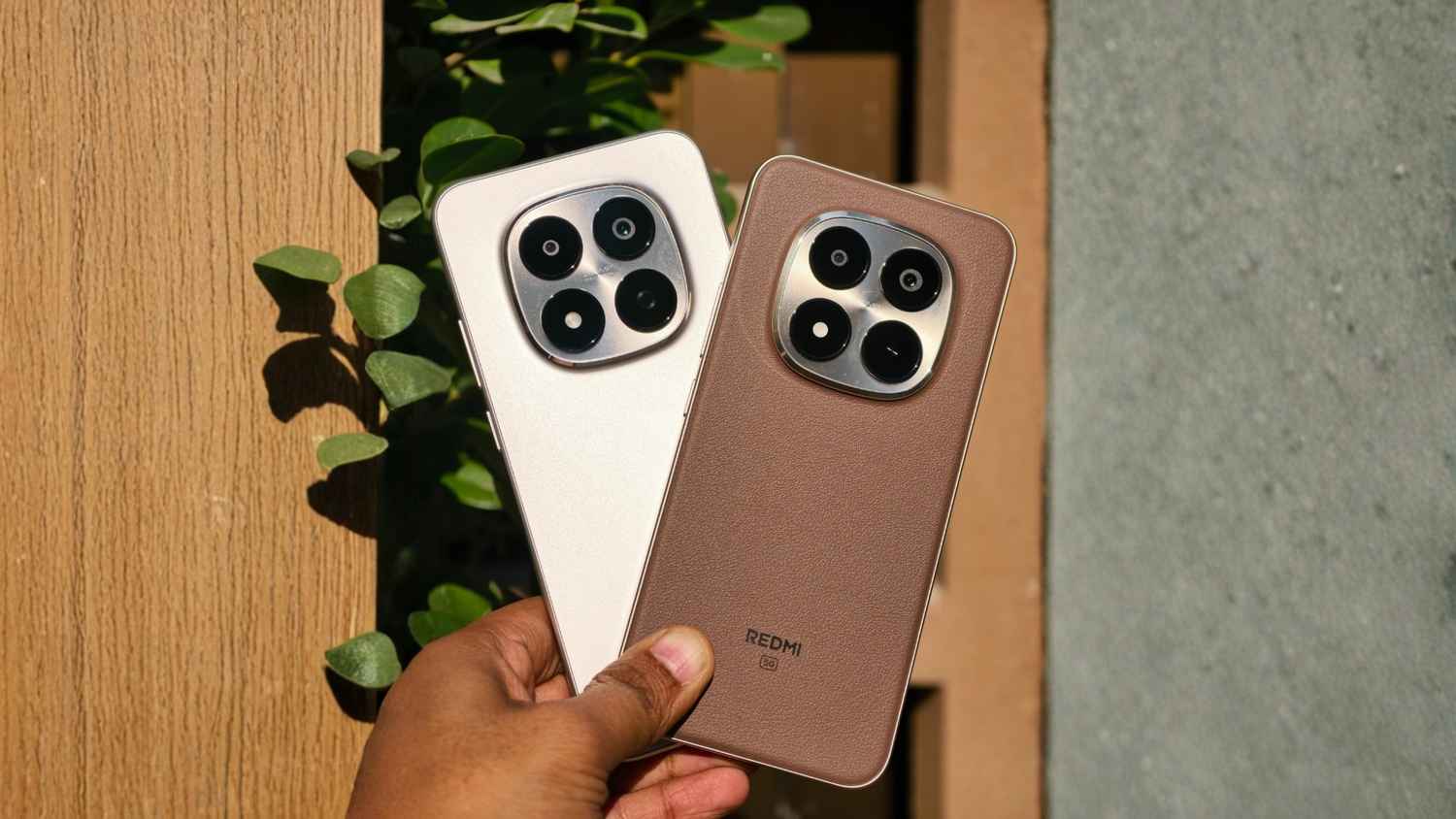
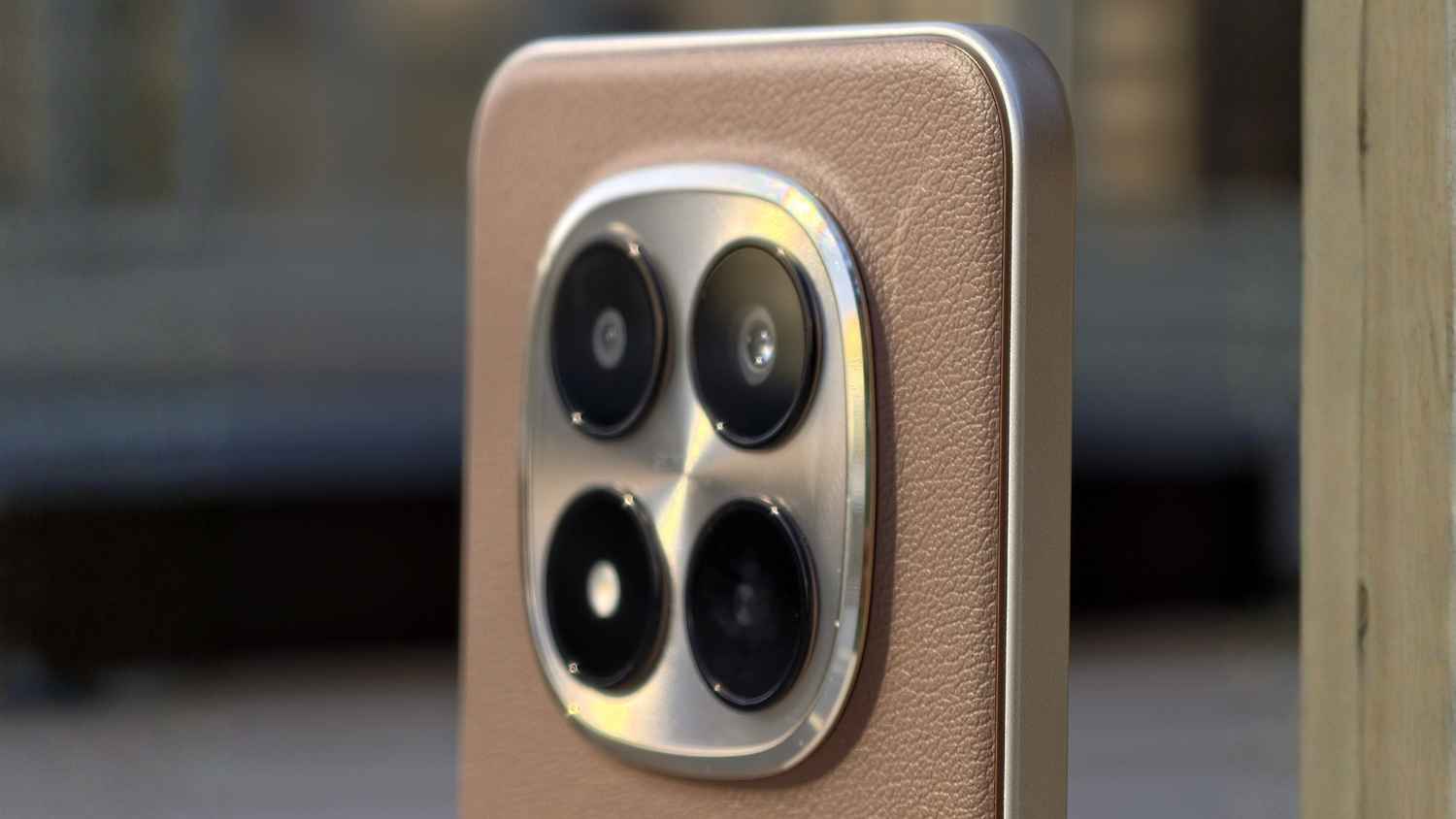
Durability, too, has been treated less as a checkbox and more as an ownership issue. The silicon-based leather used on some Note 15 Pro models is not there to age beautifully. It is there to last.
“Traditional leather flakes with moisture,” Sarma says. “Eventually, that leads to people being unhappy with the device.”
Xiaomi points to earlier Note generations already in the market as proof that this approach works. Devices launched with similar materials are still holding up, which matters more than controlled tests. “Note 13 and Note 14 are still functioning fine,” he says. “That’s the real test.”
Throughout the conversation, Sarma returns to one idea: being easy to recommend.
“The Note series was traditionally the easiest smartphone to recommend in India,” he says. “I think we probably stayed away from that path for a bit. Now we’re back.”
Sarma indicates that internally, Xiaomi has shifted focus away from volume metrics toward trust.
“Overnight, you can do things to increase shipments. But if you’re looking at the next ten or twenty years, there’s nothing that gets you there without consumer trust.”
What is clear is that Xiaomi is no longer trying to win on novelty alone. For the first time in a while, Xiaomi seems comfortable saying no, and explaining why.
Also Read: Why Motorola created Signature as a new flagship series