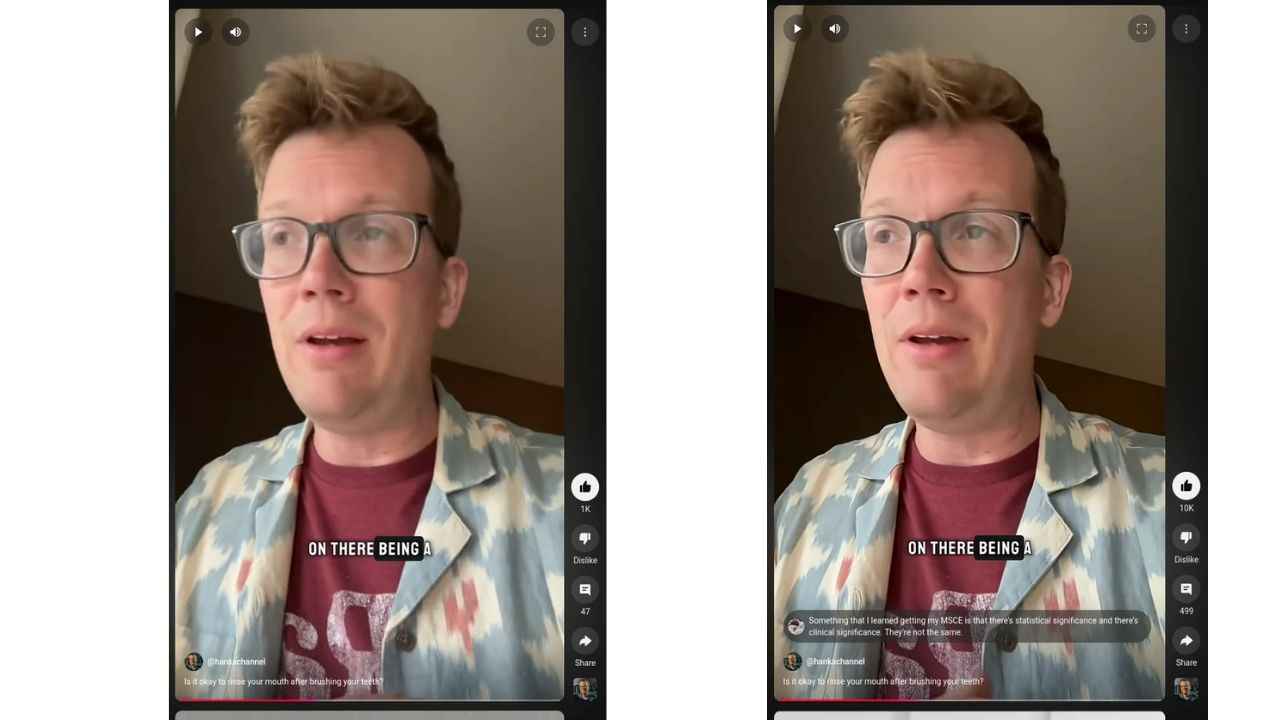
In the fast-evolving world of digital content creation, trust is the currency that binds creators, platforms, and audiences. But a recent revelation has shaken that foundation: YouTube has been quietly using artificial intelligence to alter YouTube Shorts without informing or obtaining consent from the creators behind them. This clandestine practice, which involves machine learning techniques to enhance video quality, has sparked outrage among channel owners and raised alarm bells about transparency, authenticity, and the potential for broader misuse of AI in online media.
The issue came to light when creators like Rhett Shull, a musician and YouTuber with near 750,000 subscribers, noticed something off about their YouTube Shorts. In a video that has since garnered over 700,000 views, Shull compared his original uploads to the versions appearing on YouTube, revealing subtle but unmistakable changes: smoothed skin, unnaturally sharpened clothing wrinkles, and even distorted features like warped ears. “I did not consent to this,” Shull said, echoing a sentiment shared by many creators who felt their creative control had been undermined.
Also read: What is Wan 2.2: Free AI video generation tool going viral right now
Rick Beato, another prominent music YouTuber, echoed Shull’s concerns, pointing out that the AI enhancements gave videos an artificial sheen that clashed with the raw, authentic aesthetic many creators strive for. These changes, often only noticeable through side-by-side comparisons with originals posted on platforms like Instagram, were applied without any notification to channel owners.
It seems like the platform has been experimenting with “traditional machine learning” to enhance Shorts. The techniques, he explained, were akin to those used in smartphone cameras to unblur, denoise, and improve video clarity. Ritchie emphasized that this was not generative AI but rather a form of post-processing to make videos “pop.” However, the explanation did little to quell the backlash, as YouTube offered no commitment to halt the practice or provide creators with an opt-out option.
The lack of transparency is particularly galling for creators who rely on YouTube as their primary platform. “It’s not just about the edits themselves,” says Shull. “It’s about the principle. If they can change our videos without telling us, what else are they doing behind the scenes?” The absence of clear communication or consent has left creators feeling like their work is no longer fully their own, raising questions about who truly controls the content on YouTube.
The implications of YouTube’s actions extend far beyond a few smoothed faces or sharpened textures. Experts warn that this move could set a dangerous precedent for how AI is used in digital media. Samuel Wooley, a professor at the University of Pittsburgh who studies digital propaganda, argues that undisclosed AI edits threaten the authenticity that audiences crave. “People turn to creators for real, unfiltered perspectives,” he says. “When a platform alters that content without disclosure, it erodes trust – not just in the creator, but in the entire ecosystem.”
This controversy comes on the heels of reports that Google, YouTube’s parent company, has been using YouTube videos to train AI models like Gemini and Veo 3. While YouTube insists that its Shorts enhancements are unrelated to generative AI, the timing fuels skepticism. Creators worry that their content is being used as a testing ground for AI experiments, with little regard for their rights or creative intent.
Also read: How to install and run Wan 2.2 locally on your Windows PC: Step-by-step guide
The potential dangers are manifold. For one, undisclosed AI edits could distort a creator’s brand or message. A musician aiming for a gritty, lo-fi aesthetic might find their work polished into something unrecognizable. A vlogger sharing a raw, emotional moment could have their authenticity undermined by an artificial glow. Beyond aesthetics, there’s the risk of deeper manipulation. If YouTube can alter videos without consent, what’s to stop the platform or others from making more significant changes, like altering audio, inserting product placements, or even modifying the substance of a video?
The creator community has not taken this lightly. On platforms like X, creators have rallied under hashtags like #YouTubeAIEdits, sharing side-by-side comparisons of their videos and demanding greater transparency. Some have called for YouTube to implement an opt-out mechanism, while others advocate for a complete halt to AI enhancements unless explicitly approved. “This isn’t just about Shorts,” says Beato. “It’s about the precedent it sets. If they can do this now, what’s next?”
The backlash has also sparked discussions about creator rights in the age of AI. Many argue that platforms like YouTube, which profit from user-generated content, have a responsibility to treat creators as partners, not pawns. “We’re not just uploading videos for fun,” says Shull. “This is our livelihood. We deserve to know what’s being done with our work.”
YouTube’s decision to alter videos without consent comes at a time when trust in digital platforms is already fragile. With misinformation, deepfakes, and AI-generated content on the rise, audiences are increasingly skeptical of what they see and hear online. By introducing undisclosed edits, YouTube risks further eroding that trust, alienating both creators and viewers.
For now, YouTube has not indicated whether it will change its approach. The platform’s silence on an opt-out option or broader policy changes leaves creators in limbo, forced to either accept the alterations or seek alternative platforms. Some, like Shull, are exploring options like Vimeo or Patreon, where they can exert greater control over their content. But for many, leaving YouTube, a platform with unmatched reach and monetization potential, isn’t a viable option.
Without transparency and consent, the line between enhancement and manipulation becomes dangerously thin. If platforms prioritize technological advancements over creator autonomy, they risk alienating the very people who make their platforms thrive. The controversy over YouTube’s AI edits is more than a dispute over video quality. In an era where AI’s capabilities are expanding rapidly, the need for ethical guidelines and creator empowerment has never been greater. Without them, the trust that holds the digital world together could crumble, one unapproved edit at a time.
Also read: Grok 2.5 goes public: xAI’s controlled take on open-sourcing AI