Apple’s transformation into a silicon powerhouse did not happen by accident. Behind the shift away from third-party chips and toward a fully in-house ecosystem stands Johny Srouji, the quiet yet formidable executive who built Apple Silicon into a defining advantage across Macs, iPhones, and now Vision-class devices. As speculation grows over whether he may exit the company amid Apple’s biggest leadership churn in years, interest in Srouji’s journey and influence has intensified.
Srouji joined Apple in 2008, brought in specifically to lead development of custom system-on-chip designs after years at Intel and IBM. At the time, chips were not considered Apple’s core strength. That perception changed rapidly once Srouji built a global hardware technologies division that could run at the pace needed for consumer products.
Under his leadership, Apple launched the A-series processors that have powered every iPhone since the iPhone 4. The chips consistently delivered performance that rival manufacturers struggled to catch. By controlling the silicon instead of relying on Qualcomm or others, Apple gained tighter integration, longer battery life, and a clear performance edge.
Also read: Apple facing high-profile exits: Key leaders who recently stepped down
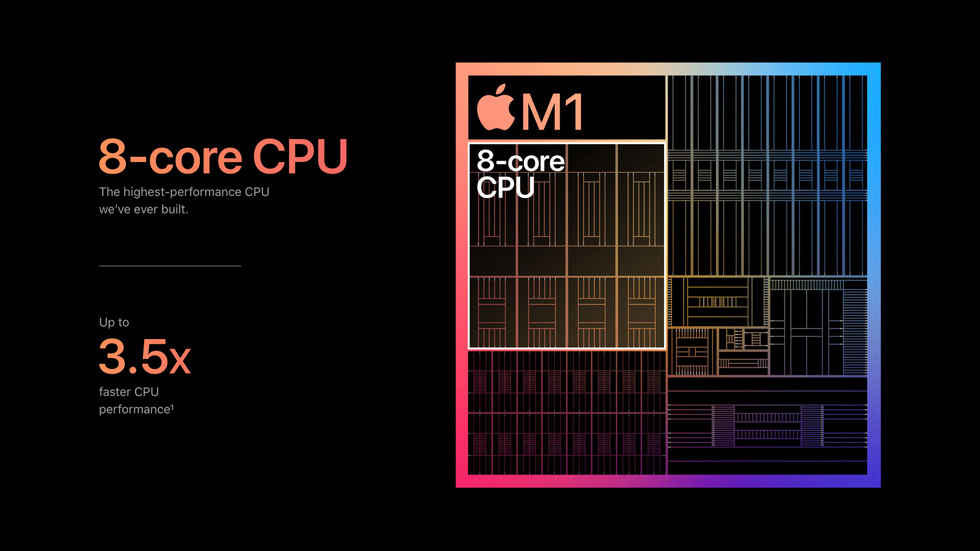
Srouji’s most celebrated milestone came a decade later when Apple announced the end of its reliance on Intel processors for Macs. The M1 chip, unveiled in 2020, was proof that the mobile-first architecture Apple had perfected could scale up to computers without compromise.
The impact was immediate: Macs suddenly produced laptop-class battery life with desktop-class performance, forcing the rest of the PC industry to rethink its roadmaps. M2 and M3 families followed, strengthening Apple’s position in high-performance, low-power computing.
Inside Apple, Srouji is known for a disciplined, operations-driven leadership style. His organisation spans chip design, battery technologies, RF engineering, display technologies, and more. Employees often describe his approach as structured and demanding, with a clear focus on long-term strategy rather than short bursts of innovation.
Also read: Apple wants iPhone users to ditch Google’s Chrome and other services: Here’s why
This consistency allowed Apple to move entire device categories to custom silicon while maintaining predictable product cycles. Few executives at Apple hold as much operational influence across so many technologies.
Recent reporting suggests Srouji is considering leaving Apple amid a broader wave of exits, making it one of the most closely watched potential departures inside the company. Losing the architect of Apple Silicon would be a significant strategic moment.
Apple’s competitive edge in hardware today rests heavily on its chip roadmap. Whether it is the neural engines powering on-device AI, the power efficiency that enables slim MacBooks, or the custom silicon inside Vision Pro, the foundations can be traced back to the team Srouji built.
Even if Srouji eventually steps away, the architecture, culture, and technical direction he set in motion will continue to shape Apple’s hardware future. The M-series line has become as central to Apple’s identity as the iPhone itself. Johny Srouji may not be a household name, but his work has touched every Apple device used today, and his imprint on the company will remain long after the current moment of uncertainty passes.
Also read: OpenAI’s response to Google Gemini: ChatGPT 5.2 launch tipped for next week