Sam Altman World ID
In an era where telling humans apart from AI bots online is increasingly critical, World ID, developed by Tools for Humanity, co-founded by Sam Altman, offers a solution. This iris-scanning biometric protocol creates a secure, privacy-preserving digital identity to verify a person’s “humanness” and uniqueness without requiring personal details like names or emails. With over 26 million users globally by May 2025, World ID aims to combat fraud, misinformation, and identity issues while enabling applications like universal basic income (UBI), secure logins, and access to services. Its global reach, innovative technology, and bold vision make it a transformative force, but how does it work, and what challenges lie ahead?
Also read: AI vision: How Zuckerberg, Musk and Altman see future of AI differently
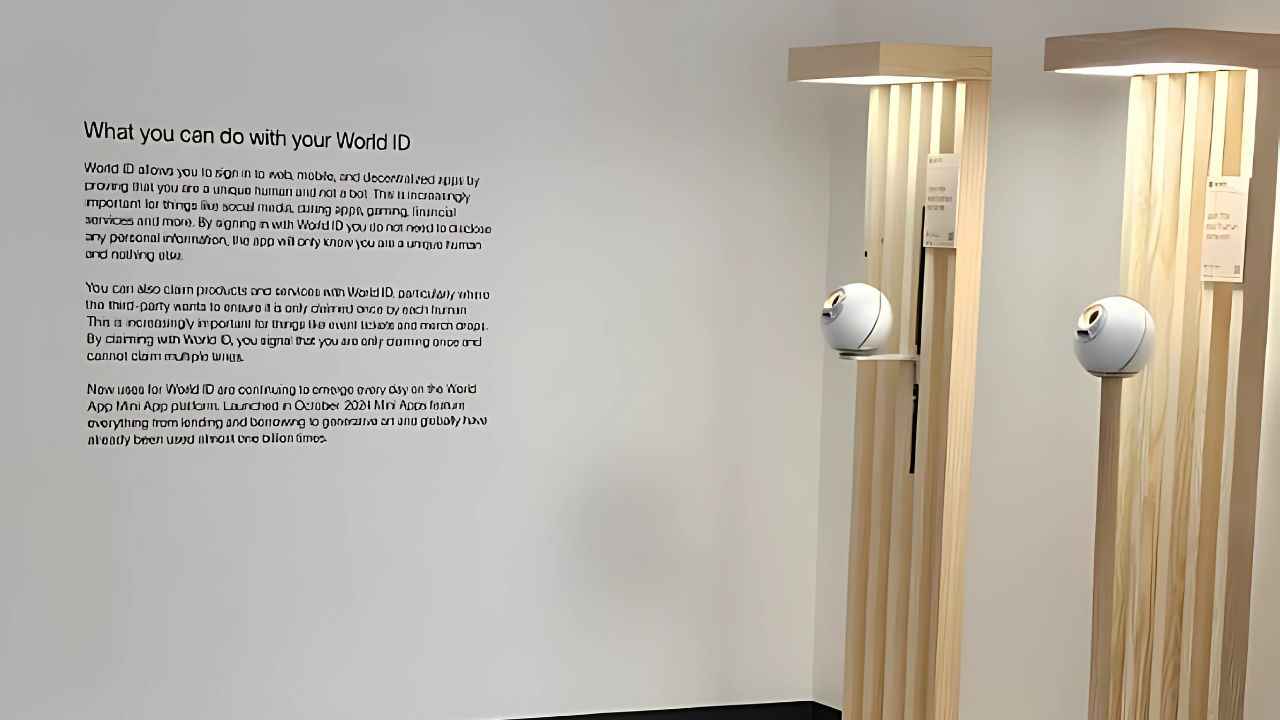
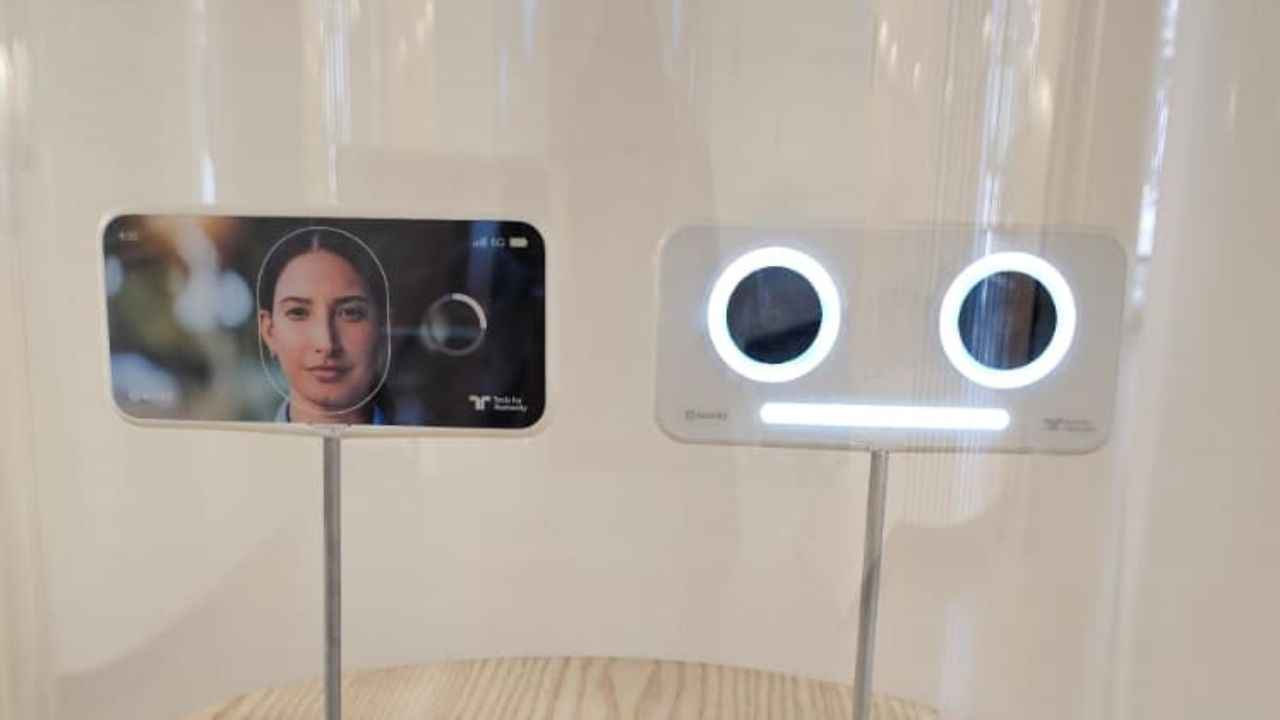
World ID hinges on a spherical biometric device called the Orb, which employs multispectral sensors and infrared light to capture high-resolution images of a user’s irises and facial features in seconds. The Orb processes these images on-device to generate an IrisCode, a unique cryptographic hash derived from the iris’s intricate, highly individualized texture, capable of distinguishing even identical twins. Unlike raw images, the IrisCode is an abstract, anonymized code that cannot be reverse-engineered, ensuring security. By default, the Orb deletes the original images to prioritize privacy, though users can opt-in to temporary storage for algorithm enhancements.
Also read: Deepfake AI to quantum ransomware: Top cybersecurity threats of 2025
The IrisCode is compared against a global blockchain-based database, the World Chain, to verify the user hasn’t registered before. This “one-to-N” check confirms uniqueness without linking to personal data, using zero-knowledge proofs (ZKPs) via the open-source Semaphore protocol. This cryptographic method ensures third parties only receive confirmation of humanness, not sensitive information. If the IrisCode is unique, the user receives a World ID, stored locally on their device through apps like the World App, acting as a digital passport for seamless authentication on platforms like Reddit, Discord, Shopify, or Tinder.
Privacy is the cornerstone of World ID’s design. ZKPs prevent the exposure of biometric data, ensuring apps only verify a user’s humanness. IrisCodes are fragmented and distributed across secure servers to minimize breach risks, while the World Chain’s decentralized structure eliminates single points of failure. The protocol’s open-source nature invites public audits, fostering trust. The Orb also incorporates age detection to block users under 18, enabling age verification for platforms while protecting younger users. Regular security updates and third-party audits further bolster the system’s defenses against potential vulnerabilities.
World ID’s versatility unlocks a range of applications. It powers bot-free logins for social platforms, secure financial transactions, and age verification for dating apps like Tinder. Its potential for equitable UBI distribution aligns with Altman’s vision of addressing economic disparities in an AI-driven future. To drive adoption, users receive WLD cryptocurrency tokens (valued at $40–$60, depending on market rates) after scanning, a strategy that has fueled rapid growth. The system also supports integration with credentials like passports for enhanced verification, all while maintaining privacy through ZKPs. Globally, an estimated 100–150 verification sites, including a flagship storefront in San Francisco’s Union Square opened in May 2025, serve as hubs for scans and education, with plans for 7,500 new Orbs by year-end.
World ID’s ambition comes with significant hurdles. Critics, including Edward Snowden, warn of surveillance risks if biometric data is misused by governments or corporations, as irises are immutable. Even with robust encryption, a breach could be catastrophic. The WLD token incentive has sparked ethical concerns, with critics arguing it may exploit vulnerable populations in less-developed regions. Regulatory scrutiny has led to bans in countries like Kenya and Spain, citing data privacy issues. These challenges underscore the need for transparent communication and rigorous security to maintain public trust.
With 12.5 million verified users and growing, World ID is scaling rapidly through devices like the Orb Mini, designed for broader accessibility. Its potential to revolutionize online trust, financial systems, and governance is vast, from securing digital platforms to enabling fair resource distribution. Success, however, depends on addressing privacy concerns, navigating regulatory landscapes, and proving the system’s integrity. As World ID expands, it aims to redefine digital identity, making humanness the ultimate key to a safer, more equitable internet.
Also read: Google DeepMind exec says AI-designed drugs are nearing human trials