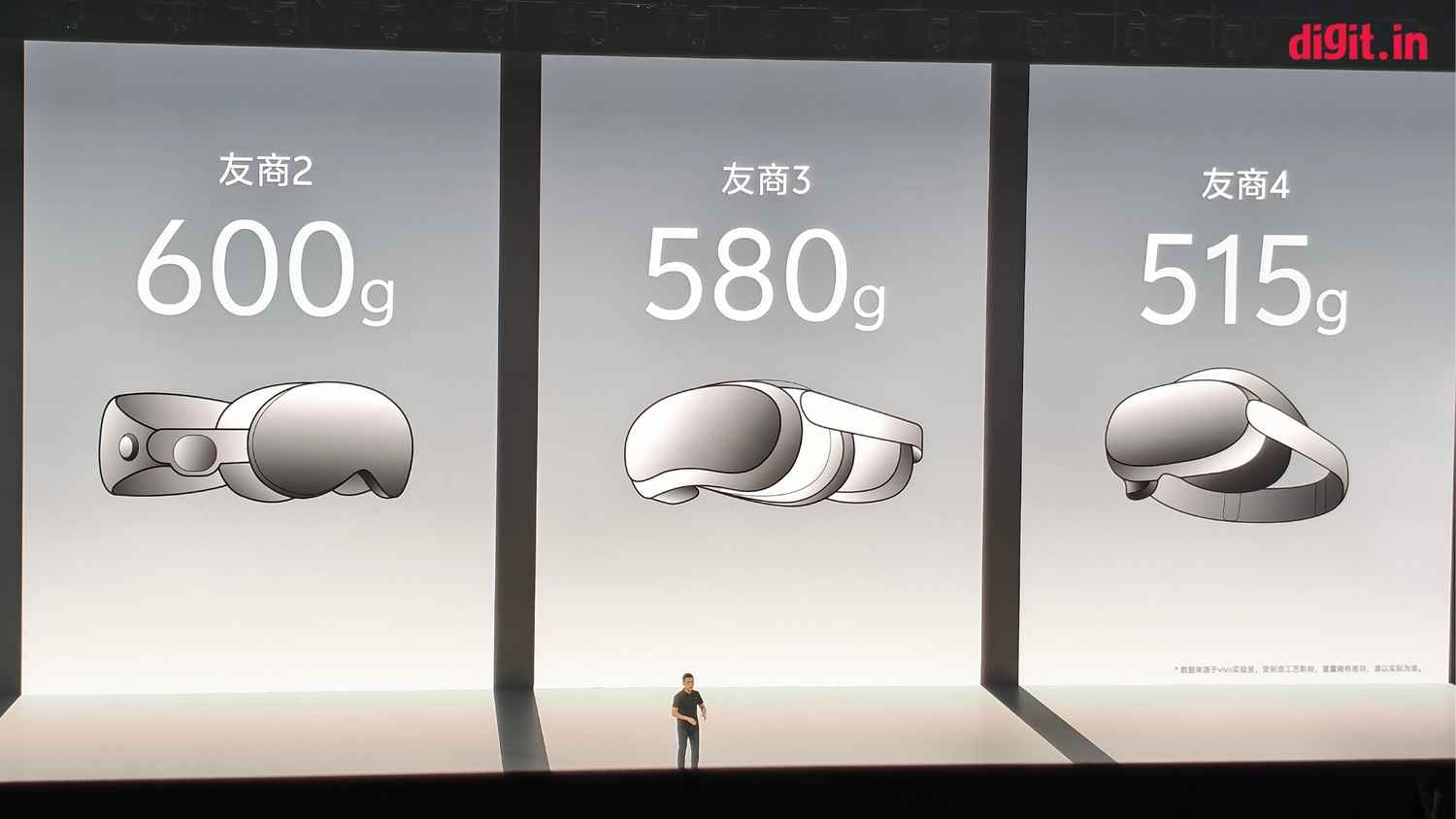
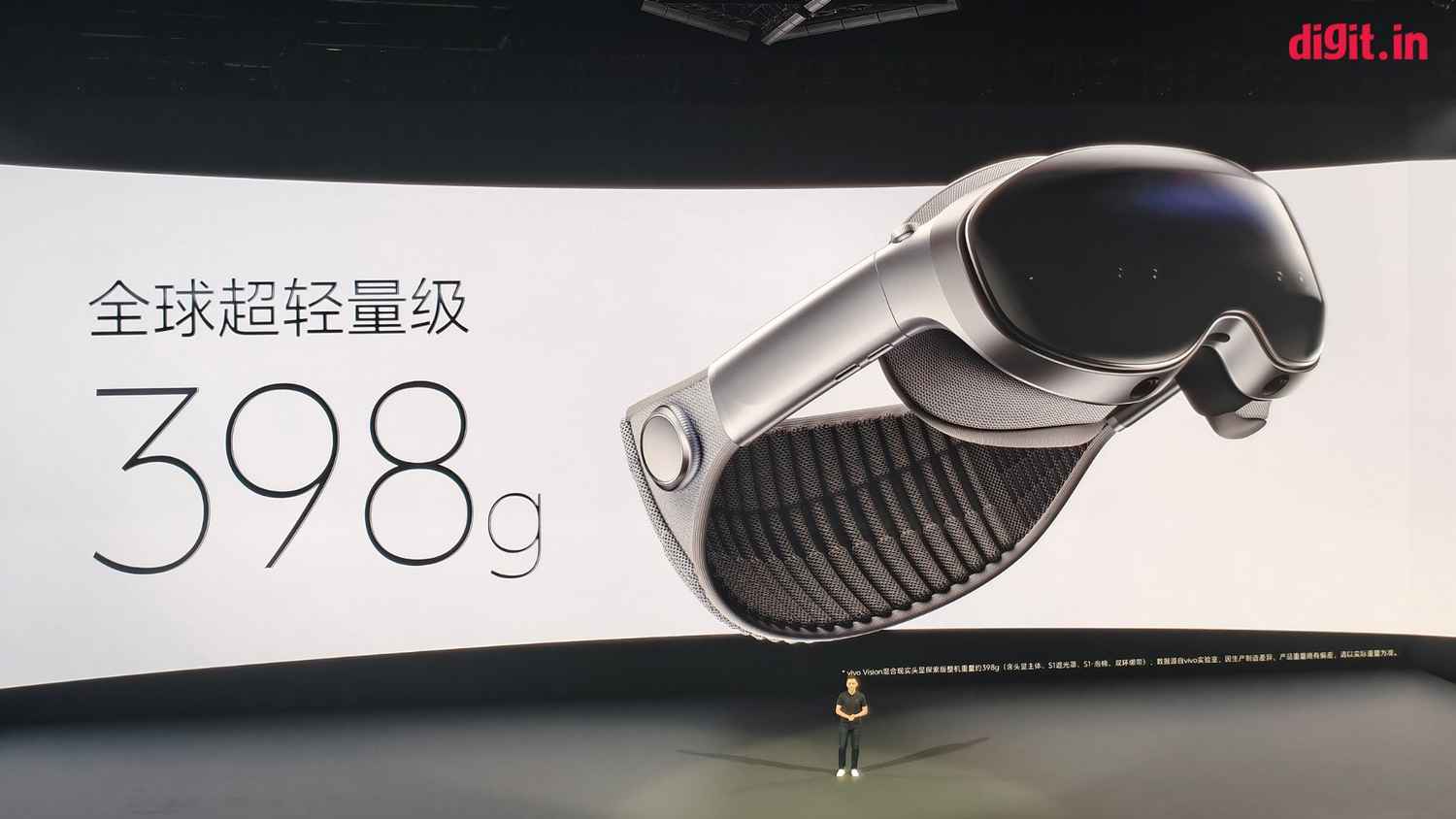
When Vivo unveiled its first mixed-reality headset, the number that mattered most wasn’t megapixels, refresh rates, or some hyper-technical jargon that only nerds obsess over. It was weight. The difference between 398 grams and 600 grams doesn’t sound dramatic on paper, but put those numbers on your face for half an hour and you’ll immediately understand why comfort, not resolution, is the real bottleneck.
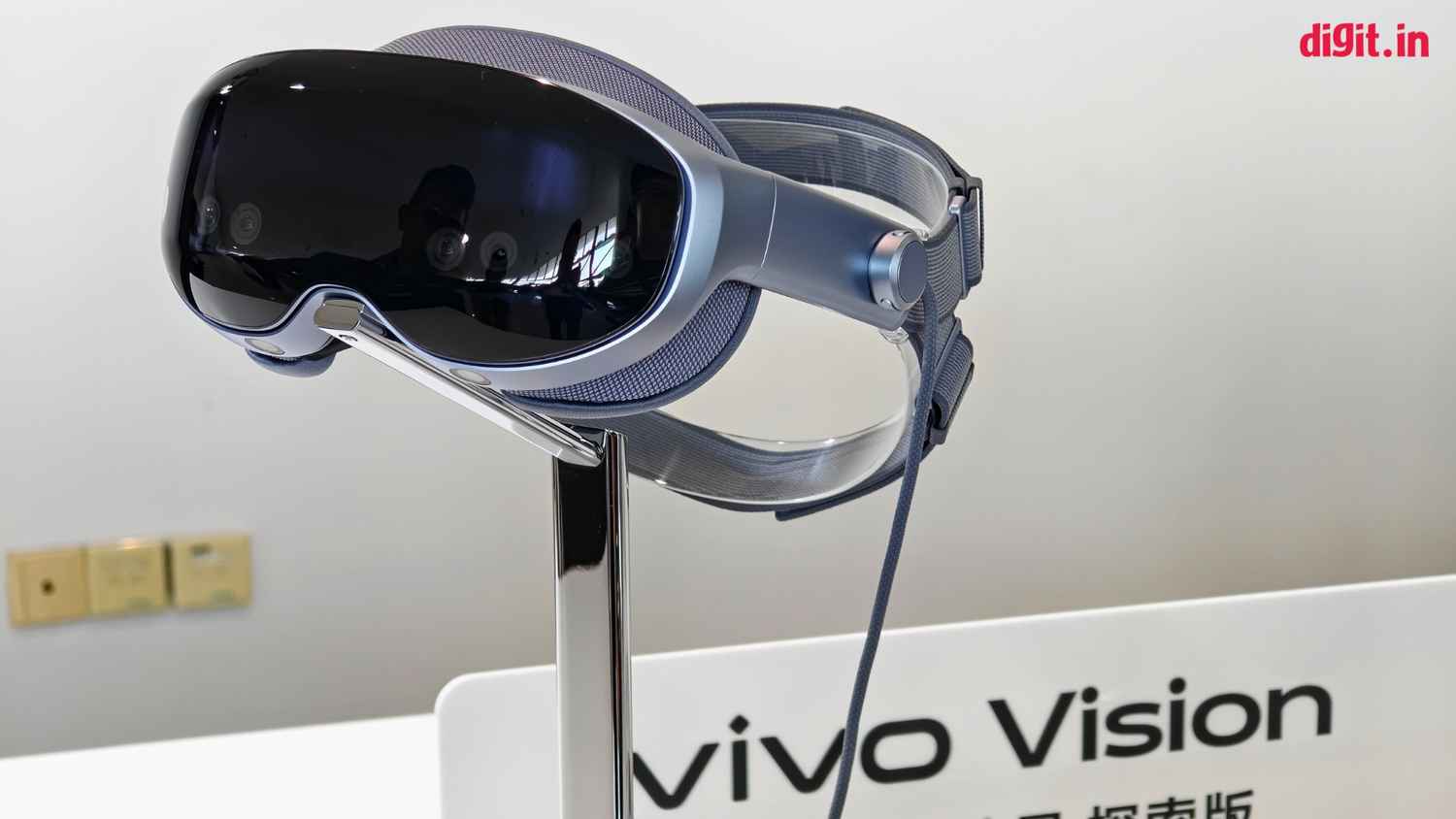
We live in a world where headsets are no longer novelties. Apple’s Vision Pro has already shown that eye tracking and pinch gestures can feel surprisingly natural. Meta has normalised the idea of an affordable entry point, even if the experience is uneven. Against that backdrop, Vivo’s Vision Discovery Edition doesn’t feel like an introduction but a refinement. They’re betting that if they can make spatial computing light enough, invisible enough, and frankly normal enough, people will actually use it. It’s a bet against the awkwardness that has plagued every headset from Oculus to Apple Vision Pro.
The reason you don’t see people walking around in headsets the way they do with smartphones isn’t because of missing apps or content. It’s because strapping something the size of a shoebox to your forehead still feels absurd. You can have all the resolution in the world, but if the thing leaves a red dent on your cheeks after 20 minutes, it’s going back in the box.
When Vivo announced that the “Vision is currently the world’s lightest spatial computing device, weighing only 398 grams,” it was a recognition that mixed reality’s problem isn’t whether it can deliver magic, but whether people can tolerate wearing it long enough to want that magic at all.
The engineering obsession with weight loss borders on comical, but it’s necessary. One prototype came in at 471 grams, was “grapefruit-sized,” then a “small dragon fruit,” before shrinking to something closer to a “mango,” weighing in at 398 grams. For perspective, the industry average sits at around 600 grams. A third lighter might not sound revolutionary on paper, but on your face, it’s the difference between a novelty and a companion.
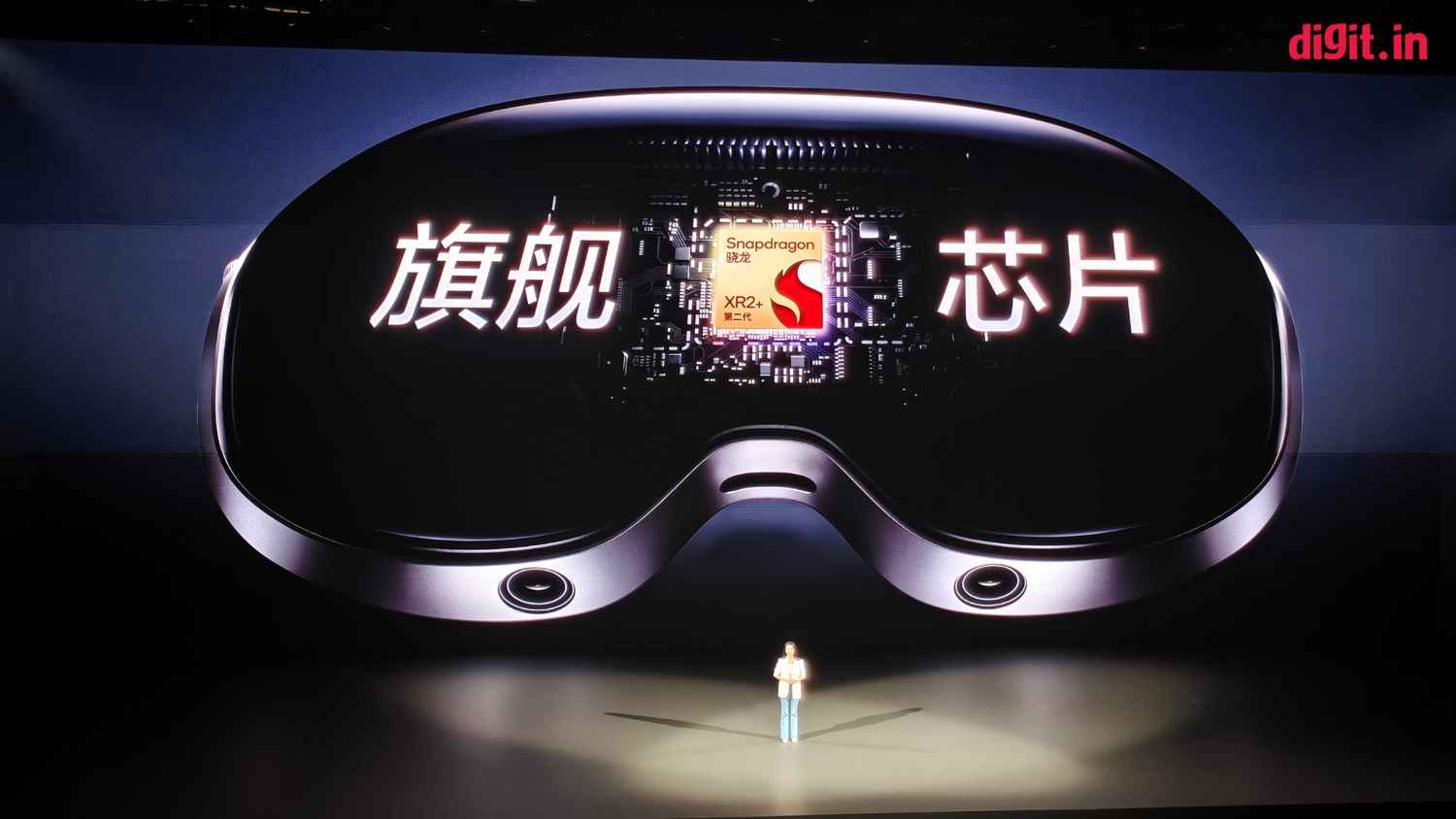
The Vision achieves that through aerospace-grade alloys, a compact antenna system, and by offloading some bulk into an external battery pack.
Comfort was the next battle. Vivo openly acknowledged that: “Users complain about pressure marks after just 30 minutes.” To counter this, Vivo engineered a 16-point weight distribution system that spreads pressure evenly, keeping it below 6.6 kPa on the face. They also built four light-seal sizes and eight foam pad options, and even the strap is wide, fabric-lined, with tension knobs to fine-tune the fit, because fit matters.
Interaction with an MR headset is also tricky, but instead of doubling down on controllers, they went all in on natural gestures and eye tracking. Look at something, pinch your fingers, and it’s selected. Drag with your hand, and it moves. Vivo claims to have invested eight years of research to achieve eye-tracking accuracy down to 1.5 degrees, which they likened to spotting a watch face from two meters away. That matters because interaction should feel invisible. The less you think about using the device, the more it feels like an extension of your body.
But beyond weight and gaze, the philosophy shines in humility. Instead of pretending this is an iPhone moment for mixed reality, they made a simple plea: “We hope to hear users’ real experiences and valuable suggestions.”
Vivo pointed out that “40% of head-mounted product buyers are women,” which is why fitting into a small backpack or handbag wasn’t an afterthought but a design requirement. You can roll your eyes at the handbag metaphor, but if it doesn’t fit into your life and into your bag, it won’t matter how futuristic the tech is.
Vivo leaned on features that already feel like part of everyday life. A 120-foot private cinema screen for binge-watching. Floating windows for productivity that mimic spreading papers across a desk. Sports viewing with eye-controlled angle switching and 3D replays. Gaming that turns your living room into an MR playground. None of this is revolutionary on its own. But stitched together with lighter hardware, better ergonomics, and natural interaction, it starts to feel plausible.
Of course, scepticism is warranted. I’m still sceptical, because I’ve seen how brutally hard this market is. The headset problem has humbled giants. Meta poured billions into the metaverse and still struggles for traction. Apple’s Vision Pro generated awe, made headlines, but also memes about its price and impracticality. It’s one thing to cut weight; it’s another to convince people to strap something on their face daily.
Spatial computing’s future isn’t guaranteed. But if it arrives, it will be because companies made it invisible enough to forget you’re wearing it. And that’s what Vivo is chasing, not just lightness in weight, but lightness in presence.