Open Weight OpenAI model
OpenAI’s decision to delay its first open-weight model since GPT-2 has sparked widespread discussion in the AI community. Initially slated for a July 2025 release, the launch is now indefinitely postponed as OpenAI prioritizes extensive safety testing and integrates an unexpected research breakthrough. This move underscores the complex interplay between rapid innovation, competitive pressures, and the ethical responsibilities of deploying powerful AI systems. What does this delay mean for developers, the broader AI ecosystem, and the future of open-weight models?
Also read: Gemma 3n: Google’s open-weight AI model that brings on-device intelligence
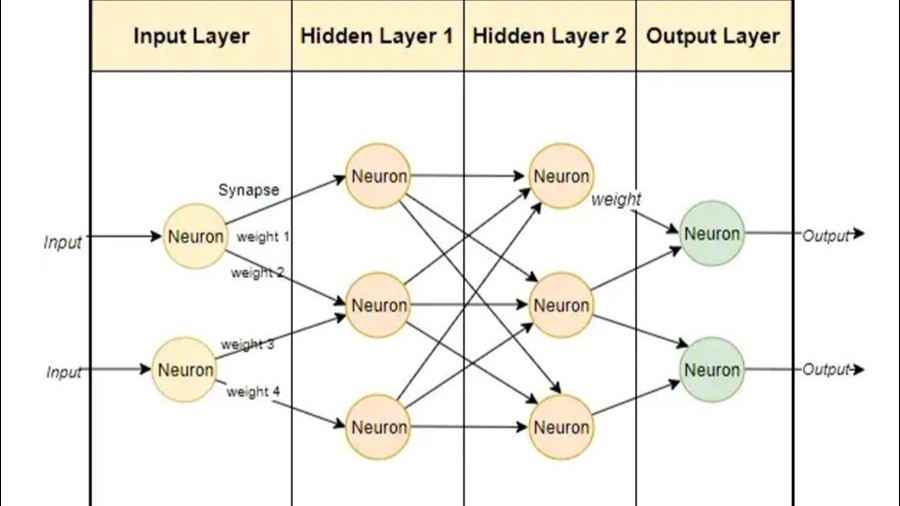
Open-weight models occupy a nuanced space between proprietary black boxes and fully open-source AI. Unlike open-source models, which disclose everything from architecture to training data, open-weight models offer only the trained parameters, the “weights” that give the model its learned intelligence. These allow developers to run, fine-tune, or adapt the model for local or domain-specific applications, from chatbots and coding tools to medical diagnostics and scientific analysis. However, once released, the weights are permanent. They can’t be updated, recalled, or remotely shut down. That’s where the stakes rise dramatically.
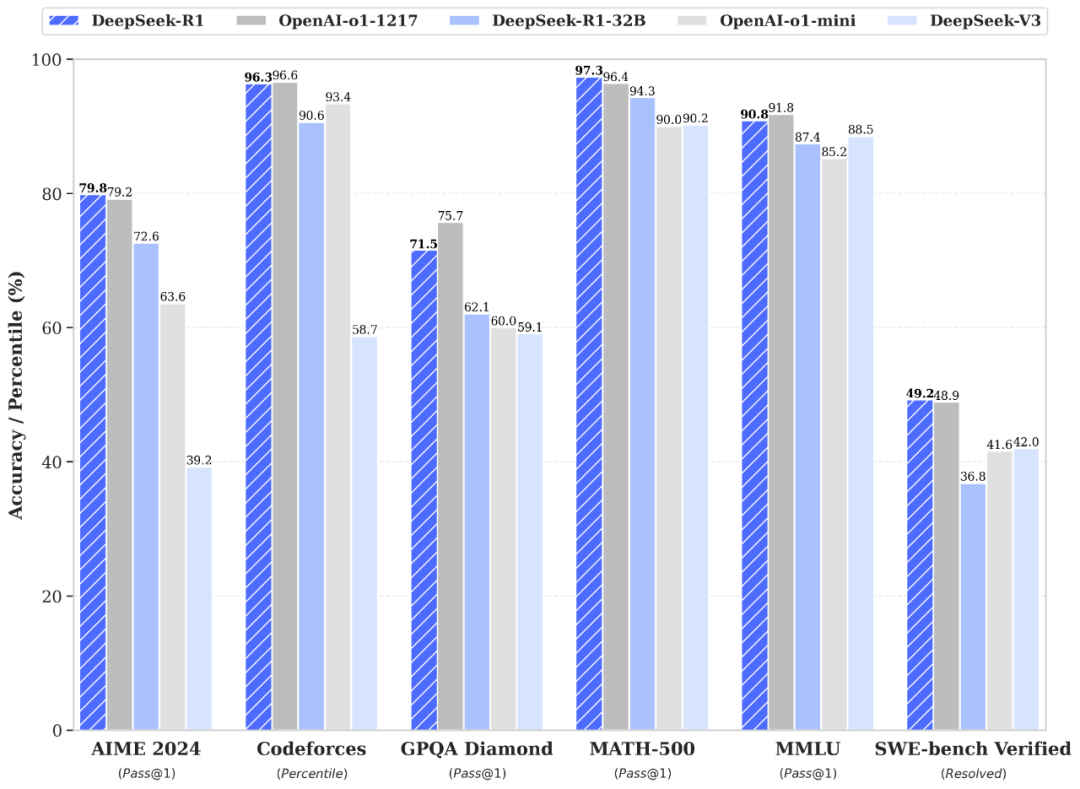
OpenAI’s forthcoming open-weight model is rumored to rival its powerful o3-pro model in reasoning capability, potentially surpassing industry standouts like Meta’s Llama or DeepSeek’s R1. The flexibility it would offer to startups, researchers, and governments alike is immense. But so is the risk of misuse ranging from disinformation and synthetic media to cyberattack vectors.
Announced in July 2025, this marks the second delay for the model, originally planned for June. A significant research breakthrough, described as unexpected, prompted additional time to refine the model’s performance and ensure it meets high standards. More critically, safety concerns are at the forefront. Unlike cloud-based APIs, which can be updated or restricted, open-weight models cannot be recalled once released, amplifying the potential for misuse. OpenAI is conducting rigorous testing under its Preparedness Framework to evaluate and mitigate risks, motivated in part by recent industry incidents involving AI misuse that highlighted reputational and ethical challenges.
Also read: ROCm 7: AMD’s big open-source bet on the future of AI
This cautious approach reflects a broader commitment to responsible AI development, even if it means delaying a highly anticipated release in a fiercely competitive landscape.
OpenAI faces intense competition from companies like Meta, Mistral, and DeepSeek, who have gained traction with open-weight and open-source models. DeepSeek’s R1, praised for its reasoning prowess, has set a high bar, and OpenAI’s delay risks ceding ground to these rivals. To maintain engagement, OpenAI is hosting developer events in San Francisco, Europe, and Asia-Pacific, showcasing prototypes and collecting feedback through a website form. Speculation suggests potential partnerships with platforms like Azure or Hugging Face, which could broaden access while allowing OpenAI to retain some oversight over the model’s distribution and use.
The delay has elicited mixed reactions. Some developers value the emphasis on safety, recognizing the need to prevent misuse in a model that cannot be retracted. Others, particularly startups, face disruptions, having built project timelines around the expected release and now pivoting to alternatives like DeepSeek’s R1 or Meta’s Llama. The broader AI community views the delay as a step toward responsible development, setting a precedent for prioritizing safety in an era of rapid innovation.
With no confirmed release date, uncertainty surrounds the model’s final capabilities, potential restrictions, and the nature of the research breakthrough. The delay highlights the high stakes of AI development, where the drive for innovation must coexist with rigorous safety measures. OpenAI’s open-weight model has the potential to redefine the AI landscape, offering developers a powerful, customizable tool to drive innovation if it can meet the lofty expectations set by its creators.
Also read: Gemini CLI: Google’s latest open source AI agent explained