In a digital landscape increasingly cluttered by AI-driven hallucinations and sophisticated bot swarms, the irony has reached a breaking point: the man who helped unleash the most advanced Large Language Models (LLMs) is now building the barricade to keep them out of our social feeds.
OpenAI is reportedly developing a biometric-verified social network designed to solve the “personhood” crisis currently crippling platforms like X (formerly Twitter). As X struggles to differentiate between a paying subscriber and a high-level automated agent, Sam Altman’s proposed solution is radical and deeply personal.
Also read: OpenAI’s Prism explained: Can you really vibe code science?
The core issue facing modern social media is the “Sybil attack,” where a single entity creates thousands of fake identities to manipulate discourse or drown out real users. Elon Musk attempted to solve this with a $8-a-month paywall, but bot farms simply integrated the cost into their operating budgets.
OpenAI’s strategy shifts the barrier from the wallet to the body. By utilizing “Proof-of-Personhood” tech – potentially leveraging the hardware-level iris scanning seen in Altman’s Worldcoin project – the platform would ensure that every account is tethered to a unique, verified human. If you can’t scan a set of human eyes, you can’t post. It is a high-tech “No Bots Allowed” sign that software-based AI, no matter how intelligent, cannot bypass.
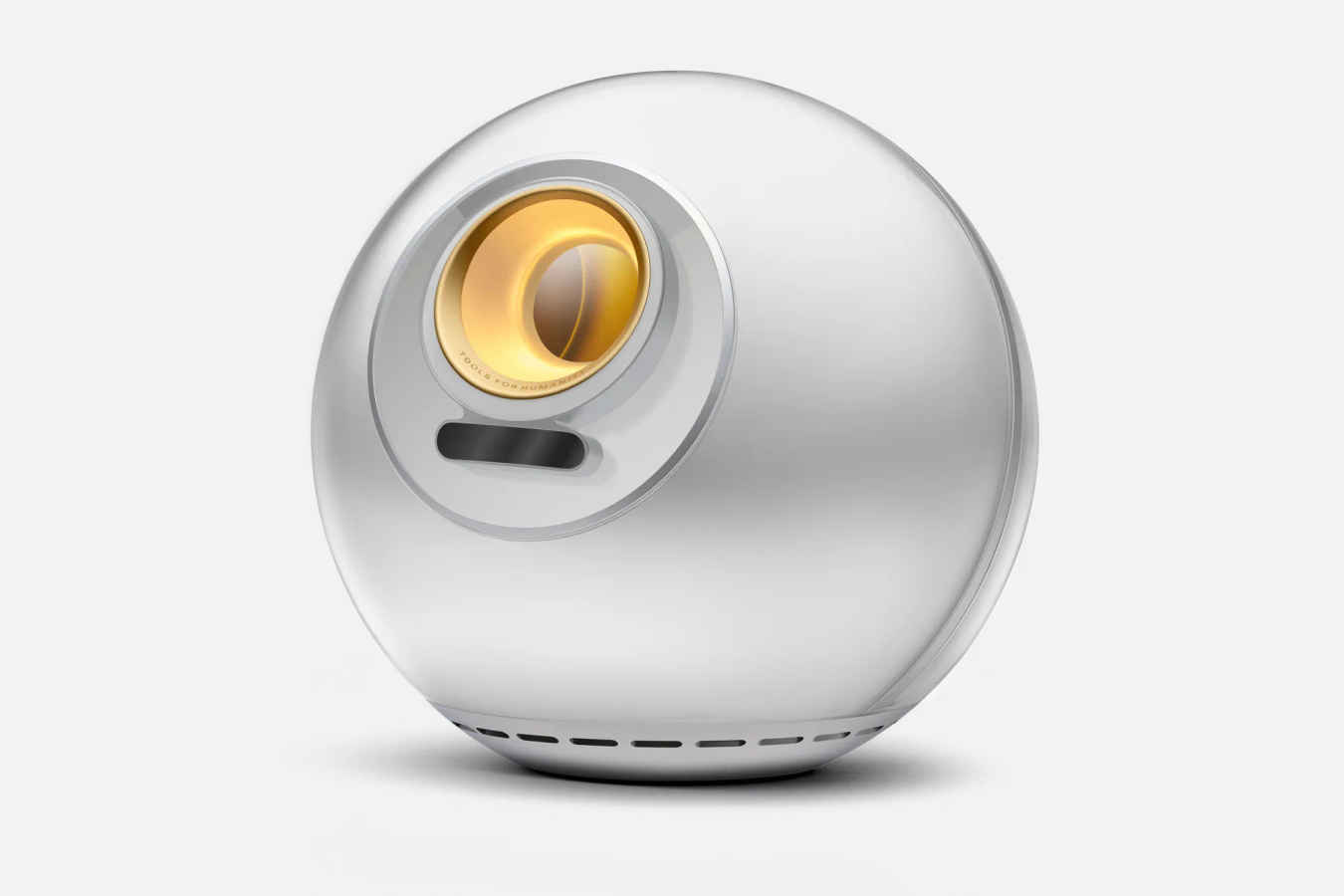
While the Forbes report focuses on OpenAI, the shadow of Worldcoin looms large. For years, the “Orb,” Altman’s controversial biometric imaging device, has been a solution in search of a problem. A social network owned by OpenAI could be the “killer app” that finally justifies the existence of World ID. By integrating these two ecosystems, Altman could create a “Circle of Trust” that makes X’s blue-check verification look like a relic of the past.
Also read: Clawdbot security issues: Private messages to AI agent can leak
However, the path to a bot-free utopia is paved with significant privacy concerns. For a journalist or a casual user, the trade-off is stark: Are you willing to hand over your biometric data to a private corporation in exchange for a cleaner feed?
OpenAI has already faced scrutiny over data scraping and transparency. Asking users to provide “digital fingerprints” to access a social network raises the stakes of data security to an unprecedented level. If a password is leaked, you change it; if your biometric ID is compromised, the breach is permanent.
The success of this venture hinges on whether the public’s frustration with bots has finally outweighed their fear of “Big Tech” surveillance. If OpenAI can streamline the verification process – perhaps through the secure enclaves already present in modern smartphones – they might finally achieve what Musk couldn’t: a platform where every “Like” and “Retweet” comes from a beating heart. As the AI wars transition from who can build the smartest bot to who can stop them, Sam Altman is positioning OpenAI as both the architect of the future and its ultimate gatekeeper.
Also read: From Pegasus to CVE-2025: 3 times WhatsApp faced critical security issues